



National LE Museum Hosting 14th Amendment Virtual Program Thursday
The 14th amendment to the United States Constitution was ratified in 1868, passed in the wake of the US Civil War and says that no State can “… deny to any person within its jurisdiction the equal protection of the laws.”

The National Law Enforcement Museum (NLEM) will host a virtual, free-of-charge program for law enforcement officials and organizations titled Enforcing the 14th: The Promise to Protect.
Members of law enforcement interested in viewing the Feb. 24 virtual program and hearing from law enforcement leadership can register for the program via Zoom link. The event begins at 6:30 p.m. EST.
The 14th amendment to the United States Constitution was ratified in 1868, passed in the wake of the US Civil War and says that no State can “… deny to any person within its jurisdiction the equal protection of the laws.” The program will provide information on the history of the amendment, which secured equal justice within every State of the Union, as well as the vital role it continues to hold today in its intent to stop discriminatory practices against Black Americans, and asks the question, “What does equal protection look like?
Thomas Canavan, NLEM executive director; Anthony Heredia, senior vice president and chief ethics and compliance officer for Target; and Kristen Clarke, assistant U.S. attorney general will provide introductory welcome remarks. The program is made possible by Target and in partnership with the Major Cities Chiefs Association (MCCA) and the National Organization of Black Law Enforcement Executives (NOBLE) and will provide discussion that helps demonstrate law enforcement’s continued commitment to providing equal protection under the law for all citizens.
Retired Chief Daniel Hahn, of the Sacramento Police Department, is the keynote speaker and moderator of a panel discussion featuring Commissioner Danielle Outlaw, Philadelphia Police Department, Major Cities Chiefs Association; Capt. Frederick L. Thomas, president, National Organization of Black Law Enforcement Executives (NOBLE); and Steve H. Rosenbaum, chief of the Special Litigation Section, U.S. Department of Justice.
HISTORY of NLEM
Established in 1984, the National Law Enforcement Officers Memorial Fund is a nonprofit organization dedicated to honoring the fallen, telling the story of American law enforcement, and making it safer for those who serve. The Memorial Fund maintains the National Law Enforcement Officers Memorial in Washington, D.C., which honors the names of all 22,611 officers who have died in the line of duty throughout U.S. history. The National Law Enforcement Museum at the Motorola Solutions Foundation Building is committed to preserving the history of American law enforcement and sharing the experiences of service and sacrifice for generations to come.
More Procedures & Policies
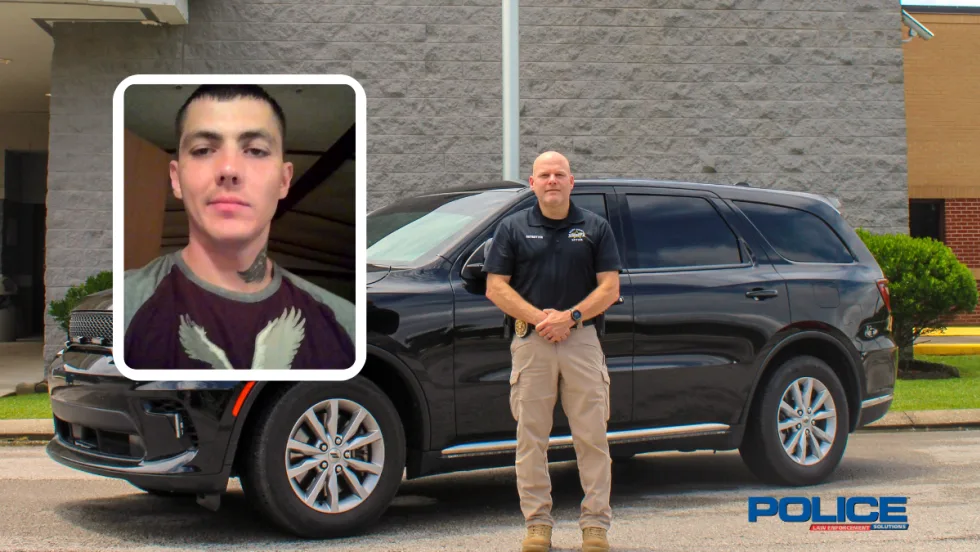
No Waiting: Detective Busts Missing Persons Myth
Detective David Lee Stephens wants the public and every law enforcement agency to know there is no truth nor logic to the widely held belief that one must wait 24 or 48 hours to report a missing person.
Read More →
Trump Issues Executive Order He Says Will Help Police Fight Crime
“My Administration is steadfastly committed to empowering State and local law enforcement to firmly police dangerous criminal behavior and protect innocent citizens,” Trump said.
Read More →NYPD Restricts Vehicle Pursuits to Suspects Wanted for Serious Crimes
The revamped policy, which takes effect Feb. 1, bars police from pursuing suspects for traffic infractions, violations or non-violent misdemeanors, police Commissioner Jessica Tisch said.
Read More →NYPD Going “Old School” with Uniform, Facial Hair Policy
“It’s absolutely ludicrous that you have an officer with pink hair and nails longer than their fingers,” one Manhattan officer said. “We’re a police department not a hip hop department. Let’s go back to being police officers.”
Read More →AZ POST Considers Revision to Marijuana Rules for Recruits
“My recommendation for your consideration is we go for a six-month window,” said Matt Giordano, executive director. “We would go to six months of the last use.
Read More →
Time to Change Our Pursuit Policies
Complicated guidelines that require officers to make decisions during the heat of the moment are not working.
Read More →Baltimore Police Complying with Key Consent Decree Requirements, DOJ Says
If the court grants the motion, BPD must maintain compliance with the provisions for one year before the court can terminate these sections of the consent decree.
Read More →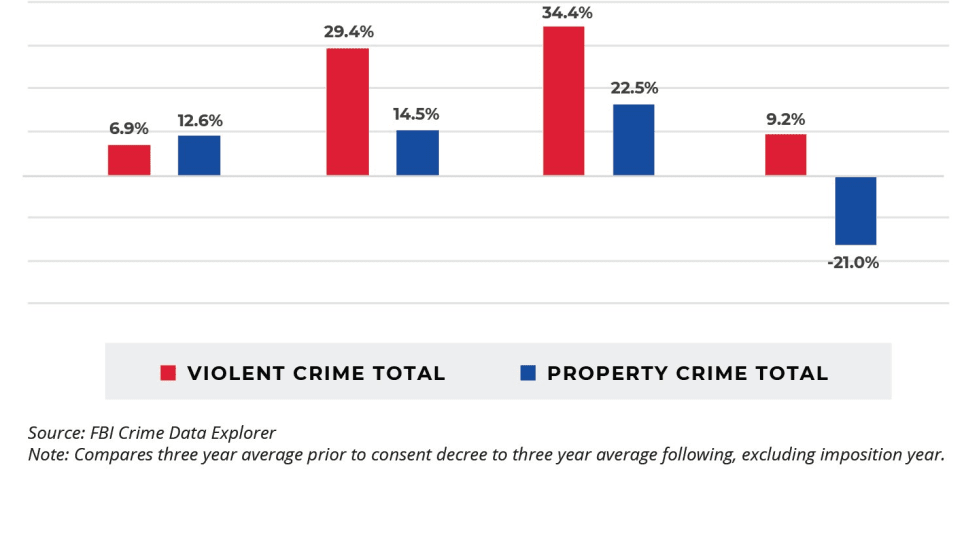
Study Finds Consent Decrees Onerous, Ineffective, and Often Harmful
The report concludes: “When a consent decree is truly warranted, it must focus on the most urgent concerns. The violations should be clearly identified and fully supported by rigorous evidence."
Read More →DOJ and Consent Decree Monitor Praise Albuquerque PD for Reforms
Monitors tracking civilian oversight, one of the largest remaining roadblocks in reaching full compliance, called it “a mess” that was being cleaned up, and advocates applauded the work done by the department to come so far, so fast.
Read More →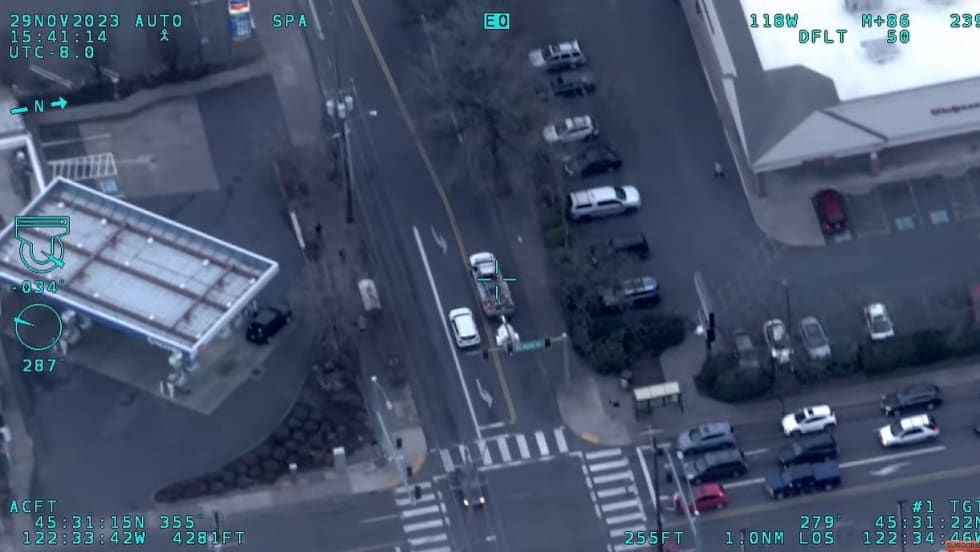
Portland Loosens Restrictions on Vehicle Pursuits
“We have seen a significant propensity for criminal suspects to elude traffic stops, often driving extremely dangerously despite no officers chasing them,” the Bureau said in a statement.
Read More →