



Mich. to End Mandatory Sentences for Drug Crimes
Karen Shook, a 49-year-old former bank teller who was sentenced to at least 20 years in prison in 1993 for arranging a drug deal, could be paroled 10 years early under legislation expected to be signed by the governor of Michigan within the next week to eliminate mandatory minimum sentences for drug crimes.

Karen Shook, a 49-year-old former bank teller who was sentenced to at least 20 years in prison in 1993 for arranging a drug deal, could be paroled 10 years early under legislation expected to be signed by the governor of Michigan within the next week to eliminate mandatory minimum sentences for drug crimes.
Michigan is one of several states revising its mandatory minimum sentences. Connecticut, Indiana, Iowa, Kansas, Louisiana, Missouri, North Carolina and New Jersey also are considering eliminating such rules, said Laura Sager, executive director of the Washington, D.C.-based Families Against Mandatory Minimums. State Department of Corrections officials don't know how many of Michigan's 49,296 inmates could be eligible for parole when the legislation take effect March 1. But supporters of the legislation said it will help alleviate the state's skyrocketing prison population. Critics of Michigan's mandatory minimum sentencing guidelines have spent years pushing for their revision, but some say the state's cash-strapped budget ultimately led to their elimination. The state, facing a $1.5 billion general fund deficit in the upcoming fiscal year, spends about $1.4 billion a year on its prison population, or an average $28,000 for each inmate a year, said Russ Marlan, spokesman for the Department of Corrections. Laurie Quick, Shook's sister, said her family didn't know about Michigan's strict sentencing guidelines until Shook was arrested. "It's been a nightmare," said Quick. "She has seen murderers and other convicted felons come and leave since she's been there. It's cruel." Although Michigan's proposed legislation make some offenders eligible for early parole, a decision about their release is ultimately up to the parole board. But drug offenders have the highest rate of parole at 72 percent, said Marlan. Nearly 62 percent of other nonviolent offenders receive parole when they are first eligible, followed by violent offenders at 40 percent and sex offenders at 15 percent, he said. The legislation requires judges to follow state sentencing guidelines when sending drug criminals to prison. But eliminating mandatory minimums will give them much more discretion. "The time had come to make the change," said David Morse, the Livingston County prosecutor. "The idea of stiff severe penalties for drug kingpins was a problem because we weren't getting those kingpins. We were getting people who were carrying on behalf of kingpins." Under the current law, Michigan judges are only allowed to deviate from the mandatory minimum guidelines because of extraordinary circumstances. Under current law, someone possessing 50 to 224 grams of narcotics or cocaine in Michigan must be sentenced to at least 10 years and up to 20 years in prison. The bills would eliminate the 10-year minimum, allowing the judge to sentence an offender for any time up to 20 years.
More Special Units

New K9 Decontamination Protocol Launched
A new K-9 protocol from the SoRite Company gives law enforcement agencies a standardized rapid-response framework to decontaminate K-9s, their handlers, and police vehicles, from dangerous narcotics.
Read More →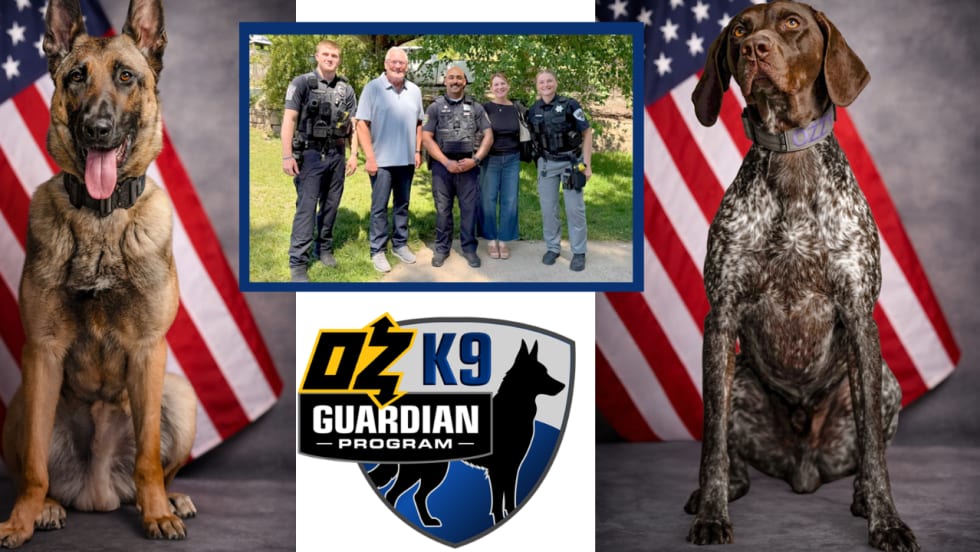
OZ Lifting Doubles Impact of K9 Guardian Program
In response to the positive impact the program has had on local communities. OZ Lifting Products has expanded its K9 Guardian Program by committing to fund a second police dog each year.
Read More →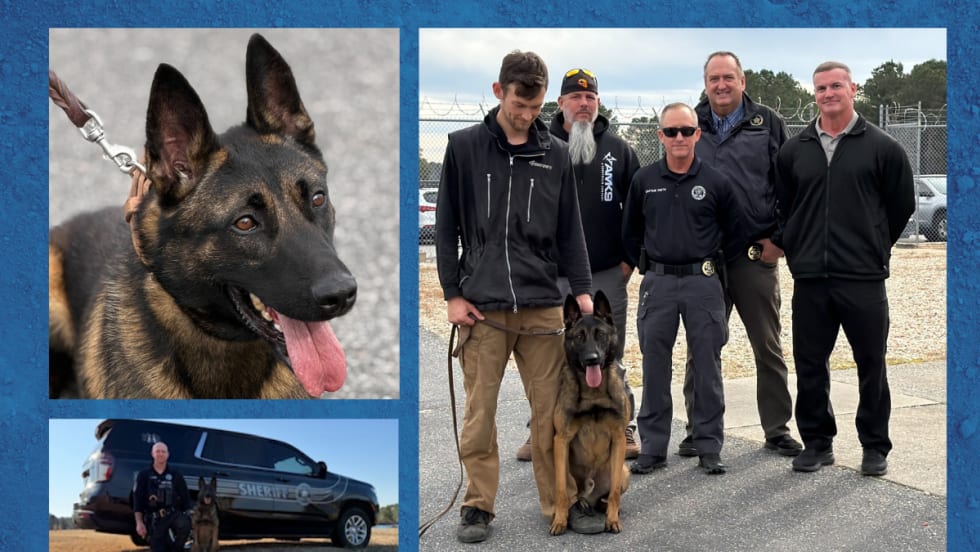
Constellis’ AMK9 to Donate K9 Officer to Currituck County Sheriff’s Office
AMK9 will donate a fully trained K9 officer to the Currituck County Sheriff’s Office K9 Unit. DAX, a 20-month-old Belgian Malinois, joined his new handler and has begun training at the Constellis Training Center.
Read More →
Ohio’s Statewide Drone First Responder Program to Take Flight
Over the next two years, the Ohio DFR Pilot Program will equip municipalities with advanced drone systems, deliver comprehensive training for first responders, and enable FAA-approved Beyond Visual Line of Sight operations.
Read More →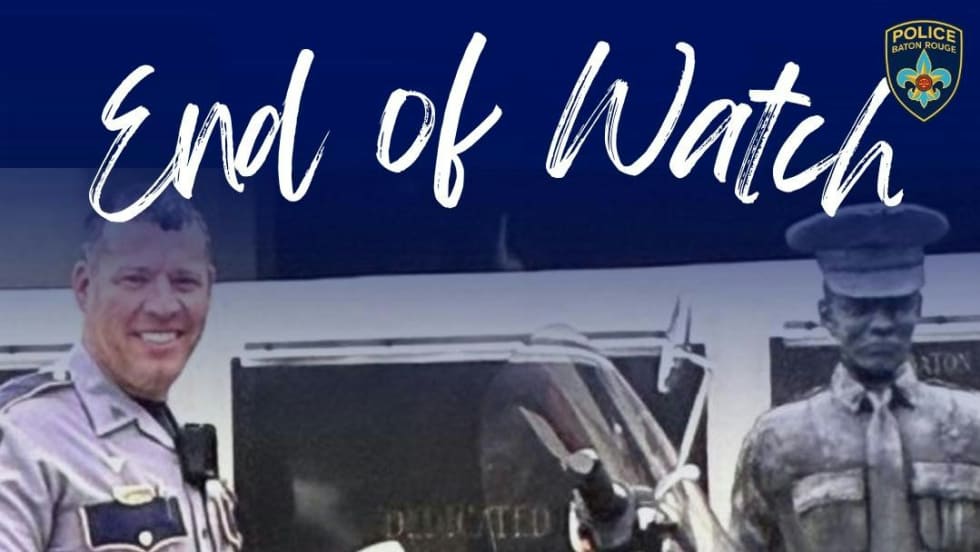
Louisiana Motor Sergeant Dies from Injuries Suffered in June “Intentional” Crash
A motor officer, Sgt. Caleb Eisworth was on his way to participate in a funeral escort when he was struck by another vehicle.
Read More →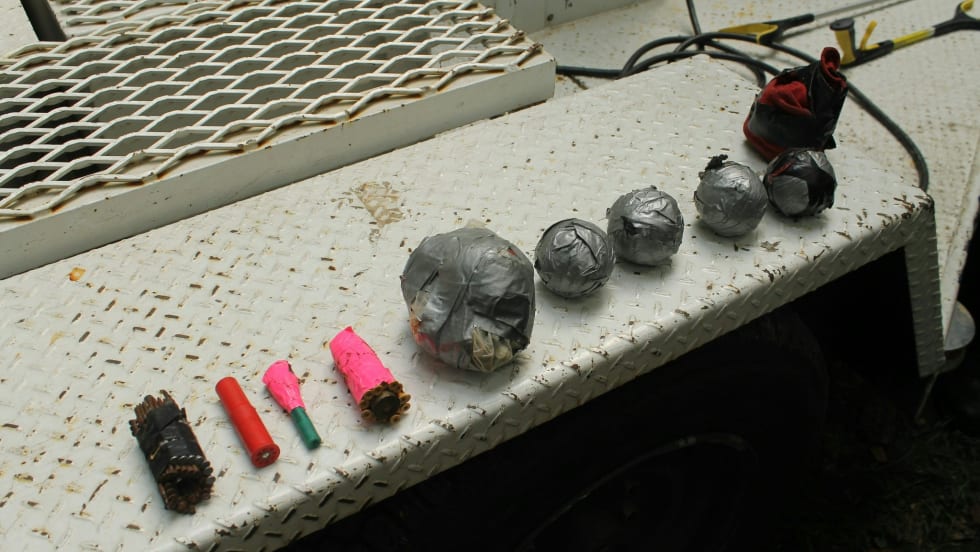
Tennessee Officers Say Man Tried to Detonate IED During Arrest
Inside the bedroom officers found what they believed to be an IED. The officers evacuated the house and called for the Chattanooga Police Bomb Squad and ATF agents.
Read More →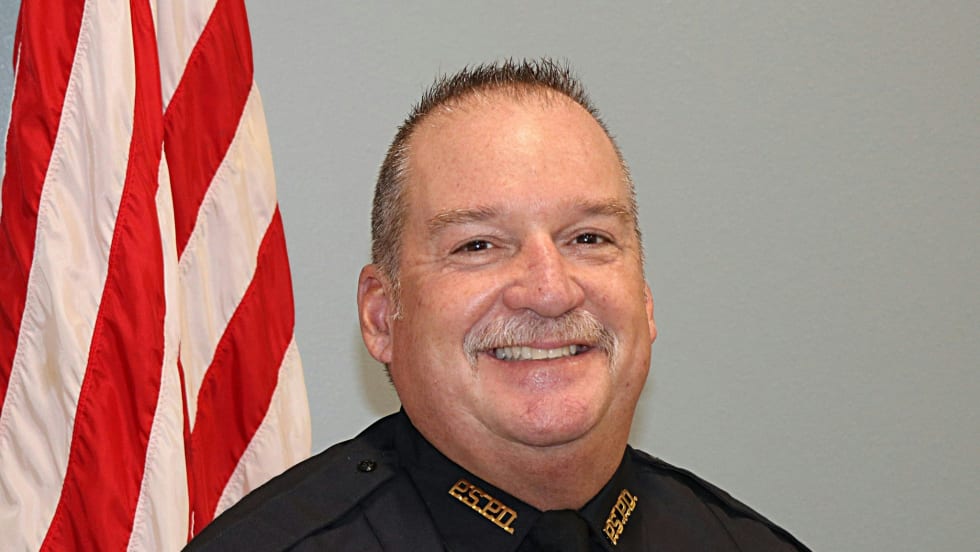
Florida School Officer Dies After On-Duty Medical Emergency
Sergeant Greg Graff was “preparing school leaders for the upcoming year during a safety training program at Clearwater High School,” the school district said.
Read More →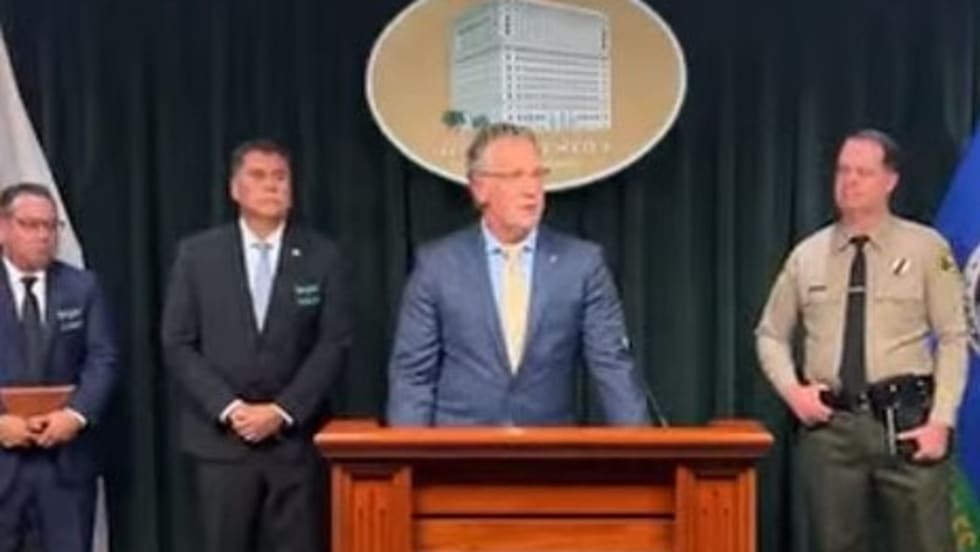
Grenade is Missing from Explosion That Killed 3 LASD Deputies
ATF Special Agent in Charge Kenny Cooper said definitively that only one grenade detonated at the facility on July 18.
Read More →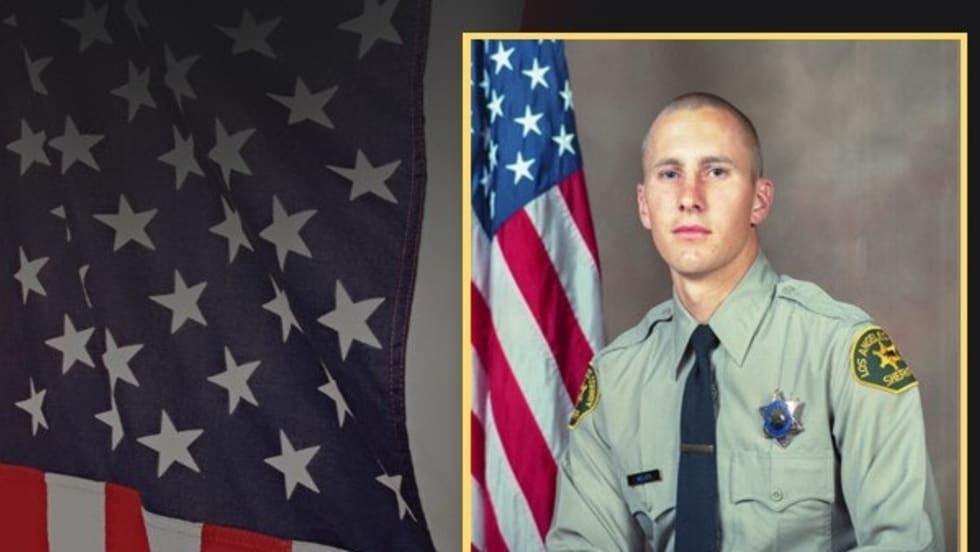
Los Angeles County Sheriff's Department Names Deputies Lost in Friday Explosion
LASD said Detective Joshua Kelley-Eklund, Detective Victor Lemus, and Detective William Osborn who were all assigned to Special Enforcement Bureau’s Arson Explosives Detail were killed in the incident.
Read More →
Maryland State Police Helicopter Rescues Victim from Overturned Boat in Chesapeake Bay
The Maryland State Police Aviation Command Trooper 7 crew, the MSP helicopter based in California, Maryland, were monitoring the county dispatch radio, overheard the dispatch, and self-launched.
Read More →