



Cleveland Police Union Calls for Chief To Resign
The Cleveland patrolman's union called for the resignation of Chief Mark McGrath over the administration's response to a November pursuit shooting, union leaders said at a Wednesday press conference.

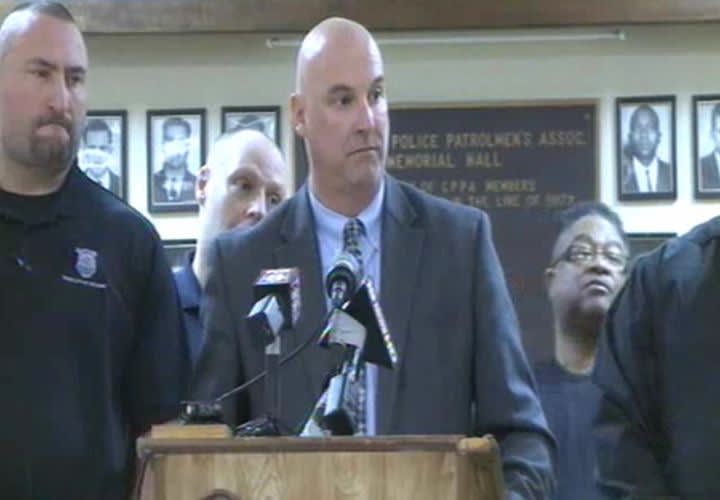
Jeffery Follmer, president of the Cleveland Police Patrolman's Association, addresses the media. Screenshot via WKYC.
The Cleveland patrolman's union called for the resignation of Chief Mark McGrath over the administration's response to a November pursuit shooting, union leaders said at a Wednesday press conference.
The Cleveland Police Patrolman's Association called the press conference to answer Ohio Attorney General Mike DeWine's indictment of the agency's response to the Nov. 29 chase that led to the deaths of two unarmed suspects in a hail of circular police gunfire.
"Right now, morale is at an all-time low," said Jeffery Follmer, the association's president. "Our members no longer have the confidence in the chief's ability to lead. We're requesting that he resign."
DeWine released the findings Tuesday from a panel's investigation of the deadly pursuit that faulted the agency's communication system and criticized officers for joining the pursuit without first obtaining permission from a supervisor. Commanders overseeing the pursuit were also singled out.
More than 60 police vehicles from several agencies participated in the 20-minute pursuit that ended at Heritage Middle School in East Cleveland. Seven Cleveland officers from 13 patrol cars cornered suspects Malissa Williams, 30, and Timothy Russell, 43. Officers fired 137 rounds at Williams and Russell, who were killed.
The pursuit began when Russell fled from a traffic stop.
"That pursuit that took place and the deadly force that followed could have been avoided if the suspects had just stopped," Follmer said Wednesday. "Timothy Russell and Malissa Williams chose not only to endanger their own lives but that of the public."
Officers interviewed as part of DeWine's probe said they feared for their lives and believed one or both of the suspects were armed. Officers cornered the suspects in a parking lot and began firing when Russell nearly struck an officer and rammed a patrol car with 1979 Chevrolet Malibu SS.
Police rounds also struck patrol cars responding to the scene, according to DeWine's report.
One question the report didn't answer was whether Russell was armed. In radio dispatch traffic, several officers reported seeing him with a gun or hearing what they thought were gunshots. However, no weapon was recovered from the Malibu. Russell and Williams tested positive for gunshot residue on their hands; however, the report concluded those results were inconclusive.
Follmer said the agency's antiquated radio system kept officers from getting information during the pursuit. He also said agency training and equipment is lacking. Cleveland officers aren't trained to use the PIT maneuver, and the department only has 13 spike strips, many of which are broken.
More than 1,600 sworn Cleveland police personnel now patrol a jurisdiction of 478,000 residents.
More Training
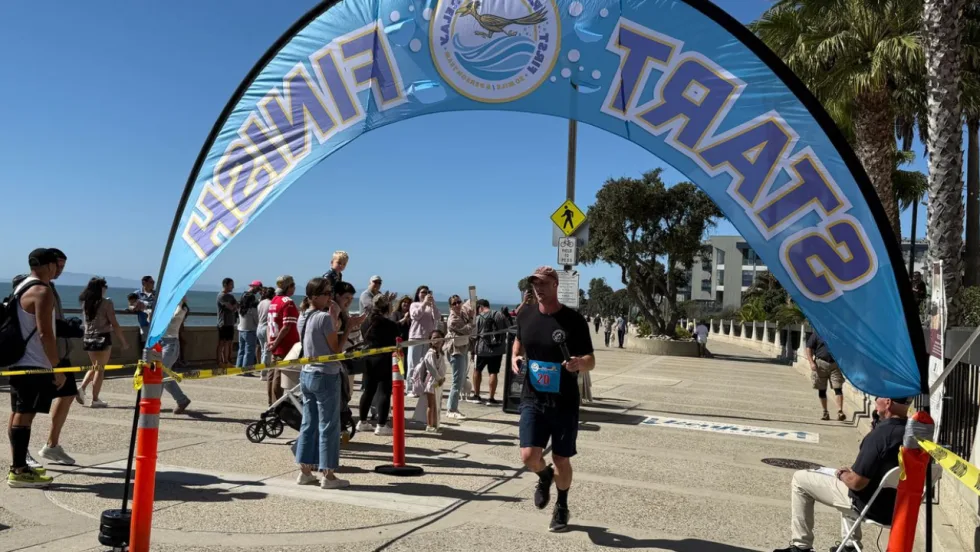
Registration Underway for Sixth Annual First Responders Relay
The California Police Athletic Federation’s annual First Responder Relay will welcome first responder teams from across the globe to compete along Ventura's scenic coastline on Oct. 11. Registration is underway.
Read More →
Vector Solutions Launches Comprehensive Online Dispatch Training Catalog for Emergency Communications Professionals
Vector Solutions’ new catalog of 35 expert-developed online courses can help emergency communication centers strengthen training, meet certification requirements, and simplify continuing education.
Read More →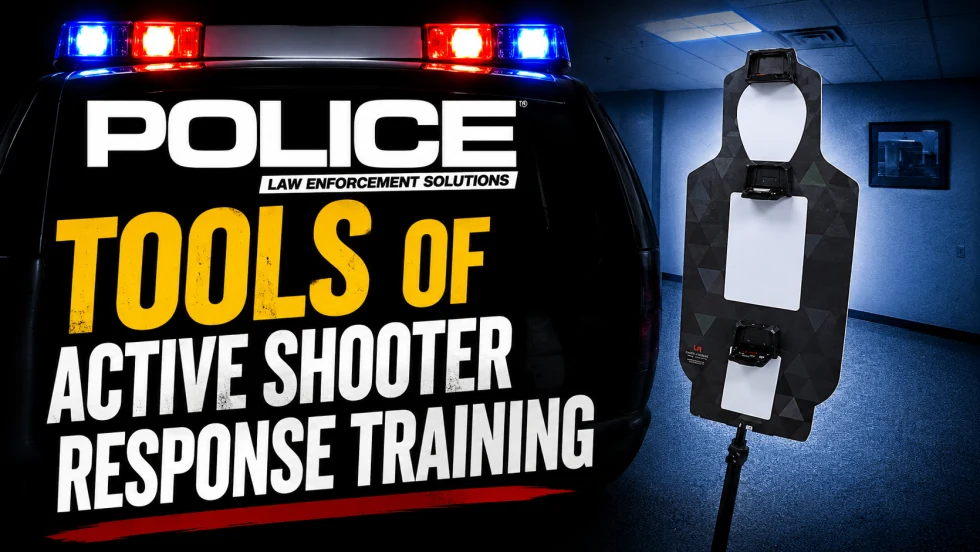
Tools for Active Shooter Response Training
What technologies help prepare officers for active shooter response situations? This behind-the-scenes look at law enforcement training explores shot simulators, smart firearms, laser target systems, and the tools used to build safer, more effective training environments.
Read More →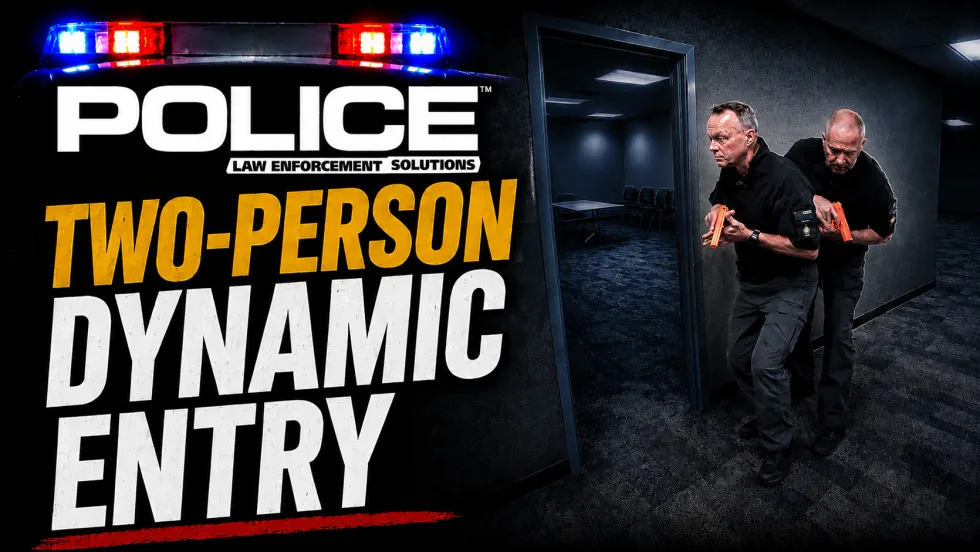
Two-Officer Tactical Doorway Entry Techniques
Entering a room during active-threat situations requires communication, coordination, and disciplined tactical movement. In this video, trainers from the United States Deputy Sheriff’s Association demonstrate critical room entry concepts, including fatal funnel awareness, team coordination, and safe tactical movement.
Read More →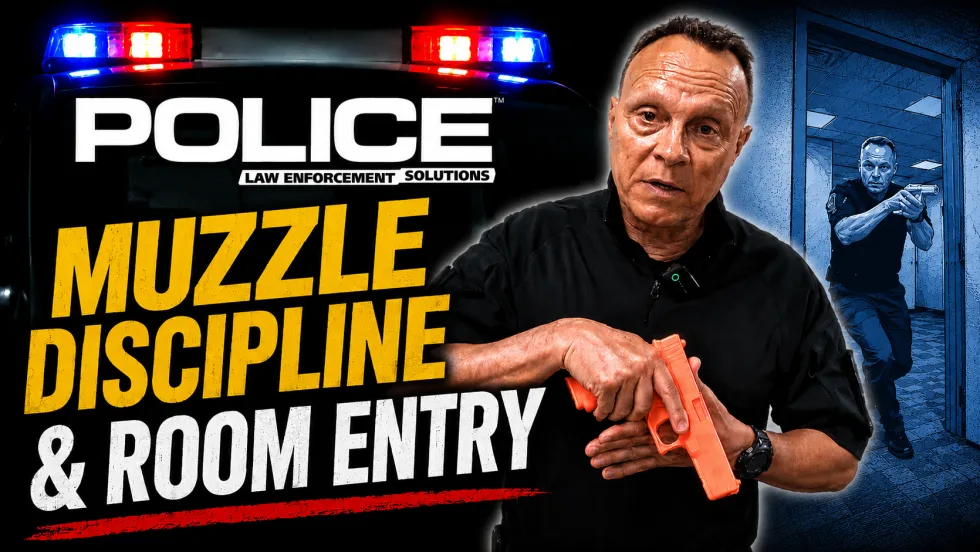
High Compressed Ready Explained | Muzzle Control For Room Entry
In this video, Mike Willis, law enforcement national training and program director for the United States Deputy Sheriffs’ Association, demonstrates the high compressed ready position and discusses muzzle control during room entry.
Read More →
Why Attend the DroneSense Innovation Summit by Versaterm?
Let’s hear from Ryan Bracken, head of product, about why your agency should send someone to the first annual DroneSense Innovation Summit by Versaterm in April.
Read More →
Caswell Live Fire Spins Off from InVeris
Caswell Live Fire has spun off from parent company InVeris, coinciding with the 100th anniversary of Caswell’s founding. Over the past 100 years, Caswell has developed pioneering solutions that support military, law enforcement, and commercial clients worldwide.
Read More →
When Do You Transport a Wounded Officer Instead of Waiting for EMS?
Thumbnail for video series POLICE Topics, Tactics & Tips with a yellow headline that reads When Do You Transport a Wounded Officer Instead of Waiting for EMS?
Read More →
How to Pick Your High-Risk Stop Location for Tactical Advantage
Hear veteran trainer Mike Willis, of the United States Deputy Sheriff’s Association, explain several considerations that can help you wisely pick your best spot to initiate high-risk or felony traffic stops.
Read More →
Coffee Break with Police Experts: Using Your Patrol Vehicle for Cover
In this video, hear from Dustin Mowery, a product specialist at Team Wendy, as he discusses how to best use a patrol vehicle for cover.
Read More →