



Battle Lines Forming Over Public Access to Videos from LAPD Body Cams
At two recent community meetings on the body camera issue, police commissioners and top brass heard from residents who questioned why the public would not get to see the footage. Many said that by withholding the recordings from the public, the department would undermine the transparency and officer accountability touted by proponents.

The Los Angeles Police Department is about to outfit every officer with a body camera that will record their interactions with the public. Officials say the 7,000 cameras will help bring clarity to controversial encounters, guard against officer misconduct and clear cops accused of wrongdoing. However, these recordings are unlikely to be made public. And in this era of YouTube, that doesn't sit well with some residents.
Although the LAPD's policy has yet to be finalized, Chief Charlie Beck said the department doesn't intend, in general, to release the recordings unless required by a criminal or civil court proceeding. The LAPD considers the recordings evidence, he said, investigative records exempt from public release under California's public records law.
At two recent community meetings on the body camera issue, police commissioners and top brass heard from residents who questioned why the public would not get to see the footage. Many said that by withholding the recordings from the public, the department would undermine the transparency and officer accountability touted by proponents, the Los Angeles Times reports.
"If there's going to be video footage," Topanga resident Julie Levine told the Police Commission, "that footage should be available to both sides, so we can have an equal playing field."
The audience clapped.
However, experts say there are legitimate privacy concerns — such as when officers enter someone's home or when minors are recorded — police must take into account.
At the public meeting in Canoga Park, Police Commission President Steve Soboroff said he believed it was possible to strike the right balance and protect the rights of people on both sides of the camera.
"This is not for YouTube. This is not for TMZ," he said. "This is for maintaining the city's safety. This is for protecting people's constitutional rights and their rights to privacy."
More Technology

A police agency's guide to data-driven fleet management
Costs are rising and the public expects more transparency into how their tax dollars are spent. This e-book shows how police agencies can use fleet data to take control of fleet expenses while improving officer safety and demonstrating fiscal responsibility to the communities they serve.
Read More →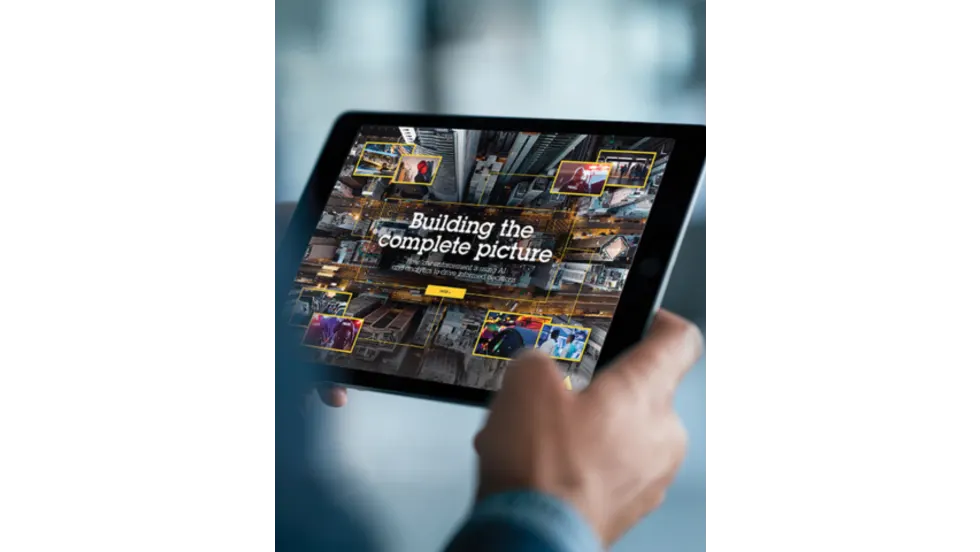
AI and analytics for law enforcement: Turning data into insights
Law enforcement agencies are managing more video, sensor data and digital evidence than ever before. Discover how AI and analytics can help turn that data into actionable insights that strengthen situational awareness, accelerate investigations and support more informed decisions.
Read More →
Vasco Electronics Adds Automatic Language Detection to Vasco Translator Q1
Vasco Electronics’ software update introduces hands-free language switching and expanded offline translation across 45 language pairs, empowering law enforcement, healthcare, and front-office enterprise teams
Read More →

North Miami Police Department Deploys Mark43
The North Miami Police Department has deployed Mark43 as part of its Five-Year Strategic Plan that represents its collective vision and goals for a more proactive police department, anchored by a core commitment to leveraging modern technology to enhance efficiency and public safety.
Read More →
Cellebrite Genesis for Enterprise Now Generally Available
Made available to the public sector in June, Cellebrite Genesis is serving a growing mix of national, regional, and local agencies worldwide, including some of the largest regional and metropolitan police departments. It is now available for enterprise organizations.
Read More →
2026 Vision FirstNet Users Summit to Host Emerging Leaders Training on Grassroots Advocacy for Public Safety
“Emerging Leaders Training: Understanding the Importance of Grassroots Advocacy for Public Safety," a session during the 2026 Vision FirstNet Users Summit, will offer a roadmap for unified advocacy at the federal level.
Read More →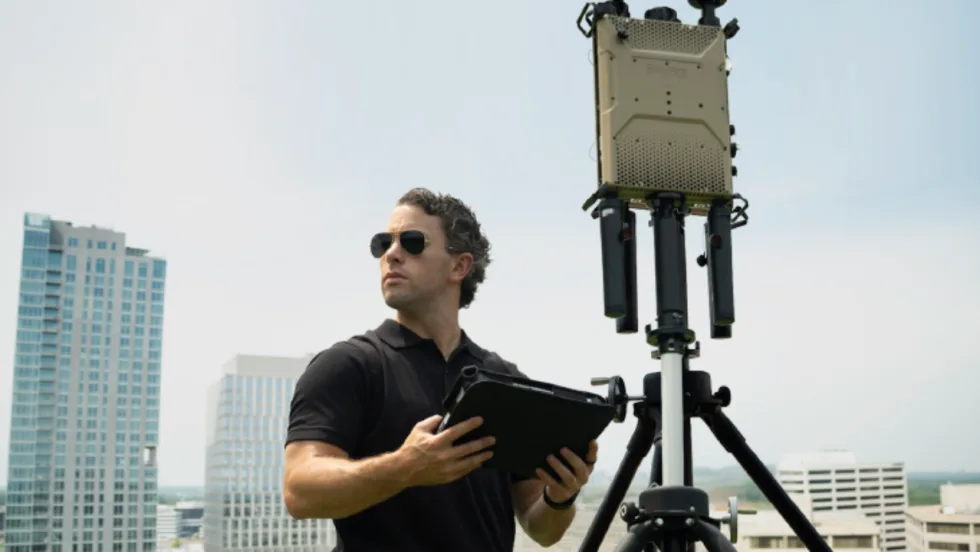
Motorola Solutions Completes Acquisition of D-Fend Solutions
Motorola Solutions has acquired D-Fend Solutions, an industry leader in counter-drone technology. This deal provides public safety and enterprise customers with access to advanced counter-unmanned aerial systems.
Read More →
ZeroEyes, Advantech & Camden Police Partner to Bring AI Gun Detection Technology to Delaware School District
ZeroEyes has partnered with Advantech and the Camden Police Department to deploy ZeroEyes’ AI gun detection and intelligent situational awareness platform at Delaware’s Caesar Rodney School District (CRSD).
Read More →
Leonardo U.S. Cyber & Security Solutions Introduces SignalTrace, the Next Evolution in Electronic Signature Detection Technology
SignalTrace reflects years of product refinement and a clearer expression of the technology’s purpose of recognizing and correlating electronic signatures in publicly broadcast wireless signals to reveal patterns, relationships, and trends that might otherwise go undetected.
Read More →
Pimloc Launches Secure File Sharing to Streamline Release of Redacted Video
Pimloc’s Secure File Sharing lets organizations deliver redacted video, audio, and documents through expiring, passcode-protected links, accelerating delivery while reducing security, compliance, and chain-of-custody risks.
Read More →