



Ashcroft Faces Senate Hearing
WASHINGTON - The Senate Judiciary Committee will question Attorney General John Ashcroft's actions in prosecuting the war on terrorism and protecting the public.

WASHINGTON - The Senate Judiciary Committee will question Attorney General John Ashcroft's actions in prosecuting the war on terrorism and protecting the public.
Tomorrow's hearing will be the third in three days dealing with the Justice Department's actions since the terrorist attacks.
These hearings hint at a shift in the political landscape in Washington. The near-total support of the Bush administration's antiterrorism tactics is giving way to growing criticism.
Polls show a significant drop in the public fears about terrorism. This shift may diminish the desire for complete political unity - and embolden critics to question members of Bush's team.
As fear lessens, "There's a complacency factor that's settling in," says Marshall Wittmann, a congressional analyst at the Hudson Institute in Washington.
That means partisanship is resurrecting itself on Capitol Hill. Furthermore, Ashcroft himself, "has become the clear face of hard-core conservatism" for some Democrats, "and that has fueled opposition to him on civil liberties and other issues," says Mr. Wittmann.
The debate centers on two issues: whether the tactics used by the Justice Department are too draconian - and whether Ashcroft's team has done too little consulting with Congress.
The attorney general has faced mounting criticism over several issues: asking Arab-American men to submit to voluntary interviews, listening to conversations between terrorism suspects and their lawyers, and not revealing information about some 1,000 people detained since Sept. 11.
Some observers say senators - including Judiciary Committee Chair Patrick Leahy (D) of Vermont - are whining about being left out of the law enforcement loop.
Others counter that an important constitutional issue is at stake. "This isn't just about Congress complaining: It's about the Constitution, which sets up three branches of government," says Neal Katyal, a law professor at Yale University in New Haven, Conn. Having Congress play its role as a check on the executive branch is crucial, he says.
Bush supporters say that swift executive action is required in a time of war. And the public largely agrees. A recent Gallup poll showed that 60 percent of Americans think the administration's approach to civil liberties is "about right."
Still, the lessening of public concern about a new terrorist attack could eventually lead to a shift in public attitudes about how heavy-handed the government should be. Gallup reports that 35 percent of Americans are worried that they or someone in their family will be a victim of terrorism. That's down from 59 percent in the wake of the October anthrax attacks - and it roughly matches pre-Sept. 11 levels.
Recently on Capitol Hill lawmakers who have been only quietly criticizing the administration have grown bolder. Ashcroft's appearance tomorrow follows two Senate hearings Tuesday - one that looked into the Justice Department's detentions and another on military tribunals. "The attorney general is going to face questions on detainment and on tribunals," one Hill staffer says. "But I wouldn't say the issue for the committee now is that DOJ is overreaching ... but that the administration is acting unilaterally."
The question now is whether the criticism arising around Ashcroft stays contained or spreads to other areas of the administration's war effort.
More Vehicle Ops
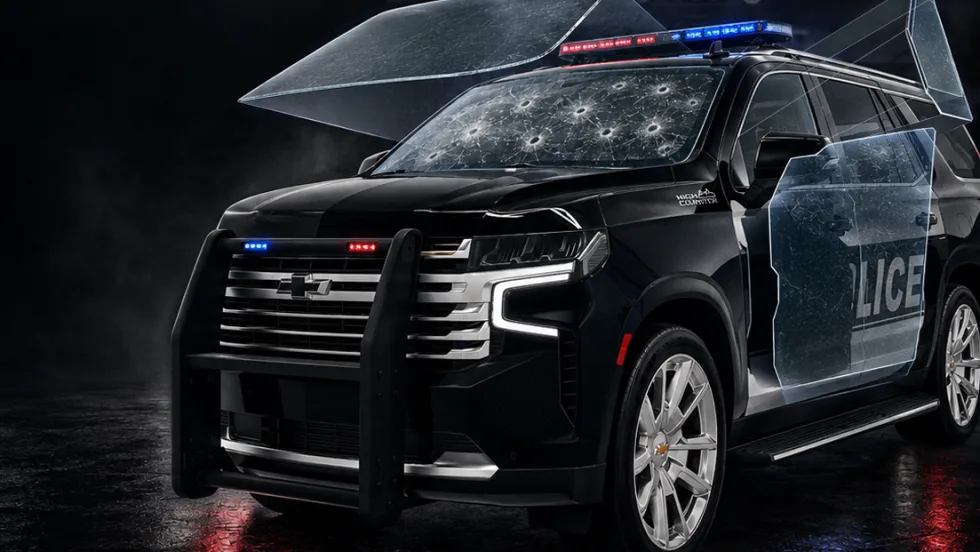
It’s an Ambush: How Ballistic Glass Redefines Patrol Vehicle Safety
Dana Safety Supply is setting a new standard for officer safety with windshields capable of withstanding multiple rounds and saving lives — and one Texas deputy is living proof.
Read More →
Dana Safety Supply’s BallisTech Vehicle Armoring Solutions
Dana Safety Supply is setting a new standard for officer safety with windshields capable of withstanding multiple rounds and saving lives.
Read More →
Ford Showcases 2028 Ford Expedition Police Responder
Ford showcased its 2028 Ford Expedition Police Responder, a full-size, pursuit-rated utility vehicle, at Police Fleet Expo this week. It comes standard with 4x4 and a 3.5-liter EcoBoost V6 producing 400 horsepower and 480 lb.-ft. of torque.
Read More →

Pickups on Patrol: Understanding the Vehicle Dynamics
Pickup trucks are not new to patrol duties, but with the debut of the 2027 Ram 2500 Emergency Response Vehicle, they are getting larger and heavier. POLICE reached out to the Michigan State Police Precision Driving Unit to learn more about pickup truck handling, vehicle dynamics, and what officers need to know.
Read More →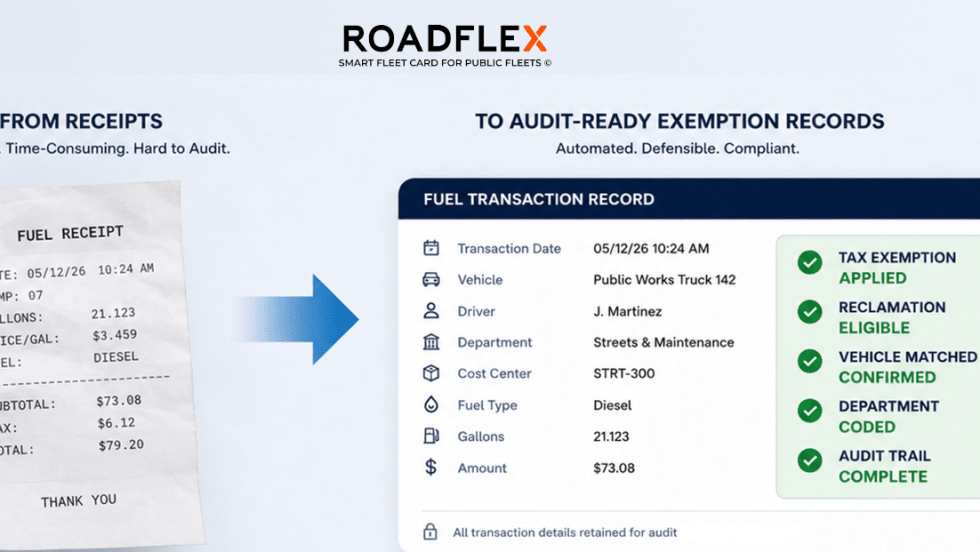
RoadFlex Brings Fuel Tax Compliance & Audit-Ready Reporting to Government Fleets
RoadFlex now offers its capabilities to help public-sector fleets streamline fuel tax exemptions, reclamation, reconciliation, and audit-ready reporting.
Read More →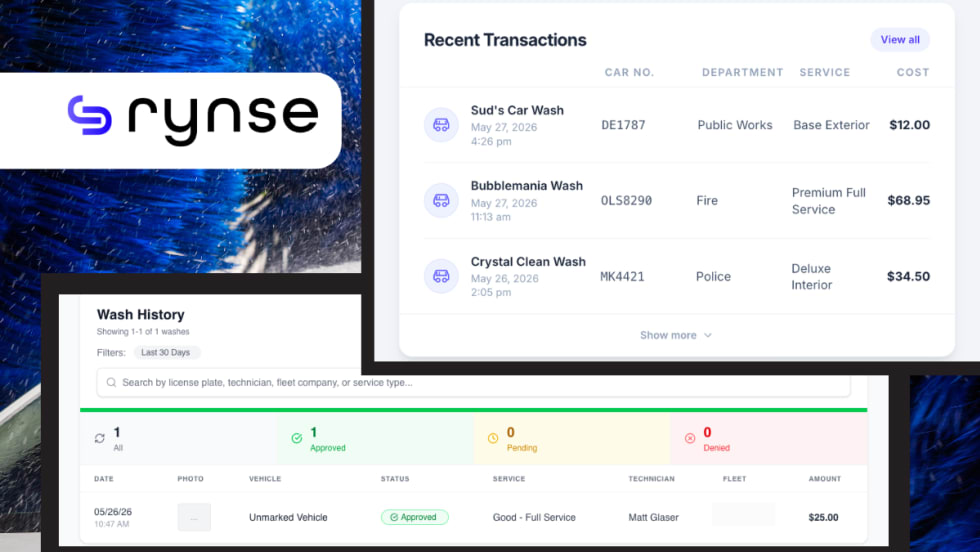
Rynse Awarded Cooperative Purchasing Contract, Expanding Nationwide Fleet Wash Access for Law Enforcement
Rynse has secured a 2026-2027 NCSA contract, giving law enforcement agencies nationwide fast-track access to its fleet wash network and management platform, which streamlines procurement, reduces administrative burdens, and helps fleets stay road-ready with greater oversight.
Read More →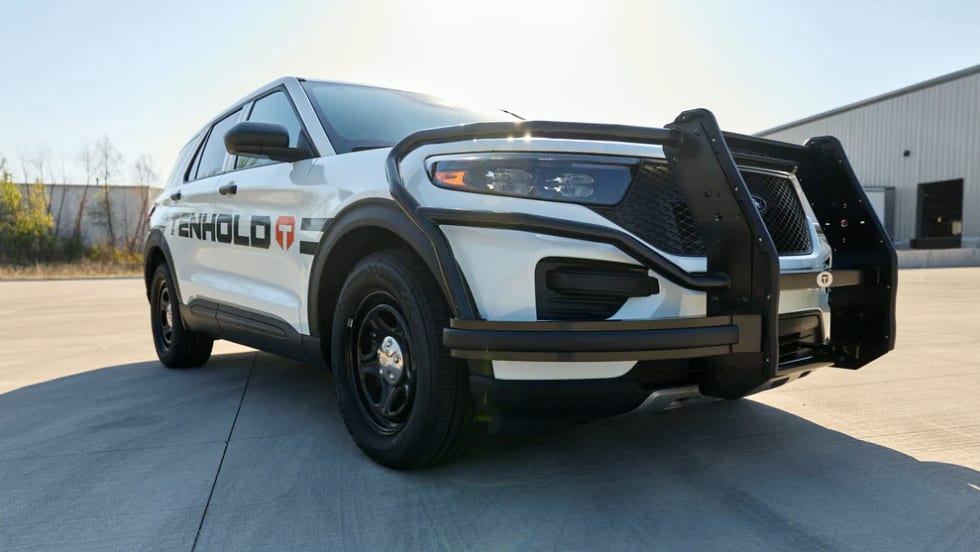
Tenhold Introduces Suppressor Gun Rack System
Tenhold, formerly Jotto Desk, provides next-generation vehicle systems for law enforcement and public safety and recently debuted its Suppressor Lock Head for its Weapon Mounting system.
Read More →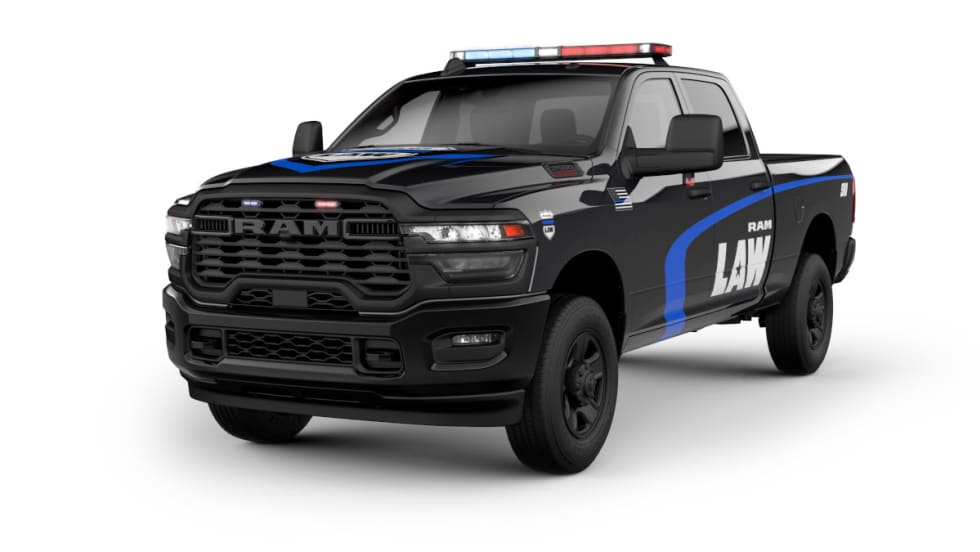
Ram Debuts Pursuit-Capable 2500 Emergency Response Vehicle
The 2027 Ram 2500 Emergency Response Vehicle is the first and only ¾-ton truck to complete the Michigan State Police vehicle trials, and Ram said it delivered outstanding performance in testing scenarios designed to replicate extreme real-world duty.
Read More →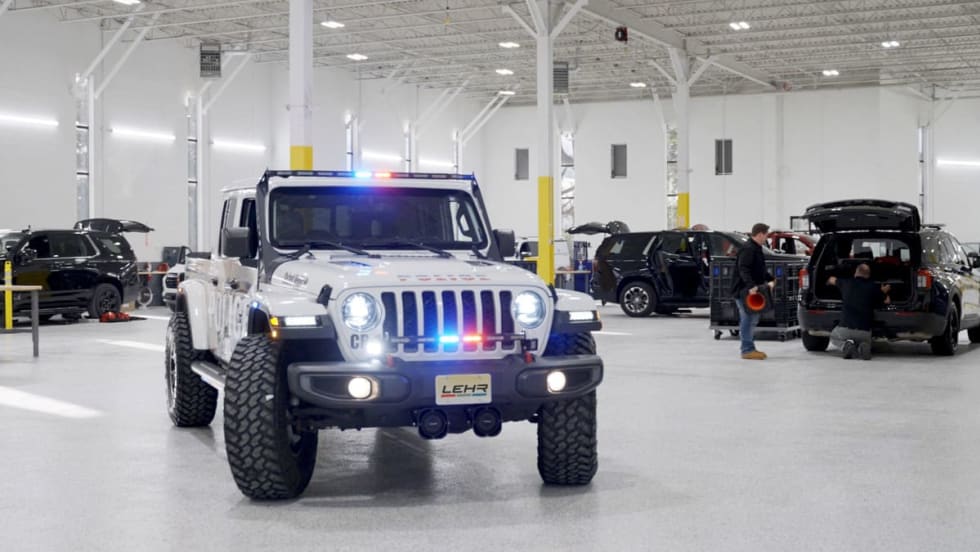
Emergency Vehicle Upfitter LEHR Opens New Facility in New Jersey
LEHR’s new centralized upfitting facility in New Jersey consolidates operations to deliver faster turnaround times and enhanced fleet capacity for law enforcement agencies across the Northeast.
Read More →
North Carolina Sheriff’s Office Improves Fueling Reliability & Operational Control
The Madison County Sheriff’s Office overcame fuel management and accounting challenges by turning to RoadFlex to improve fueling reliability, visibility, and administrative control.
Read More →