
Police Magazine

 MENU
MENU SEARCHMENUSEARCH
Brown never surrendered with his hands up, and Wilson was justified in shooting Brown.
Read More →
"It was a classic example of what Force Science teaches about how shots often end up in the back," he notes. "An officer decides to shoot when he is facing a deadly threat, as McMillin was. But by the time the bullets impact, the suspect has begun to turn in flight, and the rounds strike in the back. With action and reaction times, it's unavoidable."
Read More →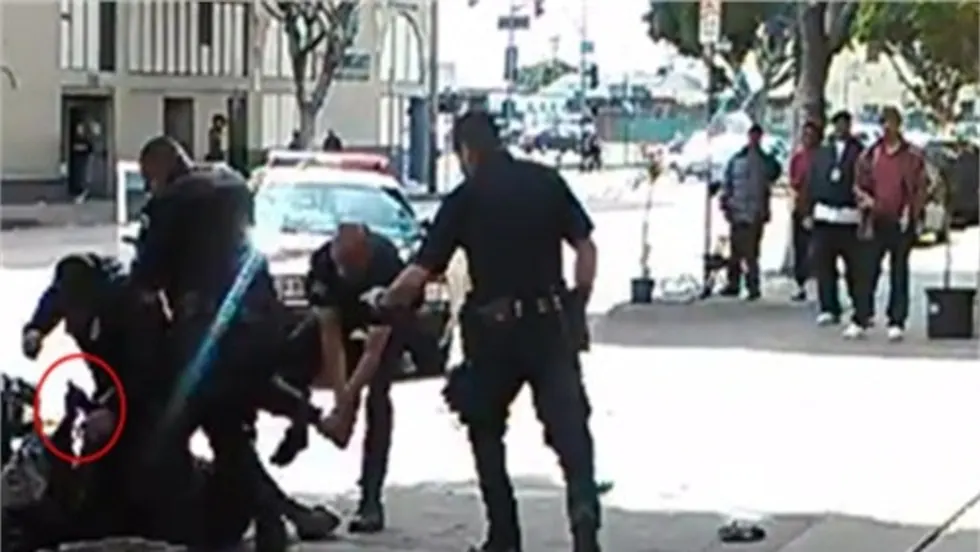
According to the FBI, since 2000, at least 57 police officers have been killed by their own weapons, which were taken away and used against them by suspects. So, again, the answer to the unnamed writer in the Times question is simple: if you take or attempt to take an officer's weapon, expect the officer to defend themselves.
Read More →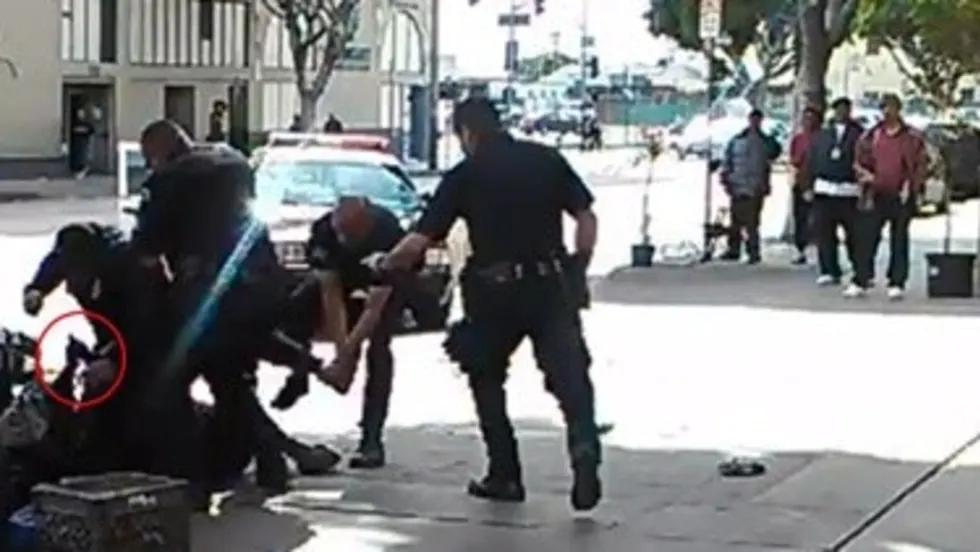
According to the FBI, since 2000, at least 57 police officers have been killed by their own weapons, which were taken away and used against them by suspects. So, again, the answer to the unnamed writer in the Times question is simple: if you take or attempt to take an officer's weapon, expect the officer to defend themselves.
Read More →Ballistic armor is designed to absorb a bullet's energy on impact, slowing the bullet, and flattening it to stop penetration.
Read More →You know the scene: It’s a tense situation. A cop enters a room searching for a perp. He then makes a show of “racking” a service weapon, or putting a round in the chamber. The thing is, no cop would do that during this point in a call.
Read More →Pulling data from law enforcement records can be difficult, which is why an analytics software platform could be key to promoting relationships with the community. With a map-based tool, agencies can analyze their crime and calls-for-service data to create geographical profiles to see where crimes are being committed and reported. With these profiles, agencies can better see where officers need to be more visible and to interact with the community as a crime prevention tactic.
Read More →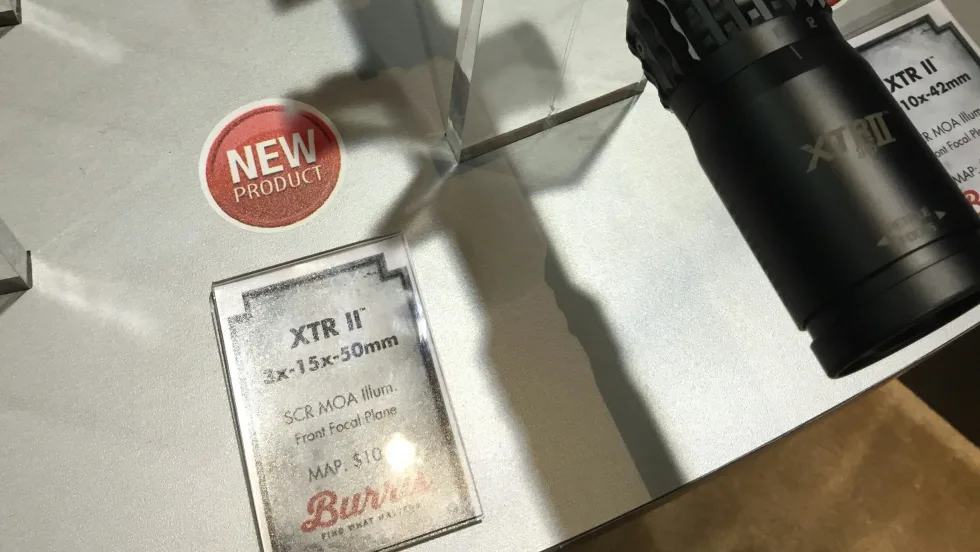
It doesn’t seem to be a “year of the gun” but more of a “year of the gun stuff,” as many of the firearms manufacturers seem to be circling the wagons a bit and simply giving some of their biggest hitters a facelift. That isn’t to say there aren't a few standouts, though.
Read More →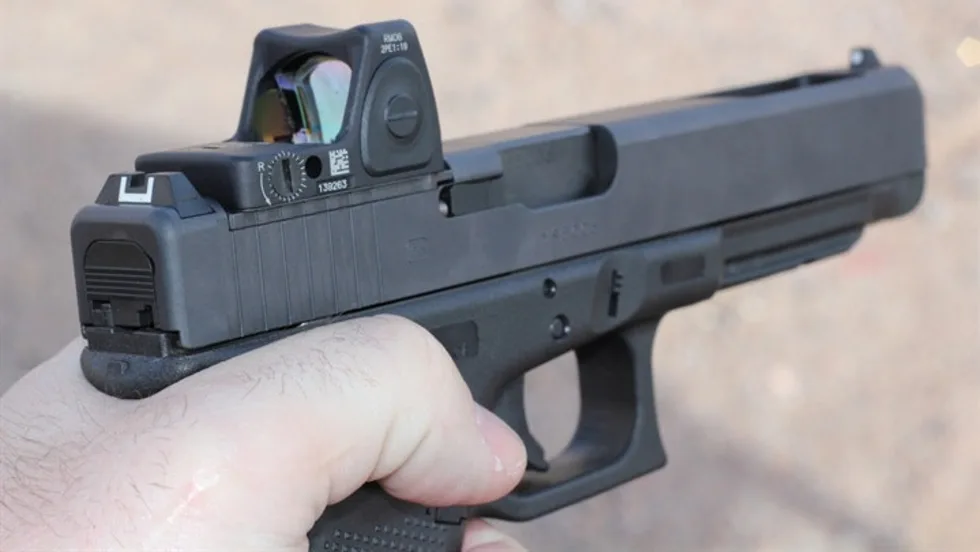
The biggest challenge for me was to narrow down those firearms and products that are applicable to law enforcement and try to keep my eye from wandering to those I think would just plain be fun to shoot!
Read More →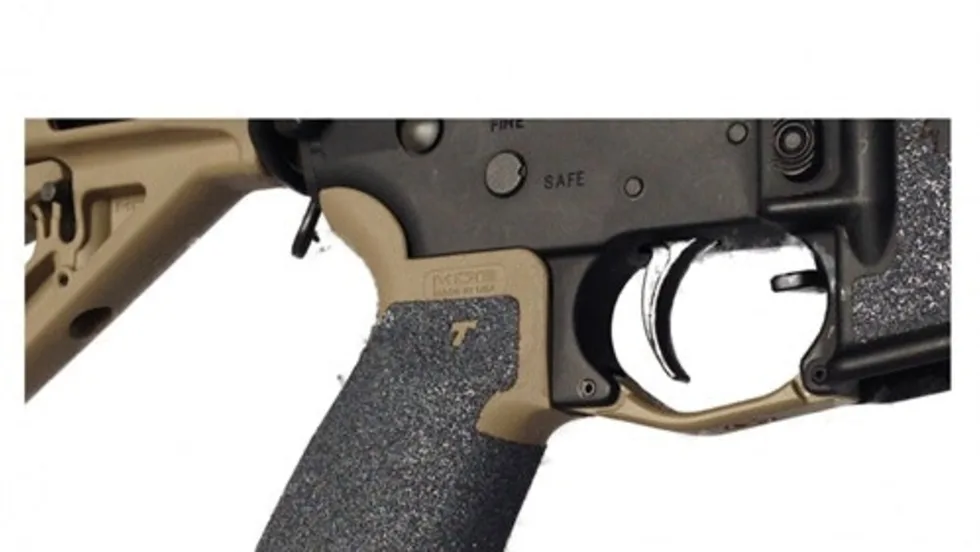
After some trial and error, the company's founder began producing laser-cut grip panels that not only fit perfectly but also provide a fantastic grip surface that is impervious to grease and sweat.
Read More →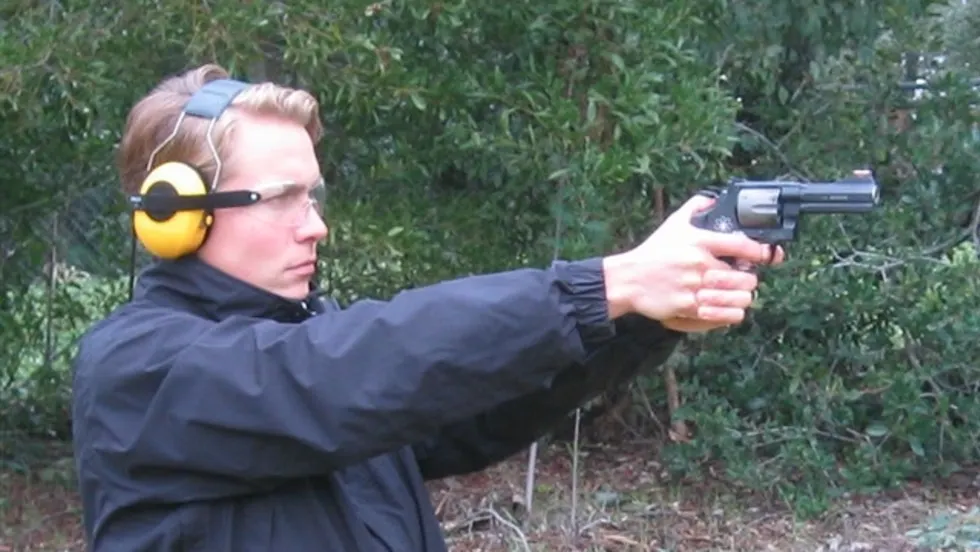
One of my biggest frustrations is the sound intrusion that occurs because of my sunglasses when wearing earmuffs. FullPro Protective Gear has a solution called Sound Vision that eliminates this annoying problem completely.
Read More →
It was not the police and police supporters turning our backs on the mayor but the very presence of de Blasio, a self-righteous hypocrite, who dishonored the heroism and ultimate sacrifice of Liu and Ramos with his presence.
Read More →