



The SWAT Approach to Searches and Raids
Basic search and raid principles remain essentially unchanged since Sun Tzu wrote “The Art of War” more than 2,000 years ago. Sir Robert Peel’s London Bobbies conducted searches and raids for criminals in the 1800s about the same way we do them now. And today, basic “hammer and anvil” (entry and containment) principles are universal. There have been some refinements, however. SWAT has created its own unique strategies and tactics, which vary among teams.

Basic search and raid principles remain essentially unchanged since Sun Tzu wrote “The Art of War” more than 2,000 years ago. Sir Robert Peel’s London Bobbies conducted searches and raids for criminals in the 1800s about the same way we do them now. And today, basic “hammer and anvil” (entry and containment) principles are universal.
There have been some refinements, however. SWAT has created its own unique strategies and tactics, which vary among teams.
The following is a quick list of some of the factors that SWAT teams take into consideration and some of the techniques they use before, during, and after raids.
• Categories: high, medium, low, unknown risk. Some teams only handle high-risk raids and searches, while others handle all involving any degree of risk. Most teams are somewhere in between.
• Frequency: Depending on the locale, individual SWAT teams can handle as few as one to two searches and raids to hundreds a year.
• Personnel: While it is preferable to assign SWAT to all raid positions, manpower limitations restrict many teams to entry teams, delegating containment to patrol and detectives.
• Training: Training is key to SWAT raid and search success. Yet, some teams still struggle to meet minimum NTOA training standards. For seldom-used teams, training may be their only raid “experience”. Conversely, really active teams consider raids OJT and are “too busy” to train for searches.
• Equipment/Weaponry/Vehicles: This varies from team to team. While some teams have all of the best, most sophisticated items, other teams get by with only the bare essentials.
• Planning/Scouting/Rehearsing: While all SWAT teams plan for searches and raids, not all teams scout locations themselves. Busy teams often do so many searches and raids, so they have too little time or manpower to scout or rehearse, instead relying on detectives to scout and relying on experience to serve as their rehearsal.
• Legal Basis: All searches and raids must have a legal basis, usually in the form of search and/or arrest warrants. It is the responsibility of the SWAT raid TL to ensure all raids have a legal basis, as there is no margin for error. Mistakes such as wrong location, typos, and expired dates are unforgivable in the legal arena.
• Briefings: Usually conducted by SWAT TLs, briefings are where assignments and orders are given so that all participants are on the same page. It is imperative that all personnel know their assignments and that all questions be answered. It is recommended that all participants (including UC) attend briefings to reduce the risk of mistaken identity during the operation. Mistaken identity can often lead to tragedy.
• Pre-Raid Rituals: SWAT pre-raid rituals are similar to football pre-game rituals, where participants perform physical and mental preparations to ensure they’re “good to go” on the mission. Rituals include putting on raid uniforms, readying equipment and weapons, and even hitting the rest room for a final “pit stop.”
• Staging: Some teams stage close to the target location just prior to the raid, for final orders, checks, and updates. While other teams prefer to convoy directly from the briefing to the target. Either way, it is important to remember the streets have “eyes and ears” that are on the lookout for pending police activity.
• The “Hit”—Part 1: Some teams subscribe to speed, surprise, violence of action, dynamic/forced/multiple-entry points, bar pulls, break and rakes, flash-bangs, and verbal orders such as, “Get down! Down on the ground!” Especially in high-risk raids, the goal is to confuse, overwhelm and prevent resistance, through speed and controlled chaos.
• The “Hit”—Part 2: A similar, but different approach employs surprise, shock, and speed but a controlled, reduced amount. Forced single-point entry, no break and rakes, selected flash-bang use, and kinder, gentler verbal orders: “Hands up, hands up!” The goal is also to confuse, overwhelm and prevent resistance, but with less chaos and damage.
• The “Hit”—Part 3: A third very different view by at least one major sheriff’s SWAT team is that the best search and rain tactic is surround and callout. The belief is that dynamic searches are too dangerous and cause avoidable legal problems. For at least one SWAT team, dynamic entries are a thing of the past, except for hostage rescues.
• The “Hit”—Part 4: SWAT’s job is to secure the premises for threats and make it safe for detectives to conduct their investigations and evidence searches. For most teams, once the target is secure, it is turned over to detectives and uniform patrol guarding the prisoners. And then SWAT leaves for either its next assignment or to debrief.
• Debriefings: One of the most valuable SWAT tools of all, debriefings are recommended either immediately or very soon after the mission. Debriefings can be formal or informal, depending on each team’s procedures, frequency of assignments, and whether anything happened beyond the ordinary.
This has been a brief overview of some of the variations in tactics and techniques used by SWAT teams conducting searches and raids. Just as no two pro football teams are the same, neither are any two SWAT teams. Yet, all employ variations of time-honored search and raid principles that have been around for thousands of years.
In 40 short years, SWAT has succeeded in transforming searches and raids into an art form, emulated by a growing segment of the law enforcement community. Continued success depends on strict adherence to the highest professional standards expected by all SWAT teams, no matter how large or small. There is little margin for error when it comes to SWAT searches and raids. “Practice makes perfect” is still the rule of the day.
More Blog Posts
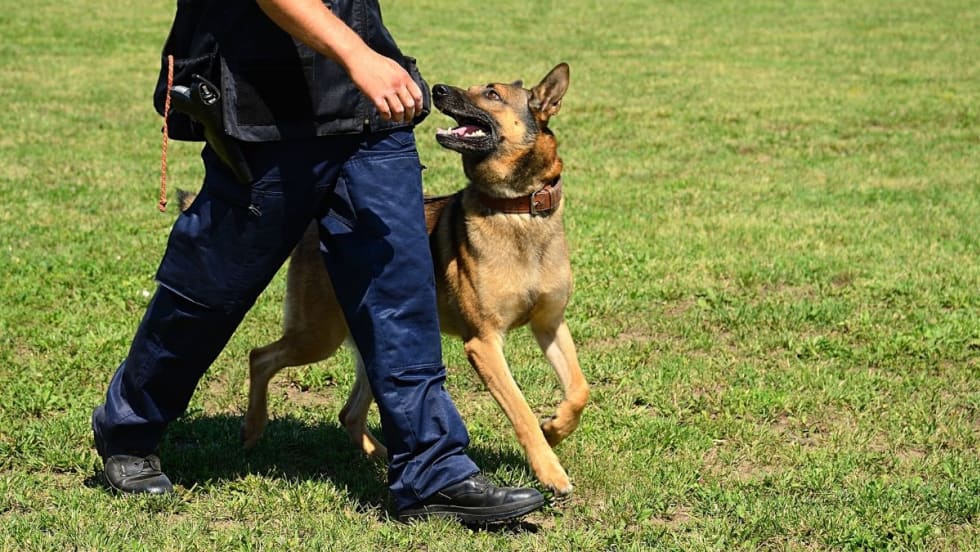
Preventing Heat Injury in Police K-9s
In the relentless heat of summer and even early fall in some parts of the country, officers face the important task of protecting their K-9 partners while working in sweltering temperatures. Recognizing changes in a dog’s behavior is the key.
Read More →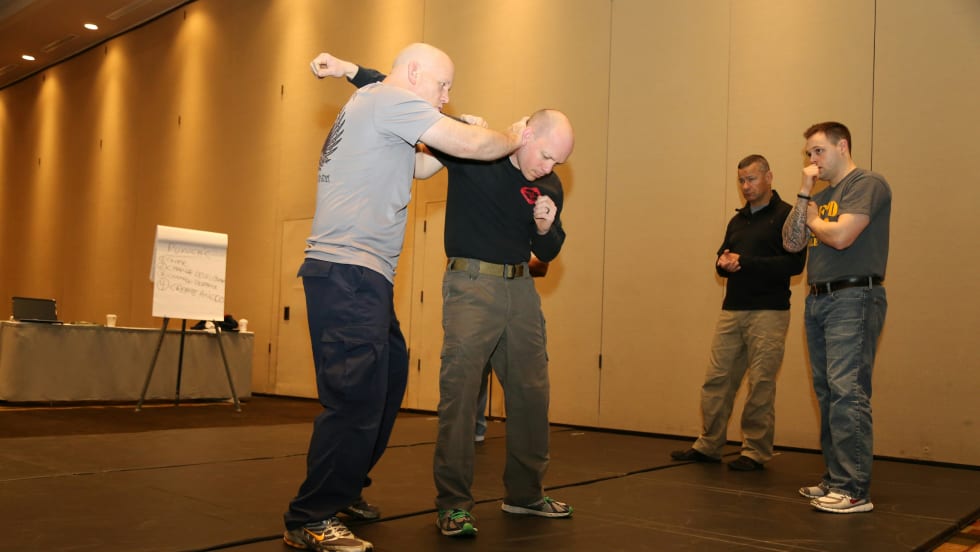
Why Your Agency Needs to Attend the ILEETA Conference
ILEETA is a complete resource for trainers to address trainers' needs. Its mission is to enhance the skills and safety of criminal justice practitioners while fostering stronger and safer communities.
Read More →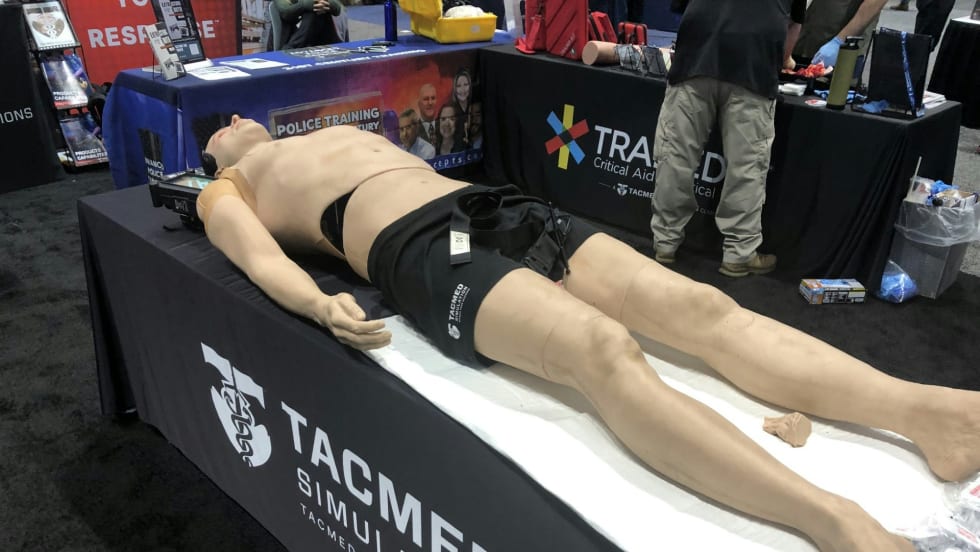
IACP 2023: New Training Products
Technologies for improving law enforcement training and training management were some of the highlights at this year's show.
Read More →
Initial Results Released from MSP 2024 Police Vehicle Testing
The 2024 pursuit-rated vehicles--all pickup trucks or SUVs, including two battery electric models the Chevrolet Blazer EV AWD and Ford Mustang Mach-E--were put through their paces.
Read More →
Officer Safety Considerations Related to Alternative-Fuel Vehicles
As more alternative-fuel and hybrid vehicles hit the road, police and other first responders need to understand that they are no more dangerous than conventional vehicles. However, there are certain safety considerations every cop should know.
Read More →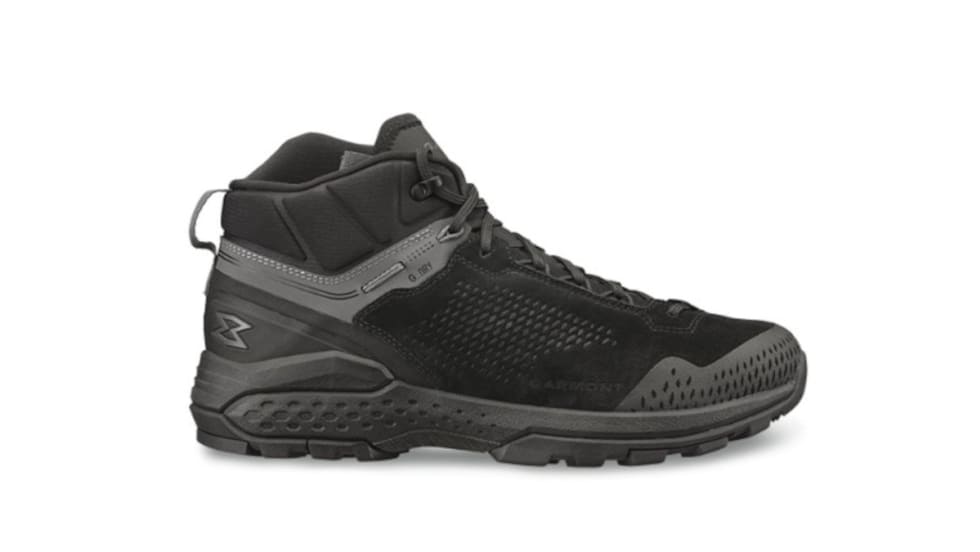
Garmont Working to Grow LE Market Presence
Garmont Tactical has found wide acceptance by military boot buyers, but now the company is trying to better respond to the needs of police officers. Many cops now are not fans of 8-inch boots, so Garmont is adapting.
Read More →
Publisher’s Note: Our Commitment to You
Through our magazine and website and our Police Technology eXchange event, we promise to provide you with information and access to resources to help you do your job safer and better.
Read More →
10 Tips for Responding to Mental Health Crisis Calls
The Harris County Sheriff's Office is a model for other agencies that want to learn about crisis intervention and mental health crisis response. Sgt. Jose Gomez shares the story of their programs and provides 10 tips for mental health crisis call response
Read More →
5 Things to Know When Buying Concealed-Carry or Off-Duty Holsters
Mike Barham, of Galco Holsters, shares five important considerations to keep in mind when you buy off-duty concealed or plain-clothes carry holsters.
Read More →
10 Tips for Reviewing Use-of-Force Reports
While the burden of accurately reporting use-of-force situations is on an individual deputy or officer, the person reviewing those reports shares in the responsibility of making sure the reporting is done properly, with clear details included.
Read More →