



Strength in Numbers
Last month, there were two separate deadly police shootings in the same week, resulting in multiple police casualties.

Last month, there were two separate deadly police shootings in the same week, resulting in multiple police casualties.
The first shooting happened in Odessa, Texas, where a 58-year-old "Vietnam vet" ambushed and murdered three Odessa officers with deadly accurate shotgun blasts to the head. Four hours later, the barricaded suspect was wounded and captured by SWAT. The entire Odessa, Texas, region is in mourning for the first-ever officers shot and killed there. I watched a nationally televised high school football game, where the entire Odessa team displayed "OPD" on their helmets, honoring the slain officers.
The second shooting took place in Florida's Dade County, where four Miami-Dade police on a burglary detail pulled over a vehicle. The occupant ran inside a building and emerged firing an AK-47, killing one officer and wounding three others. The massive manhunt that ensued ended 12 hours later when SWAT cornered and killed the 21-year-old suspect in a second shootout.
In both tragic cases, officers were felled by cold-blooded murderers, firing high-powered weapons with deadly accuracy—without warning. In the months ahead, both tragedies will be analyzed for lessons that might help prevent future tragedies.
Sadly, these are only two incidents during this year's surge in deadly attacks on American police. The latest statistics show during the first six months of 2007, 101 police were killed in the line of duty, the highest death rate since 1978. This is an alarming 44-percent increase over 2006, with an even more alarming 59-percent increase in firearms deaths and on track to surpass 2006's entire year total of 145 deaths.
This "surge" of officer deaths comes after three decades of a downward trend. Police "experts" tout a number of reasons for the decrease: better training and tactics, body armor, improved medical care. These same "experts" are on record stating that statistics prove one-officer cars are "safer" than two-officer cars, because an officer alone has fewer "distractions" than with a partner, plus there are more units on the street, with backup only a radio call away.
But I seriously doubt this view is shared by street cops. They're the ones who face the dangers on the street, and who are dying in increasing numbers. Ask any street cop, and he or she will tell you two is safer than one, and more is safer than few. Why is it that SWAT, which handles the highest-risk missions, is safer than patrol? The answer is simple: SWAT employs the military principle Sun Tzu wrote 2,500 years ago. The more odds are in your favor, the better your odds are for victory. The same is true in policing. But I forget myself—police aren't military, nor are police fighting any war; this, according to certain so-called "experts."
If police in America are not in a war, then why are more than 17,000 names of fallen police officers engraved in the National Law Enforcement Memorial in Washington, D.C.? And why is 2007 on track to become the deadliest year for police in more than three decades? The fact is police are engaged in a deadly, dangerous form of war known as "low intensity conflict," and in areas of some U.S. cities, a form of "urban guerilla warfare." Regardless of what police detractors say to the contrary, the majority of police and of the American public understand the truth about this ongoing war against violent criminals.
This low intensity, urban guerilla warfare is what led to the creation of SWAT 40 years ago. Begun in Los Angeles, SWAT spread throughout America, and today is firmly entrenched as the police vanguard against violent criminals. It is said the best form of flattery is imitation, and today, street officers across the nation are adopting proven successful "SWAT" tactics.
Returning to the one- vs. two-officer car debate, what's crystal clear is two is better than one, three is better than two, four is better than three, and so on. For 2,500 years Sun Tzu's principle has proven true countless times, and SWAT has wisely adopted it with remarkable success.
SWAT officers across the nation can readily cite numerous situations where "show of force" took the fight out of violent criminals. Suspects who "take on" SWAT almost always lose because SWAT employs proven, sound strategy and tactics. SWAT knows it has to win every time, because who bails out SWAT if they lose? However, SWAT cannot be everywhere—a realization that took the deadly Columbine rampage to learn from.
In the real world, most police continue to work alone, with their survival dependent on themselves and luck. Those working two-officer units have better survival odds. And SWAT has the best survival odds of all. Patrol faces unknown danger, while SWAT faces known danger. Which is more dangerous? The one you face today.
Regardless of assignment, survival is the goal. And regardless of assignment, being ready is the key to survival (along with a little good luck). Remember, the life you save might be your partner's, or your own.
More Blog Posts
Preventing Heat Injury in Police K-9s
In the relentless heat of summer and even early fall in some parts of the country, officers face the important task of protecting their K-9 partners while working in sweltering temperatures. Recognizing changes in a dog’s behavior is the key.
Read More →
Why Your Agency Needs to Attend the ILEETA Conference
ILEETA is a complete resource for trainers to address trainers' needs. Its mission is to enhance the skills and safety of criminal justice practitioners while fostering stronger and safer communities.
Read More →
IACP 2023: New Training Products
Technologies for improving law enforcement training and training management were some of the highlights at this year's show.
Read More →
Initial Results Released from MSP 2024 Police Vehicle Testing
The 2024 pursuit-rated vehicles--all pickup trucks or SUVs, including two battery electric models the Chevrolet Blazer EV AWD and Ford Mustang Mach-E--were put through their paces.
Read More →
Officer Safety Considerations Related to Alternative-Fuel Vehicles
As more alternative-fuel and hybrid vehicles hit the road, police and other first responders need to understand that they are no more dangerous than conventional vehicles. However, there are certain safety considerations every cop should know.
Read More →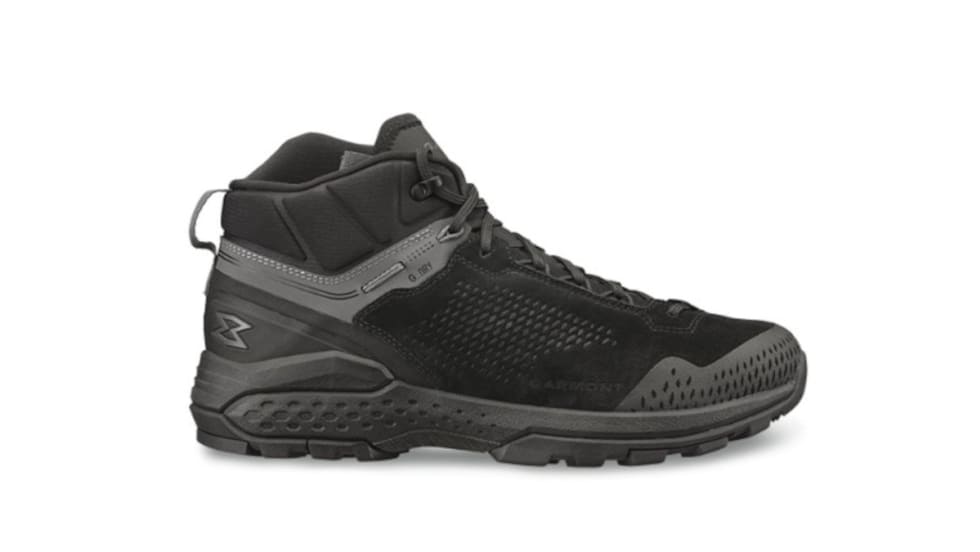
Garmont Working to Grow LE Market Presence
Garmont Tactical has found wide acceptance by military boot buyers, but now the company is trying to better respond to the needs of police officers. Many cops now are not fans of 8-inch boots, so Garmont is adapting.
Read More →
Publisher’s Note: Our Commitment to You
Through our magazine and website and our Police Technology eXchange event, we promise to provide you with information and access to resources to help you do your job safer and better.
Read More →
10 Tips for Responding to Mental Health Crisis Calls
The Harris County Sheriff's Office is a model for other agencies that want to learn about crisis intervention and mental health crisis response. Sgt. Jose Gomez shares the story of their programs and provides 10 tips for mental health crisis call response
Read More →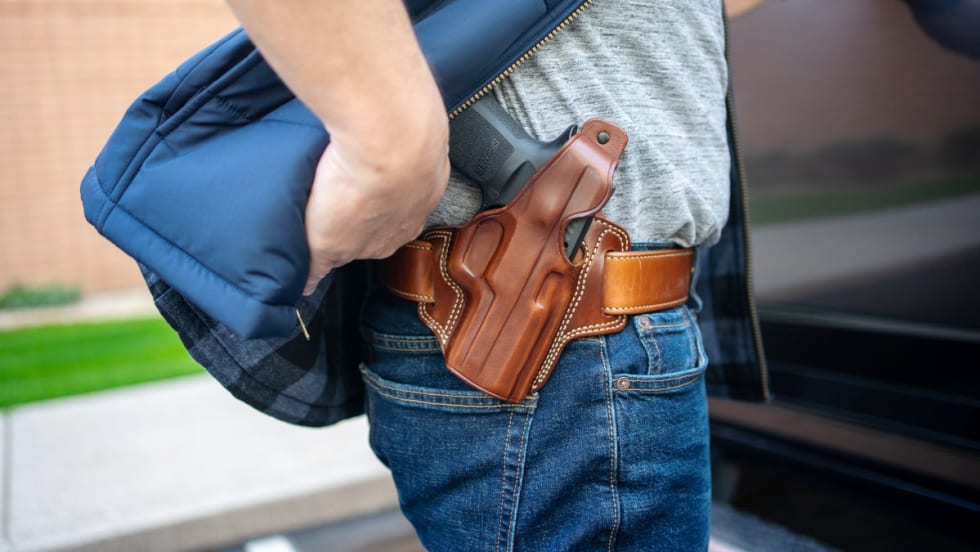
5 Things to Know When Buying Concealed-Carry or Off-Duty Holsters
Mike Barham, of Galco Holsters, shares five important considerations to keep in mind when you buy off-duty concealed or plain-clothes carry holsters.
Read More →
10 Tips for Reviewing Use-of-Force Reports
While the burden of accurately reporting use-of-force situations is on an individual deputy or officer, the person reviewing those reports shares in the responsibility of making sure the reporting is done properly, with clear details included.
Read More →