



Live to Fight Another Day
Impossible? Maybe. But zero deaths is our goal and mission that we must strive for each and every day we don the uniform and badge.

It's 2010 - the start of a new year and a new decade. And a good time to look at the decade ahead, while also reflecting on the previous decade. It's also a good time to reflect upon what officer survival really means to us: surviving the dangers of the law enforcement profession, not becoming a casualty, and staying alive to fight another day.
By now, you've probably read that according to the National Law Enforcement Officers Memorial Fund (NLEOMF), 125 law enforcement officers were killed in 2009 - a six percent decline from 133 in 2008. 2009 also saw the lowest number of LEO line-of-duty deaths since 1959 (108). That's the good news.
The bad news is 49 LEOs were killed by gunfire in 2009 - up 26 percent from 2008 (38). Fifteen of these deaths happened in five multiple-fatality shootings: Oakland, Calif. (4); Pittsburgh, Pa. (3); Okaloosa County, Fla. (2); Seminole County, Okla. (2); and Lakewood, Wash. (4). I can't recall there being as many multiple-fatality LEO shootings in any single year specifically targeting LEOs. Might we be witnessing the start of a disturbing new trend or era? I certainly hope not.
The optimists cite the 49 gunfire deaths as a vast improvement - a whopping 69 percent reduction in LEO gunfire deaths from 156 in 1973. I should also point out that the 1970s was the deadliest decade in U.S. LE history with 2,276 deaths, an average of 228 deaths per year. This, compared to the decade just concluded, 1999 -2008, with 1640 deaths, for an average of 164 deaths per year - one death every 53 hours.
However, we know that whether it's 49 or 156 deaths in a year, or an average of 164 or 228 deaths, the death of even one law enforcement officer is one death too many. And our never-ending goal, our mission, should be to eliminate any and all LEO deaths. Impossible, you say? Maybe. But zero deaths is still our goal and mission that we must strive for each and every day we don the uniform and badge.
Here are more LEO statistics to think about:
There are 900,000 LEOs in the U.S.
The deadliest day in U.S. LE history was September 11, 2001 with 72 deaths.
The deadliest year was 1930 with 282 deaths.
The second deadliest year was 1974 with 278 deaths.
A total of 18,661 U.S. LEOs have died (and counting).
[PAGEBREAK]However, deaths alone don't show the entire picture when it comes to dangers faced by law enforcement. We also need to consider LEO assaults and injuries. Here are the most recent figures from NLEOMF for LEO deaths, assaults, and injuries for the decade of 1999 to 2008:
164 average deaths - 1,640 total deaths.
58,659 average assaults - 586,590 total assaults.
16,188 average injuries - 161,876 total injuries.
These are staggering numbers, made even more mind boggling when you consider that each "statistic" happens to be a member of law enforcement - one of "us." I know of very few LEOs I've met over the years who haven't been assaulted or injured - or both.
And tragically, many of us know (too) many good law enforcement officers who have made the ultimate sacrifice while wearing the badge of our honorable profession. Ours is a profession where regardless whether we personally know fallen officers, they are still our brothers and sisters - and we feel the loss the same as though they belonged to our own agency.
I also need to mention our Canadian law enforcement brothers and sisters who staunchly support American LE, as evidenced by the more than 1,000 RCMP officers who participated in the funeral service for the four slain Lakewood, Wash., officers.
According to the latest figures on the Officer Down Memorial Page, a total of 107 Canadian LE officers died in the line of duty during 1999 - 2009. A high number for a nation with a far smaller population than America.
One particularly disturbing Canadian LE death was the unprovoked 2009 knife slashing murder of an Ottawa officer. The deadliest years of the decade were 2002 with 12 deaths and 2005 with 11 - when four RCMP officers were shot and killed in a single incident in Alberta.
2010 - the start of a new year and new decade - and a good time to renew our Officer Survival vow - to do our utmost to survive any and all challenges the mean streets throw at us now, and also into the future.
In upcoming blogs, I will be writing more about Officer Survival - strategies, tactics. And whether we're at the beginning stage of a disturbing new trend - deliberately targeting LEO's for deadly attacks. The last time this happened was the 1970s, when law enforcement was targeted by militants and radicals at the cost of many LEO lives.
I welcome any and all, comments, questions, and discussion about the most important challenge facing law enforcement officers - surviving your careers to be able to enjoy the retirement you have earned through dedication, sacrifice, and all too often, your blood.
Related Article:
More Blog Posts
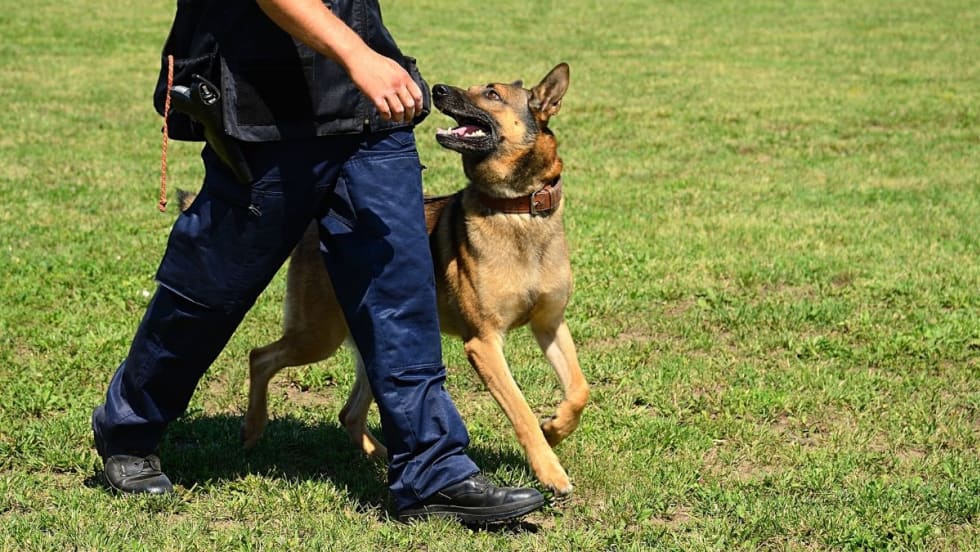
Preventing Heat Injury in Police K-9s
In the relentless heat of summer and even early fall in some parts of the country, officers face the important task of protecting their K-9 partners while working in sweltering temperatures. Recognizing changes in a dog’s behavior is the key.
Read More →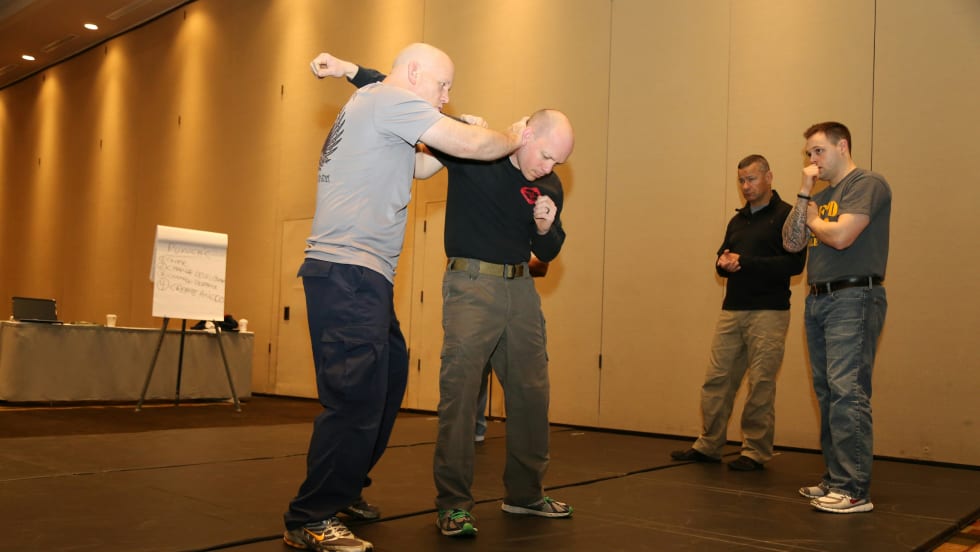
Why Your Agency Needs to Attend the ILEETA Conference
ILEETA is a complete resource for trainers to address trainers' needs. Its mission is to enhance the skills and safety of criminal justice practitioners while fostering stronger and safer communities.
Read More →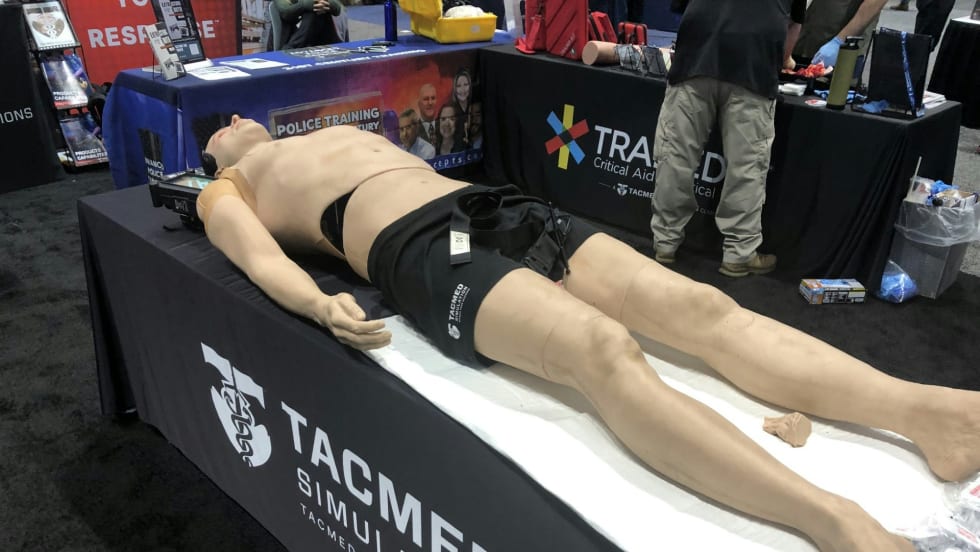
IACP 2023: New Training Products
Technologies for improving law enforcement training and training management were some of the highlights at this year's show.
Read More →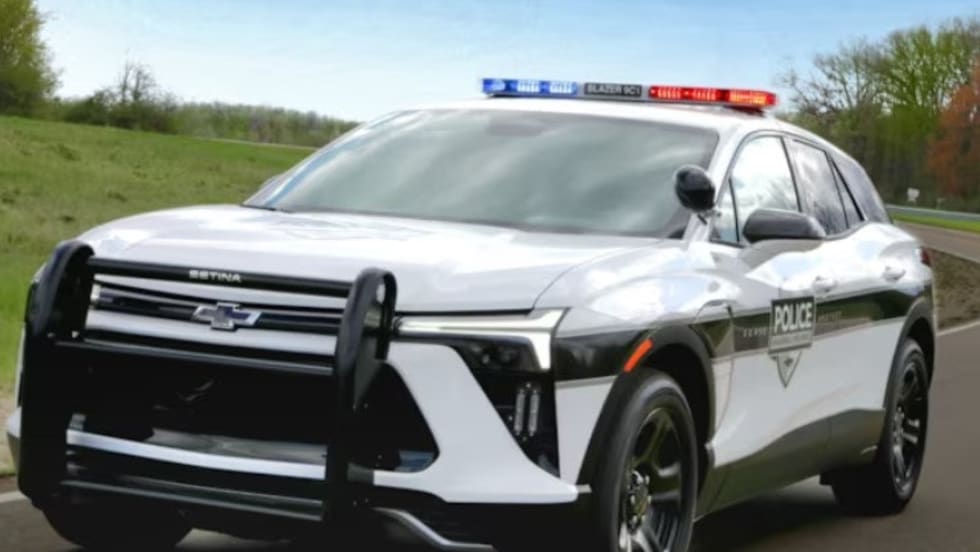
Initial Results Released from MSP 2024 Police Vehicle Testing
The 2024 pursuit-rated vehicles--all pickup trucks or SUVs, including two battery electric models the Chevrolet Blazer EV AWD and Ford Mustang Mach-E--were put through their paces.
Read More →
Officer Safety Considerations Related to Alternative-Fuel Vehicles
As more alternative-fuel and hybrid vehicles hit the road, police and other first responders need to understand that they are no more dangerous than conventional vehicles. However, there are certain safety considerations every cop should know.
Read More →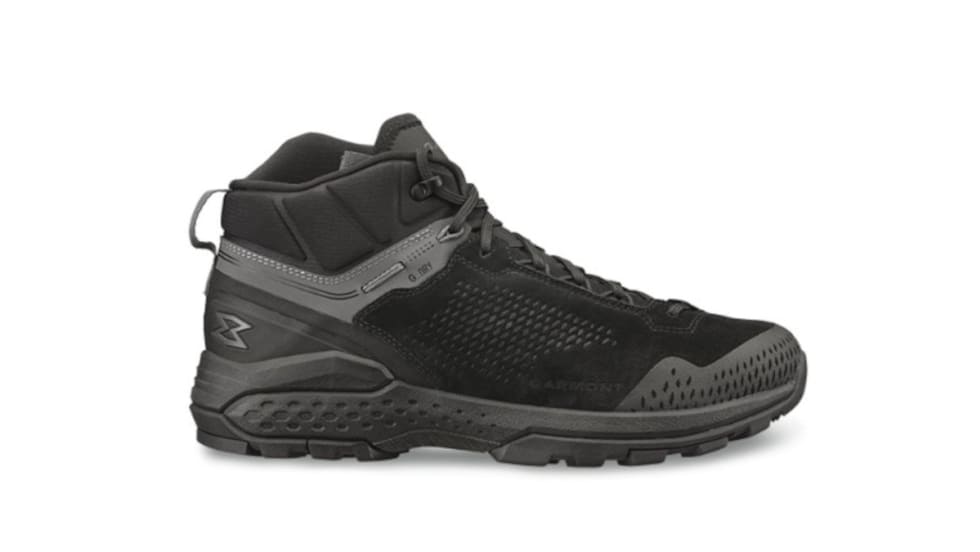
Garmont Working to Grow LE Market Presence
Garmont Tactical has found wide acceptance by military boot buyers, but now the company is trying to better respond to the needs of police officers. Many cops now are not fans of 8-inch boots, so Garmont is adapting.
Read More →
Publisher’s Note: Our Commitment to You
Through our magazine and website and our Police Technology eXchange event, we promise to provide you with information and access to resources to help you do your job safer and better.
Read More →
10 Tips for Responding to Mental Health Crisis Calls
The Harris County Sheriff's Office is a model for other agencies that want to learn about crisis intervention and mental health crisis response. Sgt. Jose Gomez shares the story of their programs and provides 10 tips for mental health crisis call response
Read More →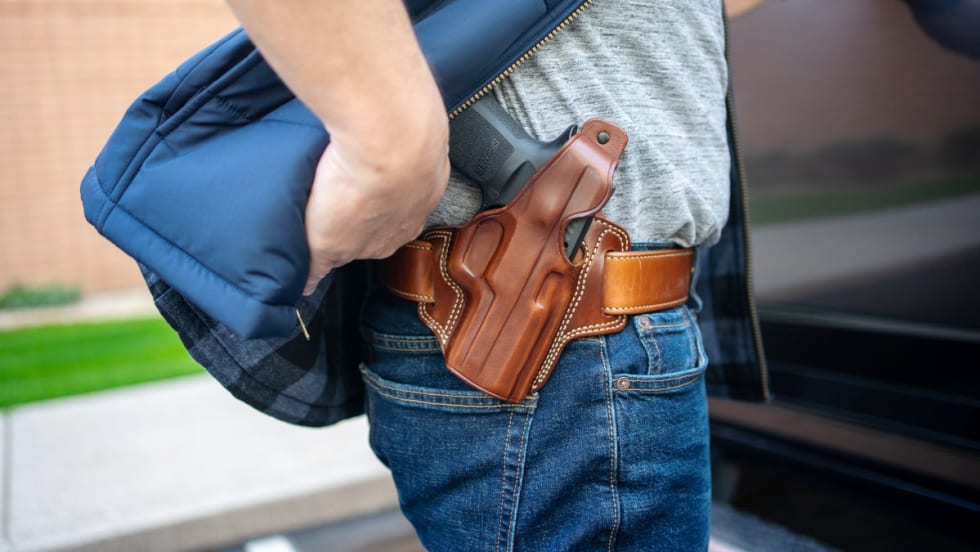
5 Things to Know When Buying Concealed-Carry or Off-Duty Holsters
Mike Barham, of Galco Holsters, shares five important considerations to keep in mind when you buy off-duty concealed or plain-clothes carry holsters.
Read More →
10 Tips for Reviewing Use-of-Force Reports
While the burden of accurately reporting use-of-force situations is on an individual deputy or officer, the person reviewing those reports shares in the responsibility of making sure the reporting is done properly, with clear details included.
Read More →