



Perception: The Difference Between Heroes and Villains
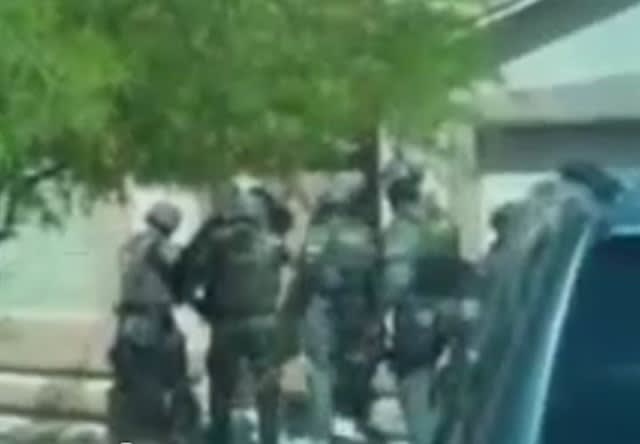
The Pima County (Ariz.) Sheriff's Department's May 5 SWAT raid resulted in the death of a Marine at home in front of his family. This tragedy has exploded into one of the most criticized, controversial SWAT incidents in memory.

Most Americans would agree that the mission into Pakistan that killed Osama bin Laden was accomplished by true American warrior heroes — U.S. Spec Ops led by Navy SEAL Team Six.
Meanwhile, back in America, there's another ongoing war seemingly without end — the war on crime. And just as Spec Ops spearhead the U.S. military in the war on terror, SWAT spearheads American LE on the war on crime.
For both military Spec Ops and police SWAT, high-risk raids or searches are considered a tactical mainstay. Here are a few recent examples:
The Putnam County (Fla.) Sheriff's Department's SWAT conducted a high-risk warrant service on a trailer home on May 4. Two female occupants opened fire on SWAT, striking and critically wounding a deputy in the arm and shoulder, missing his ballistic vest. His life was saved by the on-scene medic. One suspect was shot and wounded (critical) and the other surrendered without further incident.
The Canton (Ohio) PD's SWAT conducted a high-risk warrant service on a residence on May 6. A 62-year-old male occupant attempted to escape through a second-floor window, pointing his firearm at SWAT containment. The suspect then went back inside, shot at SWAT entry officers. SWAT shot and killed the suspect with return fire. One entry officer was struck by a bullet fragment, possibly fired by containment personnel. Other suspects were arrested without incident.
In Olympia, Wash., a multi-jurisdictional tactical unit conducted a high-risk warrant service on June 6. A bullet from a male occupant struck a SWAT entry officer in the arm and then hit his ballistic vest. The suspect surrendered without further incident.
And lastly, Pima County (Ariz.) Sheriff's Department's SWAT officers conducted a high-risk warrant service on a residence on May 5. A second warrant service was also conducted simultaneously that morning. The tragedy that happened next has exploded into one of the most criticized, controversial SWAT incidents in memory.
Pre-raid intel included involvement in home invasions, weapons, and body armor. The occupants included a recently discharged Iraq combat veteran U.S. Marine, his wife and young child. The Marine was home after working the night shift at his job in a mine.
PCSD SWAT knocked and announced, and then forced entry into the residence. Almost immediately, SWAT was confronted by the Marine, who pointed an AR-15 at them. Believing they were under fire, SWAT fired 71 bullets in a matter of seconds. The team went into barricaded subject mode.
Meanwhile, the wife called 911 to get medical help for her husband, Jose Guerena. She and two children eventually emerged unhurt from inside the home. A remote robot discovered Guerena dead with the AR-15 laying nearby.
The public and media outcry was immediate and massive — all of it condemning PCSD and especially SWAT. The public and media demanded answers. PCSD gave the standard response that the incident is still under investigation; this only fanned the flames of criticism further. And soon, the PCSD sheriff and a Tucson TV station were trading verbal barbs at each other.
Ultimately, PCSD released its findings, including video of the SWAT entry and shooting and its 500-page report. For many, it was too little, too late. The damage was already done, especially on the Internet where the PCSD video has gone viral, and was accompanied by widespread condemnation.
Clearly, there's a vast gap in public and media opinion about how to view the Navy SEAL OBL raid compared to the PCSD SWAT raid. The Navy SEALs are universally portrayed as heroes; the SEALs are getting the benefit of the doubt and rightfully so. In stark contrast, PCSD gets no such benefit of the doubt, while being wrongly portrayed by many as villains.
I strongly suspect PCSD SWAT officers are the same as the overwhelming majority of LEOs everywhere — dedicated, honorable professionals sworn to uphold the law. Many are married with children. And many, especially in SWAT, are military combat veterans.
What happened in Arizona on May 5 is a tragedy for all involved. Who gets the benefit of the doubt will largely depend not necessarily on the truth itself, but on the perception of that truth. And we need to remember there are two sides to this tragic story.
Which side do we believe? The one we feed.
Related:
More Blog Posts
Preventing Heat Injury in Police K-9s
In the relentless heat of summer and even early fall in some parts of the country, officers face the important task of protecting their K-9 partners while working in sweltering temperatures. Recognizing changes in a dog’s behavior is the key.
Read More →
Why Your Agency Needs to Attend the ILEETA Conference
ILEETA is a complete resource for trainers to address trainers' needs. Its mission is to enhance the skills and safety of criminal justice practitioners while fostering stronger and safer communities.
Read More →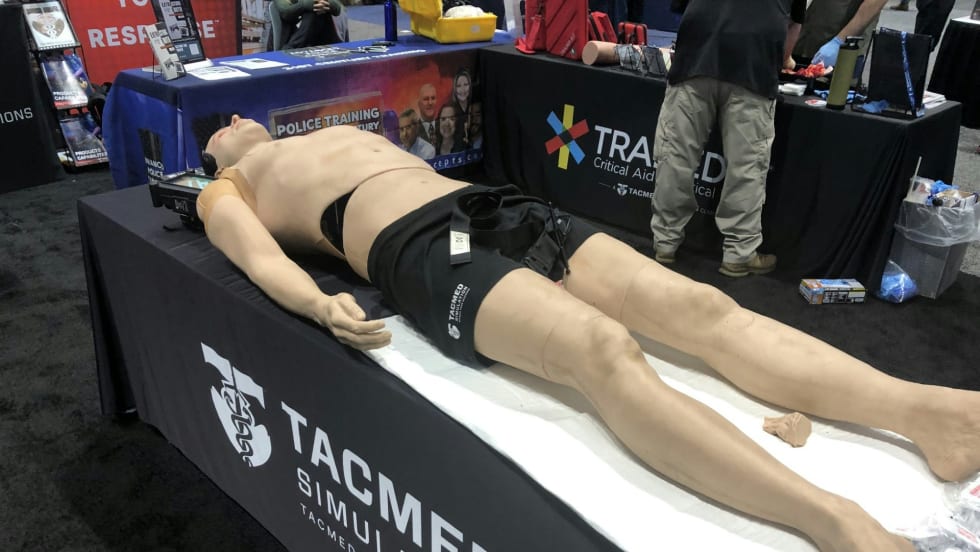
IACP 2023: New Training Products
Technologies for improving law enforcement training and training management were some of the highlights at this year's show.
Read More →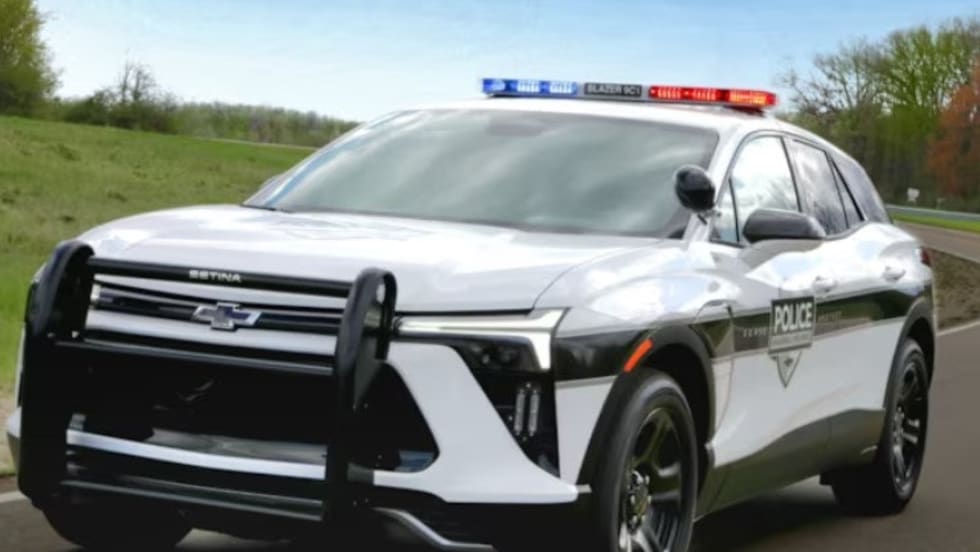
Initial Results Released from MSP 2024 Police Vehicle Testing
The 2024 pursuit-rated vehicles--all pickup trucks or SUVs, including two battery electric models the Chevrolet Blazer EV AWD and Ford Mustang Mach-E--were put through their paces.
Read More →
Officer Safety Considerations Related to Alternative-Fuel Vehicles
As more alternative-fuel and hybrid vehicles hit the road, police and other first responders need to understand that they are no more dangerous than conventional vehicles. However, there are certain safety considerations every cop should know.
Read More →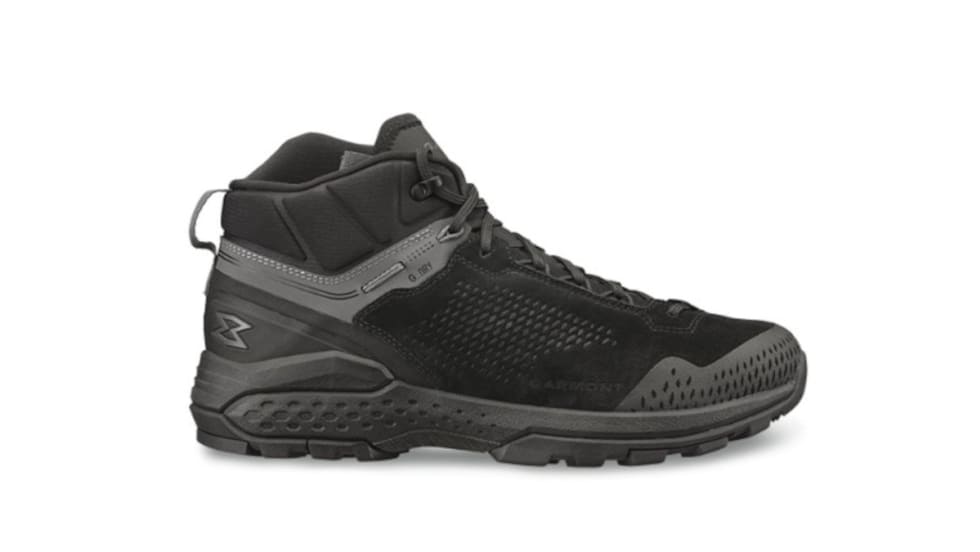
Garmont Working to Grow LE Market Presence
Garmont Tactical has found wide acceptance by military boot buyers, but now the company is trying to better respond to the needs of police officers. Many cops now are not fans of 8-inch boots, so Garmont is adapting.
Read More →
Publisher’s Note: Our Commitment to You
Through our magazine and website and our Police Technology eXchange event, we promise to provide you with information and access to resources to help you do your job safer and better.
Read More →
10 Tips for Responding to Mental Health Crisis Calls
The Harris County Sheriff's Office is a model for other agencies that want to learn about crisis intervention and mental health crisis response. Sgt. Jose Gomez shares the story of their programs and provides 10 tips for mental health crisis call response
Read More →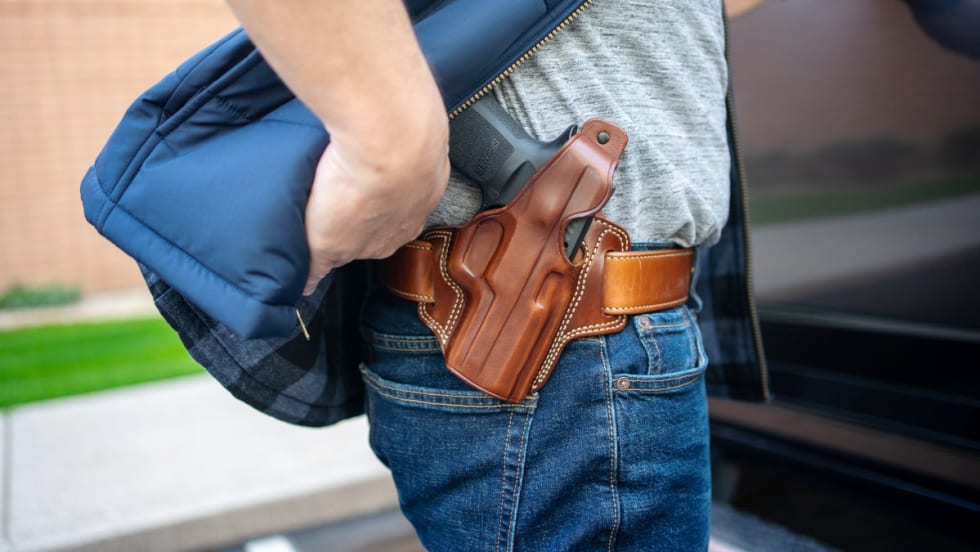
5 Things to Know When Buying Concealed-Carry or Off-Duty Holsters
Mike Barham, of Galco Holsters, shares five important considerations to keep in mind when you buy off-duty concealed or plain-clothes carry holsters.
Read More →
10 Tips for Reviewing Use-of-Force Reports
While the burden of accurately reporting use-of-force situations is on an individual deputy or officer, the person reviewing those reports shares in the responsibility of making sure the reporting is done properly, with clear details included.
Read More →