



Proofread Your Reports
Once you have labored over a lengthy report, stop if you can. Grab a coffee, sit back down and read it as a neutral party, from the 10,000-foot level. Try to disassociate yourself from your product and read it critically. Don't give it a quick blush over; read it.

I've written repeatedly that your signature as an officer is more than likely the quality of your written reports. Even heroics need to be documented. All of the technology has taken away some errors but the substance must be there. Have you stepped back and actually re-read your report as a reader and not the writer? Do it sometime for a eyebrow-raising event.
Technology has taken us a long way. I don't know what kind of police records system you use. Most have spell-check, some have grammar checks, and the pre-populated fields are a time saver. Despite the technological advances, these reports still depend on human input.
There's nothing that warms the cockles of my heart like a chronologically paced and descriptive police report. Trust me, after years of reading these, the good ones stand out. I mention chronologically written report for a reason. A classic rookie mistake is to write the cool stuff first, because it's exciting. The report must reveal the sequence of events as it revealed itself to you and how you positioned your response to this great arrest.
Descriptive writing is a lost art. When I was in the military, there was a basic way to describe anything — M1 widget, hand-held, air-cooled, OD green in color. Some of the best report writers seek balance between excellent descriptive language and novelistic writing.
However, I had one report of where a young officer took literary license a tad too far. He changed his title and role in the report along with the citizen's role, which raised the question of how many people were involved in the incident.
He referred to the dispatched officer, the primary officer, the investigating officer, the reporting officer, the arresting officer, the transporting officer, and the booking officer. And the citizen became the complainant, the alleged victim, the suspect, the person of interest, the perpetrator, the detainee, the arrestee, and then the transported prisoner. Whew!
As I read the report of a false report of a crime I kept counting the number of persons in this report. There were two, one bad guy and one copper with far too much time on their hands.
Ownership affects your point of view as a proofreader. Nobody likes being corrected. I have a proofer for my work, and then editors. Their job is to correct my errors and make the product palatable for the readers or the end user's needs. So I get a rewrite or see occasional red ink; the goal here is not to protect my feelings, but rather communicate succinctly with you as a reader.
As a police report writer, aim for your end users. It's not the sergeant, but the entire criminal justice system (from detectives to the prosecuting attorney) and externals (such as insurance companies, the media, and corrections personnel).
Once you have labored over a lengthy report, stop if you can. Grab a coffee, sit back down and read it as a neutral party, from the 10,000-foot level. Try to disassociate yourself from your product and read it critically. Don't give it a quick blush over; read it.
For me, I must read aloud to hear it, sounds weird, try it once. The biggest problem is that we as police investigative report writers take pride but short cuts. In the old days, a rewrite meant a rewrite. Now with the work station, edits require only a few key strokes.
Take pride in your work, but give it a thorough once over before you send it up the flagpole.
More Blog Posts
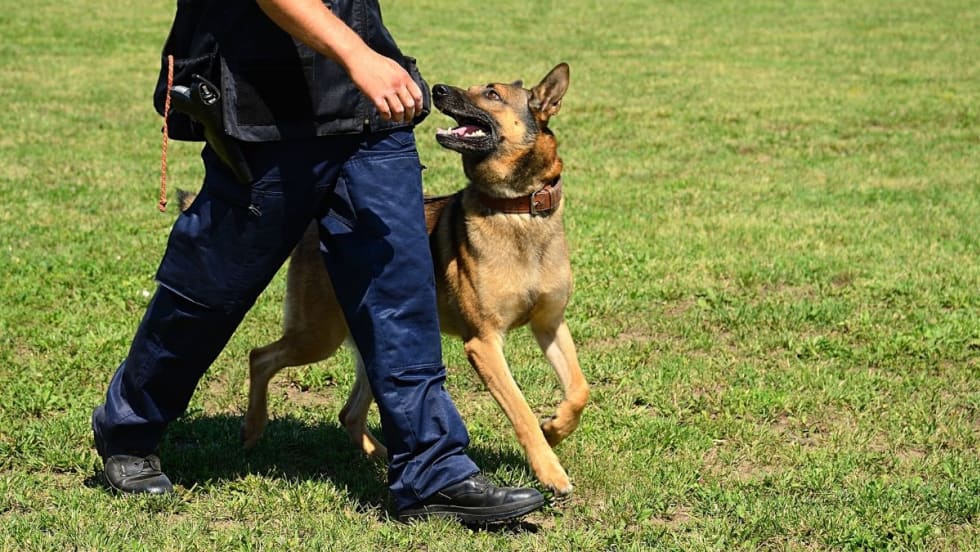
Preventing Heat Injury in Police K-9s
In the relentless heat of summer and even early fall in some parts of the country, officers face the important task of protecting their K-9 partners while working in sweltering temperatures. Recognizing changes in a dog’s behavior is the key.
Read More →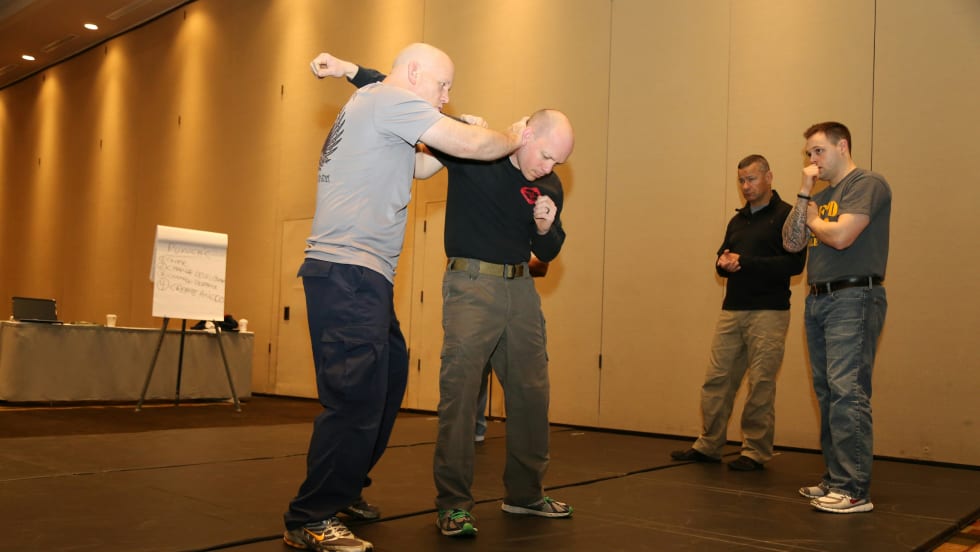
Why Your Agency Needs to Attend the ILEETA Conference
ILEETA is a complete resource for trainers to address trainers' needs. Its mission is to enhance the skills and safety of criminal justice practitioners while fostering stronger and safer communities.
Read More →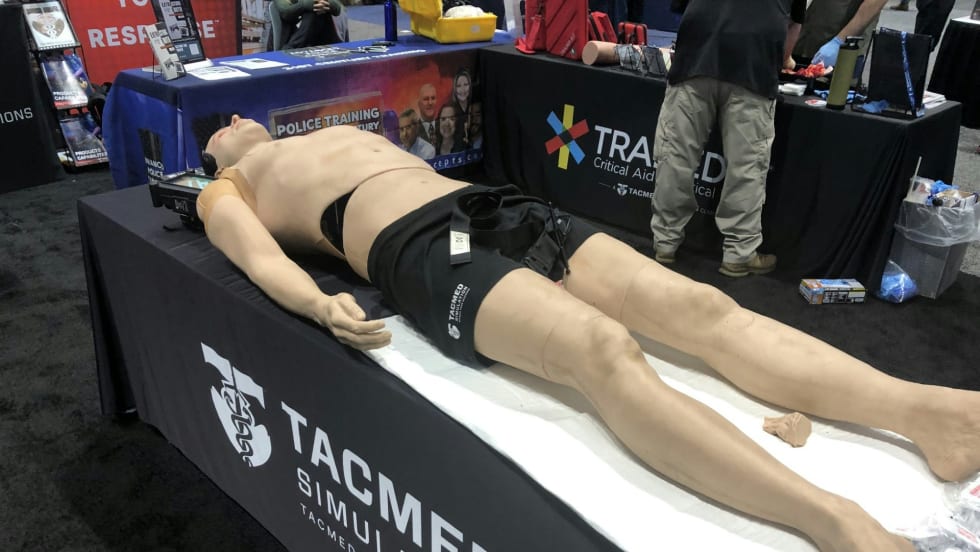
IACP 2023: New Training Products
Technologies for improving law enforcement training and training management were some of the highlights at this year's show.
Read More →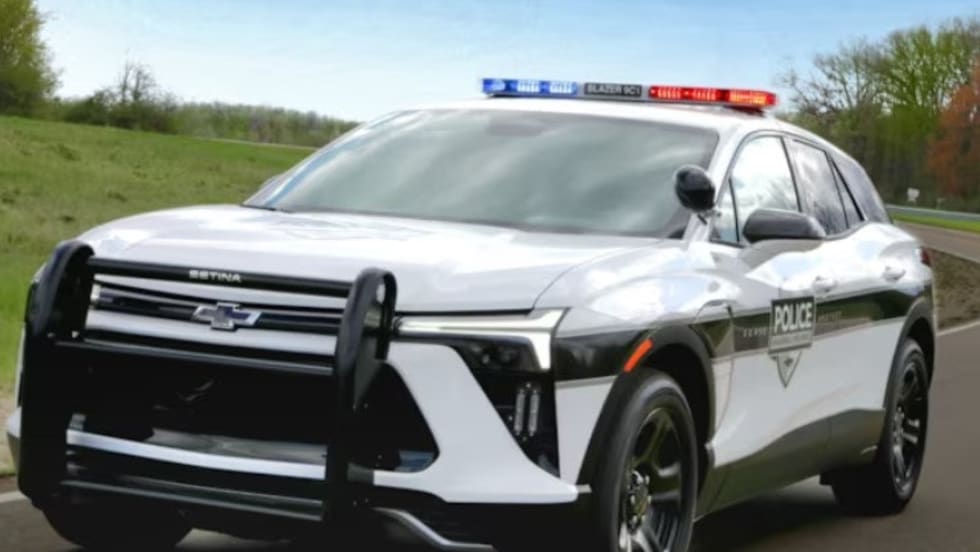
Initial Results Released from MSP 2024 Police Vehicle Testing
The 2024 pursuit-rated vehicles--all pickup trucks or SUVs, including two battery electric models the Chevrolet Blazer EV AWD and Ford Mustang Mach-E--were put through their paces.
Read More →
Officer Safety Considerations Related to Alternative-Fuel Vehicles
As more alternative-fuel and hybrid vehicles hit the road, police and other first responders need to understand that they are no more dangerous than conventional vehicles. However, there are certain safety considerations every cop should know.
Read More →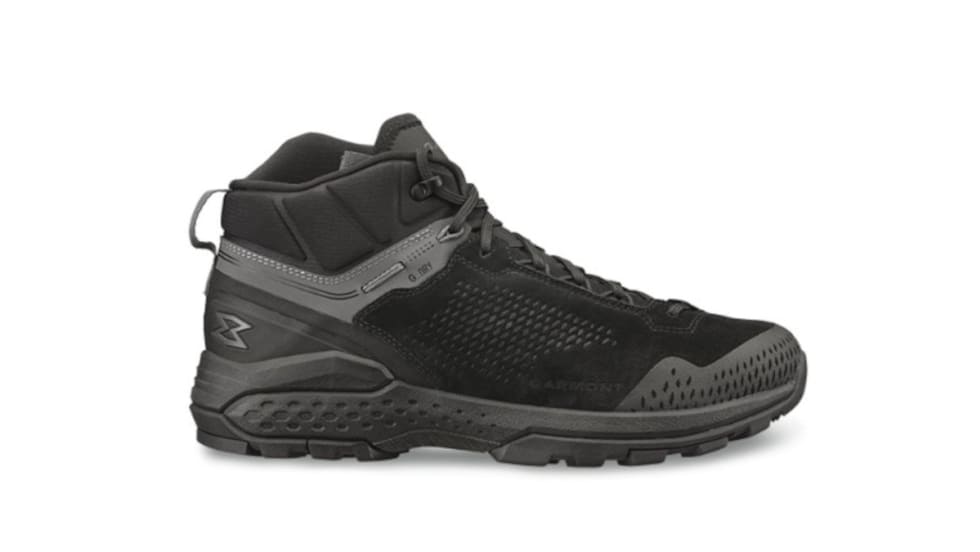
Garmont Working to Grow LE Market Presence
Garmont Tactical has found wide acceptance by military boot buyers, but now the company is trying to better respond to the needs of police officers. Many cops now are not fans of 8-inch boots, so Garmont is adapting.
Read More →
Publisher’s Note: Our Commitment to You
Through our magazine and website and our Police Technology eXchange event, we promise to provide you with information and access to resources to help you do your job safer and better.
Read More →
10 Tips for Responding to Mental Health Crisis Calls
The Harris County Sheriff's Office is a model for other agencies that want to learn about crisis intervention and mental health crisis response. Sgt. Jose Gomez shares the story of their programs and provides 10 tips for mental health crisis call response
Read More →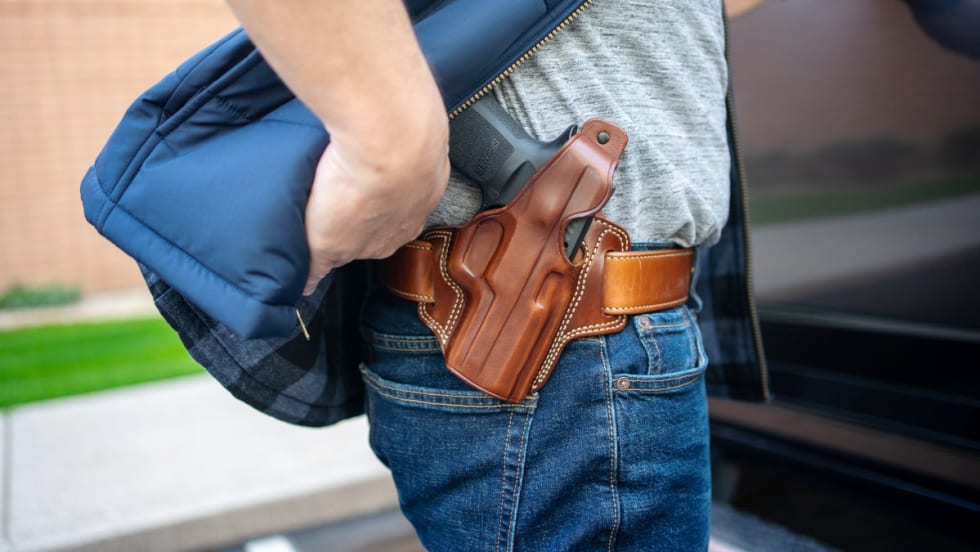
5 Things to Know When Buying Concealed-Carry or Off-Duty Holsters
Mike Barham, of Galco Holsters, shares five important considerations to keep in mind when you buy off-duty concealed or plain-clothes carry holsters.
Read More →
10 Tips for Reviewing Use-of-Force Reports
While the burden of accurately reporting use-of-force situations is on an individual deputy or officer, the person reviewing those reports shares in the responsibility of making sure the reporting is done properly, with clear details included.
Read More →