



Law Enforcement: A Path Into the Middle Class
The Police Orientation Preparation Program places career-bound, law enforcement students in an established LAPD training environment. Students graduate with an associate's degree and gain real-life experience as they prepare for a career in law enforcement.


Photo courtesy of Roberta Weintraub.
For high school students from lower-income families who are weighing opportunities for a better future, finding an entry-point into the middle class is becoming harder each year. It's a social stratosphere that is decreasing almost as fast as the population is expanding.
Forty years ago, the middle class was 61% of adults, but today it's about 51%, according to a study by the Pew Research Center. This shrinking middle class negatively impacts the psyche of millions of inner-city Los Angeles youth as hope for a better future wanes.
Historically, the path to the middle class has been education. However, college is an investment that can place students into astronomical debt as the average starting salary for four-year college graduates is $44,000. With expensive tuition, a 17% poverty rate and fierce competition over jobs, where can a high school student turn for a better life?
Jobs with the Los Angeles Police Department and other government agencies are excellent paths for lower-income people to gain access into the middle class. Police officers earn an average of $56,260 per year as of May 2011, according to the U.S. Bureau of Labor Statistics. During Step 1 and Step 6, which includes training and initial-active duty, LAPD officers earn between $47,982 and $62,389, depending on an officer's level of education. First-level LAPD sergeants, detectives and lieutenants make between $94,774 and $117,742 per year. Meanwhile, the average private-sector job has leveled out at around $43,980 per year.
That doesn't mean a college education is not valuable, but it's clear the police department has become a valuable way for hard-working young people to enter the middle class without a four-year degree.
That's why the Police Orientation Preparation Program (POPP) was created. POPP is a one-of-a-kind exploratory educational experience that places career-bound, law enforcement students in an established LAPD training environment. Students graduate with an associate's degree and gain real-life experience as they prepare for a career in law enforcement. POPP students who move onto the LAPD start with a salary of $45,000 and have the chance to earn a six-figure salary within five years. Police work in L.A. also includes a guaranteed pension, excellent health benefits and a compressed work schedule of three, 12-hour shifts per week.
The program is designed to place members from the community who possess an understanding of the complicated social and cultural idiosyncrasies into roles of leadership and authority in their old neighborhoods. The idea is to help members of the community find paths to better fiscal opportunities and change their neighborhoods from within.
The idea came to fruition in 2009 when 13 high school seniors and 18 college freshmen started taking West Los Angeles College courses at the Ahmanson Recruit Training Center. POPP has now grown to include the full endorsement of the LAPD, Los Angeles Unified School District (LAUSD) and the Los Angeles Community College District (LACCD). Many of the students who attend POPP receive fee waivers because they live near the federal poverty line. POPP also offers privately funded tutoring at no additional cost.
The boost to self-esteem of POPP students is dramatic. Most say they never thought they were smart enough to even go to college—let alone graduate with an associate's degree. The first graduates are just now taking to the streets of L.A. as police officers. One notable graduate speaks both Farsi and Spanish on the job as he connects with his old neighborhood daily, just the way the program is intended to work.
POPP is a one-of-a-kind prototype program that should serve as a national model in other cities. Part of our duty as teachers, leaders and educators is to ensure the American Dream remains attainable—that the opportunity to advance and grow as a person is not an illusory concept available to a dwindling percentage.
It's our duty to afford the young people I see every day from Compton to Inglewood—who can't even imagine where to turn for guidance—a better life and a safer community.
Roberta Weintraub is a former president and 14-year member of the LAUSD School Board and founder and executive director at the Police Orientation Preparation Program (POPP), which provides high-school seniors and college students with a four semester, fully sequenced program, leading to an associate's degree and a career in law enforcement.
More Blog Posts

Preventing Heat Injury in Police K-9s
In the relentless heat of summer and even early fall in some parts of the country, officers face the important task of protecting their K-9 partners while working in sweltering temperatures. Recognizing changes in a dog’s behavior is the key.
Read More →
Why Your Agency Needs to Attend the ILEETA Conference
ILEETA is a complete resource for trainers to address trainers' needs. Its mission is to enhance the skills and safety of criminal justice practitioners while fostering stronger and safer communities.
Read More →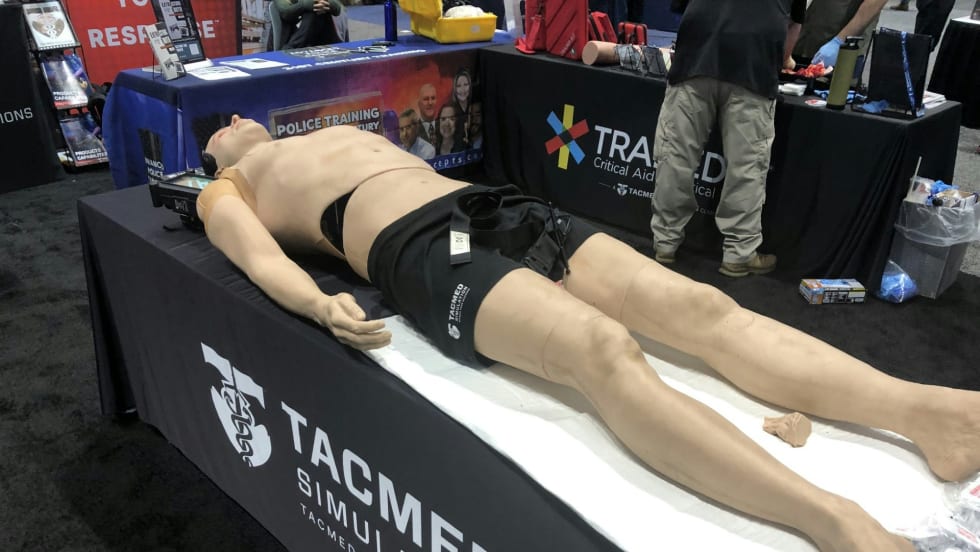
IACP 2023: New Training Products
Technologies for improving law enforcement training and training management were some of the highlights at this year's show.
Read More →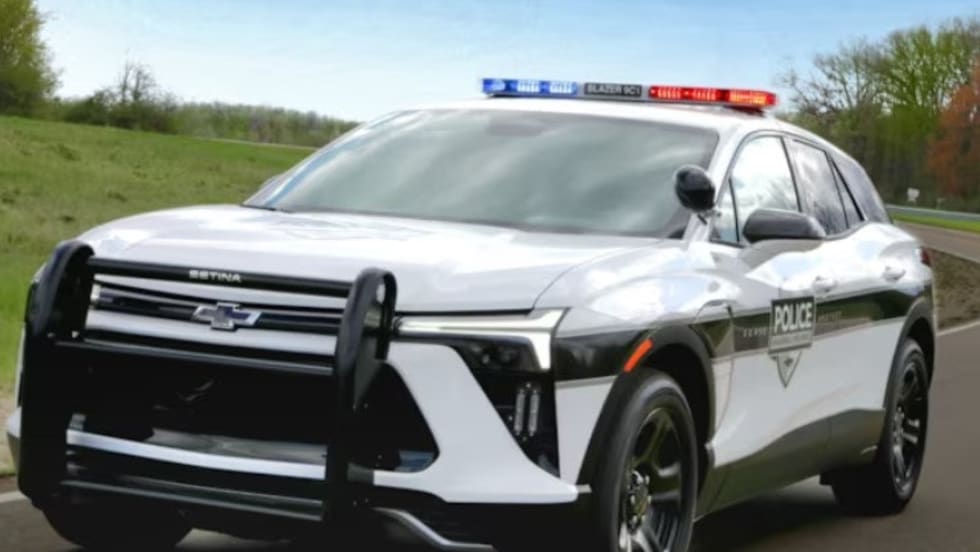
Initial Results Released from MSP 2024 Police Vehicle Testing
The 2024 pursuit-rated vehicles--all pickup trucks or SUVs, including two battery electric models the Chevrolet Blazer EV AWD and Ford Mustang Mach-E--were put through their paces.
Read More →
Officer Safety Considerations Related to Alternative-Fuel Vehicles
As more alternative-fuel and hybrid vehicles hit the road, police and other first responders need to understand that they are no more dangerous than conventional vehicles. However, there are certain safety considerations every cop should know.
Read More →
Garmont Working to Grow LE Market Presence
Garmont Tactical has found wide acceptance by military boot buyers, but now the company is trying to better respond to the needs of police officers. Many cops now are not fans of 8-inch boots, so Garmont is adapting.
Read More →
Publisher’s Note: Our Commitment to You
Through our magazine and website and our Police Technology eXchange event, we promise to provide you with information and access to resources to help you do your job safer and better.
Read More →
10 Tips for Responding to Mental Health Crisis Calls
The Harris County Sheriff's Office is a model for other agencies that want to learn about crisis intervention and mental health crisis response. Sgt. Jose Gomez shares the story of their programs and provides 10 tips for mental health crisis call response
Read More →
5 Things to Know When Buying Concealed-Carry or Off-Duty Holsters
Mike Barham, of Galco Holsters, shares five important considerations to keep in mind when you buy off-duty concealed or plain-clothes carry holsters.
Read More →
10 Tips for Reviewing Use-of-Force Reports
While the burden of accurately reporting use-of-force situations is on an individual deputy or officer, the person reviewing those reports shares in the responsibility of making sure the reporting is done properly, with clear details included.
Read More →