



Your Subconscious Mind
In order for law enforcement professionals to effectively use the skills, tactics and equipment provided to them, they must first prepare and condition their minds.


Photo via Flickr.com (onkel_wart).
In the last ten years, we have seen vast improvements in the quality of training programs and equipment for law enforcement professionals. Too often the mental aspect of training is either neglected or addressed at a superficial level.
In order for law enforcement professionals to effectively use the skills, tactics and equipment provided to them, they must first prepare and condition their minds. That mental preparation and conditioning is the focus of this bi-weekly column.
In this post, I'll examine the mind and its roles and responsibilities. Future columns will focus on specific methods of training the mind such as imagery, language, debriefings, video use and contextual-based training.
When we talk about the mind, there are two levels—the conscious and the subconscious. Both levels perceive the same information, but they process it in entirely different ways. The conscious mind is the rational, logical, analytical part of the mind, as well as the home to willpower and short-term memory.
Because the conscious mind is always seeking to rationalize and analyze incoming information, it's slow compared to the subconscious mind. The conscious mind is also limited in the amount of information it can focus on at any one time. This is the part of the mind where we often focus our attention in training.
In a high-stress, spontaneous, or rapidly evolving event, the conscious mind is bypassed, and the subconscious mind directs our responses. The subconscious has a number of roles and responsibilities:
Imagination — The key for law enforcement professionals is to find ways to focus and direct our imagination to enhance performance and prepare us for future situations. Imagery is one of those tools we can use for this.
Emotion — The subconscious actually communicates through feelings and emotions. We often talk about intuition (what people often call the sixth sense) and usually describe it as a gut feeling, the hair standing up on the back of our neck, or our "spidey" senses tingling. Intuition is the subconscious mind processing the information in the environment at hyper speed, then communicating to us through a feeling that something isn't right. This all happens before we have a conscious awareness of the impending danger. Those who ignore or suppress these messages often become victims.
Long Term Memory — Hence the importance of contextual-based training (we will explore this in future posts) and always training to win.
Habits — Many of the responses we refer to as instinctive or innate are actually habitual responses developed over time as a result of repetition and emotional attachment. (Repetition alone does not create habitual responses.) Training with imagination and emotion is an important part of developing more desirable habitual responses.
Self-Preservation — The job of the subconscious is to protect us from real or imagined threats. That threat might from the career criminal who is trying to kill you during a traffic stop (real) or from the monster in the closet of a young child (imagined). Some innate self-preservation responses may be less desirable for today's law enforcement professional and have to be modified or reprogrammed.
The thought processes carried out in the subconscious are done below the level of conscious awareness and therefore are often a mystery to us. The way in which your subconscious mind is programmed will determine how you react in a given situation. If you truly want to train to win, you need to ensure that your training program includes proper programming of the subconscious mind.
Editor's Note: Brian Willis is the deputy executive director of the International Law Enforcement Educators and Trainers Association (ILEETA). Contact him via his website Winning Mind Training.
More Blog Posts
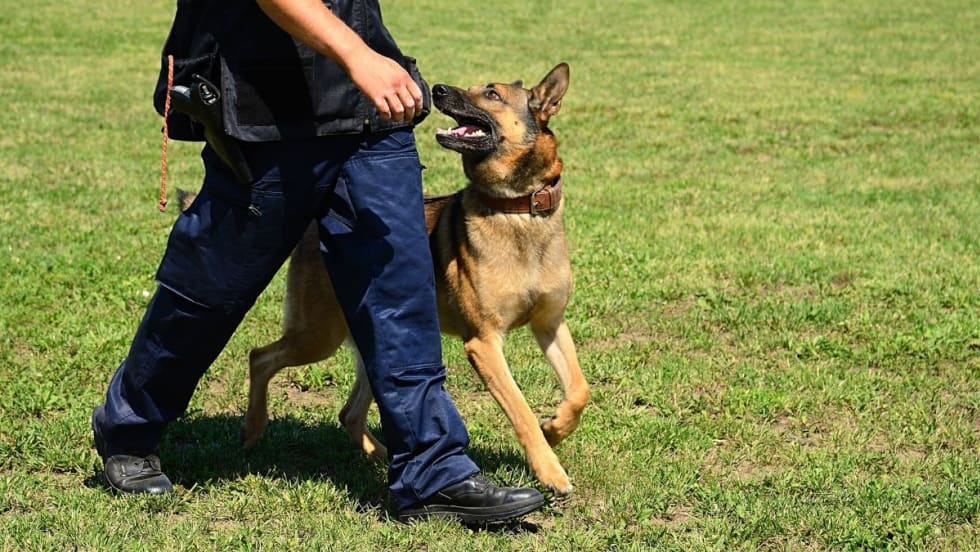
Preventing Heat Injury in Police K-9s
In the relentless heat of summer and even early fall in some parts of the country, officers face the important task of protecting their K-9 partners while working in sweltering temperatures. Recognizing changes in a dog’s behavior is the key.
Read More →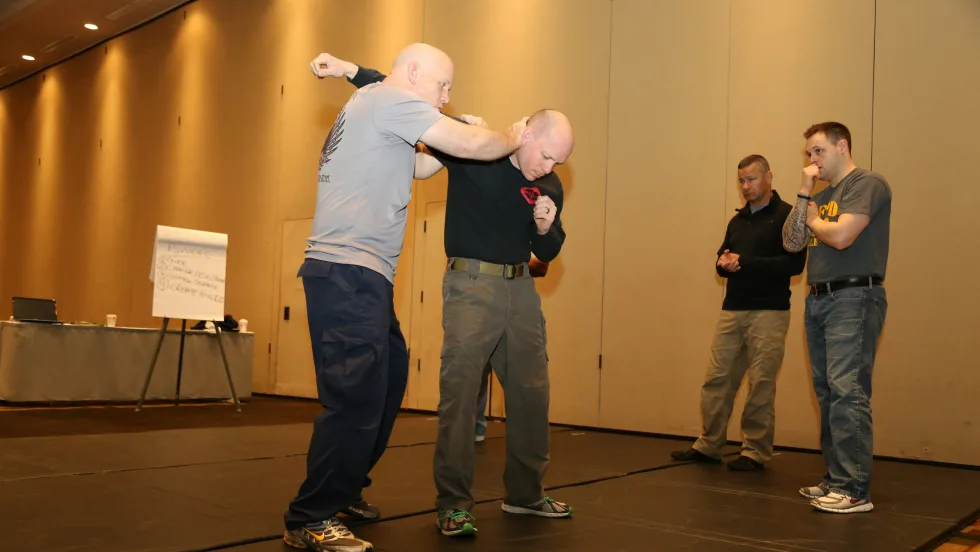
Why Your Agency Needs to Attend the ILEETA Conference
ILEETA is a complete resource for trainers to address trainers' needs. Its mission is to enhance the skills and safety of criminal justice practitioners while fostering stronger and safer communities.
Read More →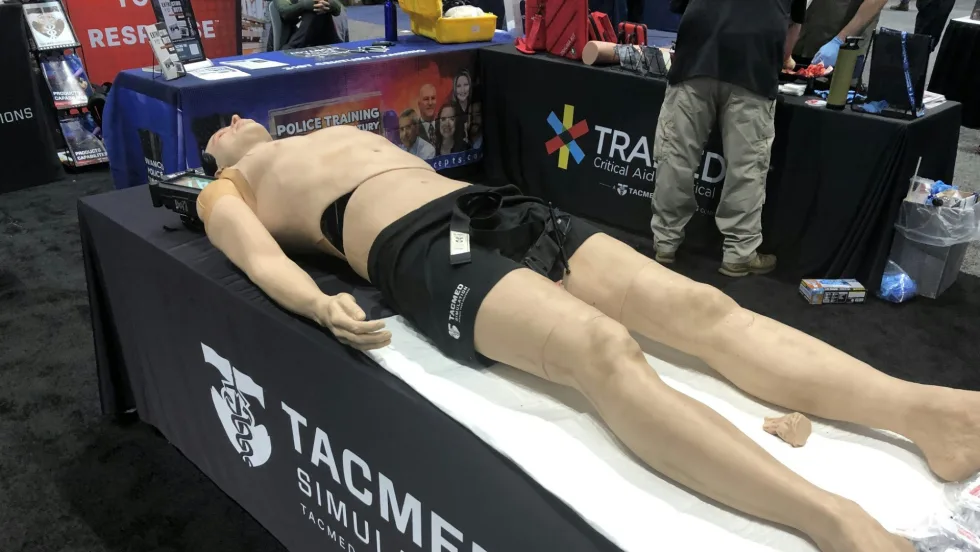
IACP 2023: New Training Products
Technologies for improving law enforcement training and training management were some of the highlights at this year's show.
Read More →
Initial Results Released from MSP 2024 Police Vehicle Testing
The 2024 pursuit-rated vehicles--all pickup trucks or SUVs, including two battery electric models the Chevrolet Blazer EV AWD and Ford Mustang Mach-E--were put through their paces.
Read More →
Officer Safety Considerations Related to Alternative-Fuel Vehicles
As more alternative-fuel and hybrid vehicles hit the road, police and other first responders need to understand that they are no more dangerous than conventional vehicles. However, there are certain safety considerations every cop should know.
Read More →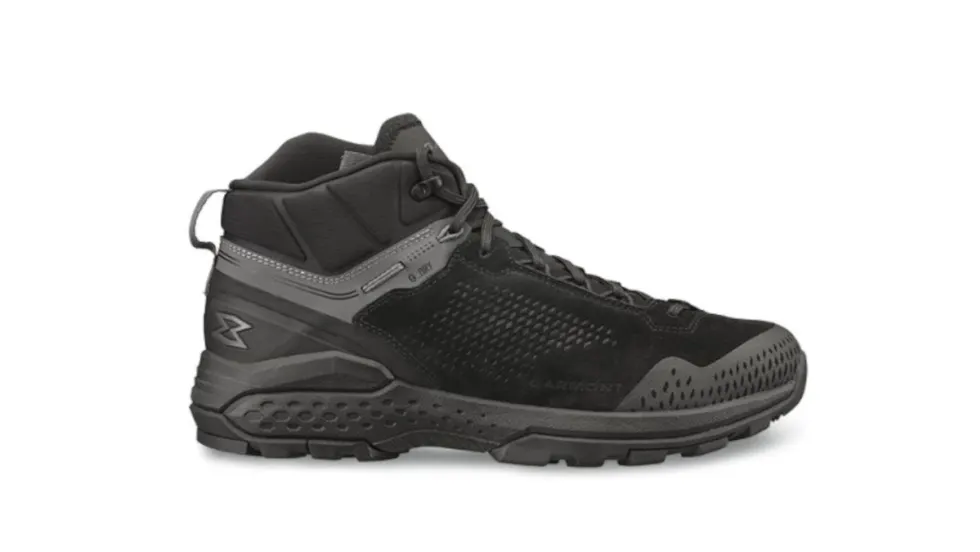
Garmont Working to Grow LE Market Presence
Garmont Tactical has found wide acceptance by military boot buyers, but now the company is trying to better respond to the needs of police officers. Many cops now are not fans of 8-inch boots, so Garmont is adapting.
Read More →
Publisher’s Note: Our Commitment to You
Through our magazine and website and our Police Technology eXchange event, we promise to provide you with information and access to resources to help you do your job safer and better.
Read More →
10 Tips for Responding to Mental Health Crisis Calls
The Harris County Sheriff's Office is a model for other agencies that want to learn about crisis intervention and mental health crisis response. Sgt. Jose Gomez shares the story of their programs and provides 10 tips for mental health crisis call response
Read More →
5 Things to Know When Buying Concealed-Carry or Off-Duty Holsters
Mike Barham, of Galco Holsters, shares five important considerations to keep in mind when you buy off-duty concealed or plain-clothes carry holsters.
Read More →
10 Tips for Reviewing Use-of-Force Reports
While the burden of accurately reporting use-of-force situations is on an individual deputy or officer, the person reviewing those reports shares in the responsibility of making sure the reporting is done properly, with clear details included.
Read More →