



Where Did All the Prosecutors Go?
District attorneys used to have the mission of protecting the public and putting away criminals. Now, some have the mission of freeing the bad guys and indicting cops.

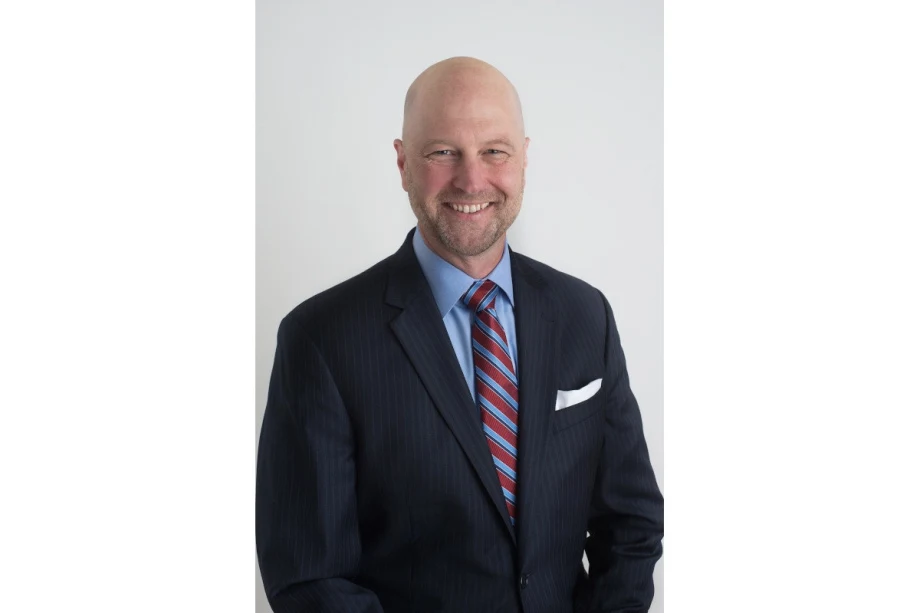
Jason C. Johnson is president of the Law Enforcement Legal Defense Fund and a 20-year veteran of law enforcement.
Photo courtesy Jason Johnson
“In the criminal justice system, the people are represented by two separate, yet equally important, groups: the police, who investigate crime; and the district attorneys, who prosecute the offenders. These are their stories.”
—"Law & Order" TV Series
Voters in Philadelphia, Chicago, Baltimore, and other major American cities have elected prosecutors who have promised to reduce incarceration, refused to prosecute certain selected offenses, focused more on prosecuting police officers, and operated with an approach that is generally more friendly to those on the wrong side of the law.
The results, as measured by violent crime, have not been good. Each of the involved cities have seen homicide rates—a yardstick commonly relied on to measure the general “temperature” of crime in the city—jump significantly since electing their current prosecutors.
Public defender turned civil rights lawyer Larry Krasner is now district attorney in Philadelphia. To say he does not fit the typical profile of a big city prosecutor would be an understatement. But in 2016, amid promises to “reform” the criminal justice system, he was easily elected. The central theme of his campaign was that he would sharply reduce the number of persons incarcerated.
Not long ago such a campaign promise probably wouldn’t have resonated with voters in an election for district attorney, an office that pretty much exists solely to seek the incarceration of criminals who threaten the safety of the public. But Krasner has embraced the social justice label despite the major fissures and deep philosophical differences with his primary crime fighting partners, the Philadelphia Police Department and the U.S. Attorney’s Office.
In the wake of the shooting of six Philadelphia police officers who were attempting to serve a narcotics search warrant, Krasner drew deservedly harsh criticism from United States Attorney for the Eastern District of Pennsylvania William McSwain. "The Philadelphia District Attorney's Office isn't putting fear into the hearts of anybody who is contemplating a life of violent crime," said McSwain.
Instead of focusing on holding criminals accountable on behalf of the people, Krasner has promoted and supported several programs and strategies including reducing the sentences of people who are convicted.
Recently, retired police commissioner of Philadelphia Richard Ross also has been critical of Krasner’s approach to crime and justice. He pointed out that criminals simply do not fear a consequence because of the softer, more defendant-centered approach of the District Attorney’s Office.
The candidacies of Krasner and other similarly minded district attorneys have been partially funded by millions of dollars from Soros-controlled entities, according to the Stanford Criminal Justice Center as quoted in the Washington Times and the San Jose Mercury News. This effort to install extreme, activist prosecutors around the country has been largely successful and is gaining steam.
Prosecutors uniquely possess the ability to unilaterally—and without legislative authorization—implement Soros' vision of social justice. They have virtually unfettered and unchecked discretion. They have full power to decline to prosecute even those whose guilt can be readily proven such as Chicago prosecutor Kim Foxx’s dismissal of all charges against Jussie Smollett, for example.
They can also refuse to prosecute entire categories of crimes without having to persuade anyone else of the wisdom of doing so. Dallas District Attorney John Creuzot recently announced that his office would not prosecute marijuana possession, trespassing, or theft of less than $750. It seems no coincidence that Dallas is now in a struggle to reduce historic highs in violent crime.
Prosecutors can even charge police officers even when there is almost no chance of obtaining a conviction, as Baltimore’s State’s Attorney Marilyn Mosby did to appease rioters after the death of Freddie Gray. As her office has stepped up efforts to prosecute on-duty police officers involved in making arrests, she publicly stated that her office would not prosecute marijuana possession cases, regardless of the amount of marijuana involved.
It remains to be seen whether this soft-on-crime trend will be reversed. But for cities across the nation, the stakes could not be higher. Voters should seriously consider the objectively negative impact these social justice experimenters have had on their already at-risk cities.
Jason C. Johnson is president of the Law Enforcement Legal Defense Fund (www.policedefense.org). A 20-year veteran of law enforcement, he served as deputy commissioner of the Baltimore Police Department from 2016 to 2018. Previously, Johnson retired from the Prince George’s County (MD) Police Department at the rank of major.
More Blog Posts
Preventing Heat Injury in Police K-9s
In the relentless heat of summer and even early fall in some parts of the country, officers face the important task of protecting their K-9 partners while working in sweltering temperatures. Recognizing changes in a dog’s behavior is the key.
Read More →
Why Your Agency Needs to Attend the ILEETA Conference
ILEETA is a complete resource for trainers to address trainers' needs. Its mission is to enhance the skills and safety of criminal justice practitioners while fostering stronger and safer communities.
Read More →
IACP 2023: New Training Products
Technologies for improving law enforcement training and training management were some of the highlights at this year's show.
Read More →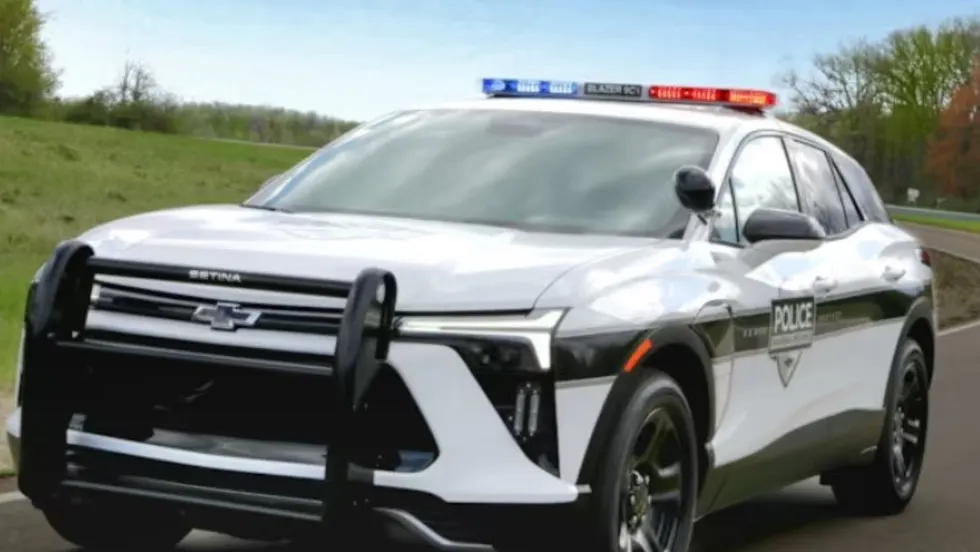
Initial Results Released from MSP 2024 Police Vehicle Testing
The 2024 pursuit-rated vehicles--all pickup trucks or SUVs, including two battery electric models the Chevrolet Blazer EV AWD and Ford Mustang Mach-E--were put through their paces.
Read More →
Officer Safety Considerations Related to Alternative-Fuel Vehicles
As more alternative-fuel and hybrid vehicles hit the road, police and other first responders need to understand that they are no more dangerous than conventional vehicles. However, there are certain safety considerations every cop should know.
Read More →
Garmont Working to Grow LE Market Presence
Garmont Tactical has found wide acceptance by military boot buyers, but now the company is trying to better respond to the needs of police officers. Many cops now are not fans of 8-inch boots, so Garmont is adapting.
Read More →
Publisher’s Note: Our Commitment to You
Through our magazine and website and our Police Technology eXchange event, we promise to provide you with information and access to resources to help you do your job safer and better.
Read More →
10 Tips for Responding to Mental Health Crisis Calls
The Harris County Sheriff's Office is a model for other agencies that want to learn about crisis intervention and mental health crisis response. Sgt. Jose Gomez shares the story of their programs and provides 10 tips for mental health crisis call response
Read More →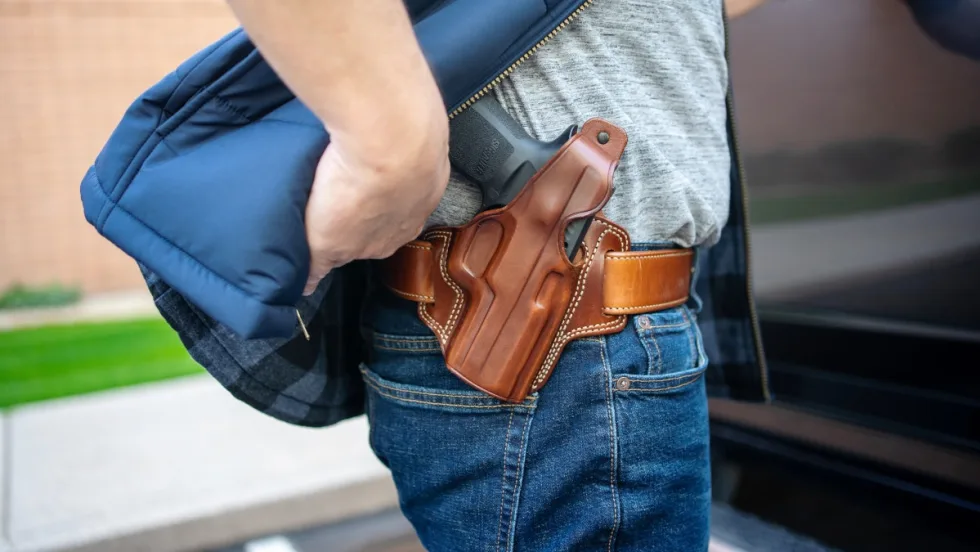
5 Things to Know When Buying Concealed-Carry or Off-Duty Holsters
Mike Barham, of Galco Holsters, shares five important considerations to keep in mind when you buy off-duty concealed or plain-clothes carry holsters.
Read More →
10 Tips for Reviewing Use-of-Force Reports
While the burden of accurately reporting use-of-force situations is on an individual deputy or officer, the person reviewing those reports shares in the responsibility of making sure the reporting is done properly, with clear details included.
Read More →