



When Facts Won't Satisfy the LE Critics
After weeks of public and media scrutiny, the actions of the Pima County (Ariz.) Sheriff's SWAT unit were officially ruled "justifiable and reasonable." However, the fallout over the raid is far from over, because many people's minds were made up before the facts were known.

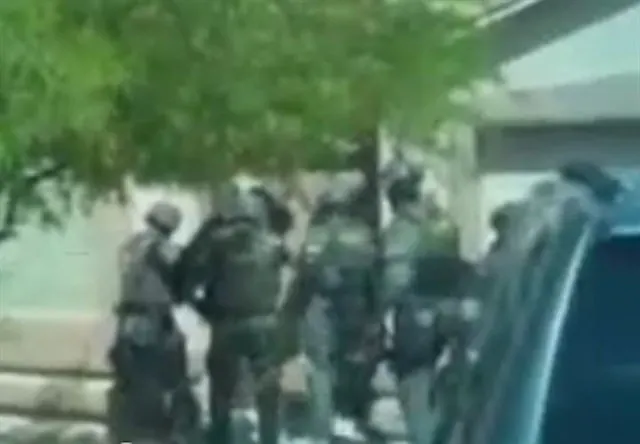
The Pima County (Ariz.) Sheriff's SWAT raid that resulted in the shooting of a combat veteran and former Marine stirred up a hornet's nest of controversy with widespread criticism and condemnation of the tactical team.
Reading media and internet coverage of the May 5 raid may create the impression that the action was unwarranted overkill at the hands of an out-of-control Pima County SWAT team.
After weeks of public and media scrutiny, SWAT's actions were officially ruled "justifiable and reasonable." Additional information released portrays the former Marine in a very different light. A quick check of the Web indicates a dramatic, sudden decrease in the amount of anti-PCSD SWAT articles and comments.
Might this be due to speculation finally being replaced by facts? Therein lies an increasingly alarming problem. The rush to judgment — even before the facts are known — is fueled by speculation, guesswork and supposition.
This can be dangerous, because the officers are pre-judged based on what people assume rather than what they know. The advent of cellphone video has helped launch people's judgment into uncharted territory, because people believe what they see with their own eyes. Are they seeing what really happened? Or are they getting only a partial view?
Recently released video of the entry shows SWAT's arrival, approach, and knock-and-announce entry followed by numerous, rapid gunshots.
What's not shown is who SWAT was shooting at or why they never made it past the entry point before the shooting erupted. All anyone knew in the beginning was that the officers had fired 71 bullets, which was widely condemned as overkill.
The agency attempted to explain that SWAT had been confronted by former Marine Jose Guerena, who pointed an AR-15 at them, which caused them to fire in self-defense. Why so many bullets? It was initially thought SWAT was fired upon until it was revealed that the AR-15's safety was on. This fanned the flames of speculation even more.
The fallout over this raid is far from over, because many people's minds were made up before the facts were known. The once-standard "no comment" response is long gone. Now, "under investigation" appears to be headed toward the same fate.
Anybody familiar with law enforcement agencies knows that officers involved in critical incidents are prohibited by departmental policy from talking publicly. We don't get to hear their side of the story.
We seem to be living in a time when whoever takes the offense and gets their version of the story out first forces the other side to have to defend itself against the accusations.
Today's reality is that the public, media, and critics increasingly want to know right away. Is this logical or even feasible in today's instant communication world? Conversely, what obligation do people and the media have while the facts of a situation are still being sorted out?
The reality is that investigations into complex, involved incidents require thoroughness and thoughtfulness to arrive at the truth of what happened. In this case, the Pima County sheriff was widely viewed as ducking, stalling or hiding something.
Now that the PCSD has released an in-depth, 500-page report and video of the initial approach, entry and shooting, what will satisfy the critics? Should knee-jerk response supersede proper, thorough investigations?
Let's all remind ourselves that people, including SWAT officers, are innocent until proven guilty.
Related:
More Blog Posts
Preventing Heat Injury in Police K-9s
In the relentless heat of summer and even early fall in some parts of the country, officers face the important task of protecting their K-9 partners while working in sweltering temperatures. Recognizing changes in a dog’s behavior is the key.
Read More →
Why Your Agency Needs to Attend the ILEETA Conference
ILEETA is a complete resource for trainers to address trainers' needs. Its mission is to enhance the skills and safety of criminal justice practitioners while fostering stronger and safer communities.
Read More →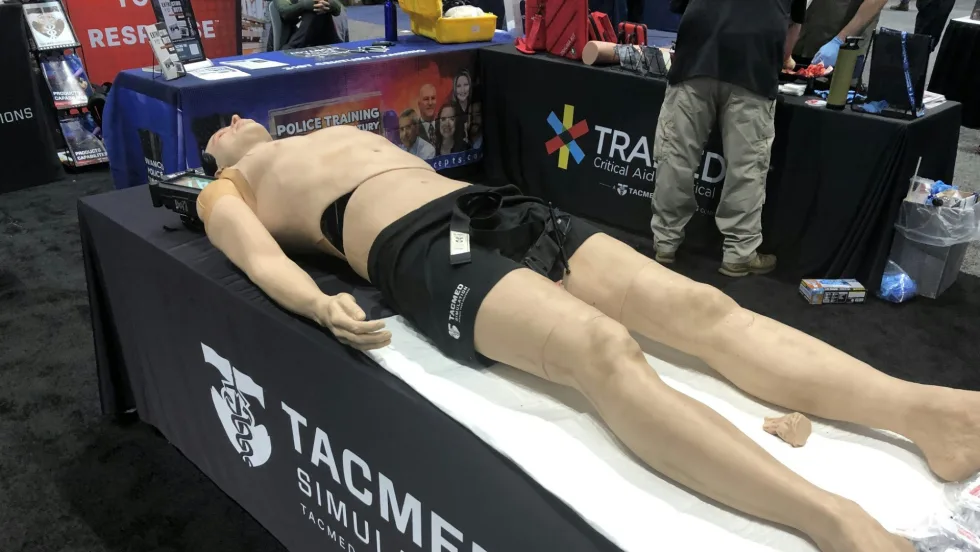
IACP 2023: New Training Products
Technologies for improving law enforcement training and training management were some of the highlights at this year's show.
Read More →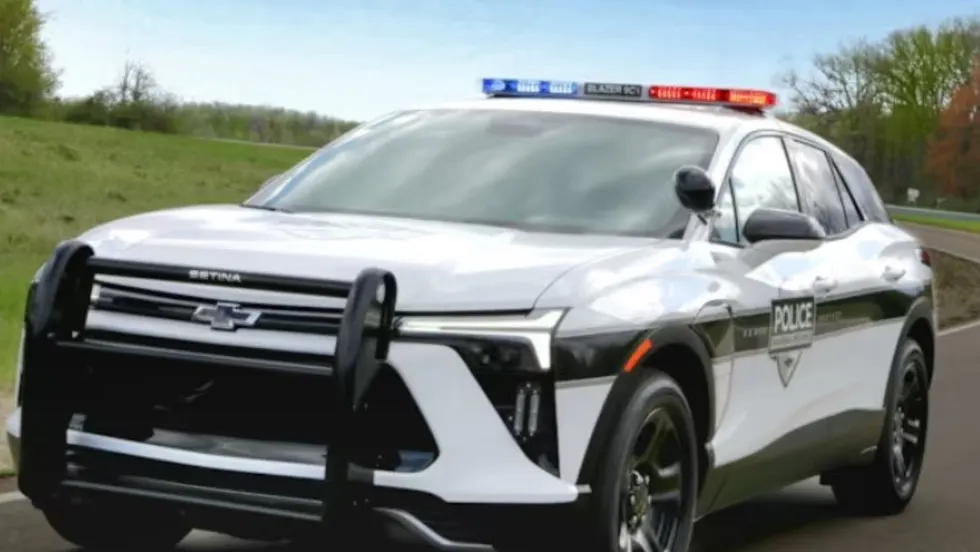
Initial Results Released from MSP 2024 Police Vehicle Testing
The 2024 pursuit-rated vehicles--all pickup trucks or SUVs, including two battery electric models the Chevrolet Blazer EV AWD and Ford Mustang Mach-E--were put through their paces.
Read More →
Officer Safety Considerations Related to Alternative-Fuel Vehicles
As more alternative-fuel and hybrid vehicles hit the road, police and other first responders need to understand that they are no more dangerous than conventional vehicles. However, there are certain safety considerations every cop should know.
Read More →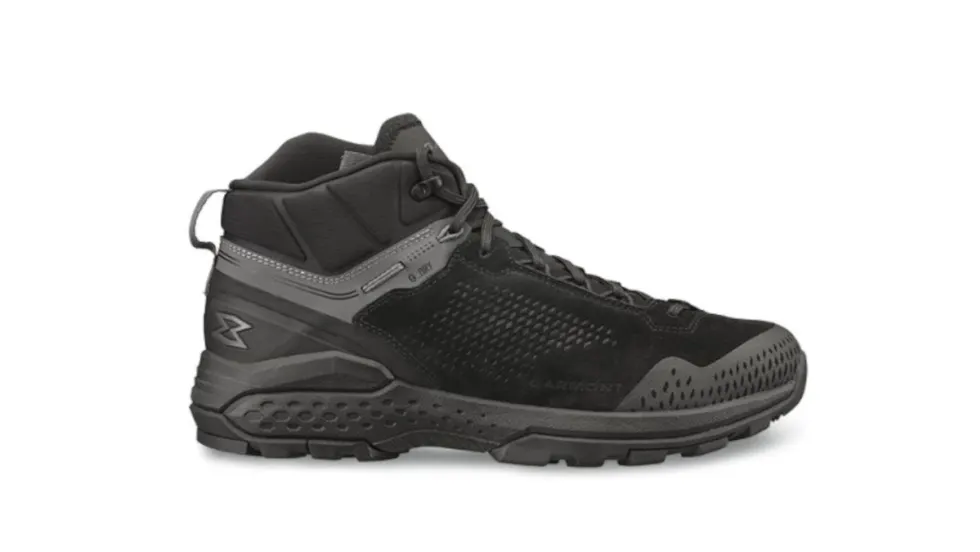
Garmont Working to Grow LE Market Presence
Garmont Tactical has found wide acceptance by military boot buyers, but now the company is trying to better respond to the needs of police officers. Many cops now are not fans of 8-inch boots, so Garmont is adapting.
Read More →
Publisher’s Note: Our Commitment to You
Through our magazine and website and our Police Technology eXchange event, we promise to provide you with information and access to resources to help you do your job safer and better.
Read More →
10 Tips for Responding to Mental Health Crisis Calls
The Harris County Sheriff's Office is a model for other agencies that want to learn about crisis intervention and mental health crisis response. Sgt. Jose Gomez shares the story of their programs and provides 10 tips for mental health crisis call response
Read More →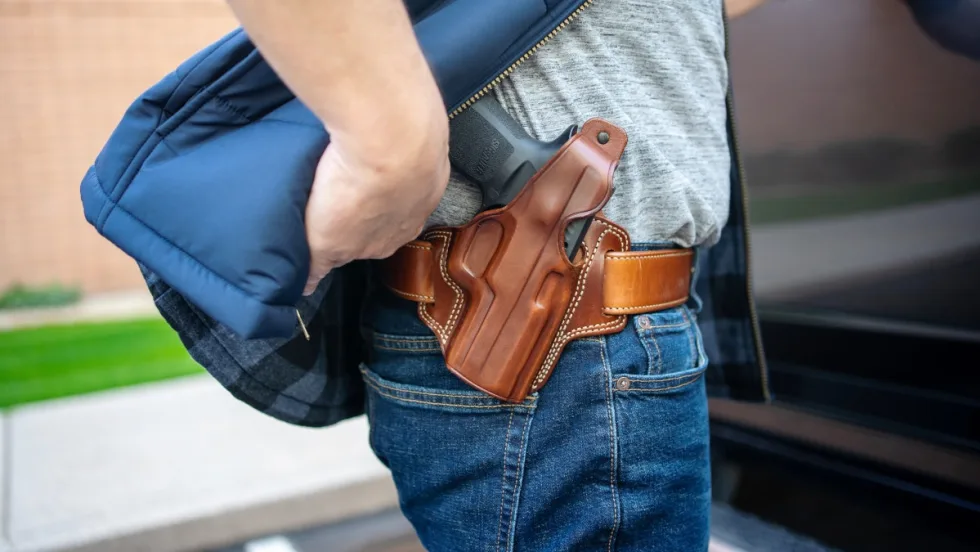
5 Things to Know When Buying Concealed-Carry or Off-Duty Holsters
Mike Barham, of Galco Holsters, shares five important considerations to keep in mind when you buy off-duty concealed or plain-clothes carry holsters.
Read More →
10 Tips for Reviewing Use-of-Force Reports
While the burden of accurately reporting use-of-force situations is on an individual deputy or officer, the person reviewing those reports shares in the responsibility of making sure the reporting is done properly, with clear details included.
Read More →