



Want to Really Help an Officer in Trouble? Then Keep Your Cool and Maintain Your Professionalism
In the aftermath of a deputy-involved shooting, deputies ran around like chickens with their heads cut off, not communicating anything about the suspect’s description and failing to establish a command post or containment. Meanwhile, precious minutes ticked off, giving the suspect more time to put distance between himself and his would-be pursuers.

Before their careers are over, most metropolitan officers and many small-town cops will have seen their fair share of violent assaults, horrendous accidents, and all manner of intraspecial mayhem. Along the way, these officers will step up and take charge of the situation at hand, obtaining necessary information, marshalling resources, and coordinating personnel. I’ve seen my fair share of squared-away cops take control of many a volatile and dangerous situation and will readily acknowledge a huge debt to them.
But I have seen other, perhaps similarly well-intentioned officers, who did not perform nearly as well. Unfortunately, their lackluster performances were exhibited in situations that demanded their “A” game.
By and large, the thing that’s most likely to cause cops to lose their discipline and professionalism is an emergency involving a fellow officer.
Is this phenomena simply analogous to gardeners whose own lawns are unkempt? Are cops so conditioned to be emotionally detached when dealing with incidents that their vision becomes clouded once the situation involves one of their own?
I don’t know the answers to these questions. But I do know this: I have never seen cops screw up in so many ways as they do in the aftermath of an officer-involved shooting, especially when a fellow officer is down.
Fortunately, this isn’t always the case. Even in officer-involved shootings, cops usually conduct themselves in an exemplary manner. But not always, and that’s what concerns me.
In the aftermath of one deputy-involved shooting that occurred when I was on the job, deputies ran around like chickens with their heads cut off, not communicating anything about the suspect’s description and failing to establish a command post or containment. Meanwhile, precious minutes ticked off, giving the suspect time to put distance between himself and his would-be pursuers.
Deputies from another station also rolled on the call and later shared their observations with us. They said that not only had our guys been chasing ghosts, but they’d also failed to roll on another deputy's request for backup when another deputy said he saw a man running into a garage.
It turned out that the man seen running into that garage was a citizen. But the reason he was running in the first place was that he'd witnessed the deputy-involved shooting and fled when he saw the suspect running in his direction—which did not coincide with where the containment was belatedly effected.
Throughout, radio discipline was non-existent. People were keying microphones and asking questions, but they were ignoring answers and discarding suggestions in the same manner that monkeys throw poo and with just about as much positive effect. When it came to substantive communication, coordinating search efforts, establishing containment perimeters, requesting logistics, deploying resources, and updating suspect information, they proved mum.
I wish I could say this was an isolated occurrence, but it wasn’t. And I think the problem is that our responses to such situations are not routinely discussed, dissected, or otherwise Monday morning quarterbacked. That degree of critical attention is usually reserved for the incidents that precipitate officer down situations, not our responses to them.
Our responses to such incidents should be examined just as critically. Given that few things can get a cop’s adrenaline pumping harder than an “officer down” call, it’s really a no-brainer.
We can honor fallen comrades in no greater manner than by training on the front end for such possibilities. In exhibiting discipline and professionalism in such emergencies, we will ensure that injured officers get the assistance they need and maybe even the justice they deserve.
More Blog Posts
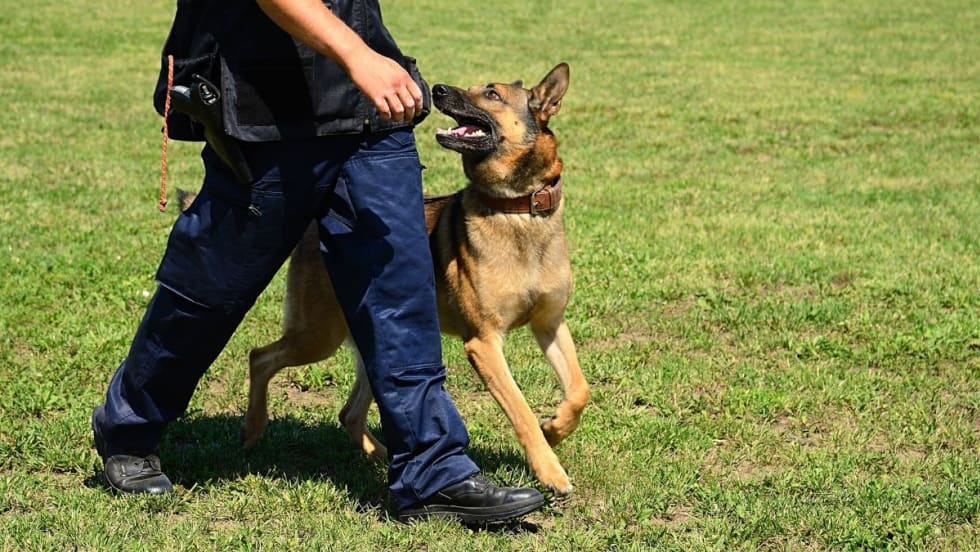
Preventing Heat Injury in Police K-9s
In the relentless heat of summer and even early fall in some parts of the country, officers face the important task of protecting their K-9 partners while working in sweltering temperatures. Recognizing changes in a dog’s behavior is the key.
Read More →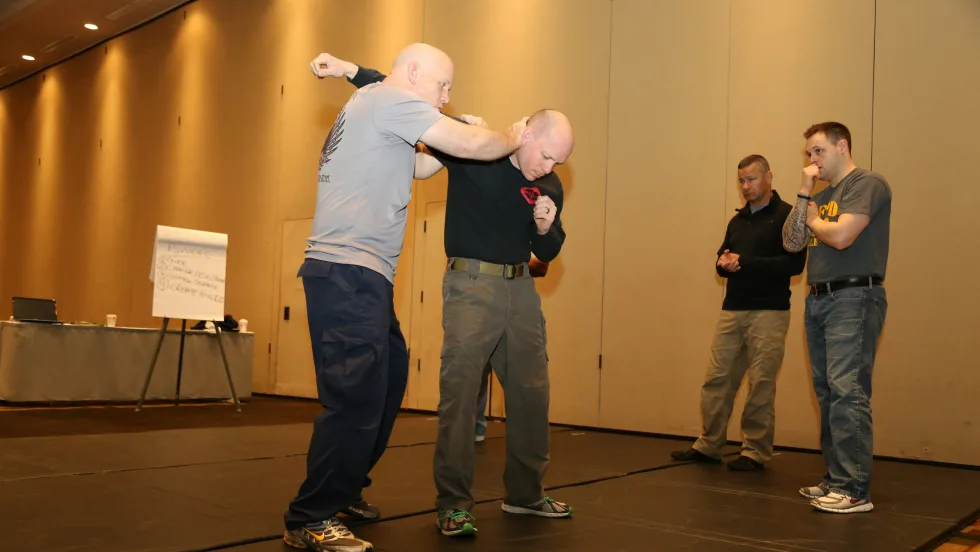
Why Your Agency Needs to Attend the ILEETA Conference
ILEETA is a complete resource for trainers to address trainers' needs. Its mission is to enhance the skills and safety of criminal justice practitioners while fostering stronger and safer communities.
Read More →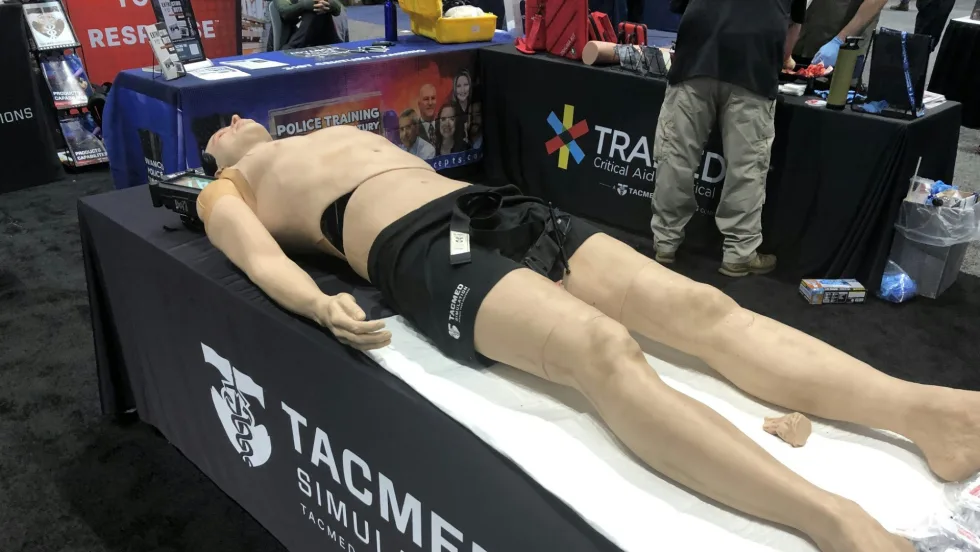
IACP 2023: New Training Products
Technologies for improving law enforcement training and training management were some of the highlights at this year's show.
Read More →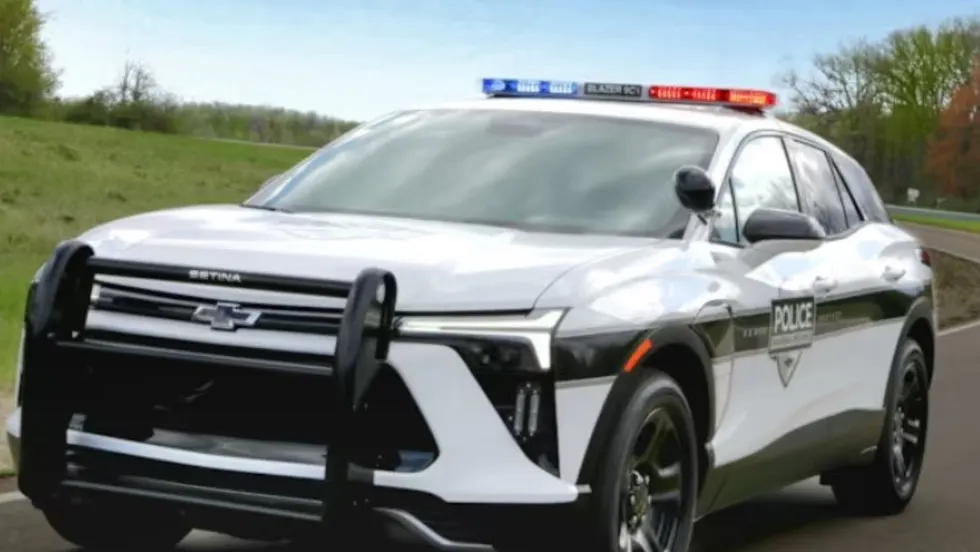
Initial Results Released from MSP 2024 Police Vehicle Testing
The 2024 pursuit-rated vehicles--all pickup trucks or SUVs, including two battery electric models the Chevrolet Blazer EV AWD and Ford Mustang Mach-E--were put through their paces.
Read More →
Officer Safety Considerations Related to Alternative-Fuel Vehicles
As more alternative-fuel and hybrid vehicles hit the road, police and other first responders need to understand that they are no more dangerous than conventional vehicles. However, there are certain safety considerations every cop should know.
Read More →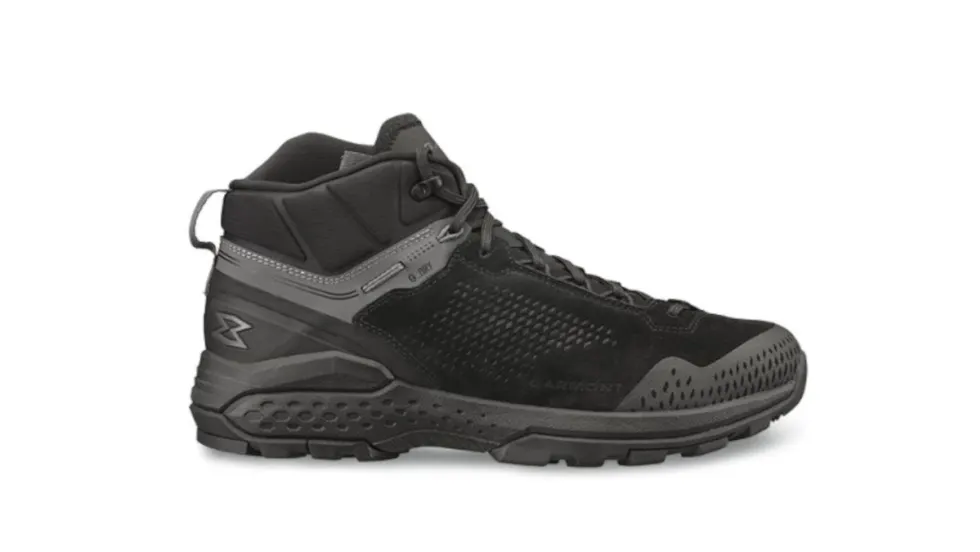
Garmont Working to Grow LE Market Presence
Garmont Tactical has found wide acceptance by military boot buyers, but now the company is trying to better respond to the needs of police officers. Many cops now are not fans of 8-inch boots, so Garmont is adapting.
Read More →
Publisher’s Note: Our Commitment to You
Through our magazine and website and our Police Technology eXchange event, we promise to provide you with information and access to resources to help you do your job safer and better.
Read More →
10 Tips for Responding to Mental Health Crisis Calls
The Harris County Sheriff's Office is a model for other agencies that want to learn about crisis intervention and mental health crisis response. Sgt. Jose Gomez shares the story of their programs and provides 10 tips for mental health crisis call response
Read More →
5 Things to Know When Buying Concealed-Carry or Off-Duty Holsters
Mike Barham, of Galco Holsters, shares five important considerations to keep in mind when you buy off-duty concealed or plain-clothes carry holsters.
Read More →
10 Tips for Reviewing Use-of-Force Reports
While the burden of accurately reporting use-of-force situations is on an individual deputy or officer, the person reviewing those reports shares in the responsibility of making sure the reporting is done properly, with clear details included.
Read More →