



Tire Deflation Devices: Is Ending a Pursuit Worth Ending a Life?
Officers must assess the risk versus the reward of putting holes in the tires of a fast-moving vehicle while standing dangerously close to the roadway.

Late last month we reported on an officer with the Fort Worth (TX) Police Department who was very badly injured while attempting to end a vehicle pursuit by deploying a tire deflation device on a roadway
Officer Matt Brazeal reportedly suffered "catastrophic" injuries and will likely spend the next year—or more—in the hospital recovering.
Earlier this year, we reported on the death of Bell County (TX) Deputy John Andrew Rhoden, who died while assisting the Williamson County Sheriff's Office as a vehicle pursuit went from one county to another.
Rhoden was attempting to deploy spike strips on an interstate to end the vehicle pursuit when he was struck and killed by a tractor-trailer truck.
Also this year, we reported on the death of a trooper with the Washington State Police who was attempting to deploy spike strips to bring a pursuit to a stop when the fleeing vehicle struck and killed him.
Trooper Justin Schaffer was transported to a nearby hospital where he later died of injuries suffered while trying to end a vehicle pursuit with the use of spikes.
Tragic stories of these law enforcement deaths are not uncommon. Every year it seems, officers are injured or killed while attempting to deploy tire deflation devices in an effort to end a high-speed pursuit.
The question becomes, "Is ending a vehicle pursuit worth risking the end of a law enforcement officer's career or even their life?"
The short answer is a resounding "no."
Risk Management
Altogether too many officers have been badly injured or killed deploying "spike strips." Many of those injuries or deaths occurred while LEOs were deploying tire deflation devices on an interstate freeway or rural roadway where speeds could reach more than 100 miles per hour.
So an officer stands at the roadside as a suspect vehicle rapidly approaches, followed by a number of police patrol vehicles also travelling at high speed. Even at half that speed—50 miles per hour—the reaction time of a human being is not good enough to dodge a ton of metal and plastic driven by someone with malicious, malevolent intent.
It has been reported that as many as 30 people have been killed in the two decades since "spike strips" were introduced into police inventory, with some victims intentionally run over by drivers trying to evade those tire deflation devices by leaving the road and driving along the shoulder where the officer was trying to stay safe.
The deployment of tire deflation devices is not something an officer does with great frequency, and it is clear from some of the videos one can find online that officers doing this are simply improvising.
Safety Issues
In a typical case, an officer attempts to manually apply the tire deflation device across the road in such a way that it impacts the suspect vehicle, and then quickly attempts to clear the roadway before the pursuing patrol cars cross the area.
The problem is—as is all too common in most skills of the law enforcement universe—there is not an abundance of training with these devices. Officers are issued "spike strips" with just the scantest guidance on how to safely use them.
And most of that training takes place in a department parking lot with skilled drivers who have no ill-will or violent intent—in fact, those trainers have the officer's safety at the top of their mind.
This unnecessary danger of injury or worse can be avoided with just a few thoughts on how—and when—to use tire deflation devices.
The first rule of thumb on "how" to deploy tire deflation devices is to create a wide "buffer zone" between the roadway on which the strips are thrown and the officer deploying them.
Some agencies instruct officers to use a patrol vehicle as a shield, parking the squad car beside the road and deploying the spike strips from a distance ahead of the front bumper.
However, this can be counterproductive. The obvious presence of a squad car beside the road will alert the fleeing driver to the fact that there might be spike strips ahead. Further, the presence of the patrol car at roadside might make the subject leave the road and drive through the area in which the officer is taking shelter on the shoulder.
It may be best to deploy spike strips just beyond a freeway overpass, with a concrete abutment beside the road to protect the officer. Thick woods on rural roads also offer some level of protection.
Then the question becomes "when" to even pull those devices from the trunk of the patrol car.
In most cases, the answer to that is a resounding "no."
In many police pursuits, the offender is the registered owner of the vehicle in flight. So finding that person at a later time would—in most cases—be reasonably effortless. Last known residence, employer, associates, places of preference, could easily be pulled from just the license plate.
Officers must assess the risk versus the reward of putting holes in the tires of a fast-moving vehicle while standing dangerously close to the roadway on which that vehicle is moving.
Final Words
Putting a cop in the path of a person who might commit an unimaginable act of violence with a two-ton projectile simply doesn't seem worth it to me, and my sense is that many agencies and officers are beginning to come to that same conclusion.
A vehicle pursuit is a dangerous business any way you cut it, but placing an officer beside the roadway with little protection and the unenviable task of tossing a tire deflation device out and then quickly clearing it from the road may not be the best strategy for bringing an end to the chase.
Are there instances in which the deployment of a tire deflation device is the correct tactical option? Absolutely. But other options should be explored before resorting to this low-frequency / high-risk maneuver, and every effort should be made to ensure that an officer engaged in this activity is protected to the best of the agency's ability.
More Blog Posts
Preventing Heat Injury in Police K-9s
In the relentless heat of summer and even early fall in some parts of the country, officers face the important task of protecting their K-9 partners while working in sweltering temperatures. Recognizing changes in a dog’s behavior is the key.
Read More →
Why Your Agency Needs to Attend the ILEETA Conference
ILEETA is a complete resource for trainers to address trainers' needs. Its mission is to enhance the skills and safety of criminal justice practitioners while fostering stronger and safer communities.
Read More →
IACP 2023: New Training Products
Technologies for improving law enforcement training and training management were some of the highlights at this year's show.
Read More →
Initial Results Released from MSP 2024 Police Vehicle Testing
The 2024 pursuit-rated vehicles--all pickup trucks or SUVs, including two battery electric models the Chevrolet Blazer EV AWD and Ford Mustang Mach-E--were put through their paces.
Read More →
Officer Safety Considerations Related to Alternative-Fuel Vehicles
As more alternative-fuel and hybrid vehicles hit the road, police and other first responders need to understand that they are no more dangerous than conventional vehicles. However, there are certain safety considerations every cop should know.
Read More →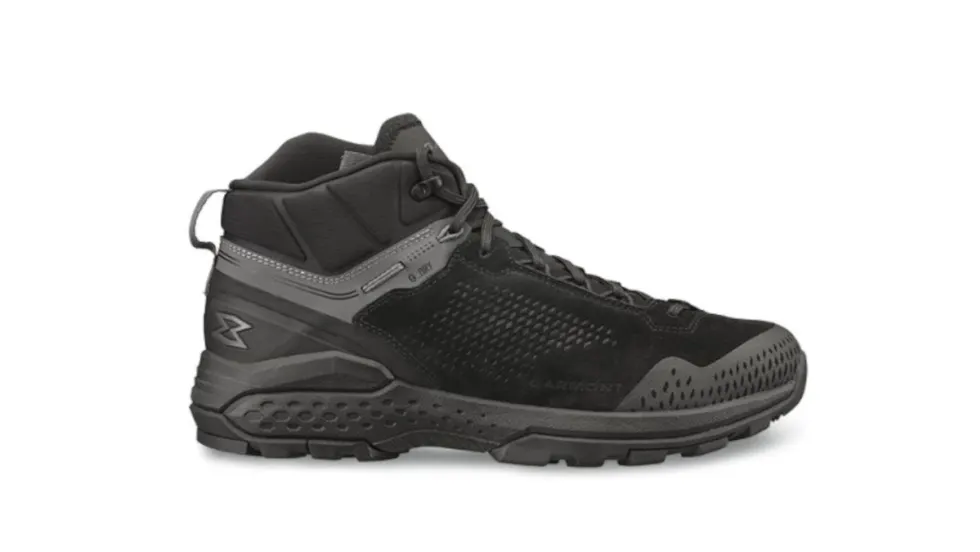
Garmont Working to Grow LE Market Presence
Garmont Tactical has found wide acceptance by military boot buyers, but now the company is trying to better respond to the needs of police officers. Many cops now are not fans of 8-inch boots, so Garmont is adapting.
Read More →
Publisher’s Note: Our Commitment to You
Through our magazine and website and our Police Technology eXchange event, we promise to provide you with information and access to resources to help you do your job safer and better.
Read More →
10 Tips for Responding to Mental Health Crisis Calls
The Harris County Sheriff's Office is a model for other agencies that want to learn about crisis intervention and mental health crisis response. Sgt. Jose Gomez shares the story of their programs and provides 10 tips for mental health crisis call response
Read More →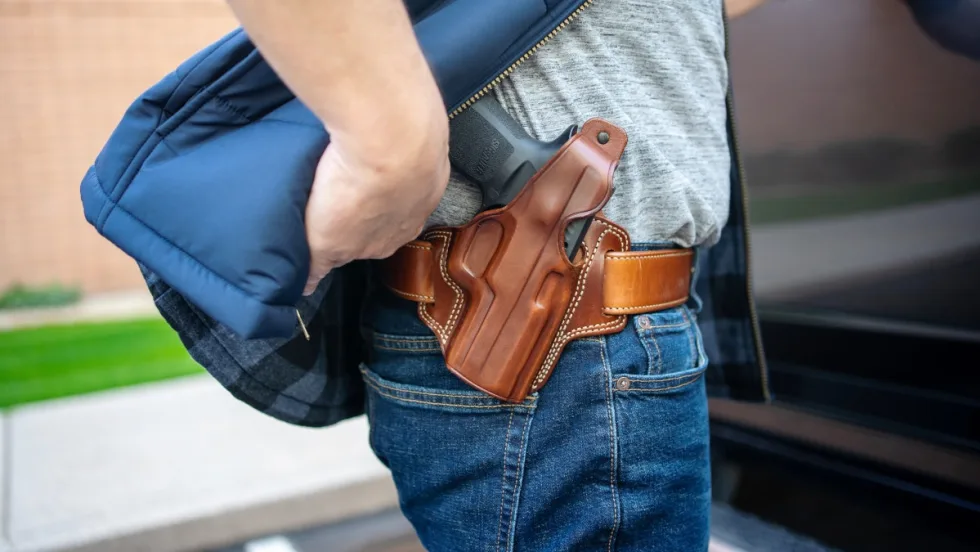
5 Things to Know When Buying Concealed-Carry or Off-Duty Holsters
Mike Barham, of Galco Holsters, shares five important considerations to keep in mind when you buy off-duty concealed or plain-clothes carry holsters.
Read More →
10 Tips for Reviewing Use-of-Force Reports
While the burden of accurately reporting use-of-force situations is on an individual deputy or officer, the person reviewing those reports shares in the responsibility of making sure the reporting is done properly, with clear details included.
Read More →