



The High Cost of a Dynamic Entry
In an earlier blog post, we asked you to consider a scenario and decide whether to forcibly enter a residence to remove a high-risk suspect. Here's how the scenario played out and what lessons can be learned.

In an earlier blog post, Is Dynamic Entry Worth the Risk?, we asked you to consider a scenario and decide whether to forcibly enter a residence to remove a high-risk suspect.
You may want to read that post first to reacquaint yourself with the "set up," before reading the following post detailing how the scenario actually unfolded.
OK, now that you're back. Here's the answer.
The suspect was at home watching television in his living room. The tactical team deployed front and rear perimeter security, while the other members stacked on the front porch. Entry was made at approximately 2345 hours (11:45 p.m.).
Things went sideways from the start. Breaching the storm door alerted the suspect to the presence of the team.
The breacher had to rip away the locked glass-and-aluminum storm door. This took time and made a lot of noise before the ram could be deployed on the inner door. Storm doors, which would not be an issue for officers working on the west coast or other warm-weather climates, can be more problematic than a sturdy oak door. They will flex, tear and still hang on by one or two hinges. And they usually have a pane of glass. The ones that look cheap and flimsy are usually the most difficult.
The main door was quickly taken down with a ram. A flash-bang was deployed into the room occupied by the suspect. It had little or no effect in disorienting the suspect.
At this point, the suspect was rolling off the couch and onto the floor with his .44 Magnum revolver in hand. As the shield and defense men entered, the suspect fired four rounds from a prone position. Other than his lower legs, the only exposed part to the shield officer was his right arm holding the pistol.
Three of the suspect's rounds missed all three officers. One round hit the shield man in the elbow, traveled up his triceps and exited out the back of his right shoulder. The two other officers returned fire — eight of their 11 rounds hit the suspect in the head and neck. The suspect was dead right there. The wounded officer was immediately transported via rescue squad to a hospital. The house was cleared.
An internal investigation found no violation of policy or wrongdoing on the part of the team. A grand jury came to the same conclusion.
The officer that was wounded, suffered a shattered elbow and was told he would likely never return to full duty. He retired with a disability pension several months later.
This incident took place over 15 years ago during a different time when dynamic entry was the first option for many agencies. There wasn't a great deal of debate about it.
Your comments on the first part of this scenario were all spot on, well thought out and articulated. As you correctly pointed out, there was no urgency, and the suspect could have been taken down and the evidence (revolver) secured by looking at other options.
This mission was accomplished, but at a steep price.
Related: Is Dynamic Entry Worth the Risk?
More Blog Posts
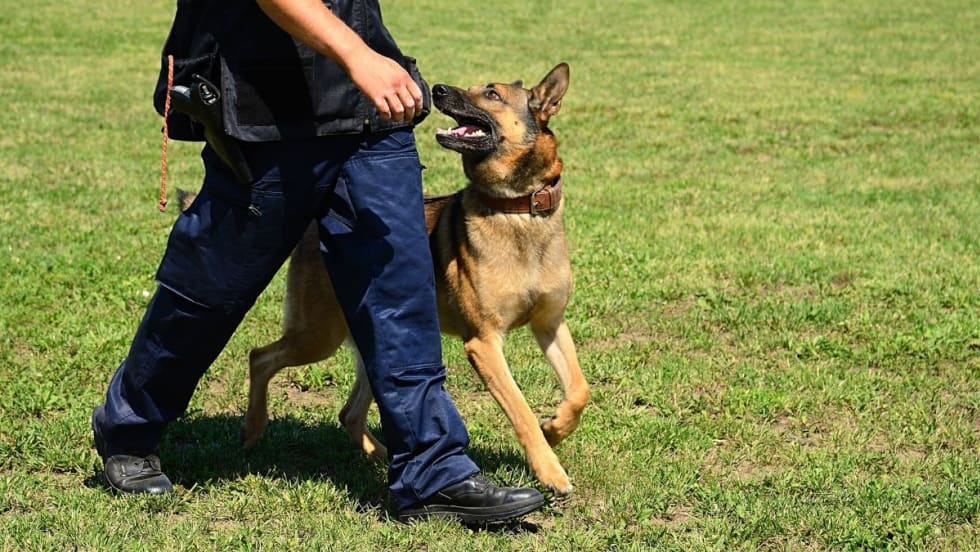
Preventing Heat Injury in Police K-9s
In the relentless heat of summer and even early fall in some parts of the country, officers face the important task of protecting their K-9 partners while working in sweltering temperatures. Recognizing changes in a dog’s behavior is the key.
Read More →
Why Your Agency Needs to Attend the ILEETA Conference
ILEETA is a complete resource for trainers to address trainers' needs. Its mission is to enhance the skills and safety of criminal justice practitioners while fostering stronger and safer communities.
Read More →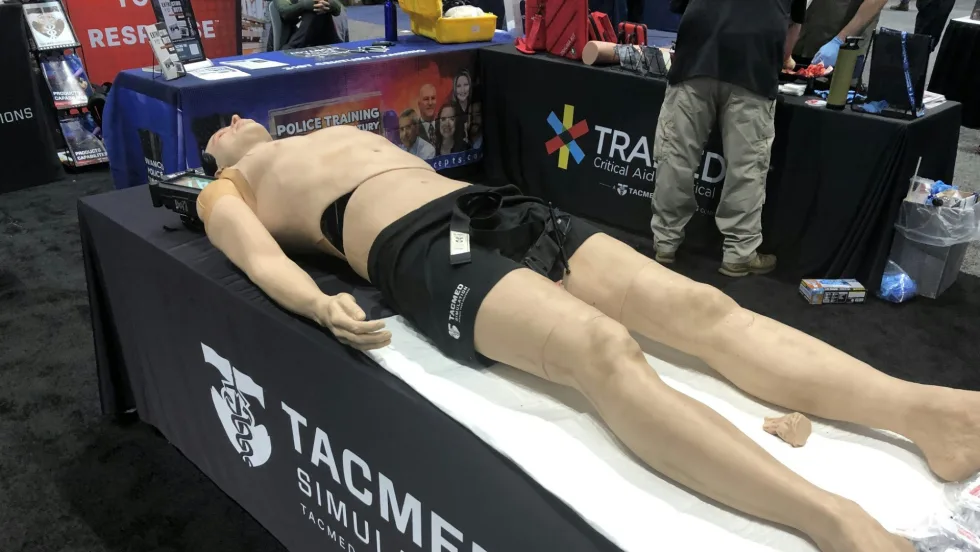
IACP 2023: New Training Products
Technologies for improving law enforcement training and training management were some of the highlights at this year's show.
Read More →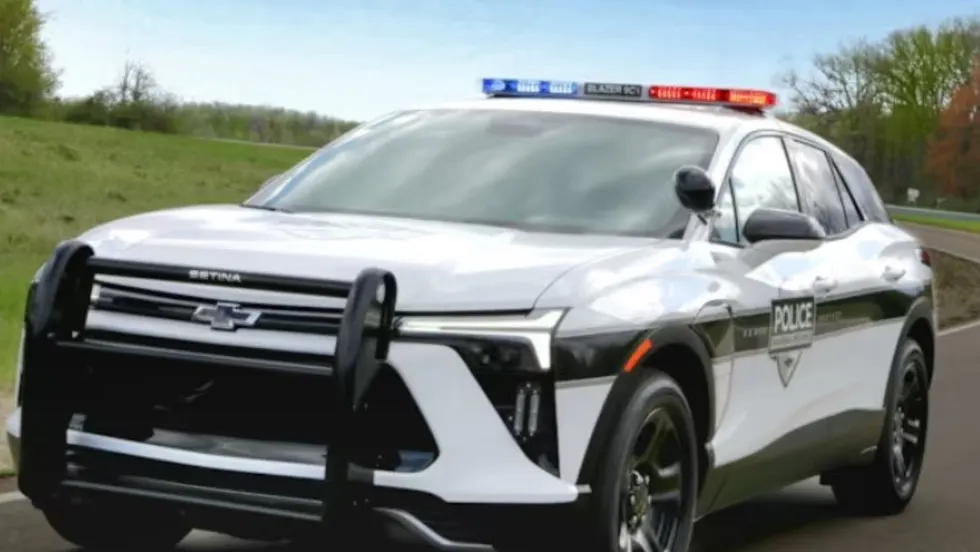
Initial Results Released from MSP 2024 Police Vehicle Testing
The 2024 pursuit-rated vehicles--all pickup trucks or SUVs, including two battery electric models the Chevrolet Blazer EV AWD and Ford Mustang Mach-E--were put through their paces.
Read More →
Officer Safety Considerations Related to Alternative-Fuel Vehicles
As more alternative-fuel and hybrid vehicles hit the road, police and other first responders need to understand that they are no more dangerous than conventional vehicles. However, there are certain safety considerations every cop should know.
Read More →
Garmont Working to Grow LE Market Presence
Garmont Tactical has found wide acceptance by military boot buyers, but now the company is trying to better respond to the needs of police officers. Many cops now are not fans of 8-inch boots, so Garmont is adapting.
Read More →
Publisher’s Note: Our Commitment to You
Through our magazine and website and our Police Technology eXchange event, we promise to provide you with information and access to resources to help you do your job safer and better.
Read More →
10 Tips for Responding to Mental Health Crisis Calls
The Harris County Sheriff's Office is a model for other agencies that want to learn about crisis intervention and mental health crisis response. Sgt. Jose Gomez shares the story of their programs and provides 10 tips for mental health crisis call response
Read More →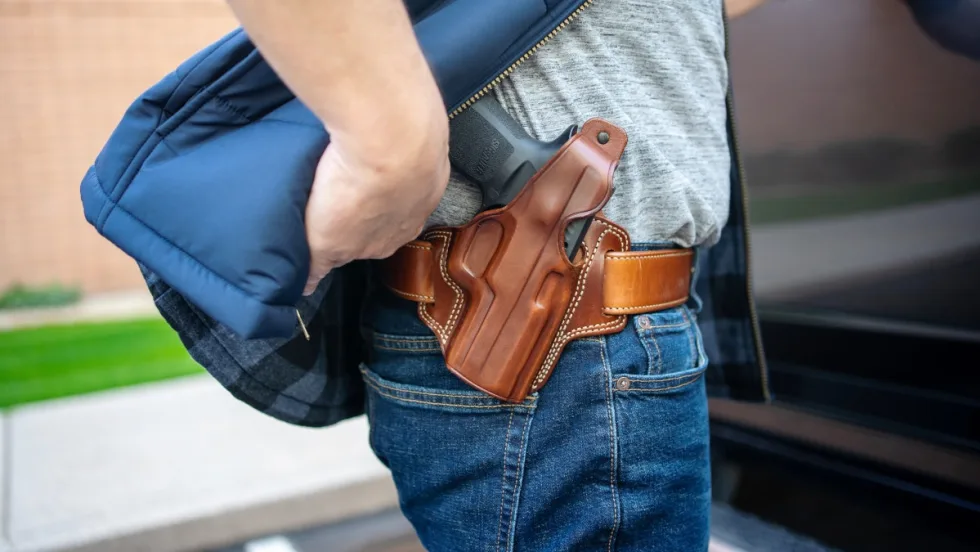
5 Things to Know When Buying Concealed-Carry or Off-Duty Holsters
Mike Barham, of Galco Holsters, shares five important considerations to keep in mind when you buy off-duty concealed or plain-clothes carry holsters.
Read More →
10 Tips for Reviewing Use-of-Force Reports
While the burden of accurately reporting use-of-force situations is on an individual deputy or officer, the person reviewing those reports shares in the responsibility of making sure the reporting is done properly, with clear details included.
Read More →