



The High-Compressed Ready Position in Low-Light Combat
Traditional handgun and flashlight combination techniques, place the off-hand in contact with the firing hand and result in the firearm being pushed out in front of the body much more significantly than the high-compressed ready, thereby reducing your retention ability, increasing your exposure around corners, and also causing your muscles to fatigue faster.

There are several “accepted” flashlight techniques that are taught for utilizing a powerful compact flashlight in conjunction with a firearm. Traditional combination techniques result in several things that I feel are detrimental to efficiency, consistency, and effectiveness in combat.
At The Valhalla Training Center and in the Combat Focus Shooting program, we teach officers to use the high-compressed ready position. When using a light with this technique, use the light to identify threats and the pistol as a pistol to engage them. But don’t combine these actions into one technique.
At Valhalla, we teach students to use the flashlight independently of the pistol, keeping it in close to their bodies near their off-hand shoulder, where it does not project out in front of their bodies. By shining the flashlight from this position, it is easy to direct it anywhere that your head can turn, including over your strong side shoulder by coming across your chin.
While your off-hand is shedding light on the dark areas of your environment, your strong hand is holding the pistol in the standard high-compressed ready position. From that position, the pistol can either be extended into a one-handed shooting position that is consistent with your standard (ambient light) shooting position or fired from a retention position in response to an extreme close quarters ambush.
You may think that a one-handed shooting position puts you at a disadvantage in terms of accuracy, but it really doesn’t in this scenario. It is unlikely that you will illuminate any threat with a compact flashlight that you cannot engage one-handed just about as well as you could two-handed.
And traditional flashlight techniques, are not really two-handed shooting. In my observation of shooters trying to utilize them during training, most use them awkwardly at best and do not show any significant improvement over one-handed shooting. In fact, most shooters slow down significantly with these techniques with no significant increase in accuracy over one-handed shooting at similar distances.
Consistency is the key to efficient dynamic shooting and trying to learn a third shooting position (not really two-handed or one-handed) works against consistency. Let your low-light/no-light shooting be another motivation for practicing one-handed shooting at close range. The day may come that you will need this highly underrated skill
One downside to the high-compressed ready position with a flashlight is that the light can shine off the back of your strong hand and firearm after extension. This casts a shadow on the target and can blind the shooter temporarily if his or her skin or firearm reflects enough light back. Using minimal light, aimed low at the target virtually eliminates this situation. Staying squared off toward the target and not blading also reduces the risk of aligning the light and your pistol.
Often, in low light there is plenty of ambient illumination for you to shoot at a threat but not enough to identify the threat in the first place. You can see the person, but not the lethal weapon in his or her hands. In this case, the flashlight can even be turned toward the floor or off as the pistol is extended and the target engaged.
As with all other aspects of tactical training, techniques must be practiced before they can be used efficiently. By limiting the options of ready and shooting positions, we make consistency easier and we can be effective faster during a dynamic critical incident.
More Blog Posts
Preventing Heat Injury in Police K-9s
In the relentless heat of summer and even early fall in some parts of the country, officers face the important task of protecting their K-9 partners while working in sweltering temperatures. Recognizing changes in a dog’s behavior is the key.
Read More →
Why Your Agency Needs to Attend the ILEETA Conference
ILEETA is a complete resource for trainers to address trainers' needs. Its mission is to enhance the skills and safety of criminal justice practitioners while fostering stronger and safer communities.
Read More →
IACP 2023: New Training Products
Technologies for improving law enforcement training and training management were some of the highlights at this year's show.
Read More →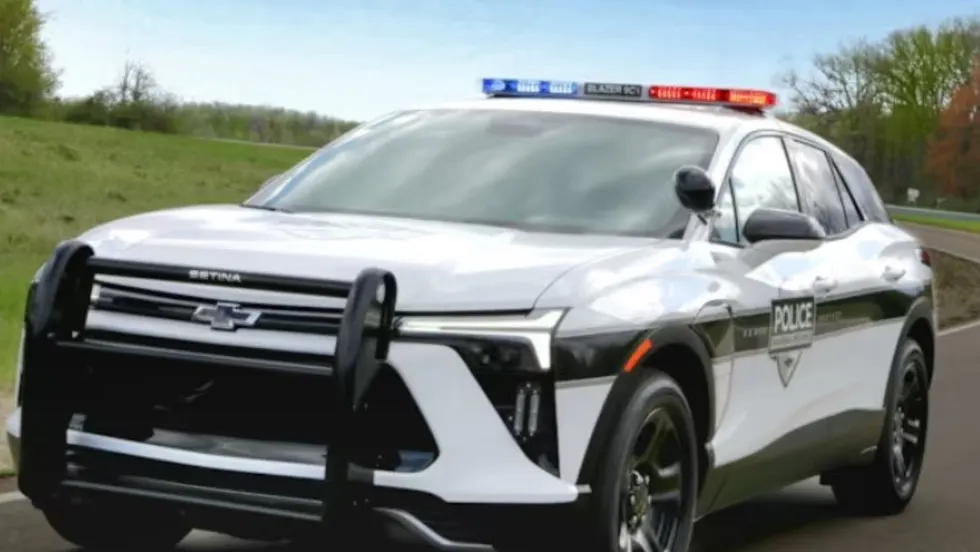
Initial Results Released from MSP 2024 Police Vehicle Testing
The 2024 pursuit-rated vehicles--all pickup trucks or SUVs, including two battery electric models the Chevrolet Blazer EV AWD and Ford Mustang Mach-E--were put through their paces.
Read More →
Officer Safety Considerations Related to Alternative-Fuel Vehicles
As more alternative-fuel and hybrid vehicles hit the road, police and other first responders need to understand that they are no more dangerous than conventional vehicles. However, there are certain safety considerations every cop should know.
Read More →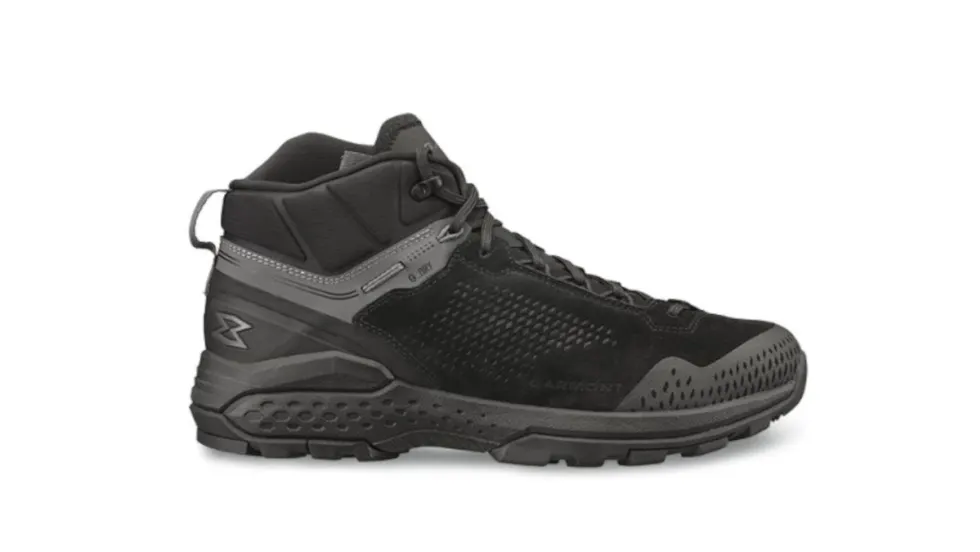
Garmont Working to Grow LE Market Presence
Garmont Tactical has found wide acceptance by military boot buyers, but now the company is trying to better respond to the needs of police officers. Many cops now are not fans of 8-inch boots, so Garmont is adapting.
Read More →
Publisher’s Note: Our Commitment to You
Through our magazine and website and our Police Technology eXchange event, we promise to provide you with information and access to resources to help you do your job safer and better.
Read More →
10 Tips for Responding to Mental Health Crisis Calls
The Harris County Sheriff's Office is a model for other agencies that want to learn about crisis intervention and mental health crisis response. Sgt. Jose Gomez shares the story of their programs and provides 10 tips for mental health crisis call response
Read More →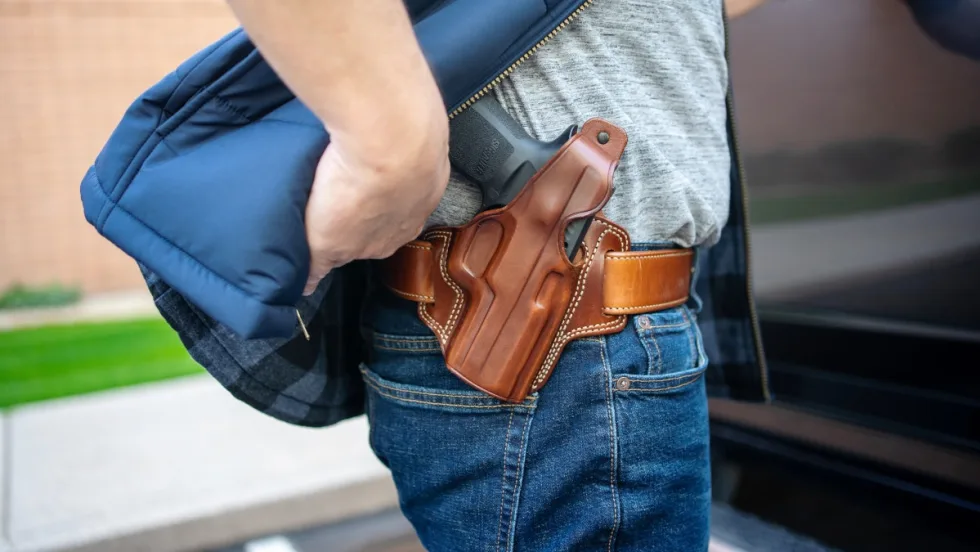
5 Things to Know When Buying Concealed-Carry or Off-Duty Holsters
Mike Barham, of Galco Holsters, shares five important considerations to keep in mind when you buy off-duty concealed or plain-clothes carry holsters.
Read More →
10 Tips for Reviewing Use-of-Force Reports
While the burden of accurately reporting use-of-force situations is on an individual deputy or officer, the person reviewing those reports shares in the responsibility of making sure the reporting is done properly, with clear details included.
Read More →