



Taggers, Tagger Crews, and Tag Bangers
Tagger crews often include people from different ethnic backgrounds and both male and female members. The boys are “Kings” and the girls are “Queens.” The most prolific are kids from 13 to 17 years old. Taggers dress like most other kids but can adopt gang-like dress. Mostly they wear baggy dark colored clothing or perhaps professional sport team clothing. Taggers need their tools so they often travel with various sizes of aerosol paint tips in a case. They carry “Mean Streak” paint mark

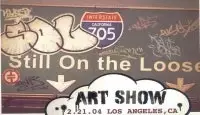
In my Compton High School days, I was on the production art staff specializing in large murals and Christmas windows. I belonged to a group called VIA for Very Important Artists. Today I still sign my drawings with the VIA VAL. Perhaps today, I might have been a tagger.
Everyone has seen these colorful crew and individual stylized “tag” signatures on any writable surface in our cities. Tagging is very different from traditional gang graffiti, or “placas” in Calo gang slang.
In Tagging the letter shapes and word spellings can be sacrificed for aesthetics, or the look. But in gang graffiti, the gang name or symbol must be clear to others. Reading gang writing—the newspaper of the street—is a necessity for gang investigators, but you must use lots of imagination to read most tags.
And you can’t blame these Taggers on Los Angeles; they were born in New York in the summer of 1970. “TAG” stands for Tough Artist Group, and the first recognized tag was TAKI #183. This was actually the nickname and badge number of a New York City firefighter. The Fireman was injured in an emergency situation while rescuing some people from a burning building. He was a hero, only problem was that he was also off duty. The New York City authorities did not grant him a medical retirement because he was not properly on duty at the time of the injury. Over the years he grew depressed and financially hard pressed fighting for his retirement.
The fireman’s younger brother tried to draw attention to his plight by writing TAKI #183 everywhere in the city. He wrote on buildings, street signs, and on the transit subway cars. Eventually he drew the attention of a New York Times reporter who tracked him down and wrote an article about the tagger and his fireman brother.
So the story has a happy ending because the city did finally grant the firefighter his retirement. Does this story sound familiar? That’s because it was depicted in a movie called "TURK #182."
When hip-hop music became popular in New York, kids stood on corners with boom boxes and did pop lock and break dancing moves in front of murals on brick walls or old cardboard boxes. These murals colorfully depicted a New York, or at least an urban skyline. These original dancing graffiti artists and street poets were strongly opposed to gang violence. This tagging and “bombing” was most prized when it was the most visible to the most people. So early on, “going to the heavens” or tagging on high rise structures became important. Tagging busses, subway trains, and railroad cars got the tagging exposed all over the city, and hopefully across the country. This moving canvas spread the new “tough urban kid opposed to gang banging” life style across the U.S. and into Canada and Mexico.
Across the Americas, hip-hop kids began to compete for the tagger fame by “Getting up” in the most inaccessible places or the most times. Freeway signs, water towers, walls, and empty buildings began to be covered up by competing taggers and their “crews.” The “pieces” they painted became more and more elaborate, and as the open spaces were filled the cleverest styles stood out from the “surfus statik” of the less talented taggers.
Many crews that formed were difficult to track because they would change their tag or crew names. SLIME had back up names like SKUM and PUKE. TDK could mean Total Dance Kings, The Def Kings, Total Destruction Krew or just Those Dam Kids.
In Los Angeles in the 1980s, we had our most famous tagger, a young man who signed his tags “CHAKA”, which is street slang for drug dealer. Chaka was a 213 “oner” not associated with a tagger crew, but proficient as an army in getting his tag up.
Every bus, building, alley, and freeway overpass in Los Angeles had Chaka tagged on it in multiple places. I remember thinking that this was impossible for one person to write his name so many times in so many places from the Santa Monica shoreline to the Inland Empire. Repairing the vandal’s damage was estimated by the Rapid Transit District and LAPD to cost in the tens of thousands of dollars.
And Chaka's tags, as destructive as he was, were just a drop in the bucket. The RTD (L.A.’s bus system) spends over $14 million and CALTRANS spends $2.5 million, a year on repairing and removing tagger vandalism. Additionally $9.5 million are wasted by L.A. Schools and $3 million by the Department of Public Works removing tags.
Eventually, Chaka was arrested and taken before a judge. The judge foolishly believed Chaka was just another innocent kid (an adult by this time), expressing himself in a cultural and artistic way. After securing his promise to respect the property of others and stop his tagging, the judge released him. Riding the elevator down from the courtroom in the Criminal Courts Building, Chaka defiantly spray painted his tag on the elevator back wall. Unfortunately for Chaka, he was caught by LAPD officers when the doors came open and he was returned to the courtroom. This time the judge was not so lenient.
Chaka served time for this, and later for drug trafficking. Like all good taggers he had a “back up” tag. His backup tag was ROACH. When I return to Los Angeles and drive around the city I see Chaka’s backup tag ROACH written everywhere. And that is the problem, taggers have a very difficult time not tagging.
Imagine you have a little male puppy you just bought. Someone accidentally left your fence gate open and the cute puppy escapes. The first thing that puppy will do is to go up to a tree, telephone pole, or fire hydrant and pee. This is an act of defiance and a challenge to other dogs. Some might say no, it is only what comes naturally to the dog. Let me ask you something, does the dog pee in his own bed? Does he pee near his own food? No, the puppy is marking out his territory and defying any claim by other dogs. If another dog should pass and smell the marking what will that dog do? It will pee over the other puppy’s mark. What will likely happen if both dogs come together? They will fight.
There are “leaders” in our communities that want to start programs that provide a public place for gang members or taggers to express themselves and their culture by painting murals. The 90 percent who are going to school, working, and staying out of trouble never get such an opportunity. The resulting mural is often a very negative depiction of militant racism, antipolice, and a glorification of the fallen homeboys in a place of prominence in the community.
So what do you have if you allow a colorful mural depicting the Lady of Guadalupe over the graves of the homeboys who were killed in gang violence and the name of the local gang or crew written in fancy Old English letters? You have pretty dog piss.
The local rival groups will find a way to pee over that mark. And if crossing out someone’s tag in the back alley will get you killed, what will crossing out the Lady of Guadalupe and the dead homeboys do? People have died as a result of such foolishness.
Once upon a time, the LAPD allowed a group of street artists to paint a mural on the side of a LAPD building near downtown Los Angeles. They should have checked out the preliminary drawings before they started because the mural turned out to be a huge negative painting of LAPD cops as pigs. To make matters worse, someone got a court order restraining the LAPD from painting over the art work so the cops had to endure this insult for months before they could clear it up in court.
Tagger crews often include people from different ethnic backgrounds and both male and female members. The boys are “Kings” and the girls are “Queens.” The most prolific are kids from 13 to 17 years old. Taggers dress like most other kids but can adopt gang-like dress. Mostly they wear baggy dark colored clothing or perhaps professional sport team clothing.
Taggers need their tools so they often travel with various sizes of aerosol paint tips in a case. They carry “Mean Streak” paint markers, scribing tools, gloves, and sometimes weapons. They commonly “jack” or “rack” the aerosol paint, spray tips, and markers by “rushing” a store in packs.
In the mid 1990s, the Los Angeles independent tagger crews were forced by the larger traditional gangs to become sub-sets or cliques of the traditional street gangs like Florence 13, 18th Street, and Mara Salvatrucha. Some resisted and became gangs of their own. The KAM (Krazy Ass Mexicans) was a party crew and tagger group that became a street gang. More and more frequently taggers began carrying weapons and shot at their rivals. These new gang-like taggers called themselves “tag bangers.”
As an artist I must say that some of their underground art work is very good. I wish I could post some of this graphics on this Web channel. My son attended college in Santa Cruz and some of his friends were outstanding taggers.
Today taggers sometimes use “slap ups” stencils and preprinted stickers to get up. Sometimes these “slap ups” are politically motivated and really have something to say. From our Neanderthal ancestor drawing in his fire lit cave, to “Killroy” in WWII, to today, people will continue to express themselves in graffiti.
Common Tagger Terms:
All city: famous tagger whose tags are seen all over the city
Back up: additional tag names or crew names
Bite off: a tag stolen, or in imitation of the style of another tagger
Bomb: a detailed tag
Bubble: bubble writing a common tagger style of letters
Burn: a tag or bomb covering over another taggers work
Cronic: Hydroponics Marijuana, now used to mean pot of any type
Def: the best or most beautiful
Hero: (dead hero) anyone trying to stop tagging
Hoochie: female
Howzer: houser or raver frequents underground parties
Rack: stealing the property of another
Snapper: break dancer
Softball: a spray paint tip that sprays a pattern the size of a softball
Tag war: a contest to tag the most in a given area and time
Throw up: a quick tag
Toy: false tagger
UC crew: “undercover crew,” taggers who secretly belong to a crew
More Blog Posts
Preventing Heat Injury in Police K-9s
In the relentless heat of summer and even early fall in some parts of the country, officers face the important task of protecting their K-9 partners while working in sweltering temperatures. Recognizing changes in a dog’s behavior is the key.
Read More →
Why Your Agency Needs to Attend the ILEETA Conference
ILEETA is a complete resource for trainers to address trainers' needs. Its mission is to enhance the skills and safety of criminal justice practitioners while fostering stronger and safer communities.
Read More →
IACP 2023: New Training Products
Technologies for improving law enforcement training and training management were some of the highlights at this year's show.
Read More →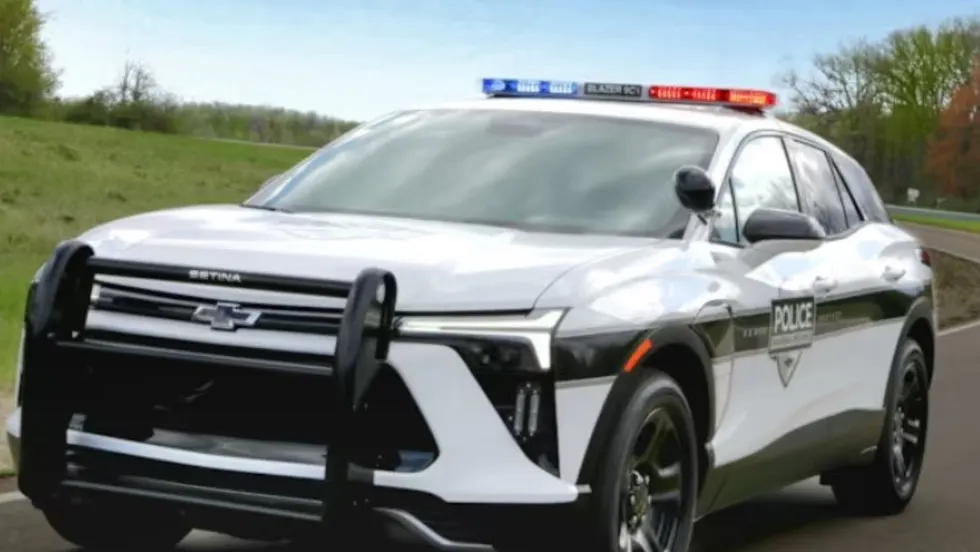
Initial Results Released from MSP 2024 Police Vehicle Testing
The 2024 pursuit-rated vehicles--all pickup trucks or SUVs, including two battery electric models the Chevrolet Blazer EV AWD and Ford Mustang Mach-E--were put through their paces.
Read More →
Officer Safety Considerations Related to Alternative-Fuel Vehicles
As more alternative-fuel and hybrid vehicles hit the road, police and other first responders need to understand that they are no more dangerous than conventional vehicles. However, there are certain safety considerations every cop should know.
Read More →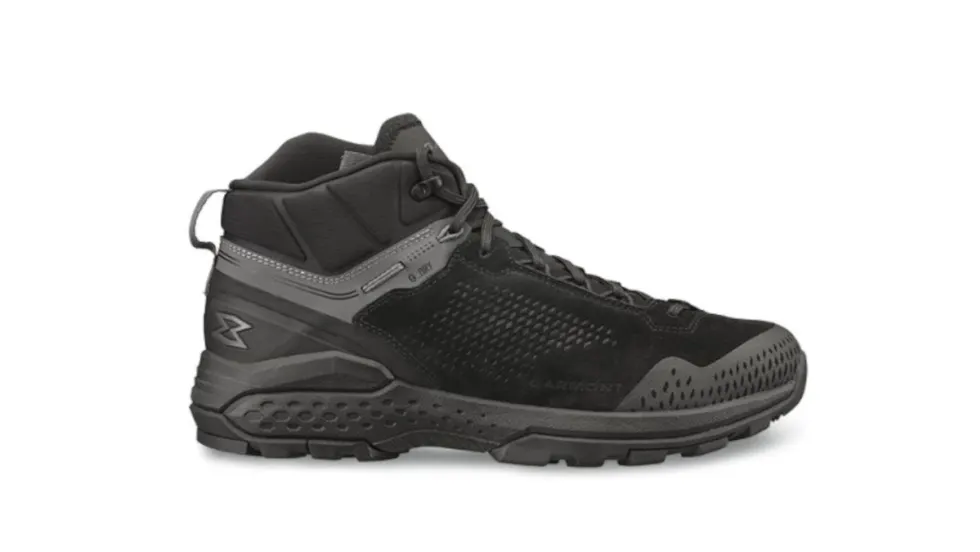
Garmont Working to Grow LE Market Presence
Garmont Tactical has found wide acceptance by military boot buyers, but now the company is trying to better respond to the needs of police officers. Many cops now are not fans of 8-inch boots, so Garmont is adapting.
Read More →
Publisher’s Note: Our Commitment to You
Through our magazine and website and our Police Technology eXchange event, we promise to provide you with information and access to resources to help you do your job safer and better.
Read More →
10 Tips for Responding to Mental Health Crisis Calls
The Harris County Sheriff's Office is a model for other agencies that want to learn about crisis intervention and mental health crisis response. Sgt. Jose Gomez shares the story of their programs and provides 10 tips for mental health crisis call response
Read More →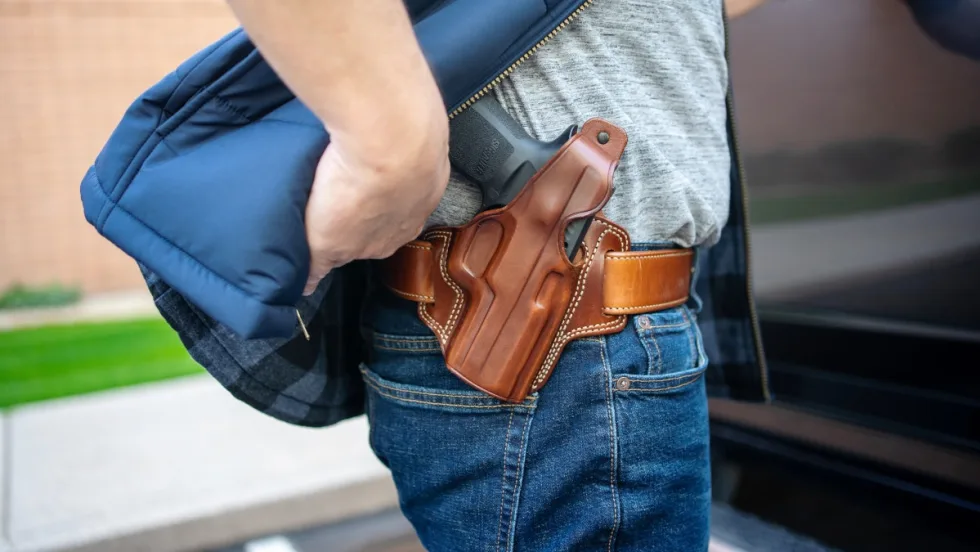
5 Things to Know When Buying Concealed-Carry or Off-Duty Holsters
Mike Barham, of Galco Holsters, shares five important considerations to keep in mind when you buy off-duty concealed or plain-clothes carry holsters.
Read More →
10 Tips for Reviewing Use-of-Force Reports
While the burden of accurately reporting use-of-force situations is on an individual deputy or officer, the person reviewing those reports shares in the responsibility of making sure the reporting is done properly, with clear details included.
Read More →