



Tactical Verbalization
You should be thinking to yourself as you approach any call for perceived dangers. For example, when I park the patrol car I should not park directly in front of the building. You should take critical microseconds to gain a tactical advantage that places you in an advantageous position to observe and respond.

One of the more difficult skills for the recruit to grasp is critical tactical thinking. This is a much sought after skill and it is sometimes difficult to cultivate. As a recruit you will have many doubts and fears during your response to calls or danger. The academy can only teach so much; you must develop your senses. But how?
If you recall your emergency vehicle operations course (EVOC), you have the concept. Now just adjust it to tactical response. In driving an emergency vehicle, you were taught to verbalize to your instructor upcoming road hazards or conditions. On the left are two kids playing in a yard; they could do this or that. Coming upon a four-way intersection, I do not have the light and so forth.
Recall this drill? You still should be doing this while driving to make yourself a safe emergency vehicle operator.
Quick review: Concealment is something that hides your presence and cover is something that hides and protects you from incoming weapon or projectile fire. One performance exercise that you will be graded on daily is your tactical thinking and response to dangers (every department has different verbiage). How did you approach a business during an alarm? How did you stand by a door or window? Did you walk down the sidewalk or take a more advantageous route?
Recall these?
You should be thinking to yourself as you approach any call for perceived dangers. For example, when I park the patrol car I should not park directly in front of the building. I exit and approach to the side of the business where there is a wooden fence (concealment) and then move behind a dumpster (cover). You should take critical microseconds to gain a tactical advantage that places you in an advantageous position to observe and respond.
Taking it to a higher playing field, plan out the escape routes as well. If I am standing here and I take on fire, I can drop off the porch for immediate cover. Run to the big tree or behind this car to gain immediate cover. Then regroup to seek other tactics as this event unfolds. Yes, I said escape routes, for you do not want to paint yourself into a corner you can't get out of. I have always said that a good run to regroup is better than a bad stand. Don't believe me? Research Custer.
What I want to offer up here is a refresher on verbalization of perceived dangers. No, you as a recruit will not know them all and you will be directed by your FTO on more perils to look for. What is important here is to enhance your 'but what, if then' thinking. There is neither a presentation nor book that is going to instill tactical thinking into your head.
You must think and live tactics to survive out there in the streets. Stop, analyze, and use all of your senses to make the proper decisions. There is nothing better than a big stinky dumpster to get behind for cover when that need arises. There is no worse feeling in the world than to look around and feel you are about to do a sprint to safety wondering where is a big tree when you need it. Learning and living tactics is a part of the job. It takes time and lots of practice.
Learn proper tactics, live tactically, and pass it on.
More Blog Posts
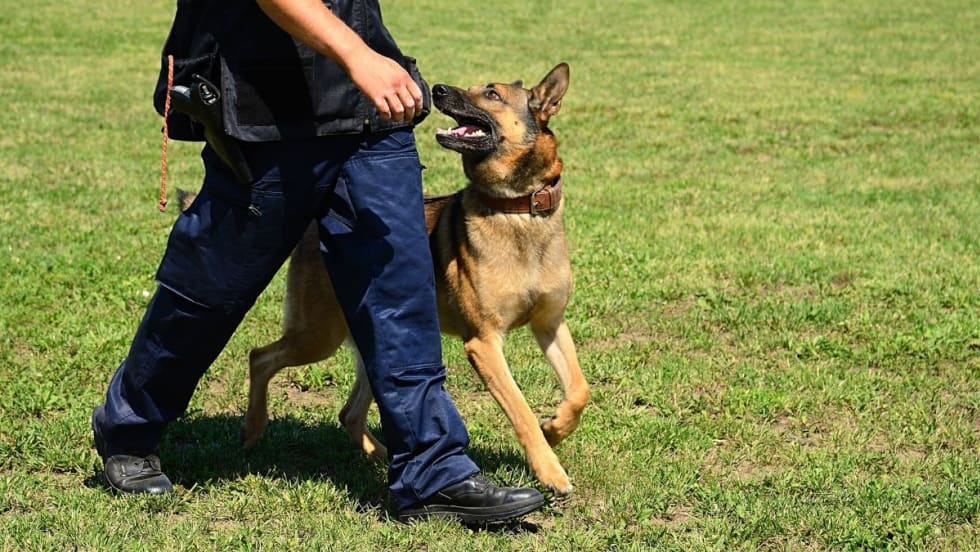
Preventing Heat Injury in Police K-9s
In the relentless heat of summer and even early fall in some parts of the country, officers face the important task of protecting their K-9 partners while working in sweltering temperatures. Recognizing changes in a dog’s behavior is the key.
Read More →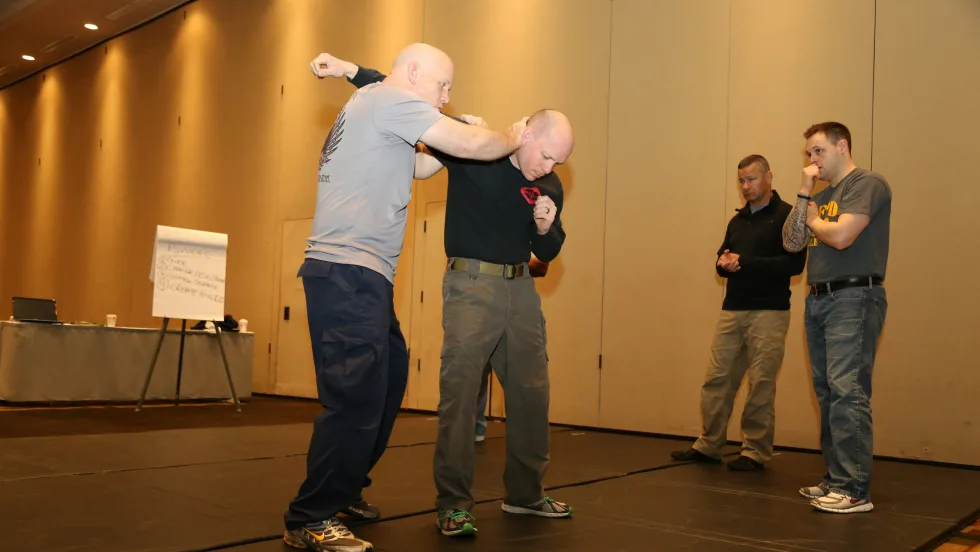
Why Your Agency Needs to Attend the ILEETA Conference
ILEETA is a complete resource for trainers to address trainers' needs. Its mission is to enhance the skills and safety of criminal justice practitioners while fostering stronger and safer communities.
Read More →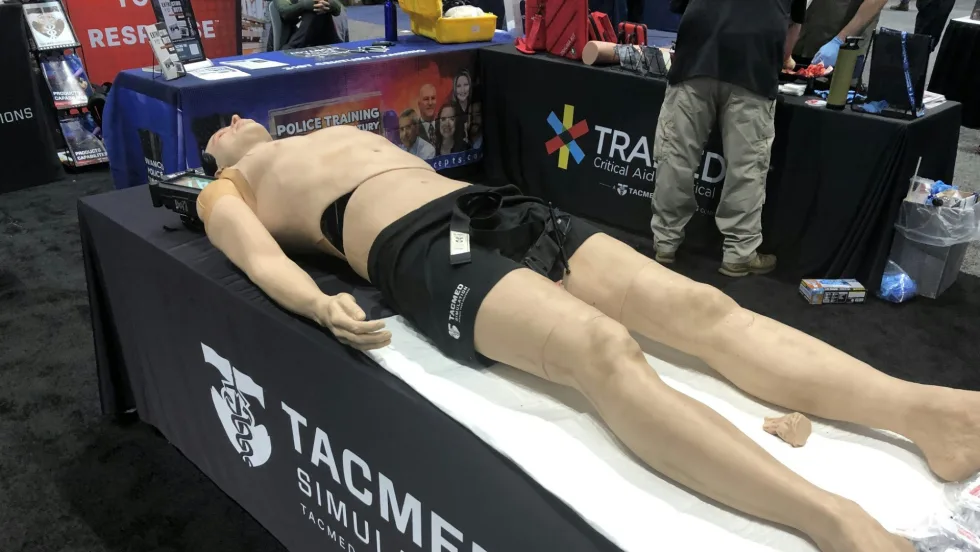
IACP 2023: New Training Products
Technologies for improving law enforcement training and training management were some of the highlights at this year's show.
Read More →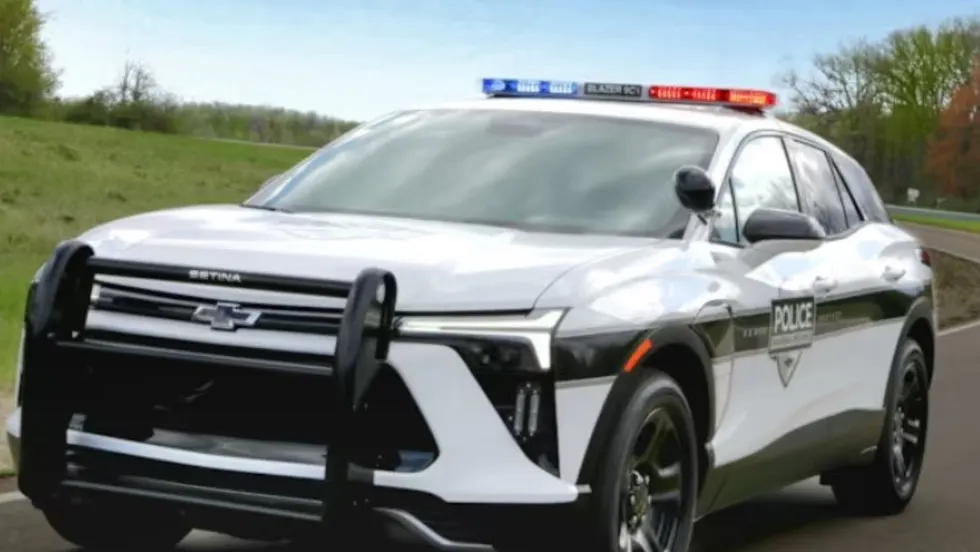
Initial Results Released from MSP 2024 Police Vehicle Testing
The 2024 pursuit-rated vehicles--all pickup trucks or SUVs, including two battery electric models the Chevrolet Blazer EV AWD and Ford Mustang Mach-E--were put through their paces.
Read More →
Officer Safety Considerations Related to Alternative-Fuel Vehicles
As more alternative-fuel and hybrid vehicles hit the road, police and other first responders need to understand that they are no more dangerous than conventional vehicles. However, there are certain safety considerations every cop should know.
Read More →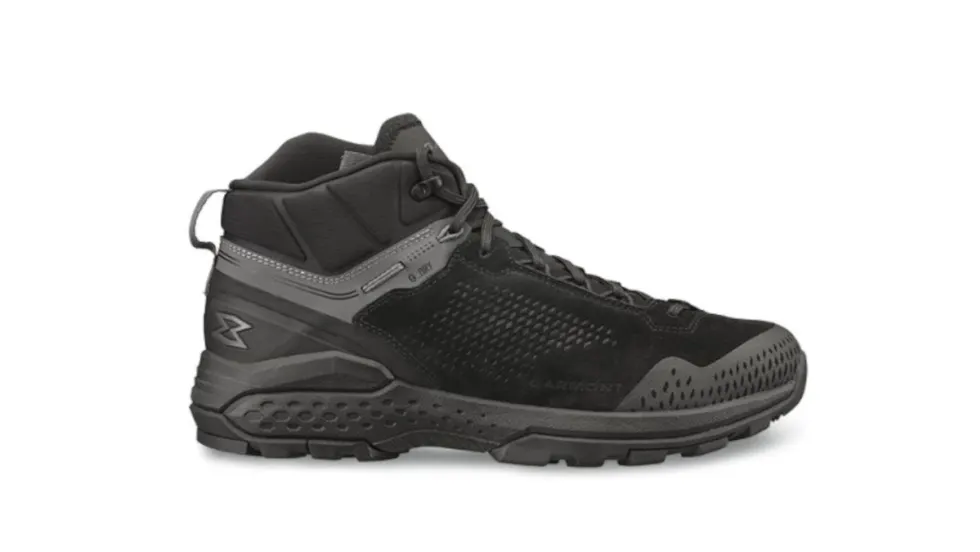
Garmont Working to Grow LE Market Presence
Garmont Tactical has found wide acceptance by military boot buyers, but now the company is trying to better respond to the needs of police officers. Many cops now are not fans of 8-inch boots, so Garmont is adapting.
Read More →
Publisher’s Note: Our Commitment to You
Through our magazine and website and our Police Technology eXchange event, we promise to provide you with information and access to resources to help you do your job safer and better.
Read More →
10 Tips for Responding to Mental Health Crisis Calls
The Harris County Sheriff's Office is a model for other agencies that want to learn about crisis intervention and mental health crisis response. Sgt. Jose Gomez shares the story of their programs and provides 10 tips for mental health crisis call response
Read More →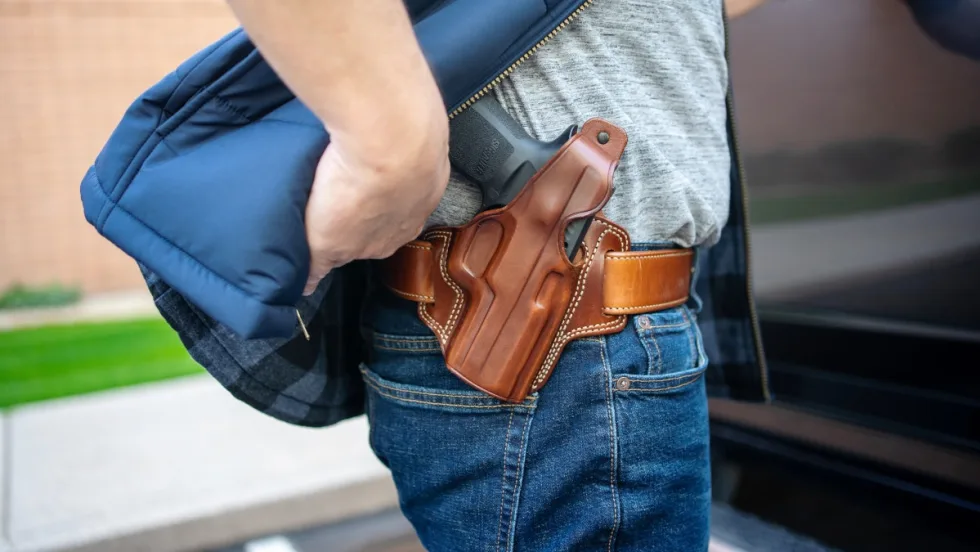
5 Things to Know When Buying Concealed-Carry or Off-Duty Holsters
Mike Barham, of Galco Holsters, shares five important considerations to keep in mind when you buy off-duty concealed or plain-clothes carry holsters.
Read More →
10 Tips for Reviewing Use-of-Force Reports
While the burden of accurately reporting use-of-force situations is on an individual deputy or officer, the person reviewing those reports shares in the responsibility of making sure the reporting is done properly, with clear details included.
Read More →