



SWAT: Yesterday, Today…Tomorrow?
Cash-strapped agencies cannot afford larger SWAT teams. As a result, today we expect rapid intervention by first responders, who are oftentimes trained by SWAT, and must meet the brunt of the challenge.

My recent SWAT Web columns have dealt with the most important issues facing SWAT today. Reader response has been enlightening, reflecting the differing opinions between patrol and SWAT.
It's my belief that active shooter response has resulted in a significant challenge for the future of SWAT. Last time, I compared SWAT to emergency medicine, with patrol as "paramedics" and SWAT as "surgeons."
Another SWAT analogy is military Spec Ops—both types of teams are hybrids tasked with "special" missions considered beyond the capability of patrol—notably in response to snipers and riots. The 1960s were America's "riot era," but by the mid-1970s, snipers and riots were less frequent and less intense.
The rise of hostage and barricade incidents during the 1970s gave rise to the "hostage negotiation era." An unfortunate side effect soon manifested itself—in the form of "talk vs. tactics" friction between many SWAT and CNT teams.
The 1980s introduced another SWAT era, that of "crack/rock cocaine," pitting SWAT against the nationwide explosion of heavily armed and fortified drug dealers willing to take on police.
The 1980s also introduced a new, deadly challenge for law enforcement: active shooters. Typical patrol wait for SWAT response proved ineffective. However, that changed after Columbine, with rapid deployment becoming the new gold standard response. Because of the urgency of active shooters, relying on first responders to act, not SWAT, has become the primary strategy. The reason is simple: active shooter response requires rapid intervention, and most SWAT teams aren't able to respond rapidly enough to neutralize the threat.
Let's pause for a moment to look at reality. The majority of police are assigned to patrol, while only 1 to 2 percent are assigned to SWAT. The fact is it's impossible for SWAT to be everywhere, immediately. Cash-strapped agencies cannot afford larger SWAT teams. As a result, today we expect rapid intervention by first responders, who are oftentimes trained by SWAT, and must meet the brunt of the challenge. Many part-time SWAT officers are assigned to patrol and carry their SWAT weapons and equipment with them to enable their rapid deployment when necessary. Some full-time teams assign personnel to back up patrol during peak crime hours, thus reducing "scramble time."
I need to also point out that other than active shooters, SWAT deployment continues as the primary tactic for resolving most high-risk situations, with patrol continuing to "hold down the scene" until SWAT's arrival. Except when immediate intervention is required, this is a system that has worked well for law enforcement for the past 40 years.
It's my belief that SWAT is not only here to stay, but will become even more important in the future. That's because of the combination of an increasingly violent society and the very real threat of terrorism. When widespread terrorist attacks hit America, SWAT's role will become more critical, and will predictably result in larger SWAT teams. The exact opposite prediction from those who think SWAT is on its way out the door.
The main reason is what's coming our way—low-intensity warfare—and with it, an increasingly sophisticated, coordinated threat. To get an idea of the future, we only need to look at the present in the Middle East, where urban guerilla combat is the preferred method of warfare. One result is that Spec Ops are increasing in both mission and size and changing the face of traditional military strategy and tactics. And that's where SWAT fits into the picture: "unconventional" response to "unconventional" high-risk threats. It's what SWAT does best, and should be allowed to do—all the time.
Full-time SWAT teams have a big leg up on their part-time counterparts. But if these predictions are correct, someday full-time SWAT might become the norm, instead of the exception. Ask any SWAT operators their opinion, and they will almost universally agree they'd prefer to be on full-time teams. Add to this, the expected large numbers of military who will someday transition to law enforcement—with a high percentage of them doing so to bring their urban combat experience to SWAT.
Back to today's reality. The vast majority of SWAT is part-time, with full-time considered a luxury only large agencies can afford. I can't tell you when that will change. However, I can tell you why it will change. It will change if/when the threat level reaches "critical mass." If there is one thing that SWAT does well, it's preparing for threats and challenges above and beyond the capability of most in law enforcement.
While we're "waiting" for this to happen, we need to focus on preparations to become better than our adversaries. In the wise words of a good friend, former Special Forces and SWAT Commander and fallen warrior Terry Thorpe, "When you aren't practicing, somewhere, someone is, and when you meet him, he will win."
More Blog Posts
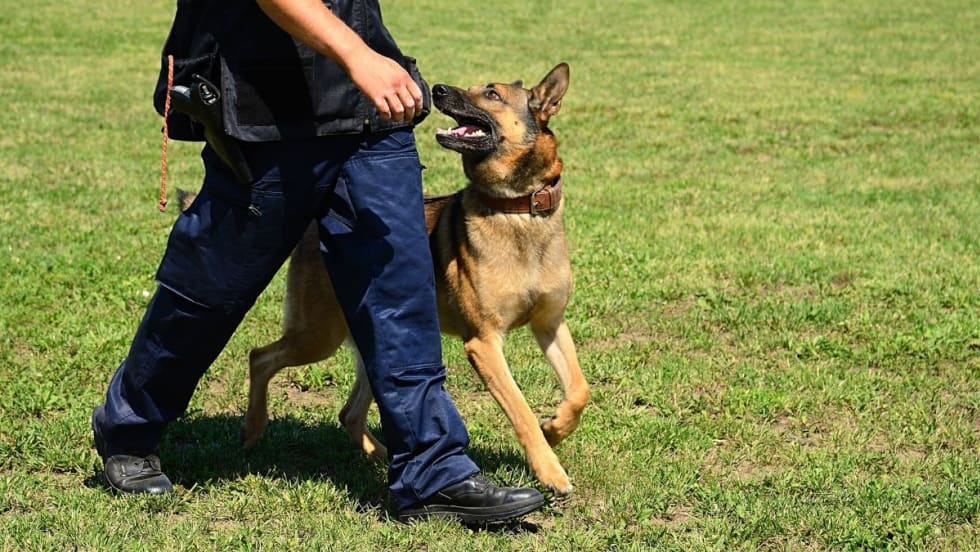
Preventing Heat Injury in Police K-9s
In the relentless heat of summer and even early fall in some parts of the country, officers face the important task of protecting their K-9 partners while working in sweltering temperatures. Recognizing changes in a dog’s behavior is the key.
Read More →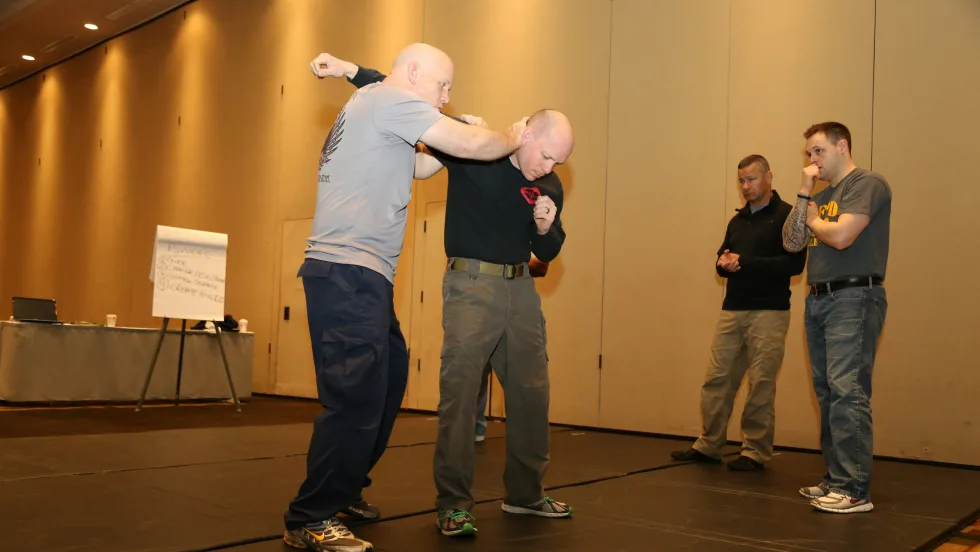
Why Your Agency Needs to Attend the ILEETA Conference
ILEETA is a complete resource for trainers to address trainers' needs. Its mission is to enhance the skills and safety of criminal justice practitioners while fostering stronger and safer communities.
Read More →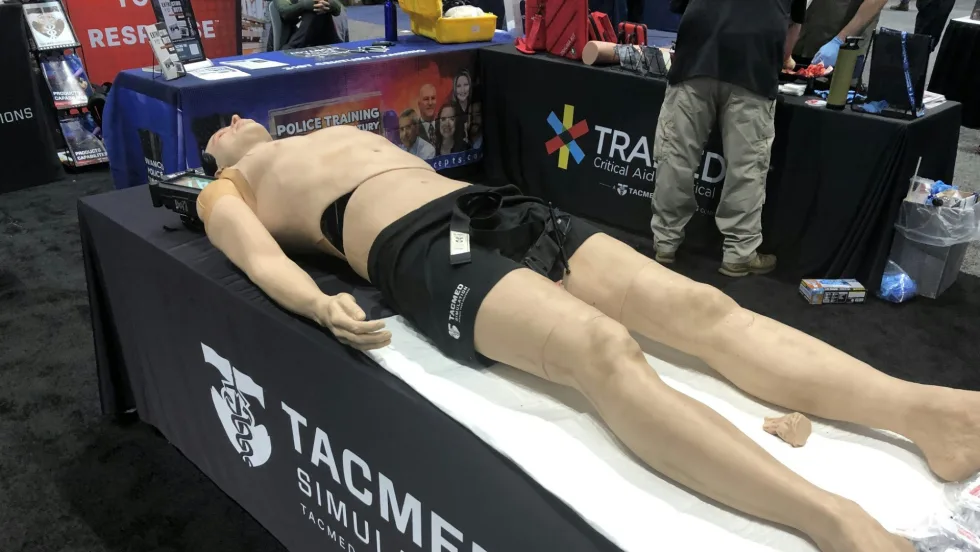
IACP 2023: New Training Products
Technologies for improving law enforcement training and training management were some of the highlights at this year's show.
Read More →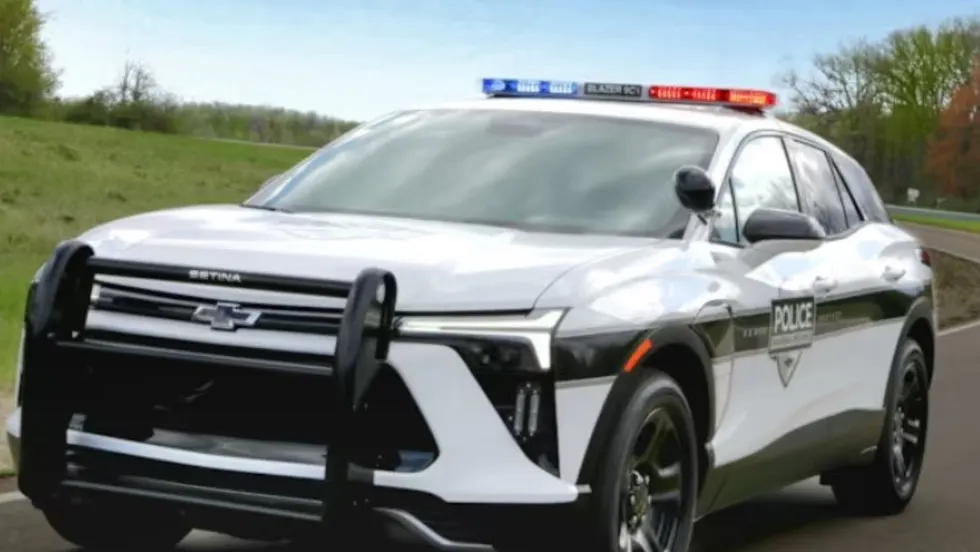
Initial Results Released from MSP 2024 Police Vehicle Testing
The 2024 pursuit-rated vehicles--all pickup trucks or SUVs, including two battery electric models the Chevrolet Blazer EV AWD and Ford Mustang Mach-E--were put through their paces.
Read More →
Officer Safety Considerations Related to Alternative-Fuel Vehicles
As more alternative-fuel and hybrid vehicles hit the road, police and other first responders need to understand that they are no more dangerous than conventional vehicles. However, there are certain safety considerations every cop should know.
Read More →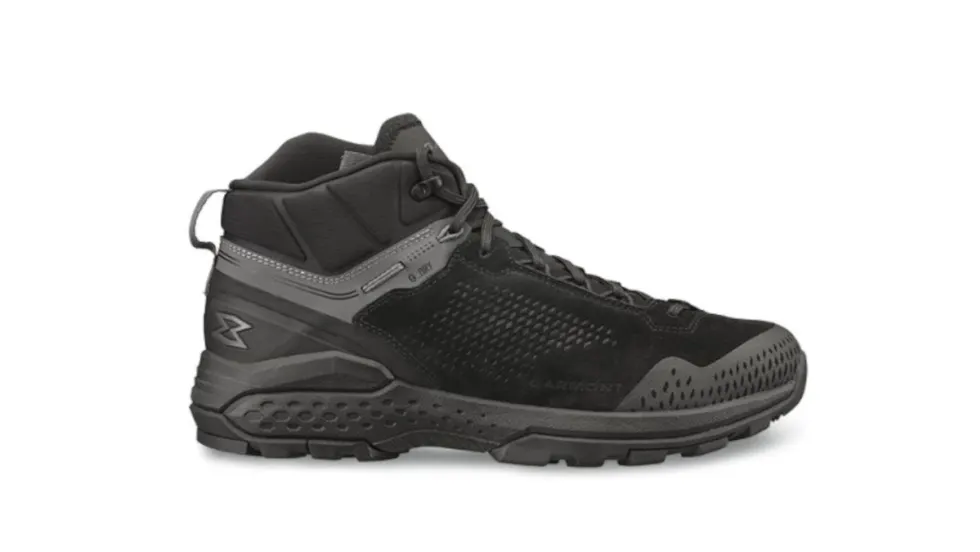
Garmont Working to Grow LE Market Presence
Garmont Tactical has found wide acceptance by military boot buyers, but now the company is trying to better respond to the needs of police officers. Many cops now are not fans of 8-inch boots, so Garmont is adapting.
Read More →
Publisher’s Note: Our Commitment to You
Through our magazine and website and our Police Technology eXchange event, we promise to provide you with information and access to resources to help you do your job safer and better.
Read More →
10 Tips for Responding to Mental Health Crisis Calls
The Harris County Sheriff's Office is a model for other agencies that want to learn about crisis intervention and mental health crisis response. Sgt. Jose Gomez shares the story of their programs and provides 10 tips for mental health crisis call response
Read More →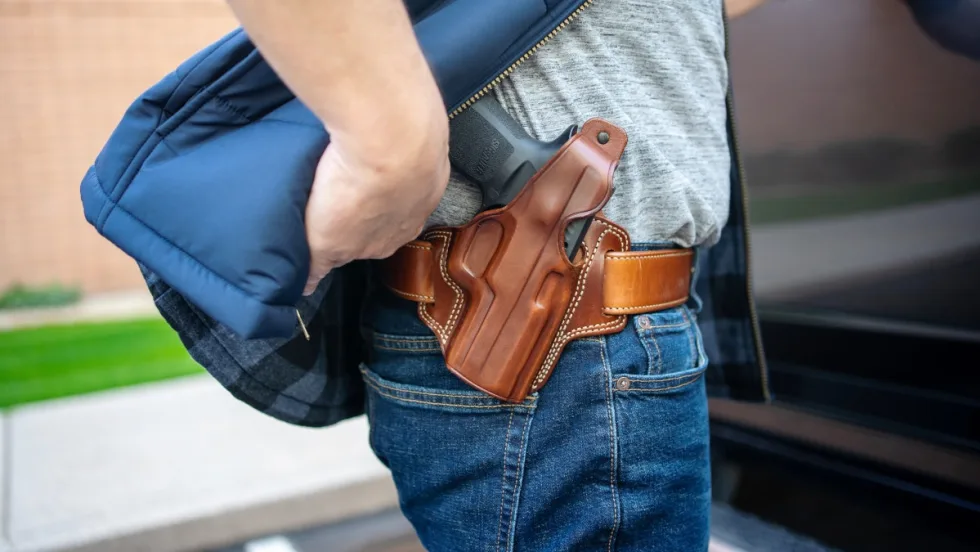
5 Things to Know When Buying Concealed-Carry or Off-Duty Holsters
Mike Barham, of Galco Holsters, shares five important considerations to keep in mind when you buy off-duty concealed or plain-clothes carry holsters.
Read More →
10 Tips for Reviewing Use-of-Force Reports
While the burden of accurately reporting use-of-force situations is on an individual deputy or officer, the person reviewing those reports shares in the responsibility of making sure the reporting is done properly, with clear details included.
Read More →