



Sureño Fight Club
While in custody, most Sureño gang members are educated in martial arts fighting tactics and are primarily trained in fighting with edged weapons. The culture of jails and prisons is a knife culture. Jail-improvised weapons start with "shanks" but can include spears, clubs, zip guns, and bombs.

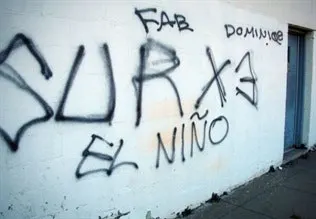
Sureño graffiti around 1997. CC_Flickr: Daquella manera
West Coast gangs are often different in structure and philosophy than Midwest or East Coast gangs. While East Coast and Midwest gangs have evolved with a pyramid corporate structure, West Coast gangs are more like a trapezoid. There is no clear top.
Midwest and East Coast gangs often have written constitutions, formal hierarchies and a command structure. They have officers, presidents, ruling councils, and even kings. West Coast gangs are often more democratic and made up of smaller cell-like groups called cliques. Their structure resembles the Al-Qaeda and Hamas organizations more than the corporate pyramid gang structure.
As a result, West Coast gangs give members more autonomy to operate; rely less on influential leaders; and develop more resilient criminal organizations. East Coast law enforcement efforts to dismantle the gangs fail when applied to these West Coast gangs. Because of the cell-like structure, any disruption and damage to any part of the structure is limited to only one or two cells. The other cells continue to function and other gang members fill any leadership vacuums that may occur.
In addition to these differences, West Coast gangs also give allegiance, and form alliances, under the umbrella of prison gangs. All West Coast white gangs are under the leadership and protection of the Aryan Brotherhood prison gang. Crips and Bloods fall under the Black Guerrilla Family. The Northern California Latino gangs (Norteños) serve the Nuestra Familia prison gang, and the Southern California Latino gangs (Sureños) serve as foot soldiers in the surrogate army of the Mexican Mafia prison gang.
The Sureños are growing in huge numbers; invading Northern California; and migrating east. They can be found in 50 states and in Canada and Mexico. In fact, Sureño gangs such as Florence 13 (F-13), 18th Street (18th or XVIII) and Mara Salvatrucha (MS-13) are trans-national criminal organizations with links to international drug and human trafficking cartels.
Because gang members join the military, Sureño gangs are also present in significant numbers in the four service branches. Norteño and Sureño graffiti can be seen in and around military posts even in Iraq and Afghanistan. If in any location outside of California the Sureño gangs find that they are too few in numbers they will unite under the umbrella of "SUR," Sureño 13, South Side, or Kanpol (the Aztec word for Southerner). This unity will occur even though these gang members may have been rivals in the streets of Los Angeles.
These same Sureño gangs control Southern California's huge counterfeit document industry. That means they have access to excellent false identification. They can be anybody they want. Keep this in mind the next time someone you detain hands you California identification.
The prison gangs that control the street gangs are much more criminally sophisticated and experienced in violent confrontations. They've set up a schooling system to train their surrogate army. During a peewee gang member's first juvenile detention, he is taught how to behave. Each neophyte gang member begins by learning the prison gang's code of conduct. He learns how to dodge the law and how to kill.
Each gang member advances in his criminal training as they move through juvenile hall, county jail, youth authority, and state prison. Even the homeboys returning from prison hold impromptu training sessions and school their young homeboys. Sureño regulations require that if one Sureño is fighting, even with staff, all others must come to his aid.
There are three types of Sureño gang members. The first is a Southern California Latino gang member who has moved into your area. The second type is the local grown gang member who has been converted to the Sureño cause and has adopted the code of conduct and dictates of the Mexican Mafia prison gang. The third is the illegal immigrant who was brought into this country through the Sureño gang pipeline. And although this person has never visited California or been a gang member, he or she now claims Sureño allegiance.
I've observed that many local police officers underestimate the danger of these Sureño. In 2011, 163 officers were killed in the line of duty. Of that, 70 were shot and killed and two were stabbed to death. Gang members were involved in several of these officer-involved murders.
While in custody, most Sureño gang members are educated in martial arts fighting tactics and are primarily trained in fighting with edged weapons. The culture of jails and prisons is a knife culture. Jail-improvised weapons start with shanks but can include spears, clubs, zip guns, and bombs.
Officers must understand that gang members coordinate attacks; use multiple aggressors; and perfect and practice these tactics. Sureño gangs have a standard hit-team concept configured in at least three roles—the hit man, the lay-off man, and the lookout (the "eye"). This three-man concept is also used outside custody in a stick-up team that includes the gunman, the back-up man, and the lookout or get-away driver. When you encounter a gang member committing a crime, look for two and expect three.
Researchers learned that some of these offenders began carrying weapons at nine to 12 years old. On average, they were armed "most of the time" by 17. And 80% of the bad guys reported that they regularly practiced with hand guns, averaging about 23 sessions per year. Officers who were victims averaged only about 14 hours of training. Only six of the 50 officers reported firearms practice outside of the department.
In my experience, this practice by gang members does not mean punching holes in bull's eye targets. It is quick reaction and instinctive shooting, and the gang members are often veterans and survivors of numerous prior firefights. They shoot first and expect return fire.
These training hits practiced by Sureño gang members while in custody are done when witnesses are present. Other inmates walk the yards, guards are everywhere and tower guards are armed with rifles. If possible they stage a diversion such as a small inmate fight to draw attention away from the real action. If not, they assault the victim in front of everyone, expecting to be shot by the tower guard.
It's this "don't give a f**k" attitude that catches cops off guard. Researchers in the FBI study "Did not realize how cold blooded the younger generation of offender is. They have been exposed to killing after killing; they fully expect to get killed and don't hesitate to shoot anybody, including a police officer."
Think about this; as big and bad as outlaw motorcycle gang members may look, they don't run any prison yard in California. Those skinny bald-headed, baggy-pants-wearing, tattooed, Latino gang members run the yards. Don't underestimate them.
Related:
More Blog Posts
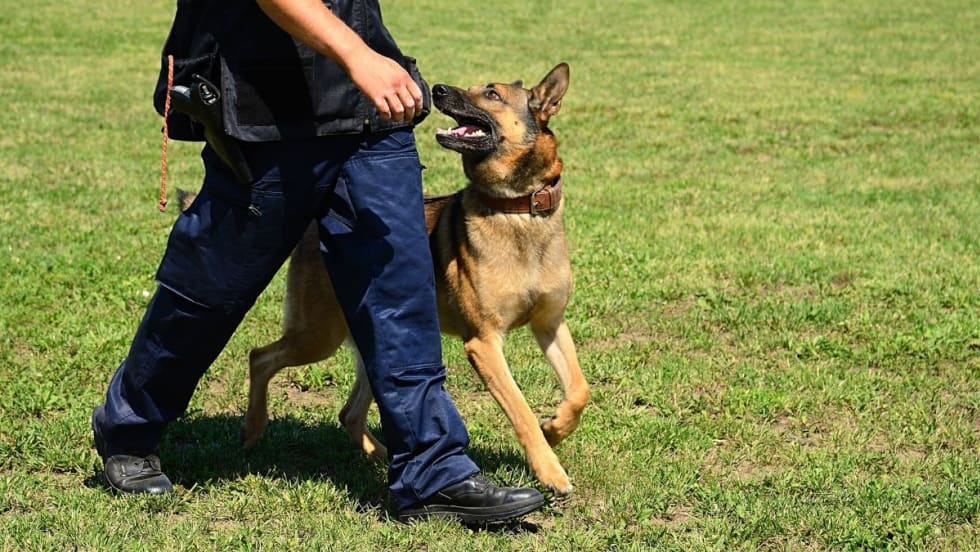
Preventing Heat Injury in Police K-9s
In the relentless heat of summer and even early fall in some parts of the country, officers face the important task of protecting their K-9 partners while working in sweltering temperatures. Recognizing changes in a dog’s behavior is the key.
Read More →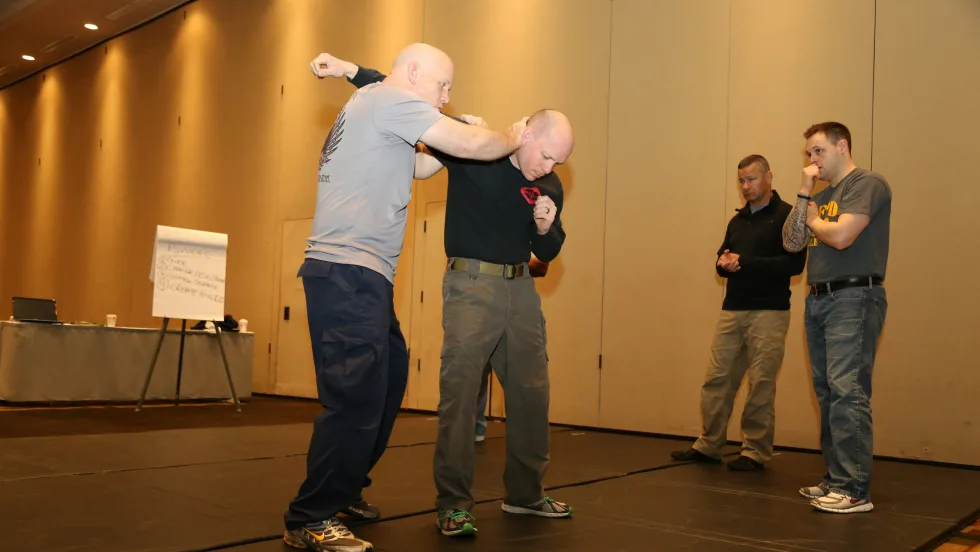
Why Your Agency Needs to Attend the ILEETA Conference
ILEETA is a complete resource for trainers to address trainers' needs. Its mission is to enhance the skills and safety of criminal justice practitioners while fostering stronger and safer communities.
Read More →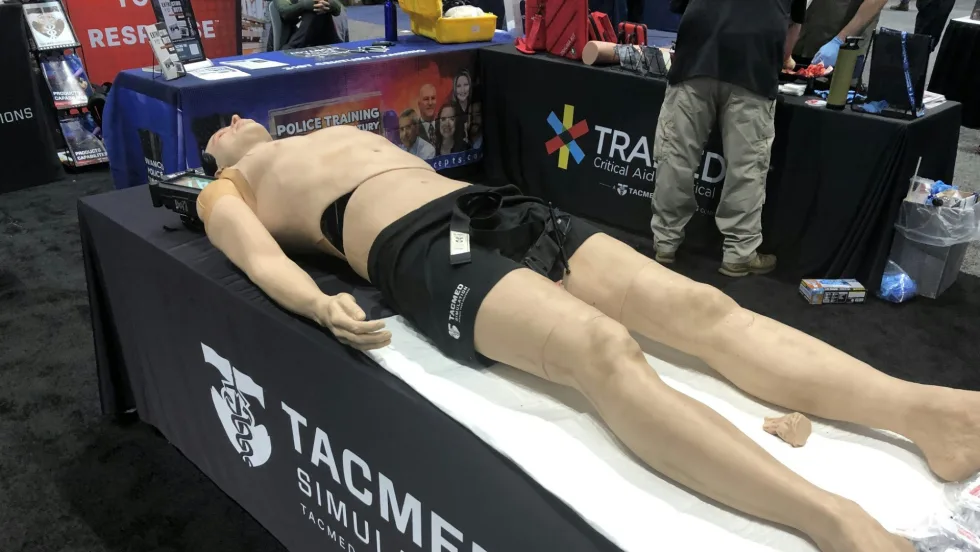
IACP 2023: New Training Products
Technologies for improving law enforcement training and training management were some of the highlights at this year's show.
Read More →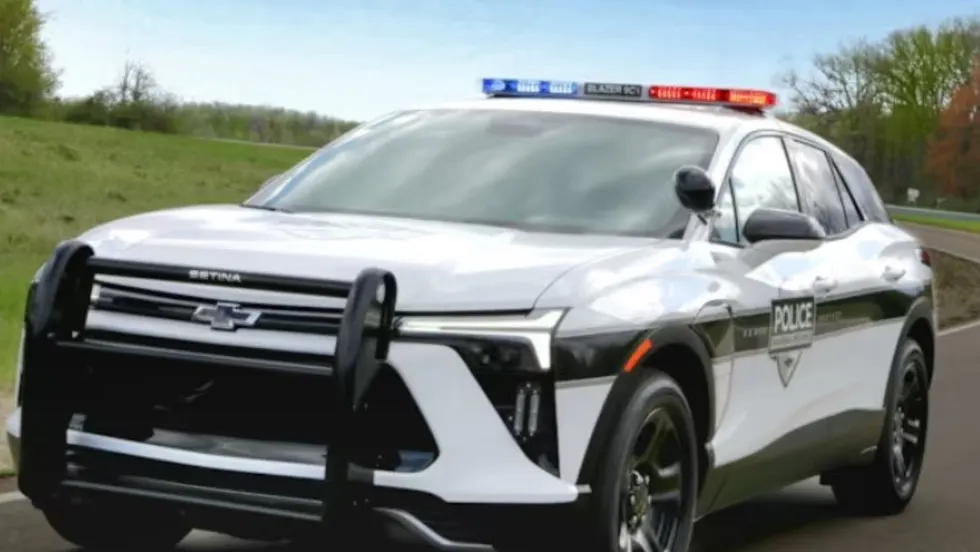
Initial Results Released from MSP 2024 Police Vehicle Testing
The 2024 pursuit-rated vehicles--all pickup trucks or SUVs, including two battery electric models the Chevrolet Blazer EV AWD and Ford Mustang Mach-E--were put through their paces.
Read More →
Officer Safety Considerations Related to Alternative-Fuel Vehicles
As more alternative-fuel and hybrid vehicles hit the road, police and other first responders need to understand that they are no more dangerous than conventional vehicles. However, there are certain safety considerations every cop should know.
Read More →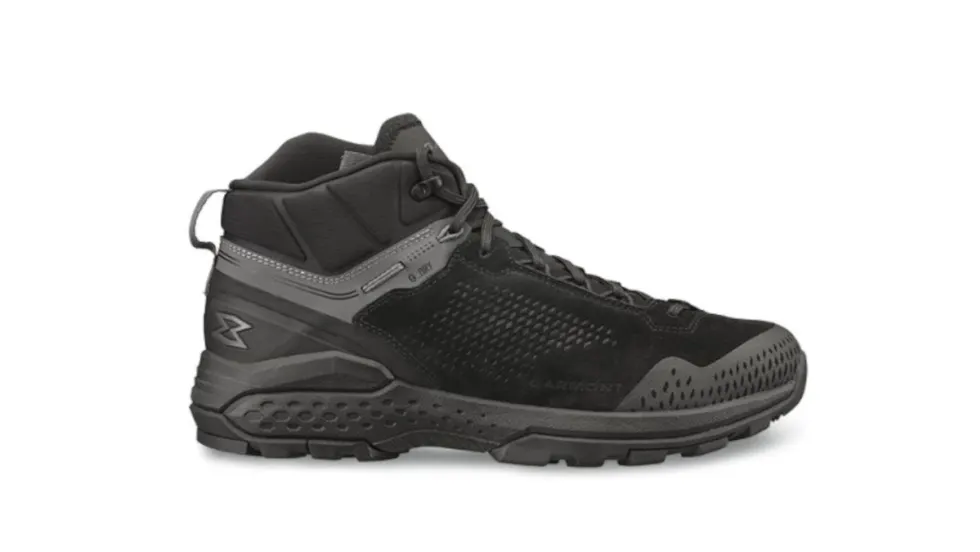
Garmont Working to Grow LE Market Presence
Garmont Tactical has found wide acceptance by military boot buyers, but now the company is trying to better respond to the needs of police officers. Many cops now are not fans of 8-inch boots, so Garmont is adapting.
Read More →
Publisher’s Note: Our Commitment to You
Through our magazine and website and our Police Technology eXchange event, we promise to provide you with information and access to resources to help you do your job safer and better.
Read More →
10 Tips for Responding to Mental Health Crisis Calls
The Harris County Sheriff's Office is a model for other agencies that want to learn about crisis intervention and mental health crisis response. Sgt. Jose Gomez shares the story of their programs and provides 10 tips for mental health crisis call response
Read More →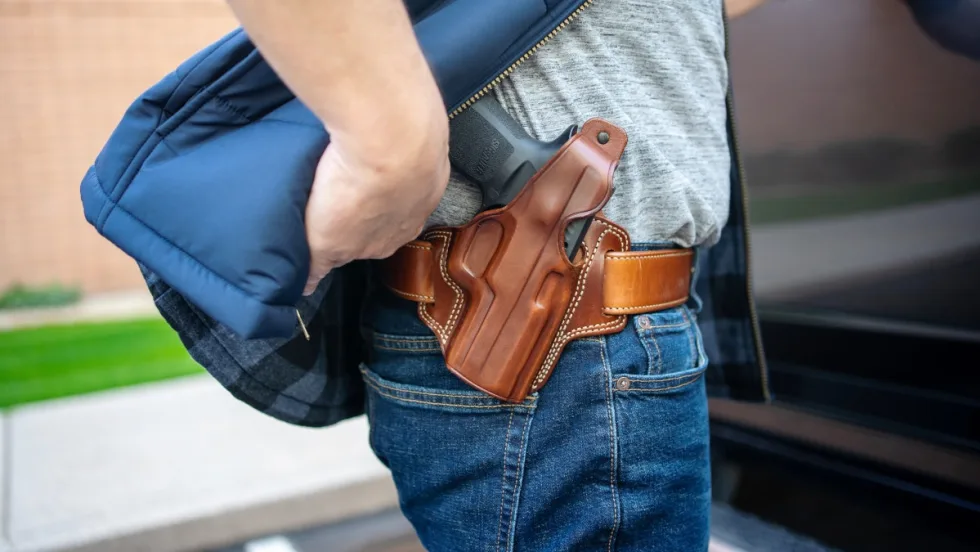
5 Things to Know When Buying Concealed-Carry or Off-Duty Holsters
Mike Barham, of Galco Holsters, shares five important considerations to keep in mind when you buy off-duty concealed or plain-clothes carry holsters.
Read More →
10 Tips for Reviewing Use-of-Force Reports
While the burden of accurately reporting use-of-force situations is on an individual deputy or officer, the person reviewing those reports shares in the responsibility of making sure the reporting is done properly, with clear details included.
Read More →