



Is the 1911 Still Viable for Law Officers?
The main reason the M1911 is so successful is its grip angle. It's a natural pointer. The pistol takes advantage of the hand's natural geometry to promote accuracy, and the angle also makes the gun a pleasure to shoot. Having said that, certain steps must be taken to make the M1911 ready for carry.

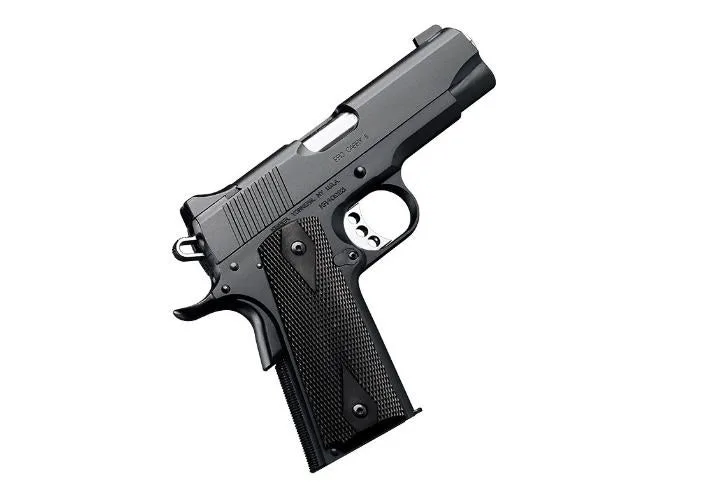
The grip angle of the M1911 pistol takes advantage of the hand's natural geometry to promote accuracy, and makes the gun a pleasure to shoot.
John Browning's M1911 semi-automatic pistol may be the most popular handgun platform in history, but is it a viable primary duty or backup pistol for law enforcement professionals, tactical operators and lawfully permitted civilians?
The answer is a resounding yes. However, this affirmative is conditional and must be further explained in detail to provide the best resource tools to those interested in taking the M1911 to its full potential.
The main reason the M1911 is so successful is its grip angle. It's a natural pointer. The pistol takes advantage of the hand's natural geometry to promote accuracy, and the angle also makes the gun a pleasure to shoot. Having said that, certain steps must be taken to make the M1911 ready for carry.
The M1911 has multiple external tactile safety features. The first is an external frame with thumb safety. Generic GI-type M1911 basic platforms have thumb safety levers that are rough and sharp. This roughness can be an impediment in a holster environment or underneath clothing. It is important that an external thumb safety be well-rounded and low profile. This will minimize snagging in a potential quick draw situation.
When officers carry the pistol in a "cocked and locked" position, in which there is a round in the chamber, the hammer is back and the manual thumb safety in the "engaged" position.
In many respects, this makes officers who are used to a Glock or similar platform very nervous and apprehensive. In a quick draw scenario, officers must disengage the thumb safety while drawing the M1911. This takes constant practice and consistent application.
Another obstacle is the grip safety, which is located at the rear of the grip and must be fully depressed with applied pressure in order for the trigger to move rearward. Officers must practice this hundreds of times to consistently apply a good purchase in a tactical situation.
It is also important to keep a good polish on the M1911's feed ramp — an incline attached to either the barrel or the frame. It's an area between the magazine follower and the chamber responsible for guiding the ammunition into the chamber. A feed ramp that isn't polished will encounter resistance with hollow-point ammunition and may result in feeding problems.
These challenges can be countered several ways. In the past, users had to take the M1911 to a competent gunsmith to overcome such obstacles. Gun makers such as Kimber, Springfield Armory and Para-Ordnance saw this as an opportunity and created "carry" guns that were available straight from the factory.
Many M1911s are available with the "custom" features mentioned, such as low-profile snag free safeties, high capacity double-stacked magazine options, high polished feed ramps, accessory rails and caliber options other than .45 ACP. Many M1911s are now also available in high capacity .40 S&W and 9mm.
Weight reduction for easier carrying has also been accomplished by replacing bulky steel frames with high-strength lighter aluminum ones, thus reducing weight considerably. Tritium night sights are also available.
Although the M1911 takedown assembly/disassembly process is a bit more time consuming than that of its Glock-like counterparts, it is well worth mastering. The law enforcement and civilian competition circuit is dominated by the M1911. A casual glance at any issue of the International Defensive Pistol Association (IDPA) journal clearly demonstrates that at least three quarters of the competitors still use a M1911 or a similar platform.
The reason is simple. It's still the most accurate pistol platform in history, and the future remains very bright. The additional work needed to get your M1911 ready for carry is worth it. For those who don't have the time for such an endeavor, a "custom" M1911 with all the bells and whistles can be had straight out of the box.
More Blog Posts
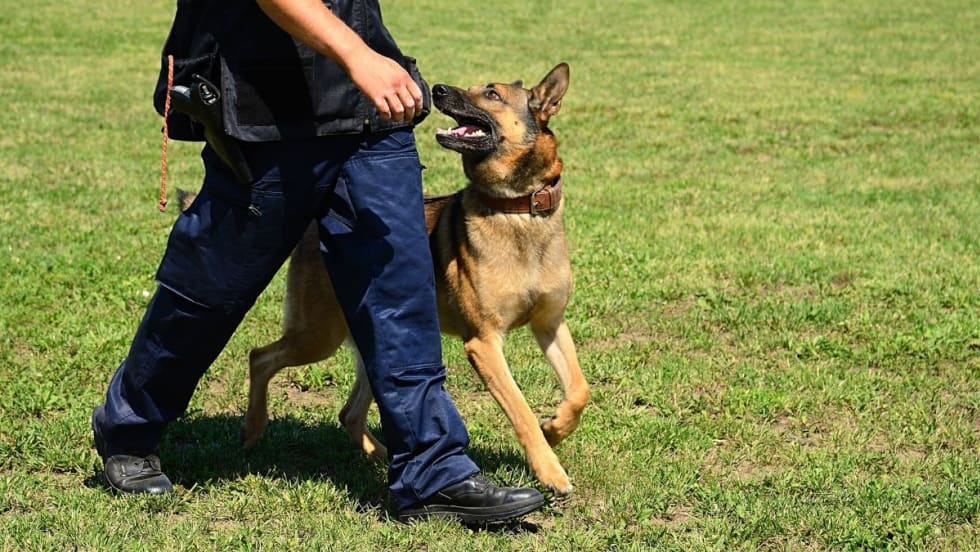
Preventing Heat Injury in Police K-9s
In the relentless heat of summer and even early fall in some parts of the country, officers face the important task of protecting their K-9 partners while working in sweltering temperatures. Recognizing changes in a dog’s behavior is the key.
Read More →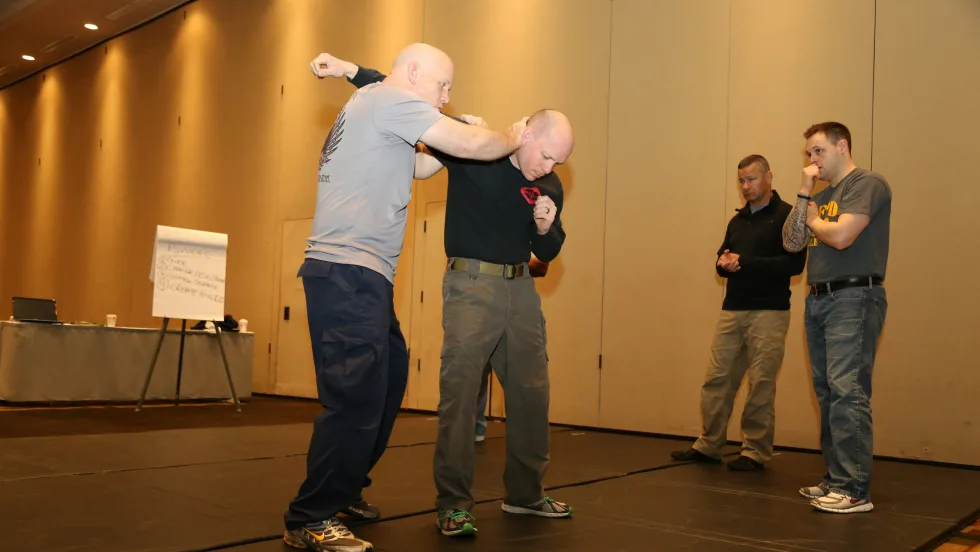
Why Your Agency Needs to Attend the ILEETA Conference
ILEETA is a complete resource for trainers to address trainers' needs. Its mission is to enhance the skills and safety of criminal justice practitioners while fostering stronger and safer communities.
Read More →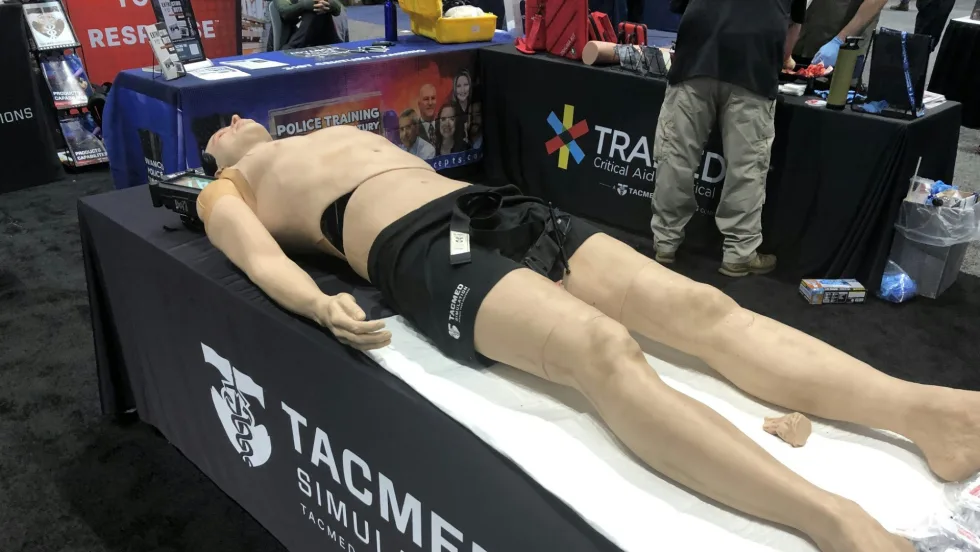
IACP 2023: New Training Products
Technologies for improving law enforcement training and training management were some of the highlights at this year's show.
Read More →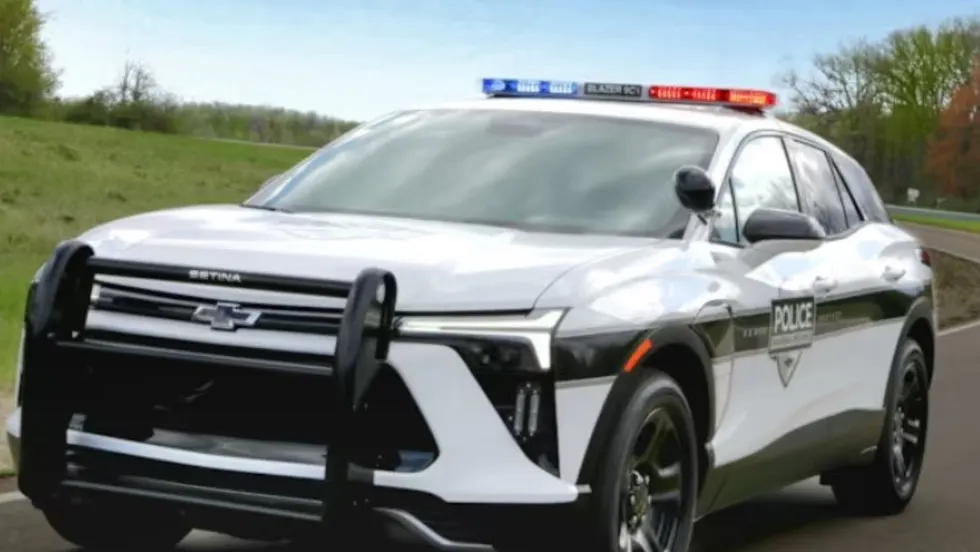
Initial Results Released from MSP 2024 Police Vehicle Testing
The 2024 pursuit-rated vehicles--all pickup trucks or SUVs, including two battery electric models the Chevrolet Blazer EV AWD and Ford Mustang Mach-E--were put through their paces.
Read More →
Officer Safety Considerations Related to Alternative-Fuel Vehicles
As more alternative-fuel and hybrid vehicles hit the road, police and other first responders need to understand that they are no more dangerous than conventional vehicles. However, there are certain safety considerations every cop should know.
Read More →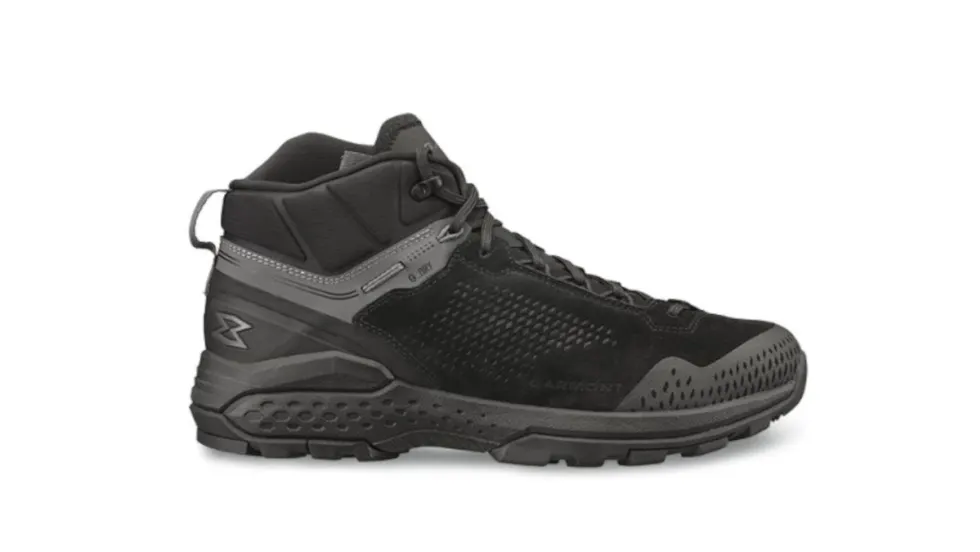
Garmont Working to Grow LE Market Presence
Garmont Tactical has found wide acceptance by military boot buyers, but now the company is trying to better respond to the needs of police officers. Many cops now are not fans of 8-inch boots, so Garmont is adapting.
Read More →
Publisher’s Note: Our Commitment to You
Through our magazine and website and our Police Technology eXchange event, we promise to provide you with information and access to resources to help you do your job safer and better.
Read More →
10 Tips for Responding to Mental Health Crisis Calls
The Harris County Sheriff's Office is a model for other agencies that want to learn about crisis intervention and mental health crisis response. Sgt. Jose Gomez shares the story of their programs and provides 10 tips for mental health crisis call response
Read More →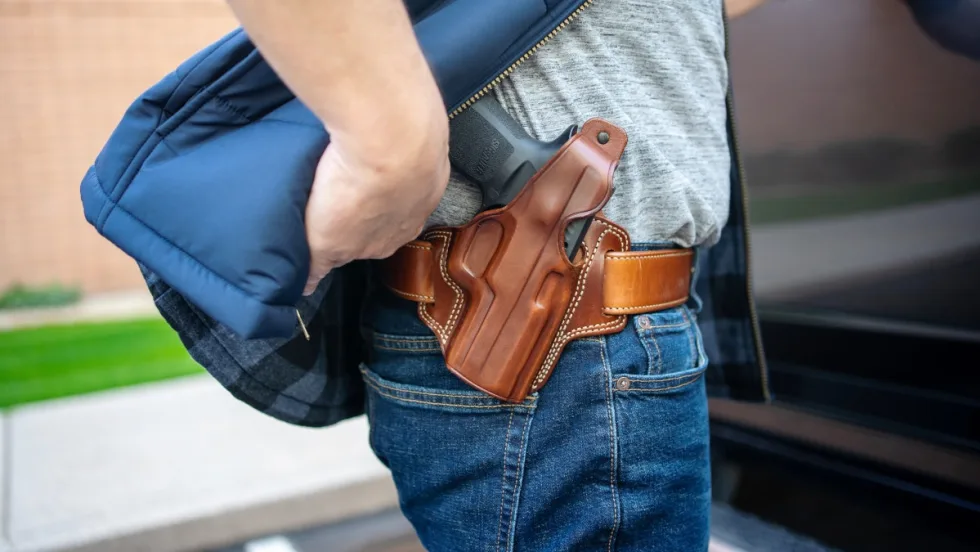
5 Things to Know When Buying Concealed-Carry or Off-Duty Holsters
Mike Barham, of Galco Holsters, shares five important considerations to keep in mind when you buy off-duty concealed or plain-clothes carry holsters.
Read More →
10 Tips for Reviewing Use-of-Force Reports
While the burden of accurately reporting use-of-force situations is on an individual deputy or officer, the person reviewing those reports shares in the responsibility of making sure the reporting is done properly, with clear details included.
Read More →