



Is Dynamic Entry Worth the Risk?
We have the signed no-knock. Do we serve it by initiating a dynamic entry? Or do we explore other options to take the suspect into custody and secure the evidence?

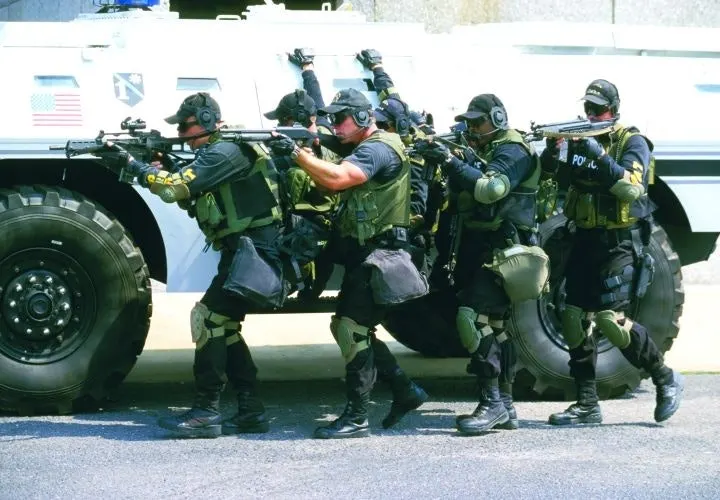
Photo: POLICE file art.
Speed and quick movement are the critical components of dynamic entry. This tactic is meant to surprise and overwhelm the suspect(s), and thereby prevent them from taking up arms, hardening their defensive position, harming hostages or destroying evidence.
In other words, we're going to use speed, surprise and violence of action to stop the bad guys from grabbing a gun, locking the door, harming innocents or flushing the dope.
Situational assessment is difficult on the fly. Moving slower or setting up containment gives us a chance to establish solid intelligence. Valuable information such as where the guy with the gun is concealed helps. Assessing the situation is tougher when you're moving rapidly. And you may ask if there is even anybody inside the target.
There are times when dynamic entry may be the only option available. There are other options at our disposal that need to be considered before we breach a door, throw a flash-bang and roll into dark territory.
Here's a scenario to consider. It's based on an actual incident.
The homicide-assault unit has contacted the tactical commander. They have a no-knock search warrant, signed by a judge, in hand. The warrant is for a felony assault suspect and his weapon, a large single-action revolver.
The suspect is a member of an outlaw biker gang. Numerous arrests and convictions for narcotics offenses and violent crimes, including a term in the penitentiary for murder two, appear on his record. He beat his estranged wife to death with a toilet seat. Most recently — the crime he is accused of — he stuck the barrel of this large revolver in the mouth of a juvenile and threatened to kill him.
The suspect lives by himself in a single-family home in a blue-collar neighborhood. The warrant will be served at approximately 11:30 p.m. on a Tuesday. Ambient temperature is in the 20s. Lights are on in the living room. The suspect's vehicle is at the residence. Homicide detectives have been sitting on the house, waiting for our arrival. They've observed no one coming or going.
We have the signed no-knock. Do we serve it by initiating a dynamic entry? Or do we explore other options to take the suspect into custody and secure the evidence (revolver)?
What would you do? Please give us your answer, by adding a comment below. Articulate your reasons for the option you choose.
In the next column, I'll tell you how the scenario actually went down, as well as the aftermath.
More Blog Posts
Preventing Heat Injury in Police K-9s
In the relentless heat of summer and even early fall in some parts of the country, officers face the important task of protecting their K-9 partners while working in sweltering temperatures. Recognizing changes in a dog’s behavior is the key.
Read More →
Why Your Agency Needs to Attend the ILEETA Conference
ILEETA is a complete resource for trainers to address trainers' needs. Its mission is to enhance the skills and safety of criminal justice practitioners while fostering stronger and safer communities.
Read More →
IACP 2023: New Training Products
Technologies for improving law enforcement training and training management were some of the highlights at this year's show.
Read More →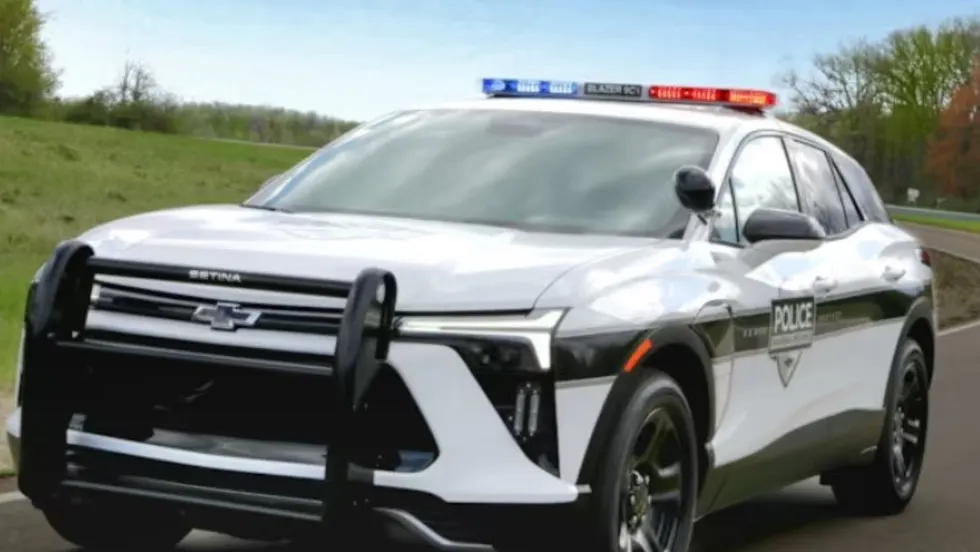
Initial Results Released from MSP 2024 Police Vehicle Testing
The 2024 pursuit-rated vehicles--all pickup trucks or SUVs, including two battery electric models the Chevrolet Blazer EV AWD and Ford Mustang Mach-E--were put through their paces.
Read More →
Officer Safety Considerations Related to Alternative-Fuel Vehicles
As more alternative-fuel and hybrid vehicles hit the road, police and other first responders need to understand that they are no more dangerous than conventional vehicles. However, there are certain safety considerations every cop should know.
Read More →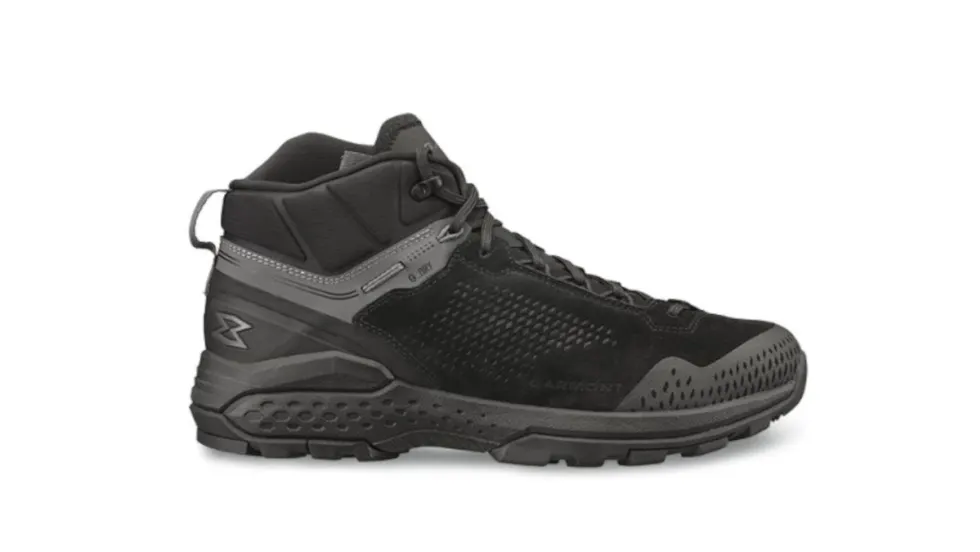
Garmont Working to Grow LE Market Presence
Garmont Tactical has found wide acceptance by military boot buyers, but now the company is trying to better respond to the needs of police officers. Many cops now are not fans of 8-inch boots, so Garmont is adapting.
Read More →
Publisher’s Note: Our Commitment to You
Through our magazine and website and our Police Technology eXchange event, we promise to provide you with information and access to resources to help you do your job safer and better.
Read More →
10 Tips for Responding to Mental Health Crisis Calls
The Harris County Sheriff's Office is a model for other agencies that want to learn about crisis intervention and mental health crisis response. Sgt. Jose Gomez shares the story of their programs and provides 10 tips for mental health crisis call response
Read More →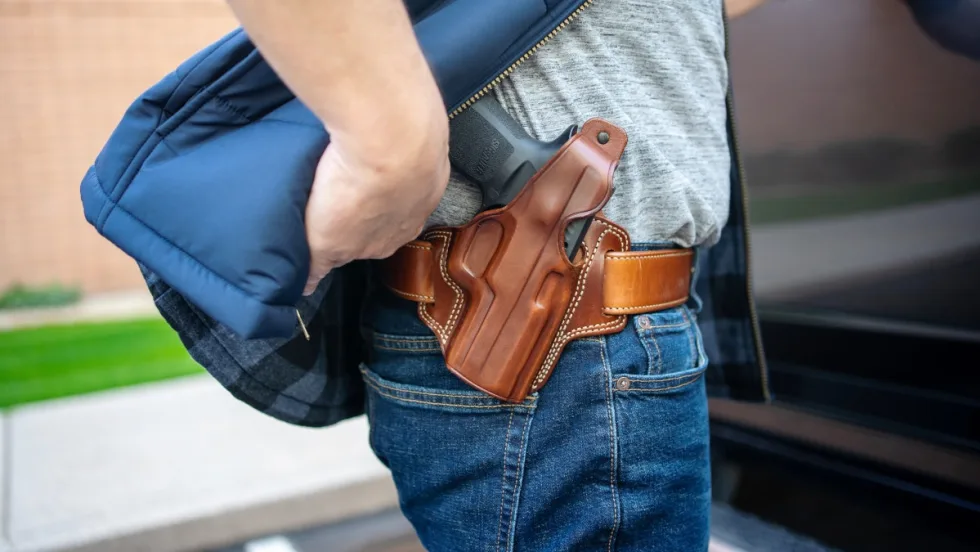
5 Things to Know When Buying Concealed-Carry or Off-Duty Holsters
Mike Barham, of Galco Holsters, shares five important considerations to keep in mind when you buy off-duty concealed or plain-clothes carry holsters.
Read More →
10 Tips for Reviewing Use-of-Force Reports
While the burden of accurately reporting use-of-force situations is on an individual deputy or officer, the person reviewing those reports shares in the responsibility of making sure the reporting is done properly, with clear details included.
Read More →