



How To Testify As a Gang Expert
What you do is an art rather than a science, so you must impress the jury with your background, training, and experience.

Being called to the stand as a gang expert is very different from being called as an investigating officer. As a gang expert, you are not part of the "prosecution team." You are there to assist the "trier of fact," according to California Evidence Code 801.
For those reasons, you shouldn't remain in the courtroom after you testify, even if there's no order excluding witnesses after they testify. You're nonpartisan. You have no stake in the outcome. After you testify, leave the courthouse.
What you do is an art rather than a science, so you must impress the jury with your background, training, and experience.
Richard Valdemar, a retired Los Angeles County Sheriff's Department sergeant and POLICE contributor, has testified as a Mexican Mafia expert in each of the 16 Eme murders my partner Ruth Arvidson and I have prosecuted. As Valdemar says, your knowledge of gangs should come from many sources.
Valdemar started as a 17-year-old running a teen center in Willowbrook surrounded by gang members. Other experience includes growing up with friends or relatives who became gang members or encountering gangsters in military service.
There's more. Describe the courses on gangs you took during your academy training. Describe your exposure to gangsters on assignment in correctional facilities or on patrol duty.
Make notes of all the seminars and classes on gangs you attended after graduating from the academy. List the subject matter and how often you attended or the number of hours. Keep a written log of all the books and magazine articles you've read. As the years pass, your records can be less and less detailed to the point where you won't keep any written records at all and your testimony about your background becomes second nature.
Some gang experts are contacted by defense attorneys and asked to review case material and give an opinion about their client's involvement in gang life. Prosecutors should have no problem with that. The fact that a defense attorney thinks enough of your credibility and expertise to ask you to review the case material in an unrelated case should be brought out during your testimony in the current case.
Finally, as a gang expert you must be proactive, especially with a newer prosecutor. If the prosecutor doesn't ask you about your background, training, and experience before trial, then you should initiate the contact as the trial date approaches. Be sure to volunteer that information.
Related:
More Blog Posts
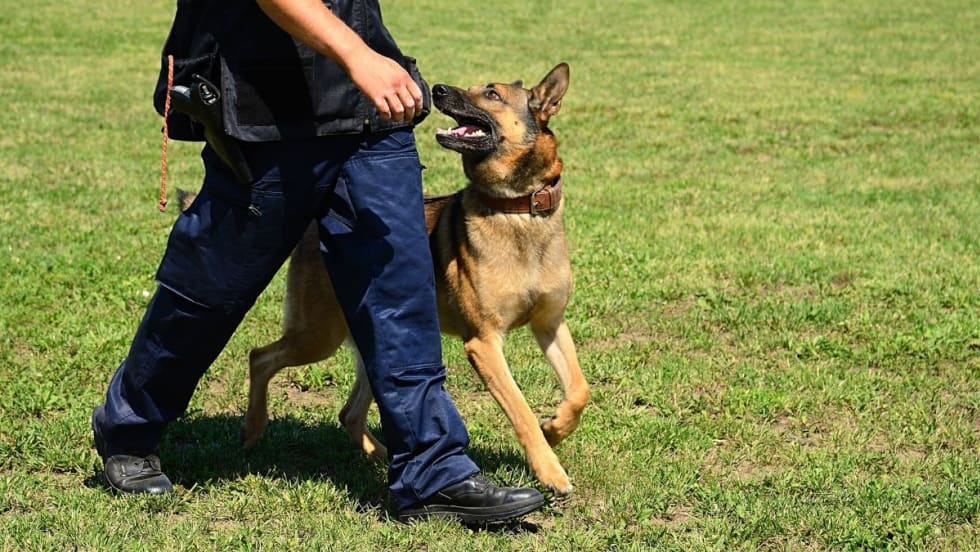
Preventing Heat Injury in Police K-9s
In the relentless heat of summer and even early fall in some parts of the country, officers face the important task of protecting their K-9 partners while working in sweltering temperatures. Recognizing changes in a dog’s behavior is the key.
Read More →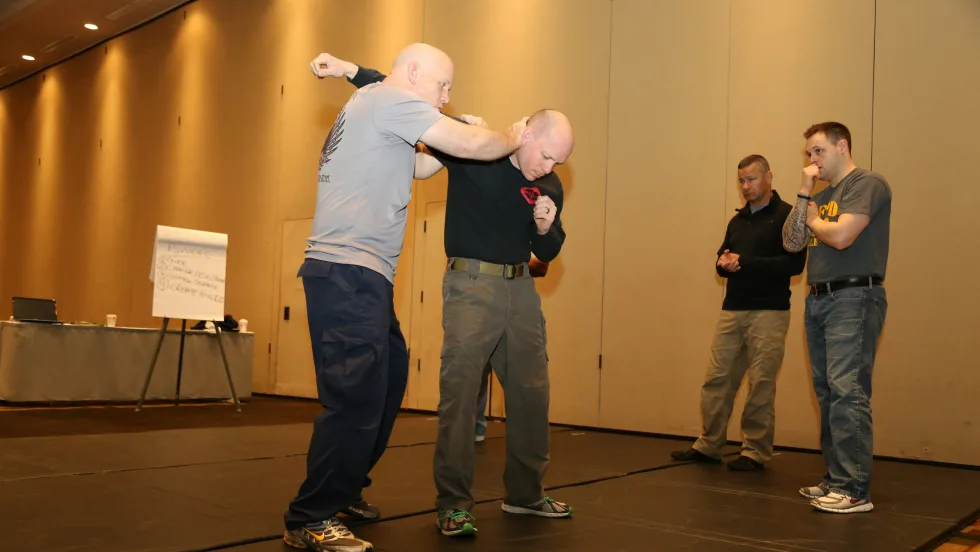
Why Your Agency Needs to Attend the ILEETA Conference
ILEETA is a complete resource for trainers to address trainers' needs. Its mission is to enhance the skills and safety of criminal justice practitioners while fostering stronger and safer communities.
Read More →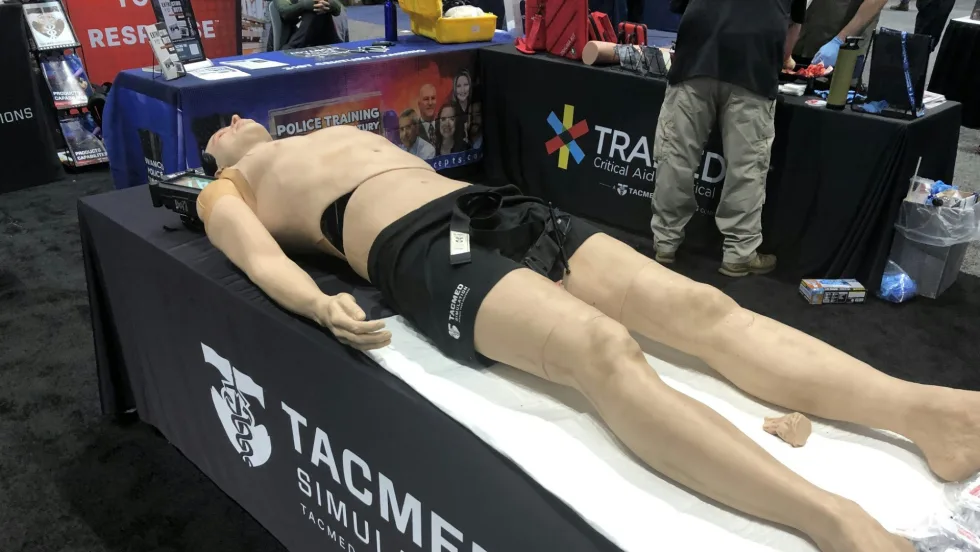
IACP 2023: New Training Products
Technologies for improving law enforcement training and training management were some of the highlights at this year's show.
Read More →
Initial Results Released from MSP 2024 Police Vehicle Testing
The 2024 pursuit-rated vehicles--all pickup trucks or SUVs, including two battery electric models the Chevrolet Blazer EV AWD and Ford Mustang Mach-E--were put through their paces.
Read More →
Officer Safety Considerations Related to Alternative-Fuel Vehicles
As more alternative-fuel and hybrid vehicles hit the road, police and other first responders need to understand that they are no more dangerous than conventional vehicles. However, there are certain safety considerations every cop should know.
Read More →
Garmont Working to Grow LE Market Presence
Garmont Tactical has found wide acceptance by military boot buyers, but now the company is trying to better respond to the needs of police officers. Many cops now are not fans of 8-inch boots, so Garmont is adapting.
Read More →
Publisher’s Note: Our Commitment to You
Through our magazine and website and our Police Technology eXchange event, we promise to provide you with information and access to resources to help you do your job safer and better.
Read More →
10 Tips for Responding to Mental Health Crisis Calls
The Harris County Sheriff's Office is a model for other agencies that want to learn about crisis intervention and mental health crisis response. Sgt. Jose Gomez shares the story of their programs and provides 10 tips for mental health crisis call response
Read More →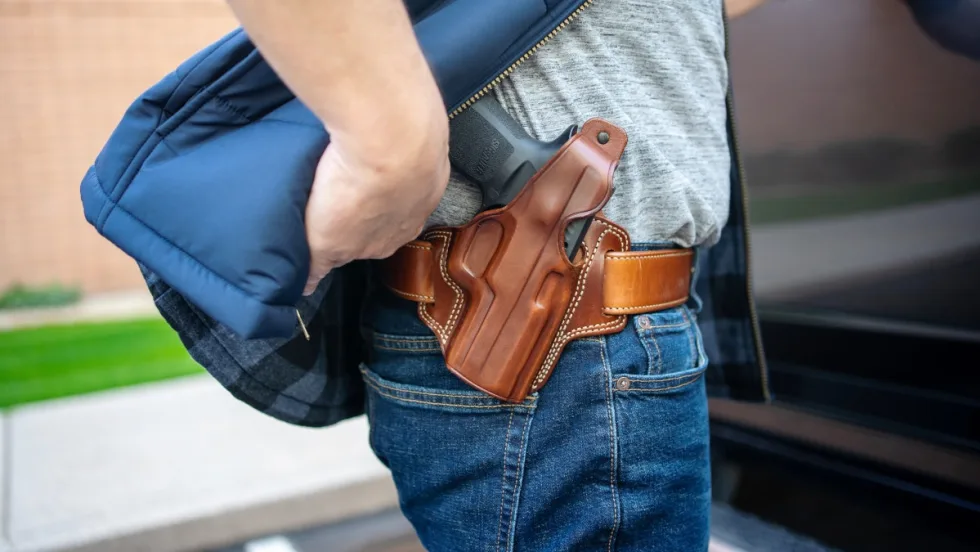
5 Things to Know When Buying Concealed-Carry or Off-Duty Holsters
Mike Barham, of Galco Holsters, shares five important considerations to keep in mind when you buy off-duty concealed or plain-clothes carry holsters.
Read More →
10 Tips for Reviewing Use-of-Force Reports
While the burden of accurately reporting use-of-force situations is on an individual deputy or officer, the person reviewing those reports shares in the responsibility of making sure the reporting is done properly, with clear details included.
Read More →