



How to Improve the Morale of Your SWAT Team
Recently, I was asked by a SWAT team leader for suggestions on how to “keep his team together.” His concern stems from his team having fallen into a “rut,” with the potential for “falling apart.” Doubly disconcerting is that this was a good team, one of the best in the state.

Recently, I was asked by a SWAT team leader for suggestions on how to “keep his team together.” His concern stems from his team having fallen into a “rut,” with the potential for “falling apart.” Doubly disconcerting is that this was a good team, one of the best in the state.
If this had been 20 to 30 years ago, the question would have been how to start a team because back then, SWAT was a relatively new, unproven concept. But over time and, through a track record of proven successes, SWAT has entrenched itself into the very fabric of law enforcement.
Today, most law enforcement agencies have ready access to SWAT teams, either their own or a nearby agency’s team. We’ve come a long way in the past 20 to 30 years. Or have we? I consider the formation of early SWAT teams—often overcoming strong challenges and opposition—to be “phase one” in SWAT team development.
However, that’s only half the battle. Phase two is maintaining a constant state of SWAT readiness and professionalism. It could be said that SWAT is only as good as its last mission or, more correctly, only as good as its next mission.
What the above SWAT team leader is rightly concerned about is that his team’s flagging morale could have the very real potential to destroy the team. He lists warning signs, including complacency, low morale, sagging attendance, and not enough activity.
I suspect his team isn’t the only one struggling with low morale. We all know that good morale is a fragile thing, not easy to achieve, and even more difficult to maintain consistently over a long period of time. This is true for all teams and organizations.
However, there’s light at the end of the tunnel for this team and this team leader. He has, after all taken the first step by recognizing the problem and its potential for escalation. He asks for suggestions, and I will offer some that have worked for other teams facing similar situations.
Very soon, per the new D.A.’s mandate, the team will be tripling the number of high-risk warrants it serves. This move is the team leader’s golden opportunity to jar his team out of its complacency, it’s rut. It’s amazing what real-world missions can do to renew a team’s morale and sense of pride.
High-risk warrants can easily be overlooked on the importance scale of SWAT call-outs. My opinion is the exact opposite is true—high-risk warrants require teams to hone their skills and tactics and teamwork and timing in real-world environments against real-world suspects. The ingredients required for successful raids are also required for other successful call-outs, including hostage rescues.
This team leader needs to quickly capitalize on the golden opportunity just handed to him by the D.A. He needs to change training focus to high-risk warrant service and announce this change to all team members. This might sound “remedial.” However, I prefer to call it returning to the “basics,” and the basics are what make teams winners.
Also, this team leader should announce that all team members must show up ready to go, wearing their SWAT uniforms and with all their individually assigned equipment and weapons. Doing this will let the team know that things won’t be “business as usual.”
He also needs to make participation in all team training mandatory for all team members (without valid, authorized excuses). Those reluctant or unwilling to participate will quickly distance themselves from the rest of the team, while those who participate will tighten their team ties.
Next, he needs to assign all team members raid-related tasks, including discreet pre-scouting of potential target areas and individual skills such as firearms proficiency. Also, this team leader or his assistant team leader needs to outline and schedule the training day activities from start to finish, ensuring that the entire day is structured with only raid-related training.
This team’s training day should begin with the leader’s briefing of the entire team. The team needs to be ready to go in SWAT uniforms and gear. At the briefing, he will outline the training day’s schedule and start the training immediately. That briefing should include as many raid-related topics as possible such as planning, assignments, scouting and recon, briefings, breaching, entries, prisoners, cover and containment, medevac, debriefings.
If he really wants to shake his team out of its rut, he should fit as many “quality” topics into the day as practicable. Then take advantage of every training day before the “raid season” begins, practicing raids to the point of near perfection. If he does this often and intensely enough, then something magical will occur: The team will be transformed into a true TEAM–working together–with morale and skills razor sharp determined to succeed in any and all missions they’re assigned.
Best of all the team will transform back into the winners that this leader knows they are capable of being.
More Blog Posts
Preventing Heat Injury in Police K-9s
In the relentless heat of summer and even early fall in some parts of the country, officers face the important task of protecting their K-9 partners while working in sweltering temperatures. Recognizing changes in a dog’s behavior is the key.
Read More →
Why Your Agency Needs to Attend the ILEETA Conference
ILEETA is a complete resource for trainers to address trainers' needs. Its mission is to enhance the skills and safety of criminal justice practitioners while fostering stronger and safer communities.
Read More →
IACP 2023: New Training Products
Technologies for improving law enforcement training and training management were some of the highlights at this year's show.
Read More →
Initial Results Released from MSP 2024 Police Vehicle Testing
The 2024 pursuit-rated vehicles--all pickup trucks or SUVs, including two battery electric models the Chevrolet Blazer EV AWD and Ford Mustang Mach-E--were put through their paces.
Read More →
Officer Safety Considerations Related to Alternative-Fuel Vehicles
As more alternative-fuel and hybrid vehicles hit the road, police and other first responders need to understand that they are no more dangerous than conventional vehicles. However, there are certain safety considerations every cop should know.
Read More →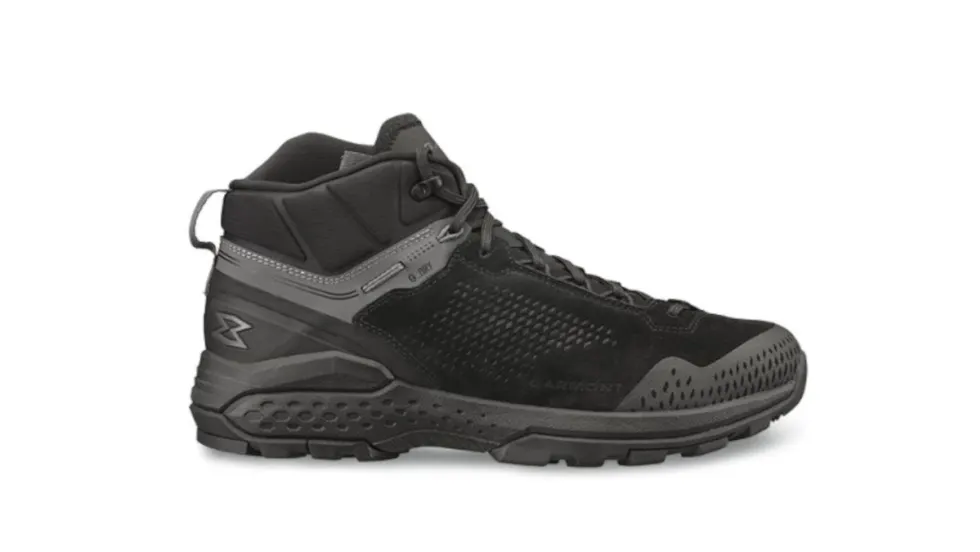
Garmont Working to Grow LE Market Presence
Garmont Tactical has found wide acceptance by military boot buyers, but now the company is trying to better respond to the needs of police officers. Many cops now are not fans of 8-inch boots, so Garmont is adapting.
Read More →
Publisher’s Note: Our Commitment to You
Through our magazine and website and our Police Technology eXchange event, we promise to provide you with information and access to resources to help you do your job safer and better.
Read More →
10 Tips for Responding to Mental Health Crisis Calls
The Harris County Sheriff's Office is a model for other agencies that want to learn about crisis intervention and mental health crisis response. Sgt. Jose Gomez shares the story of their programs and provides 10 tips for mental health crisis call response
Read More →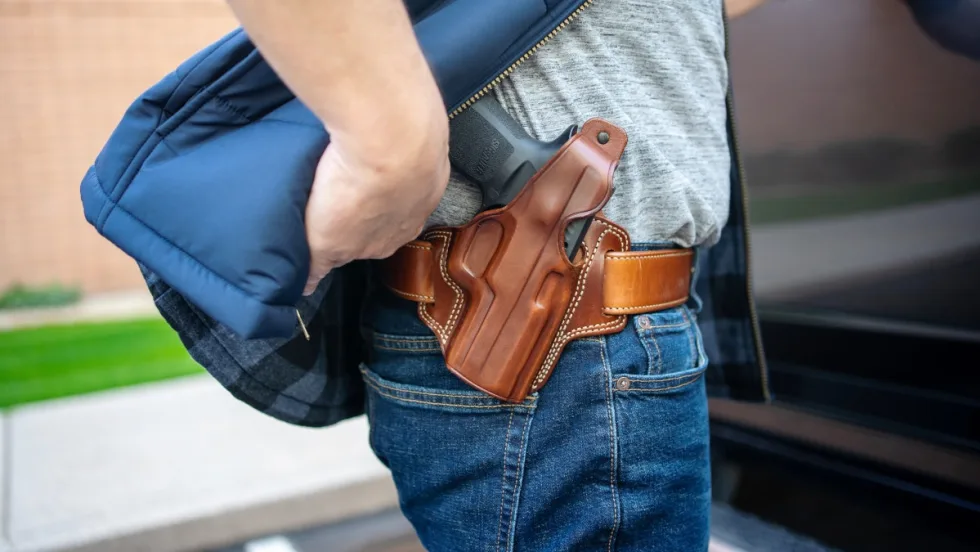
5 Things to Know When Buying Concealed-Carry or Off-Duty Holsters
Mike Barham, of Galco Holsters, shares five important considerations to keep in mind when you buy off-duty concealed or plain-clothes carry holsters.
Read More →
10 Tips for Reviewing Use-of-Force Reports
While the burden of accurately reporting use-of-force situations is on an individual deputy or officer, the person reviewing those reports shares in the responsibility of making sure the reporting is done properly, with clear details included.
Read More →