



Connecticut's Dangerous Weapon Offender Registry
It does make logical sense to keep firearms out of the hands of people who have just been treated for psychiatric issues or adjudicated mentally ill. However, taking weapons out of the hands of people with low-level misdemeanor convictions is nothing short of excessive government overreach.


Photo by Kelly Bracken.
One provision of Connecticut's stringent gun-control legislation passed earlier this month was lost in the politically-correct shouts of support and Second Amendment denunciations.
The legislation signed by Gov. Dannel Malloy on April 4 includes a stricter assault weapons ban, limit on magazine size, and eligibility rules for buying ammunition. It also includes the nation's first dangerous weapon offender registry. Since Gov. Malloy's stated goal is to reduce gun violence, let's take a closer look.
Those people prohibited from possessing any sort of firearm after Oct. 1 will fall into four categories. The first pertains to misdemeanors and would ban anyone convicted of such crimes as possessing one-half ounce of marijuana, unlawful restraint, and stalking.
The second category would ban anyone discharged from custody within the preceding 20 years after having been found not guilty of a crime "by reason of mental disease or defect."
The third category bans those ordered by a probate court to be confined in a hospital for psychiatric disabilities for the preceding 60 months. The disqualifying period is the preceding 12 months if the person holds a valid firearm-related certificate or license that was issued before Oct. 1.
The fourth category bans people who were voluntarily admitted to a hospital with psychiatric disabilities within the preceding six months. Admission solely for alcohol or drug dependency won't trigger the ban.
Connecticut also has a separate statute that bans possession of handguns by certain categories of people. To the handgun statute, the new bill would add categories three and four from the above list and increase the penalties for a conviction. The bill doesn't contain any law enforcement exceptions in this "prohibited persons" provision.
It does make logical sense to keep firearms out of the hands of people who have just been treated for psychiatric issues or adjudicated mentally ill. This effort should be applauded. It will probably save the life of an officer knocking on a mobile-home door after responding to a domestic disturbance call.
However, taking weapons out of the hands of people with low-level misdemeanor convictions, on the other hand, is nothing short of excessive government overreach.
The law seems to both overreach and fall short at the same time. Arguably, it doesn't go far enough in dealing with domestic violence. Intimate partner homicides account for about 30 percent of the murders of women and 5 percent of the murders of men, according to the Bureau of Justice Statistics. Those people convicted of domestic violence felonies and misdemeanors or who are named in active protective orders should be temporarily denied gun-purchasing rights. Perhaps they could reapply after a prolonged waiting period or judicial review.
Will Connecticut's new law reduce gun violence or will it mostly serve the politicians who enacted it? Let me know your opinion by commenting below.
More Blog Posts
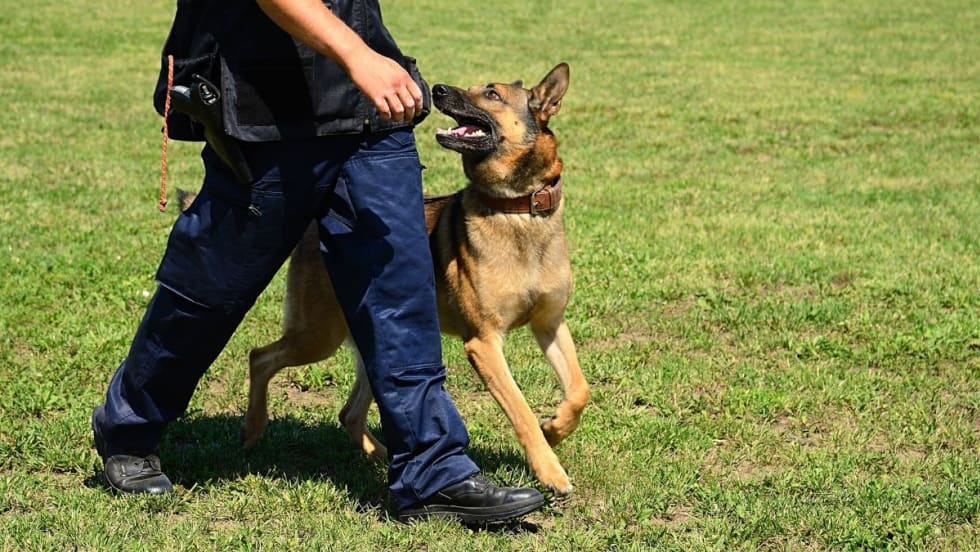
Preventing Heat Injury in Police K-9s
In the relentless heat of summer and even early fall in some parts of the country, officers face the important task of protecting their K-9 partners while working in sweltering temperatures. Recognizing changes in a dog’s behavior is the key.
Read More →
Why Your Agency Needs to Attend the ILEETA Conference
ILEETA is a complete resource for trainers to address trainers' needs. Its mission is to enhance the skills and safety of criminal justice practitioners while fostering stronger and safer communities.
Read More →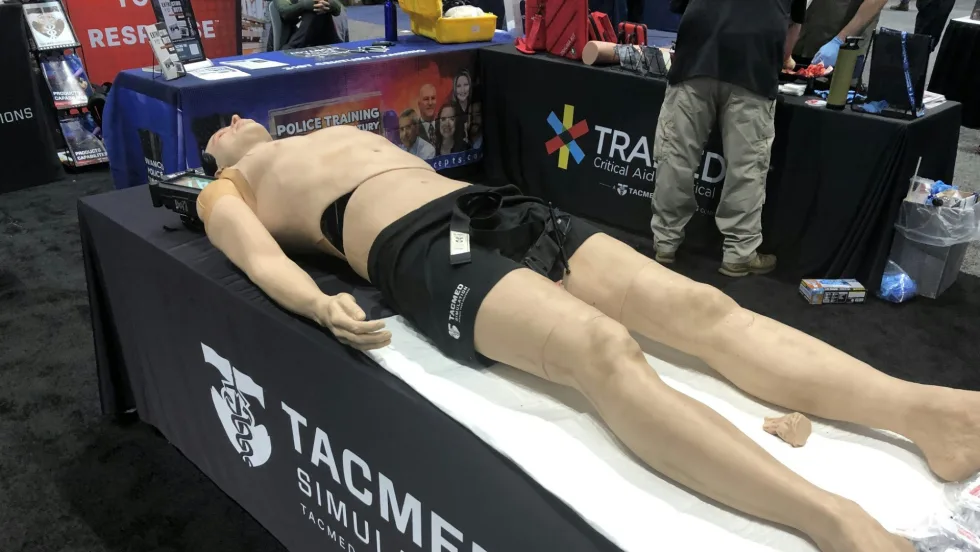
IACP 2023: New Training Products
Technologies for improving law enforcement training and training management were some of the highlights at this year's show.
Read More →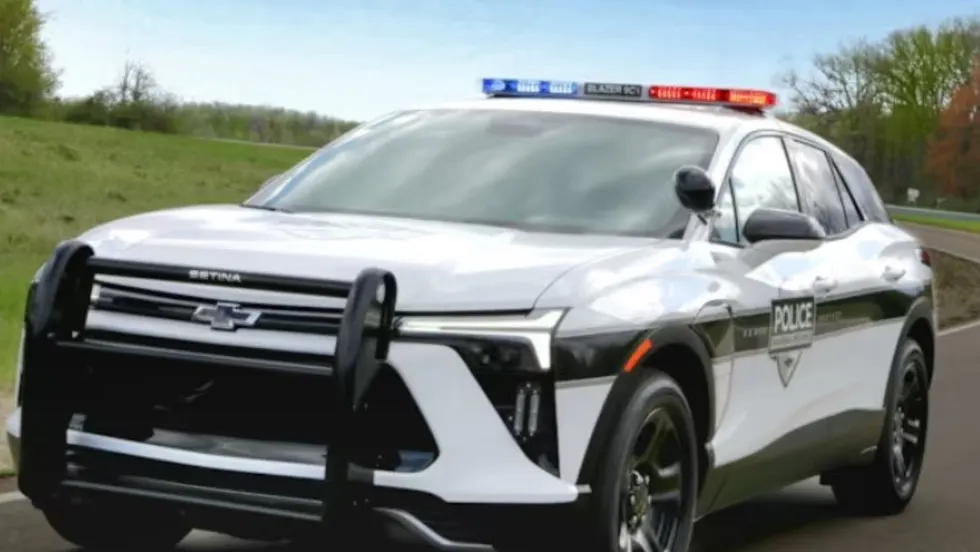
Initial Results Released from MSP 2024 Police Vehicle Testing
The 2024 pursuit-rated vehicles--all pickup trucks or SUVs, including two battery electric models the Chevrolet Blazer EV AWD and Ford Mustang Mach-E--were put through their paces.
Read More →
Officer Safety Considerations Related to Alternative-Fuel Vehicles
As more alternative-fuel and hybrid vehicles hit the road, police and other first responders need to understand that they are no more dangerous than conventional vehicles. However, there are certain safety considerations every cop should know.
Read More →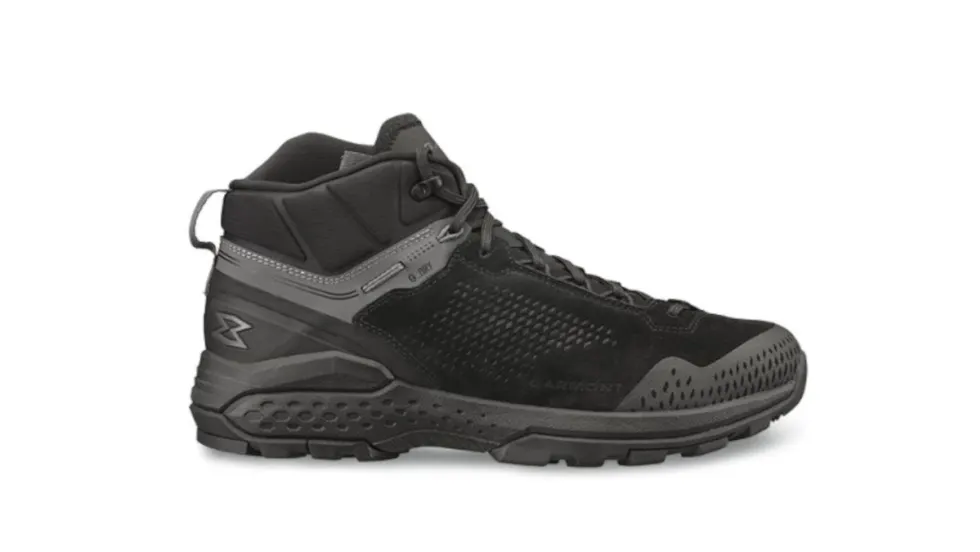
Garmont Working to Grow LE Market Presence
Garmont Tactical has found wide acceptance by military boot buyers, but now the company is trying to better respond to the needs of police officers. Many cops now are not fans of 8-inch boots, so Garmont is adapting.
Read More →
Publisher’s Note: Our Commitment to You
Through our magazine and website and our Police Technology eXchange event, we promise to provide you with information and access to resources to help you do your job safer and better.
Read More →
10 Tips for Responding to Mental Health Crisis Calls
The Harris County Sheriff's Office is a model for other agencies that want to learn about crisis intervention and mental health crisis response. Sgt. Jose Gomez shares the story of their programs and provides 10 tips for mental health crisis call response
Read More →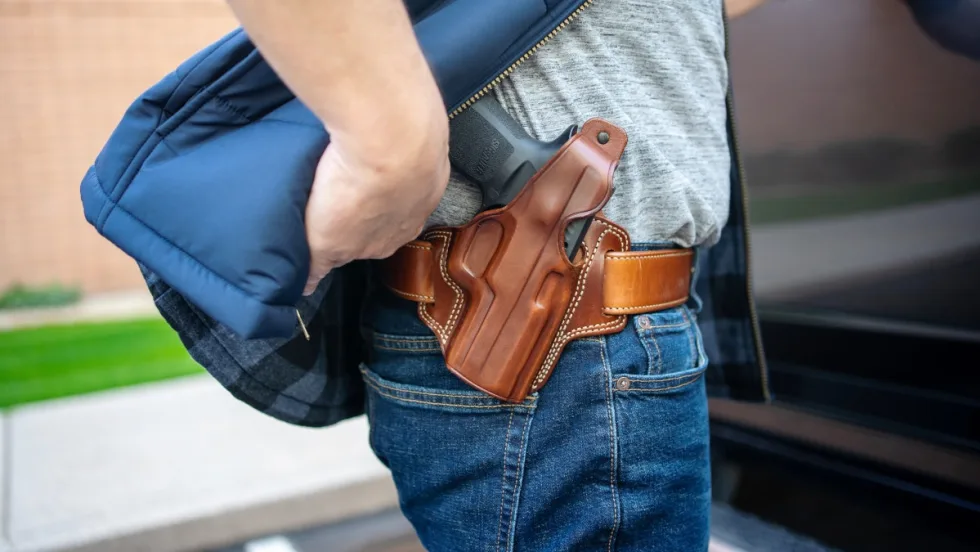
5 Things to Know When Buying Concealed-Carry or Off-Duty Holsters
Mike Barham, of Galco Holsters, shares five important considerations to keep in mind when you buy off-duty concealed or plain-clothes carry holsters.
Read More →
10 Tips for Reviewing Use-of-Force Reports
While the burden of accurately reporting use-of-force situations is on an individual deputy or officer, the person reviewing those reports shares in the responsibility of making sure the reporting is done properly, with clear details included.
Read More →