



8 Ways To Make Your Campus Safer
After the dust settles on Friday's Sandy Hook Elementary School shooting, the campus protection community should once again be prepared to review our K-12 active shooter response emergency plans.

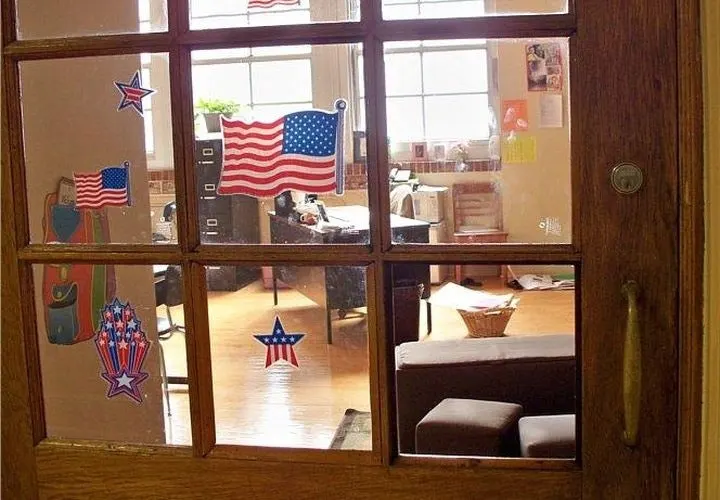
Photo via Terry McCombs/Flickr.
As the horrible details of Friday's Sandy Hook Elementary School mass shooting come to light, my first thoughts are to keep all of the individuals affected by this tragedy in my prayers.
After the dust settles, however, the campus protection community should once again be prepared to review our K-12 active-shooter response emergency plans, as well as the technologies and approaches to construction and renovation that can help thwart future attacks. Below are some basics Campus Safety magazine has covered over the years that I encourage every campus security stakeholder to review.
Note: Some, if not all, of the solutions listed below might already be in place at Sandy Hook Elementary School.
Realize it can happen at your campus: Although security at K-12 schools and districts, as well as the response tactics of law enforcement to active shooter incidents are much better than in 1999 when the Columbine High School massacre occurred, it's so easy for these issues to become afterthoughts if nothing has happened at your school recently. School public safety must constantly be top of mind.
Local law enforcement and campuses must foster close, working relationships: Developing these relationships ahead of time will ensure vital information and resources flow between both sides during an emergency. For example, if you have a security camera system installed at your school, can local police access the images for improved situational awareness during an incident? A common saying in law enforcement is that public safety stakeholders shouldn't be making introductions and exchanging business cards at an emergency operations center during a crisis.
Local law enforcement must conduct active shooter exercises on campuses: This helps police officers learn the layout of each building so they’ll be able to respond more effectively during a crisis. First responders (including fire and EMS) should also have easy and immediate access to building plans and layouts so they can quickly shut off power, HVAC, etc.
Train teachers, administrators, staff and students how to appropriately respond to active shooter incidents: Do they know what shelter in place and lockdown mean? Do they know under when and where to evacuate? Are administrators, teachers and appropriate staff trained in the National Incident Management System (NIMS) and Incident Command System (ICS)? Also, staff must be trained to make life-and-death decisions quickly.
Put locks on classroom doors that lock from the inside: Doing this enables a teacher to lock a door without exposing themselves to a shooter who might be in the hallway. It should be noted, however, that there are pros and cons to this approach that must be addressed with appropriate policies and technologies.
Limit access of visitors to campus: This can be achieved by having a single entrance through which all visitors must pass. The entrances that have vestibules (that act somewhat like man-traps) can prevent an unauthorized visitor from getting beyond the front office. Additionally, visitor management software can help school staff screen visitors who might have arrest records or child custody disputes. Unfortunately, for campuses with open layouts, managing visitors can be very challenging
Develop a method to notify parents during an emergency so they are kept informed about the status of the situation, as well as where and when they can reunite with their children. Emergency notification technologies, including SMS text, social medial, E-mail and hotlines can help get the messages out quickly.
Provide mental health services for students, staff and first responders: A tragedy like the one at Sandy Hook with so many children dying would be difficult for anyone. Mental health services can help all those affected process their grief and move on with their lives.
All of these points, and many more I've failed to mention, should be covered in your campus emergency plans.
Over the next few days and weeks, I’m certain we'll learn more about the Sandy Hook Elementary School mass shooting and if anything could have been done differently to decrease the loss of life. Unfortunately, I suspect this may be one of those times when no amount of work can prepare us for tragedies like this one. That being said, it can only help if we double our efforts.
Our thoughts and prayers are with Sandy Hook Elementary School's students, teachers, administrators, staff, parents and neighbors.
Robin Hattersley Gray is the executive editor of Campus Safety Magazine, a sister publication of POLICE Magazine.
Related:
27 Killed in Connecticut School Shooting
More Blog Posts
Preventing Heat Injury in Police K-9s
In the relentless heat of summer and even early fall in some parts of the country, officers face the important task of protecting their K-9 partners while working in sweltering temperatures. Recognizing changes in a dog’s behavior is the key.
Read More →
Why Your Agency Needs to Attend the ILEETA Conference
ILEETA is a complete resource for trainers to address trainers' needs. Its mission is to enhance the skills and safety of criminal justice practitioners while fostering stronger and safer communities.
Read More →
IACP 2023: New Training Products
Technologies for improving law enforcement training and training management were some of the highlights at this year's show.
Read More →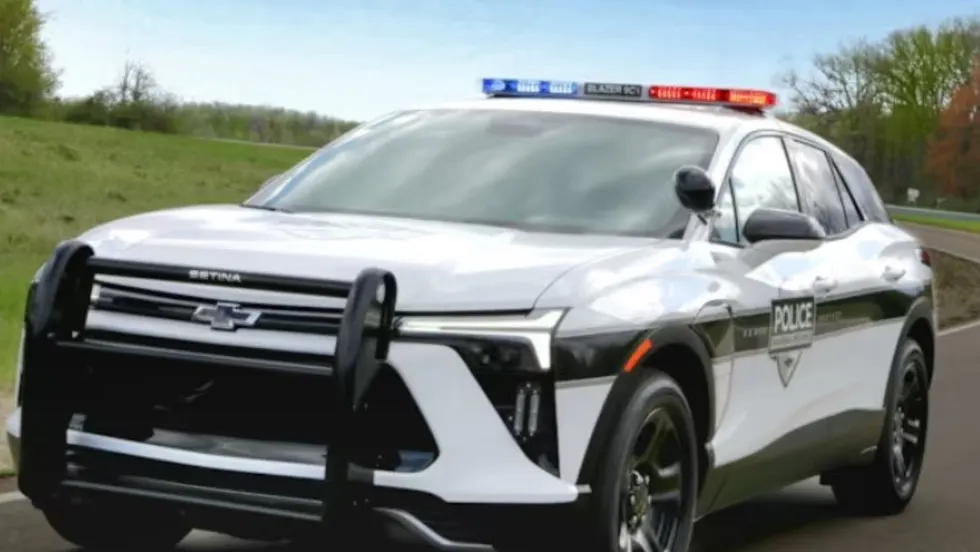
Initial Results Released from MSP 2024 Police Vehicle Testing
The 2024 pursuit-rated vehicles--all pickup trucks or SUVs, including two battery electric models the Chevrolet Blazer EV AWD and Ford Mustang Mach-E--were put through their paces.
Read More →
Officer Safety Considerations Related to Alternative-Fuel Vehicles
As more alternative-fuel and hybrid vehicles hit the road, police and other first responders need to understand that they are no more dangerous than conventional vehicles. However, there are certain safety considerations every cop should know.
Read More →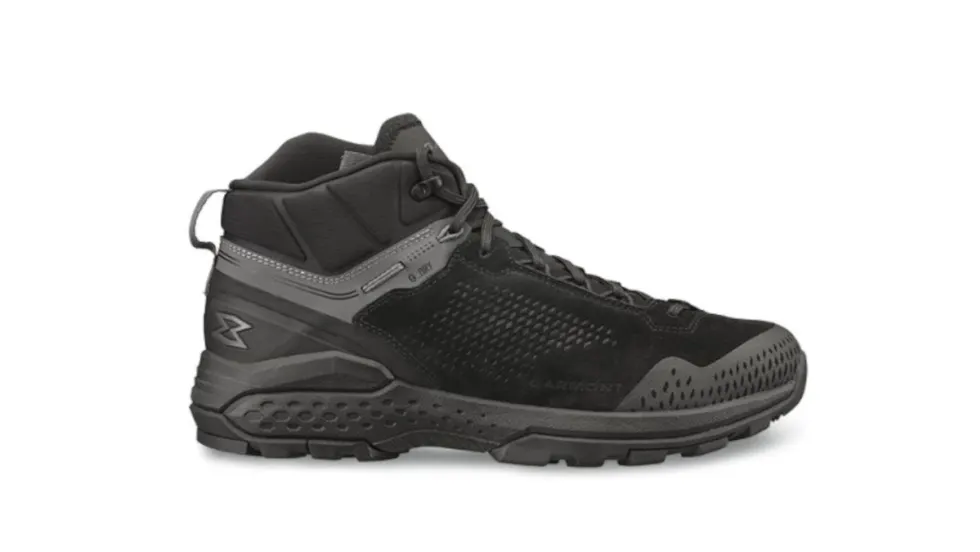
Garmont Working to Grow LE Market Presence
Garmont Tactical has found wide acceptance by military boot buyers, but now the company is trying to better respond to the needs of police officers. Many cops now are not fans of 8-inch boots, so Garmont is adapting.
Read More →
Publisher’s Note: Our Commitment to You
Through our magazine and website and our Police Technology eXchange event, we promise to provide you with information and access to resources to help you do your job safer and better.
Read More →
10 Tips for Responding to Mental Health Crisis Calls
The Harris County Sheriff's Office is a model for other agencies that want to learn about crisis intervention and mental health crisis response. Sgt. Jose Gomez shares the story of their programs and provides 10 tips for mental health crisis call response
Read More →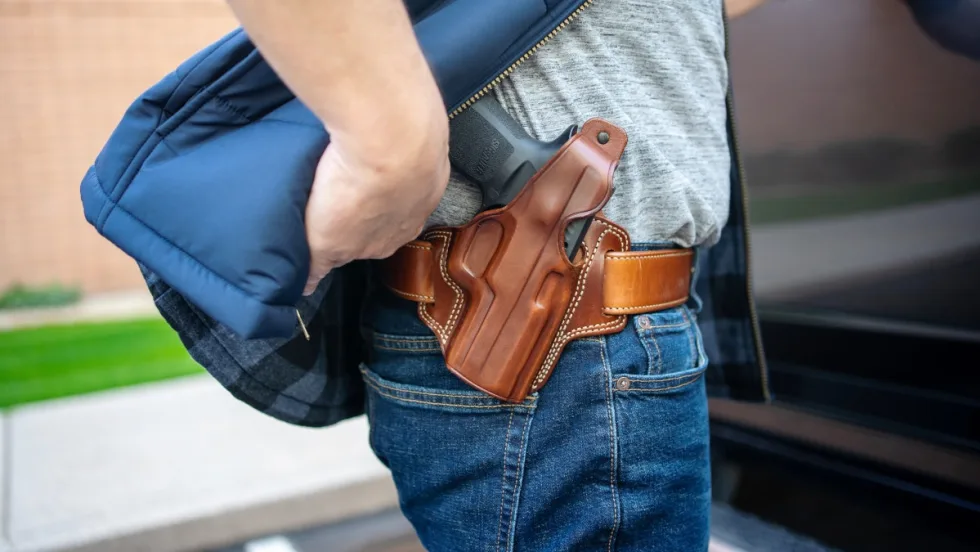
5 Things to Know When Buying Concealed-Carry or Off-Duty Holsters
Mike Barham, of Galco Holsters, shares five important considerations to keep in mind when you buy off-duty concealed or plain-clothes carry holsters.
Read More →
10 Tips for Reviewing Use-of-Force Reports
While the burden of accurately reporting use-of-force situations is on an individual deputy or officer, the person reviewing those reports shares in the responsibility of making sure the reporting is done properly, with clear details included.
Read More →