



Your Choices
What accounts for the difference between the high producers and the lower ones? Simple. The high producers have made different choices than the others.

One evening at the dinner table almost 20 years ago, when my strong-willed nephew was three years old, he and his father had the usual dispute over whether the kid was going to eat the vegetables. Negotiations broke down. The exasperated father told his son, "Joshua, these are your choices: you either start eating your vegetables right now, or you go to your room right now!"
Joshua thought for a moment, a sly smile came to his too-young face, and he gave his answer. "No, Daddy, those are not my choices; those are your choices!"
Sounds like the kid was a generation ahead of his time, attitude-wise. So much for leadership, Daddy.
If you work in a big city, you already know. If you work for a smaller agency, maybe you do, maybe you don't, at least not yet. But in this era of federal consent decrees, allegations of "racial profiling," data systems that track the ethnicity of those you stop, increased public complaints of officer misconduct, civil rights lawsuits, gangsters who think they own the streets, and cops going to jail and/or losing their jobs, you have choices to make about how to do street work.
Some officers have nearly stopped working, while others continue. The latter cops regard the former as "slugs" collecting paychecks, and the former regards the latter as naïve to the notion that the civil libertarians have finally "won," and clearly, society doesn't want us to do police work anymore.
I command Valley Traffic Division, the largest traffic division in Los Angeles. With 200 officers, supervisors and detectives, we cover 222 square miles (nearly half the city limits) and serve 1.3 million people. Last year my officers investigated 16,000 traffic collisions, issued 98,000 citations, and made more than 3,000 arrests. These were big increases over the prior year. Our motorcycle officers currently issue anywhere from 11 to 23 traffic citations daily, with the norm being about 14.
What accounts for the difference between the high producers and the lower ones? Simple. The high producers have made different choices than the others.
There are plenty of rationales for not working hard when the pendulum seems to have swung against law enforcement in many cities. "If I don't stop as many people, I won't get as many personnel complaints." "I won't get racial-profiling complaints if I don't stop any people of this color or that." "I already had a bad lawsuit, I don't need another one." "Driving and waving is safer than hooking and booking."
High producers have a different perspective. They see their job as saving lives, as protecting those who need protection and providing the great public service that they promised to provide when they raised their right hands and accepted the badge.
They have found ways to stay out of trouble. They deliver courteous, professional service. They call a supervisor to the scene when a citizen wants to argue aggressively. They use mini-tape recorders to effectively ward off bogus personnel complaints. These officers focus enforcement efforts on what the violations look like, not on what the violators look like. Three of my officers each arrested more than 300 drunk drivers last year. They know their efforts save lives, whether or not the arrestees make complaints.
Each of you has your own choice to make. Eat your vegetables, or don't. As with "Daddy's" situation at the dinner table, leadership won't be able to cram it down your throats. You and I aren't going to solve society's "pendulum problem," either.
In the end, it's your choice. Protect. Serve. Save lives. Or just collect a paycheck.
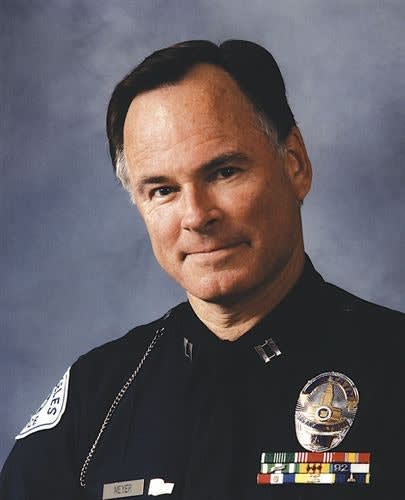
Capt. Greg Meyer is a member of the POLICE Advisory Board and he commands the Valley Traffic Division of the Los Angeles Police Department.
More Patrol

Scene Lights and Portable Lighting: Indispensable Tools for Patrol Vehicles
Carrying dedicated portable scene lights can make all the difference when illuminating a nighttime accident scene, conducting a roadside investigation, searching a wooded area, or managing other incidents before additional resources arrive. Here is what you need to know.
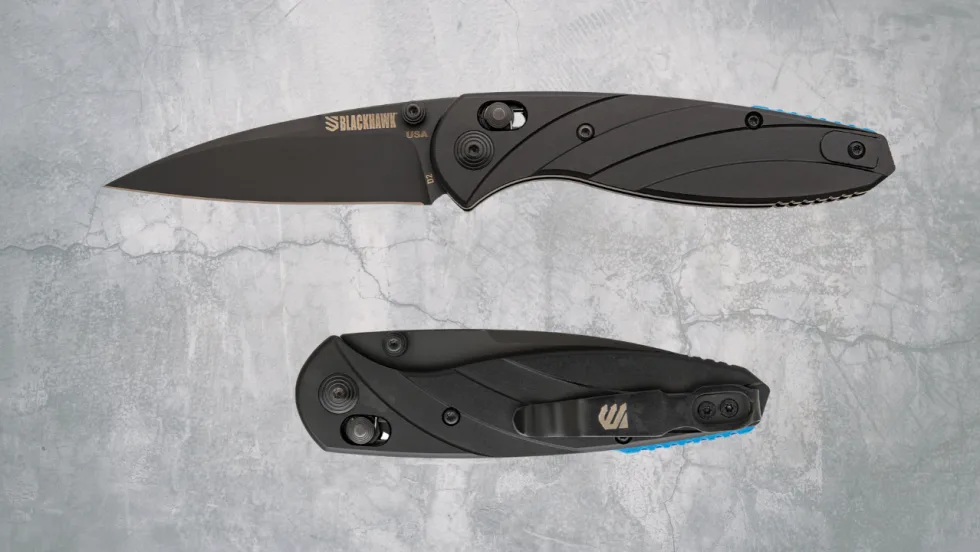
Blackhawk Showcases Officer Carry Slide Lock Folder
Blackhawk’s Officer Carry slide lock folder is a back-to-basics folder that offers the perfect middle ground of lightweight, positive manual operation, and multi-purpose performance built around a D2 steel blade.

Folds of Honor North Texas Gala Brings Community Together at AT&T Stadium, Raising $4 Million for Military and First Responder Families
The 2026 Folds of Honor North Texas Gala featured an inspiring evening honoring service, sacrifice, and the power of education, and raised $4 million to provide scholarships to the spouses and children of America's fallen or disabled military members and first responders.
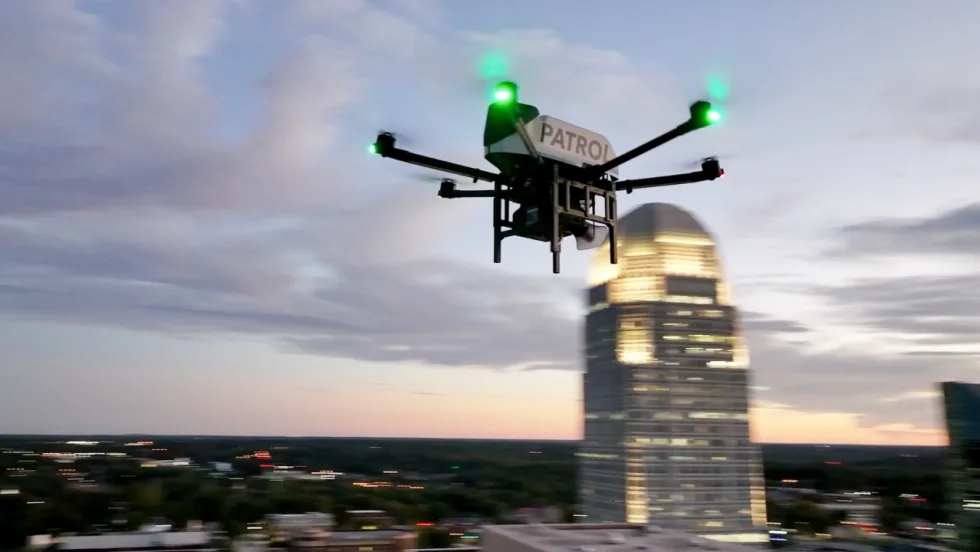
Forsyth County Sheriff Establishes First U.S. A2Z AirDock Network, Expanding its DFR Capabilities
The Forsyth County Sheriff’s Office, North Carolina, has launched the nation’s first A2Z Drone Delivery AirDock network. The dedicated network for drone-as-first-responder missions supports a fleet of A2Z Longtail Patrol drones.

The Threat That Fits Under Your Fingernail
What cops need to know about alpha-gal, the tick-borne allergy that can turn an ordinary exposure into a problem weeks or months later.
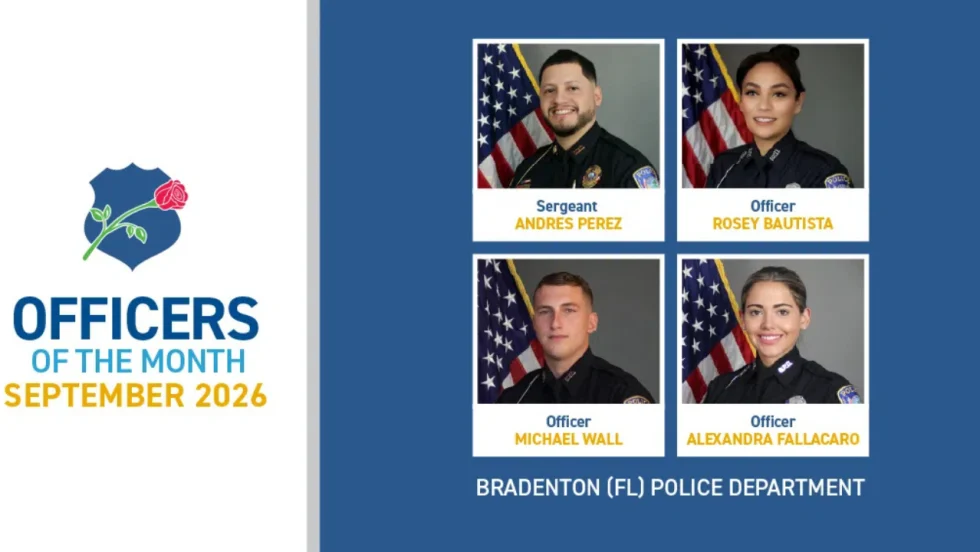
NLEOMF Honors September 2026 Officers of the Month
Four Bradenton Police Department officers were selected as the NLEOMF Officers of the Month for September 2026 for a nighttime water rescue.
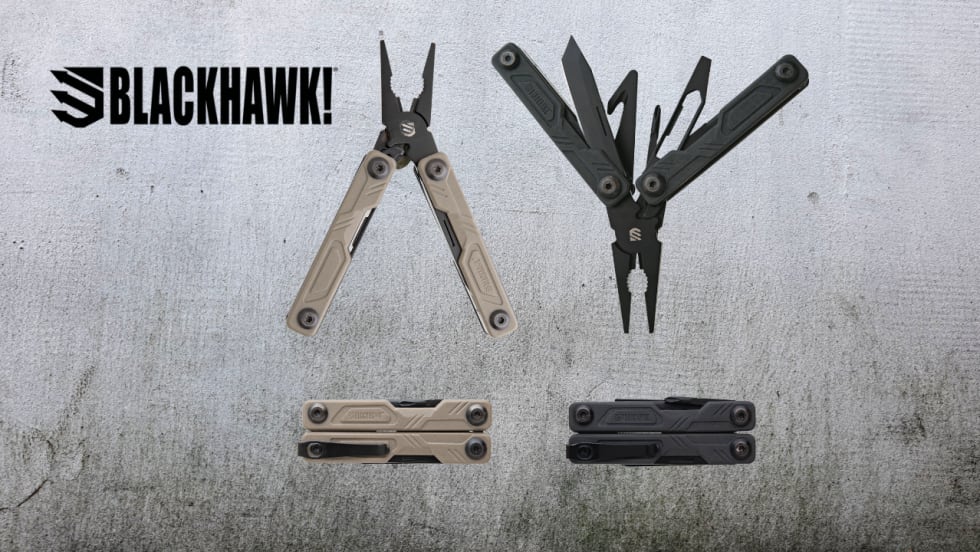
Blackhawk Debuts Mini EDC Pocket Multi-Tool
The Blackhawk Mini EDC Pocket Multi-Tool stows easily in pants pockets thanks to a sturdy stainless steel pocket clip and incorporates several essential/emergency tools into a single, high-mobility unit.

Team Wendy Introduces the EXFIL Endurance Ballistic Helmet, Engineered to Reduce the Burden of Extended Wear
Team Wendy has launched its EXFIL Endurance, a new lightweight ballistic helmet engineered to deliver protection, comfort, and fit during demanding, extended operations.

The First Responders Children’s Foundation National First Responders Day Roll Call of Heroes Ceremony Returns to Times Square, NYC
First Responders Children’s Foundation (FRCF), in collaboration with T-Mobile, will host the Roll Call of Heroes ceremony in Times Square to commemorate National First Responders Day on Wednesday, Oct. 28. During the event, FRCF will present 18 Hero Awards.
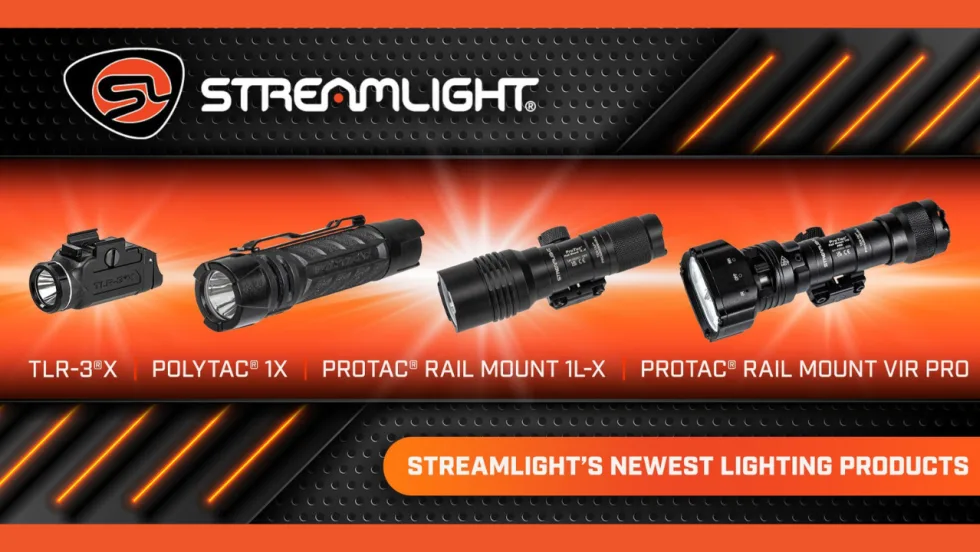
Streamlight to Showcase Newest Lighting Products for Law Enforcement Professionals at IACP 2026
Streamlight will showcase its newest lights for law enforcement at the International Association of Chiefs of Police Annual Conference & Expo. Featured lights will include the TLR-3 X, the PolyTac 1X, and more.