



Why Police Leaders Must Champion Parking Enforcement
For police and transportation departments, traditional parking enforcement exposes officers to risk, such as standing on busy roads to issue paper tickets or catching offenders in dangerous, congested areas. Modern technology changes this, reducing exposure, speeding processes, and limiting confrontations.
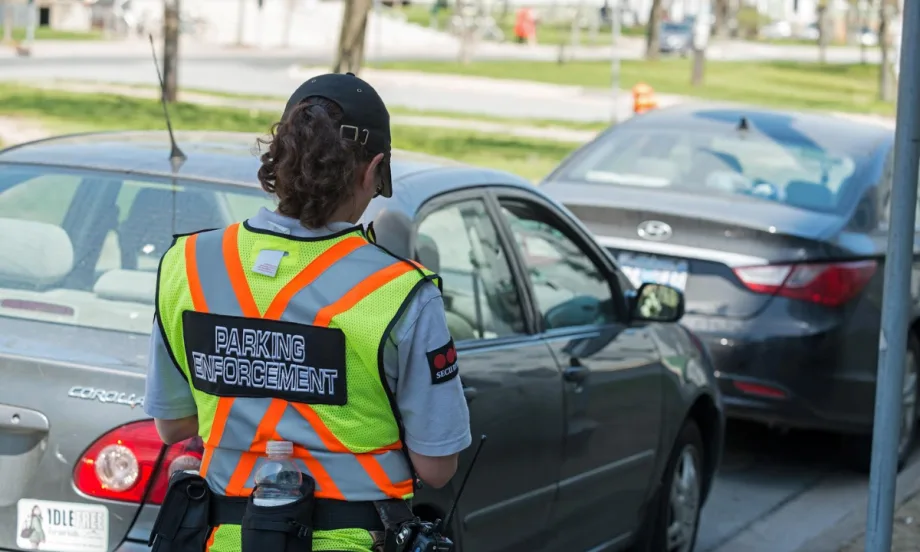
Effective parking management provides municipalities with a reliable revenue stream through fees, fines, and permits. In some communities, this income is substantial, and in some, it’s the top revenue generator.
T2 Systems
- Traditional parking enforcement poses risks to officers by requiring them to stand on busy roads and confront offenders in congested areas.
- Modern technology in parking enforcement reduces these risks by minimizing face-to-face interactions and expediting the ticketing process.
- Police and transportation leaders are encouraged to adopt new technologies to enhance officer safety and efficiency.
*Summarized by AI
Reflecting on my decades-long career as a police chief, I realize that the events I’ve witnessed that most often shaped public trust weren’t always those that made the evening news or morning headlines. Typically, the everyday issues that impacted the community were: speeding, traffic congestion, and parking.
Parking matters to residents and businesses. From a parent circling the block with children in the back seat, to a shop owner watching customers leave, or to a person with a disability having no ADA access, lives are impacted if there are no available parking spaces. It’s a daily stress point that influences how people feel about their cities and community and, perhaps, even about the police.
The average American driver spends approximately 17 hours per year searching for parking, according to an INRIX study. The survey also found that Americans waste $73 billion each year looking for parking spots, costing $345 per driver in wasted time, fuel, and emissions. Those costs jump in major metropolitan areas. For example, drivers in New York City spend 107 hours and $2,243 annually. According to that same study, up to 30% of downtown traffic congestion can be attributed to vehicles searching for a parking space.
I’m often asked by city officials from small and mid-sized municipalities if enforcement tools and solutions could work for them. My answer is always: of course! While previously considered to be a large city problem, parking challenges are growing in small and mid-sized cities as populations increase.
The 2025 Parking Pulse Report is a nationwide poll from the National Parking Association that measures industry optimism, confidence, and sentiment. More than 63% of those polled expect 10%+ revenue growth in 2026. In that same report, automation and technology are seen as the top growth drivers, with 49% saying it was critical for success.
The cost of doing nothing is frankly too great. Doing nothing to address local parking challenges and implementing a sound enforcement strategy has major financial, operational, and reputational consequences. Inaction undermines city budgets, frustrates businesses, and drains resources.
Our duty as civic leaders is to look beyond tickets and see the bigger picture: enforcement is about delivering fairness, safety, and trust.
Recognize Parking Challenges
One of the fundamental challenges is the imbalance between parking demand and supply. As urban populations grow and the reliance on personal vehicles remains high, the pressure on available parking spaces intensifies.
An immediate effect of high parking demand is congestion. When drivers are uncertain about parking space availability, they have to circle, looking for an open spot. The lack of parking space leads to traffic build-ups and also causes more air pollution. Without effective enforcement, parkers may exceed their allotted parking times, reducing the turnover rates necessary for maintaining availability in high-demand areas.
Municipalities often face spatial constraints that limit their ability to develop new parking areas within their borders. The increasing dependence of automobiles in the U.S. has forced cities to allocate land for parking instead of other developmental purposes like housing or commercial spaces. Additionally, acquiring capital to develop parking lots and garages can be challenging, often leading to the necessity of paid parking to fund these structures.
While regular weekdays might not present severe parking issues, weekends and holidays can significantly strain parking resources. An influx of visitors during these times can overwhelm existing parking facilities, highlighting the need for better parking management strategies during peak periods.
Create a Parking Management Strategy
Despite these challenges, municipalities have several strategies to improve parking management. Utilizing permitted parking in conjunction with enforcement programs can facilitate extended access to parking for residents and employees. Modern backend parking management systems are sophisticated enough to handle various permit types tailored to the specific needs of each municipality.
T2 Systems/POLICE
Introducing paid parking is another effective method to encourage turnover and manage parking demand. On-street pay stations and mobile payment options, including QR codes, allow parkers to pay for only the time they need without the clutter of traditional parking hardware. While not always popular, paid parking can address issues by promoting better space.
Effective parking management offers a reliable revenue stream for municipalities through fees, fines, and permits. In some communities, this income is substantial; for example, parking revenue is the second-largest source of income in Gettysburg, PA, surpassed only by property taxes, while in Lake George, NY, it’s the top revenue generator.
As technology advances and community needs evolve, municipal leaders must remain creative and proactive in implementing effective parking solutions.
Enforce Good Behavior
Just as there is enforcement to ensure residents obey traffic laws, parking enforcement is essential for maintaining community order and promoting public safety.
The primary goal of parking enforcement is not to issue more tickets; rather, it’s to promote fair and safe parking practices, maximize parking availability for those who need it, and prevent congestion and safety hazards. Without enforcement, these issues lead to lost revenue, frustrated residents, and limited access for local businesses.
When a parking enforcement officer identifies a parking violation, they may issue a parking citation or ticket to the offending vehicle. The citation typically includes information about the incident, date and time, location, and instructions for paying the fine or contesting the citation if applicable. Failure to pay the fine or address the citation may lead to further penalties or consequences.
When done fairly and transparently, enforcing parking rules is not about punishment. It ensures access, supports local economies, protects officers, and reinforces public trust. Urbanization and technological advancements like AI, IoT, machine learning, and smart city technologies are transforming how we enforce parking management and provide better experiences for residents.
Ensure Access
City officials and law enforcement care about enforcing parking rules because it directly affects public safety, traffic flow, and the efficient use of limited space in communities, regardless of size or location. Enforcement ensures streets remain clear for emergency vehicles and pedestrians, prevents congestion, and helps maintain community order by managing access to public areas.
Research has found that well-designed parking programs can improve access to small businesses, promote job growth, increase housing opportunities, provide funding for municipalities, and even complement the community's aesthetics. Inaction has financial, operational, and reputational consequences.
Creative parking management strategies can generate consistent revenue for municipalities through parking fees, fines, and permits. This funding can support public projects, invest in transit and other infrastructure, and improve local services.
The need for mobile parking solutions and electronic payment options is on the rise, enhancing customer service and convenience. This trend reflects the shift from cash transactions to e-payments as more parking operators allow credit card and online payment through mobile phones.
Support Local Economies
The International Parking and Mobility Institute (IPMI) estimates that each on-street parking spot can add up to $20,000 in revenue per year to local businesses and governments. This figure estimates the overall economic activity generated by the businesses a parking spot serves, rather than just the revenue collected from parking meters.
Modern, well-designed parking programs use demand-based pricing and extended time limits to manage limited on-street resources more efficiently. This promotes turnover, making it easier for customers to find parking and increasing foot traffic for local shops and restaurants.
Ignoring parking challenges can harm the local business economy and hinder growth, frustrate residents, and create inefficiencies that drain resources.
Protect Officers
As a chief officer, safety was always my top priority. For police and transportation departments, traditional enforcement exposes officers to risk, such as standing on busy roads to issue paper tickets or catching offenders in dangerous, congested areas.
Modern technology changes this, reducing exposure, speeding processes, and limiting confrontations. It’s not just parking infractions that officers have to deal with. The National Safety Council estimates that nearly 20% of all U.S. motor vehicle collisions happen in parking lots.
Calls to police about parking issues may feel insignificant, but they consume significant officer time. Without structured enforcement, departments chase complaints instead of preventing them. Smart enforcement frees officers to focus on higher-priority issues.
Reinforce Public Trust
When municipalities consider enforcement, officials often encounter pushback. Arguments against enforcement typically point to concerns over challenging the status quo: we haven’t enforced parking regulations before, so why now? Or, dispelling the myth: enforcement is nothing other than a money-grab.
No enforcement program succeeds without public support. Police and officials can help gain residents' buy-in by communicating the “why”. Frame the efforts not as punishment but as a tool for equity and community value.
Emphasizing that parking enforcement is a fairness issue and everyone deserves access is a “why” communities can rally around.
I’ve seen audiences who were against the idea of an enforcing program shift their thinking when they engaged the community around a common goal to provide fairness, access, and reinvestment back into the community.
Take A Phased Approach
Leaping from no enforcement to a full program risks negative perception and backlash. Based on my decades of experience, an incremental approach is a good way to ease your city into parking enforcement, build trust, and demonstrate results. Cities and municipalities must align their approach to their unique needs and requirements.
- Crawl - Begin with time limits in business districts. Use electronic chalking and warning tickets. Pair enforcement with officer talking points so the message is consistent: this is about fairness and turnover.
- Walk - Expand to residential permits. Issue warnings first, then modest fines. Maintain time-based enforcement in commercial areas. Use data to show how compliance improves access.
- Run - Transition to full-scope paid parking. Offer multiple payment options, integrate digital enforcement tools, and maintain a steady flow of communication with residents.
Adopt Modern Technology
Today’s cities are turning to technology-driven solutions to modernize parking enforcement. Tools such as IoT sensors, real-time analytics, license plate recognition (LPR), automated payments, and cloud-based platforms allow municipalities to optimize space, reduce congestion, and reinvest revenue into the community.
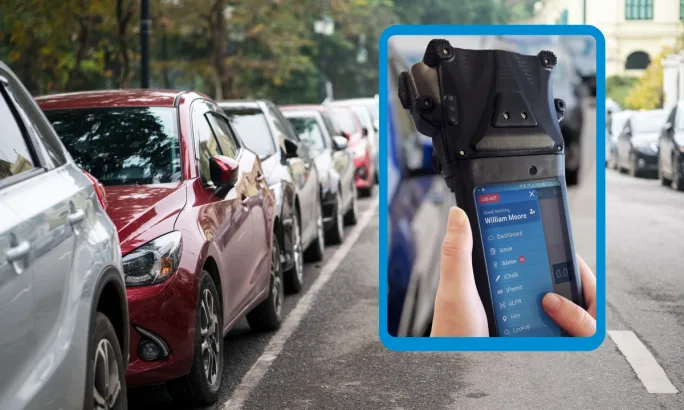
For enforcement officials, these advancements are not just about efficiency; they are focused on fulfilling their mission and ensuring safety. More and more municipalities are adding tools like all-in-one handheld devices that integrate mobile phones and printers to capture photo evidence and issue tickets on the spot.
In some cases, automated license plate technology (ALPR) reduces roadside exposure for officers and makes enforcement more accurate and less confrontational. Real-time dashboards and the use of APIs help administrators track performance, automate notices, and integrate parking enforcement with broader city systems.
Photo proof has become an important aspect of modern parking enforcement, providing transparency, reducing disputes, and strengthening public trust. I often refer to photographic evidence as the “alibi killer.”
With handheld devices and ALPR systems, officers can capture time-stamped, geo-tagged images automatically linked to citations and accessible online for residents paying or appealing tickets. Cities and universities are seeing fewer contested citations, safer enforcement interactions, and stronger legal defensibility in court. By showing motorists clear proof, photo-backed enforcement turns what can feel like a punitive process into one grounded in fairness and accountability.
Make Compliance Convenient
Businesses that rely on customer parking can suffer when parking rules are not enforced. When non-customers occupy parking spaces for extended periods, it can discourage potential customers from visiting local businesses, leading to lost sales and a decrease in the overall economic vitality of an area.
One of the most effective ways to minimize disruption is to make compliance simple. Systems perceived as punitive erode trust, while systems that are easy to follow reinforce cooperation.
Offering multiple payment options that include mobile pay, QR codes, pay stations, cash, credit, and even installment plans ensures residents can comply without hardship. Install user-friendly portals for residents to apply for permits, renew online, pay tickets, or submit disputes with a few clicks. When compliance is simple, user frustration drops.
Build Engagement
To build engagement, I suggest hosting town halls and inviting business owners and the community to speak about the challenges and positive impact enforcement can have on residents and merchants.
Look for ways to be creative in your enforcement program. I’ve seen some cities accept food, toys, or clothing donations as alternatives to monetary fines during holidays to demonstrate goodwill, like the annual “Toys for Tickets” program in Las Vegas. Consider giving a small percentage of your fine revenue back to local businesses or the Chamber of Commerce to thank them for their partnership.
Parking rules can be complex, with specific regulations governing time limits, handicap parking, and loading zones. Create education and public awareness campaigns, phased rollouts, and warnings before issuing tickets, so parkers can adjust to the new ways.
Go Green
There’s a growing trend towards creating parking spaces that are not only efficient but also sustainable and multifunctional. This includes green parking solutions and spaces that can adapt to different uses, reflecting the dynamic nature of urban development.
The late UCLA professor Donald Shoup’s Westwood Village study is still the go-to example of how free parking causes traffic and pollution. Decades later, data from the Federal Highway Administration show that in big cities like Chicago, Seattle, and D.C., up to 1 in 10 cars on the road during peak times are just circling for parking. New studies using GPS data and simulations confirm that this “cruising” still wastes fuel, adds congestion, and drives up emissions—especially in dense downtown areas. Some cities are now testing dynamic pricing and sensors to guide drivers to open spots, cutting search times and pollution.
By regulating parking, authorities can encourage alternative transportation options, such as public transit, cycling, or carpooling, reducing reliance on individual vehicles and promoting sustainable urban mobility.
Above All, Be Transparent
It’s important to maintain transparency by sharing enforcement data openly for citations, compliance rates, and revenue uses so residents and merchants understand that these aren’t money-grabbing programs.
Providing transparency and publicizing how revenue supports safety, infrastructure, and that it can be reinvested in visible improvements, such as street lighting, sidewalks, beautification, or officer safety equipment, helps the community see value. Trust grows when enforcement is consistent, transparent, and visibly tied to community benefit.
For more information, watch “The Cost of Doing Nothing” webinar presented by T2 Systems for practical tips on how your city can improve compliance and add revenue with paid enforcement parking.
John Holland is a former chief of police and current strategic sales executive for T2 Systems. This article was authored by Holland and edited following POLICE editorial standards and style. Opinions expressed may not reflect those of POLICE.
More Command

Vision FirstNet Users Summit Delivers Opportunity to Connect, Learn and Shape the Future of Public Safety Communications
Registration closes soon for the Sept. 14–16 Vision FirstNet Users Summit. This year’s program offers real-world case studies, hands-on technology demonstrations, professional development opportunities, and direct access to leaders shaping the future of FirstNet.
Read More →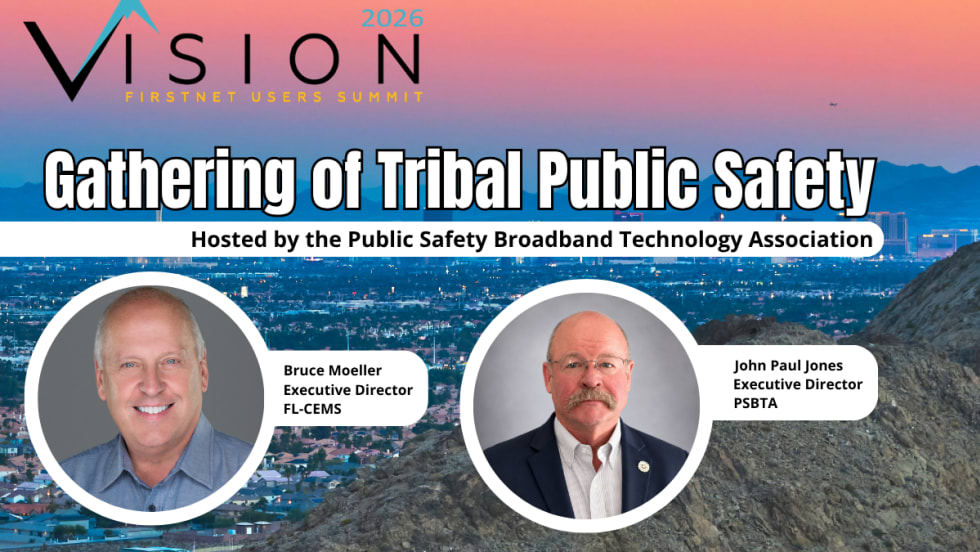
PSBTA to Host “Gathering of Tribal Public Safety” at the 2026 Vision Firstnet Users Summit
The Public Safety Broadband Technology Association will host a collaborative session at the 2026 Vision FirstNet Users Summit to bring tribal leaders and public safety professionals together to advance resilience, interoperability, and culturally informed emergency response.
Read More →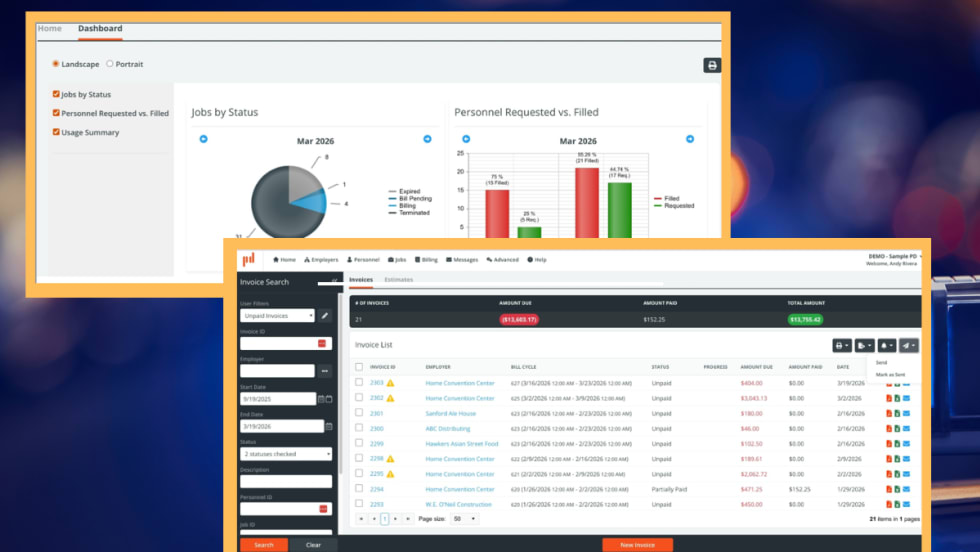
NEOGOV Acquires Off-Duty Law Enforcement Software Platform PowerDetails
With the acquisition of PowerDetails, NEOGOV expands its footprint within public safety agencies to offer both on-duty and off-duty scheduling.
Read More →
FBI-LEEDA Launches Inaugural Five Star Chief Executive Institute
FBI-LEEDA’s recently-launched Five Star Chief Executive Institute is a two-week executive program that equips senior law enforcement leaders with strategic skills for modern policing.
Read More →
More IACP 2025 From the Show Floor
Watch expanded coverage of IACP 2025 as the POLICE Magazine team walks the aisles at the expo and shares what we found interesting on display for chiefs from across the country and around the world this week in Denver, Colorado.
Read More →
IACP 2025 - From the Show Floor
Take a look inside the expo at IACP 2025 to see a sampling of what is displayed for chiefs from across the country and around the world this week in Denver, Colorado.
Read More →
Pro-gard Expands Law Enforcement Vehicle Protection and Transport Solutions
Pro-gard has introduced HD Fender and Headlight Wraps for added front-end protection and a new P1300 Pro-Cell transport system for Ford F-150 and Super Duty models.
Read More →
COPS Teams With The Wounded Blue To Help Injured And Disabled Law Enforcement Officers And Their Families
Free officer-wellness training comes to Las Vegas Sept. 22–25: The Wounded Blue’s 5th Annual National Law Enforcement Survival Summit opens registration.
Read More →
Video: Officer Crawls Across Ladder to Rescue Family from Floodwaters
When floodwaters overturned a vehicle in rural New Mexico, Officer Walker Eby risked his life—crawling over raging currents on a ladder—to rescue a woman, her child, and their dog.
Read More →
Ahmedabad, India, to Host 2029 World Police & Fire Games
Birmingham, Alabama, hosted the 2025 World Police & Fire Games, and Ahmedabad, India, has been announced as the host city for 2029.
Read More →