



Where’s the Dope?
We'll look into some of the best (and most common) places criminals like to hide things inside a vehicle.

Last month, we looked at the best places to find fingerprints on vehicles. This month, we’ll stick with the vehicle theme and look into some of the best (and most common) places criminals like to hide things inside a vehicle. Specifically, we’ll look at where suspects can hide even the smallest amount of drugs. Knowing where the smallest hiding spots are will usually lead to a much more thorough search.
Plus, criminals know most police searches are quick and easy. They know the normal places we look, and also know most cops don’t want to get down and dirty tearing apart their vehicle. As a mater of fact, most of them count on this fact and hide their dope and smaller items in places that are out of the way and more inconvenient to check. Let’s face it; the dirtier their car is the less likely we will want to thoroughly search it. Breaking through this little barricade will lead to a whirlwind of findings, and much more effective cases.
With that in mind, let’s identify some of the most common hiding places suspects like to stash their stash. This list is by no means a complete one, as local knowledge and experience will always trump an article. However, in speaking to many officers and from personal experience, these seem to be universal hidings spots for anyone with a criminal record.
Dash and Door Panels
Ever notice some vehicles seem like they’ve been taken apart dozens of times? That’s because they probably have been. Loose door and dash panels, wobbly seats, and cracks and crevices galore should be red flags to any officer during a search, and these flags should also give you new places to search.
Car manufacturers seal the door panels and dash well, but they can be pried off easily with the help of only a screwdriver. Once off or even only loose, these panels open up a world of possibilities. Nearly anything can fit inside the dash area, including people (it has happened more than once coming across the border from Mexico). Pounds of drugs can be squeezed into the door panels, so be sure to look there. Simply pull back the door panel a bit near the window or from the bottom and shine a flashlight inside it. The only thing in there should be the window and lock assembly. Plastic baggies of white powder do not come standard on any vehicles.
Air Filters
Do you know where the air filter is on most vehicles? If not, find out quickly. Air filters are vital to every vehicle, and are usually housed in a large sealed compartment under the hood. However, all vehicles can run without a filter, or with a partially blocked one. This gives criminals a bona fide portable safe for their valuables or their drugs as they drive down the road, one that many officers won’t check.
Next time you have a vehicle to search, make the air filter compartment one of your first stops. Many items can fit in these, from the smallest bag of drugs all the way up to a full-sized handgun. Most air filter compartments unscrew easily to access the filter, so checking them can be quick and easy.
Under the Backseat
Most passenger vehicles with rear bench seats give criminals an instant hiding place. Items as large as a rifle can be stored under these seats, and quickly accessed from either of the front seats. The entire rear bench seat lifts straight up and out, and can be laid back in place quickly and discreetly. One tactic criminals use to hide this is to pile jackets, clothes, or other light items on the backseat in order to make it appear they haven’t accessed the backseat in a while. However, these items are only visual obstacles, as the driver or passenger can still access the underside of the seat with ease. Keep that in mind during your next search.
Bumpers
We think of bumpers as protection for fender benders. Criminals think of bumpers in terms of what they can be used for: hollowed-out storage bins. Most bumpers on newer vehicles are hard plastic filled with a solid piece of Styrofoam, which can be removed with minimal effort. This leaves a nice long hollow compartment to be filled with whatever the driver desires.
Checking the bumper can be very easy. First of all, many criminals don’t have the best driving skills, so their hollow bumper will be dented and not popped back out as they normally will after a collision. This should be a good indicator to take a closer look. For the hard chrome bumpers, simply look under it with a flashlight. Check the newer bumpers for looseness and then shine a flashlight inside. You’ll be surprised at what you can find.
Hide-A-Key Magnets
These were a huge Christmas present to most drug users when they were first invented, as they can be stuck anywhere on a vehicle and can conceal a good amount of drugs. During your search, check for any Hide-A-Key magnets. Unfortunately, there’s no “normal” place people like to keep these. We have found quite a few under the vehicles stuck to the undercarriage, but they can be anywhere. If you find one, enjoy!
Everywhere Else
There are so many more places criminals like to hide drugs and other items in vehicles; it would take an entire magazine just to scratch the surface. Some vehicles have special concerns, such as some Lexus sedans. Lexus decided to put a storage compartment on the rear center console of some of their vehicles that can perfectly conceal a handgun (so stolen Lexus sedans can pose a real threat). Also remember, in your thorough searching, don’t forget the common places, such as under the driver and passenger seats, the center console, and the glove box.
Of course, none of these tips give you carte blanche to go snooping around outside your department’s own policies on searches. Make sure you stay within those guidelines when conducting any search. I know this goes without saying most of the time, but be sure you know your own policies; don’t wait to find out after the fact.
Check with the “car people” at your department for specific tips and hiding spots in your community. Good luck, and stay safe.
More Patrol
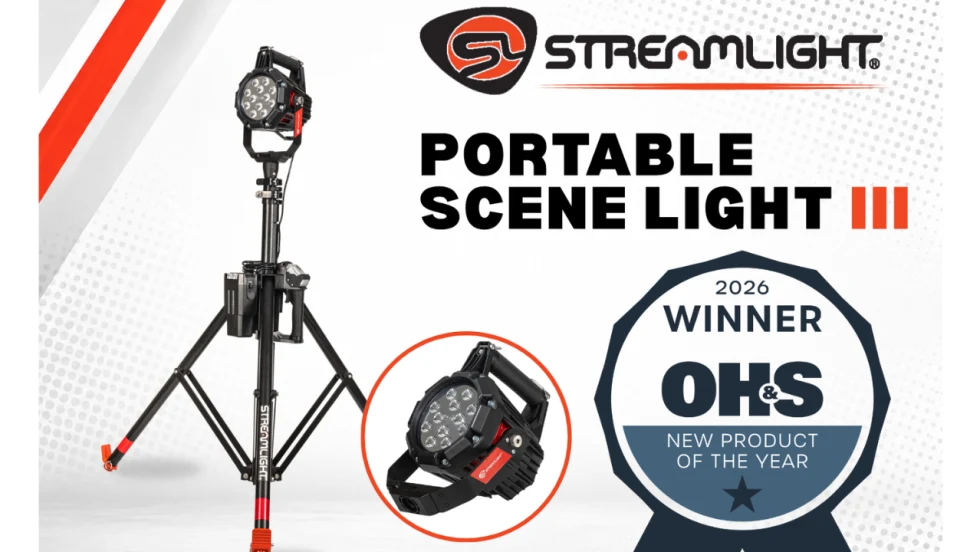
Streamlight Portable Scene Light III Wins 2026 OH&S New Product of the Year Award
Streamlight’s Portable Scene Light III has won the 2026 Occupational Health & Safety (OH&S) New Product of the Year Award in the Lighting category.
Read More →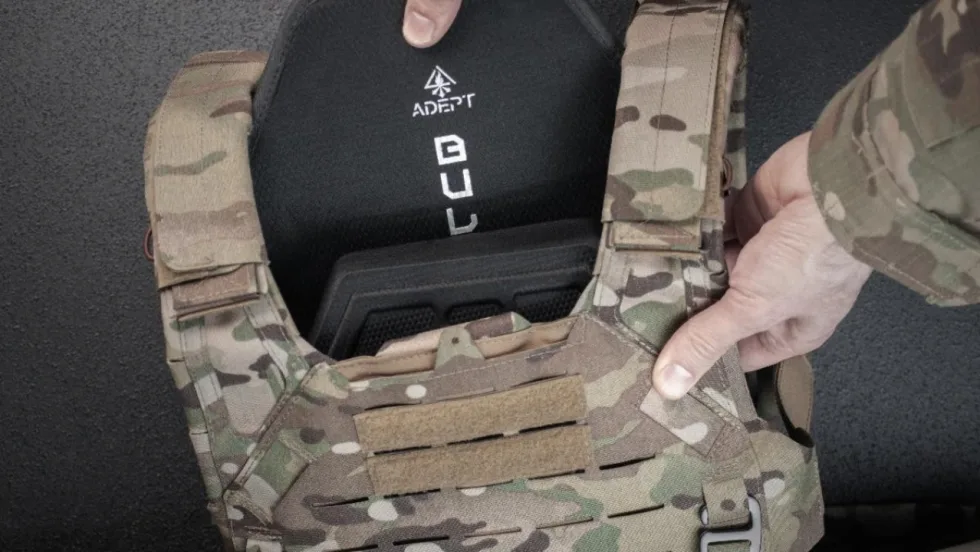
Adept Armor Introduces Two New Rifle Plates
Adept Armor has launched two new Level IV ballistic plates, the Emperor and the Archon Mark 2, which brings Adept Armor’s new Quatroid ceramic to the high-threat, performance-value center of the range at 5.2 pounds.
Read More →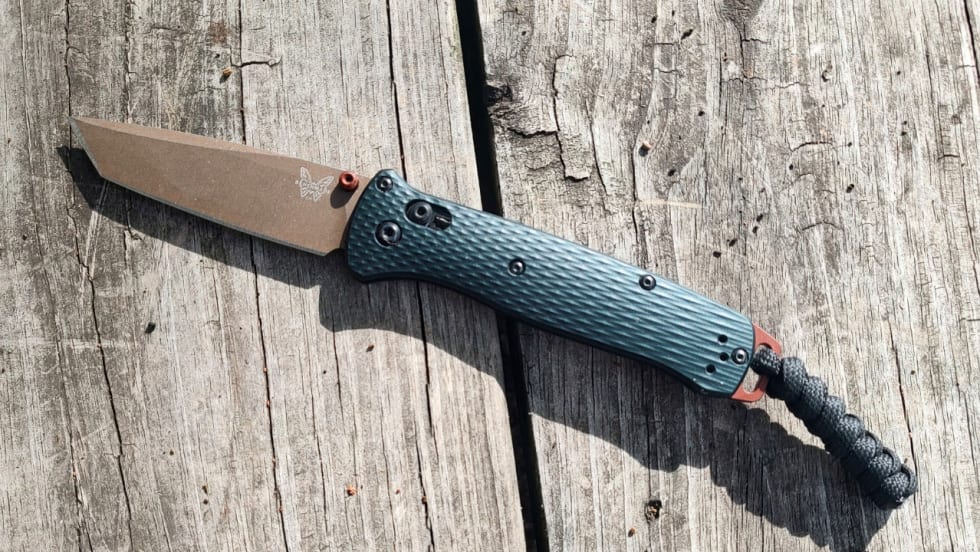
POLICE Product Test: Benchmade Bailout
The Benchmade Bailout is a slim, lightweight carry knife with a deep-ride pocket clip and comes in a variety of blade steels and scales. Here is a detailed review of the Taiga Green Bailout, released earlier this year.
Read More →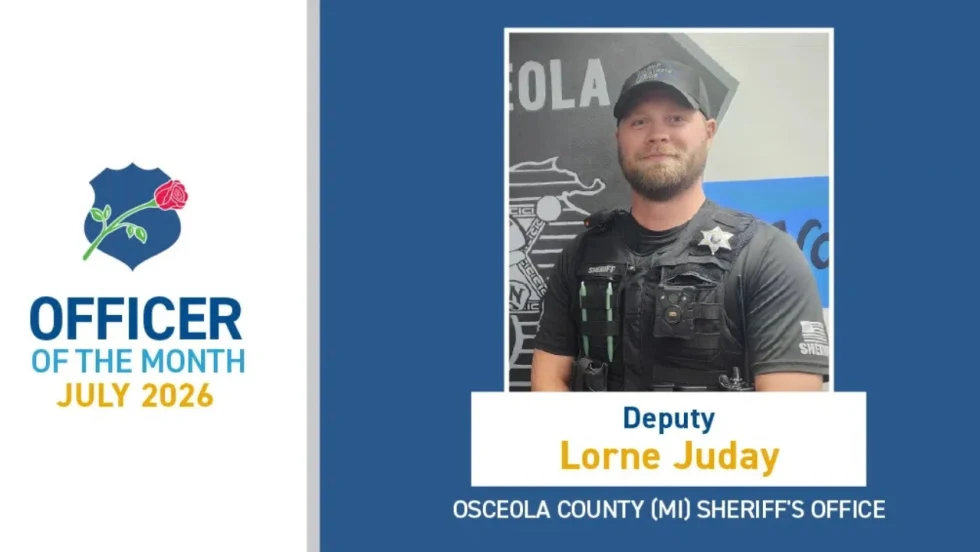
NLEOMF Announces July 2026 Officer of the Month
NLEOMF honored a Michigan deputy sheriff as the July 2026 Officer of the Month for rescuing a trapped driver from a burning vehicle following a Fourth of July crash.
Read More →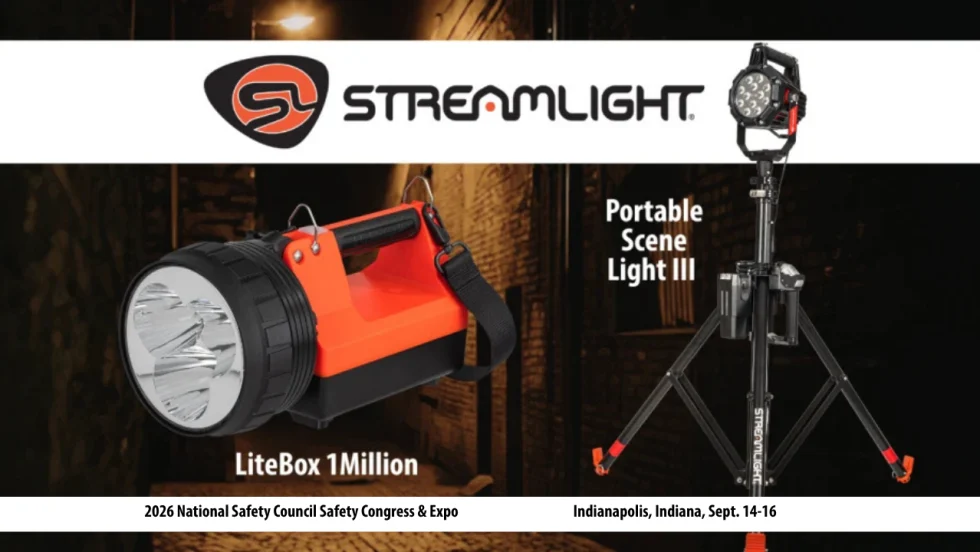
Streamlight to Showcase Newest Lighting Products at National Safety Council’s Safety Congress & Expo 2026
Streamlight will showcase its latest lights, including the Portable Scene Light III and the LiteBox 1Million, at the 2026 National Safety Council (NSC) Safety Congress & Expo.
Read More →
The 2027 World Police & Fire Games Set for Perth, Australia
The 2027 World Police & Fire Games (WPFG) will take place in Perth, Western Australia, from Friday, March 12 through Sunday, March 21, 2027.
Read More →
5.11 Partners with National Fallen Firefighters Foundation to Support #ForThe343
5.11 has joined the nationwide movement honoring the 343 New York City Fire Department firefighters lost on Sept. 11, 2001.
Read More →
Team Wendy Announces Title Sponsorship of the Jorge Pastore Foundation
Team Wendy’s 3-year partnership with the Jorge Pastore Foundation expands access to programs that strengthen those who serve.
Read More →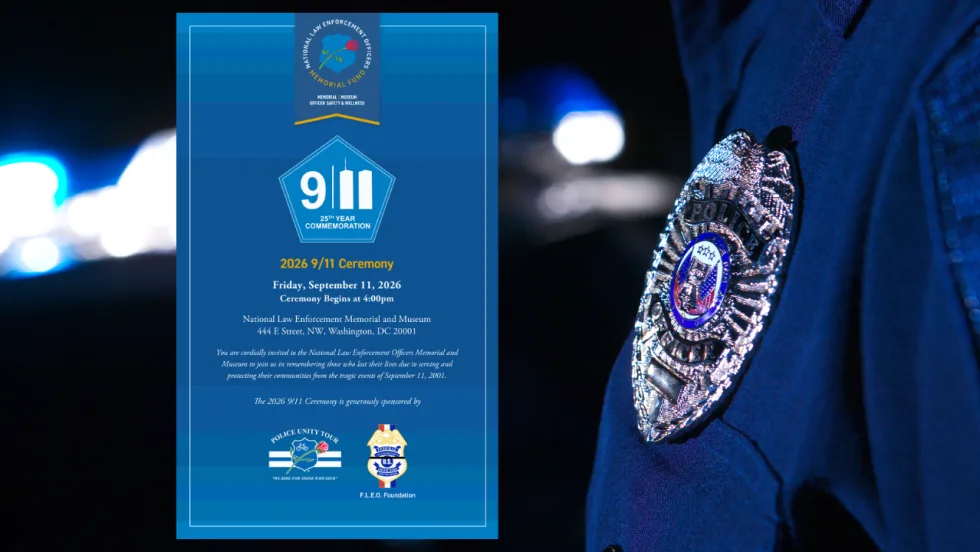
National Law Enforcement Memorial and Museum Hosting 9/11 25th-Year Commemoration Ceremony
The National Law Enforcement Memorial and Museum is hosting a 9/11 25th Year Commemoration Ceremony on Sept. 11 at 4 p.m.
Read More →
National Law Enforcement Officers Memorial Fund Announces June 2026 Officers of the Month
The National Law Enforcement Officers Memorial Fund (NLEOMF) named 15 officers of the Chico Police Department (California) as the Officers of the Month for June 2026 for their roles in responding to an active-shooter incident at a public library.
Read More →