



What Dreams May Come
Worrying enhances the anxiety associated with our dreams, and most experts say dreams are the "subconscious mind" resolving anxieties. No cop ever said they didn't think about confronting life and death situations; anxiety is a healthy result of those thoughts.


Illustration: Sequoia Blankenship
"Of all the things you choose in life, you don't get to choose what your nightmares are.
"You don't pick them; they pick you."
—John Irving
Dreams and their dark counterparts, nightmares, are always with us. They change in aspect, joy and horror, throughout our lives. As a child of the Cold War, I vividly remember doing "duck and cover" drills in the hallways of my elementary school, and being chided by a teacher for not covering my neck properly to protect it from the flash of the A-bomb. When I asked my dad, then a medical student and former Navy Corpsman, about it he just laughed and told me if I was that close to a nuclear bomb, ducking and covering wouldn't help anyway. Trauma!
That was difficult information for a kindergartner to process, and I remember countless times I awoke to terrible apocalyptic nightmares; my love of science fiction and dystopic future novels certainly didn't help. Now that I'm in my sixties, the intensity of these dreams has diminished dramatically. And one type of dream I don't miss at all is the intense crime fighting nightmare, where my trigger would go all the way back but the gun wouldn't fire, or the bullets would just dribble to the ground in front of the bad guy who was trying to kill me, or I couldn't find ammo, or some combination of the above.
Creepy dreams, I found out by talking to police psychologists over the years, are very, very common, almost to the point of being considered "normal." The first time I brought them up with Dr. Gilmartin in one of my "sessions," he informed me that the worst thing I could do about nightmares was worry. Worrying enhances the anxiety associated with our dreams, and most experts say dreams are the "subconscious mind" resolving anxieties. No cop ever said they didn't think about confronting life and death situations; anxiety is a healthy result of those thoughts.
How we resolve these thoughts is often a bone of contention, but some of the advice I have found over the years includes: 1) Visualize winning the exact same situation you dreamed about; 2) Get to the range or simulator and practice winning confrontations; 3) Engage in structured or guided dreams, where you plan to dream, and win in those dreams. (I never really understood this, but I have been told many times that it works.)
I used to think nightmares were a common but pretty minor issue until my wife, the Sarge, wrote an article about "cop dreams" a few years ago. What followed was a storm of responses, some of which were so intense that they forced me to reconsider the power of dreams.
Our good friends at Safe Call Now got a call that was tragic; a veteran officer was living day to day, miserable because he was haunted by the "gun that wouldn't go off" dream; he thought he was the only one to ever have that dream. His anxiety was enhancing the terrible nature of these dreams to the point that, as a last straw to grasp, he called the Safe Call Now suicide hotline.
What the heck is wrong with us that we don't talk about this issue regularly enough to take the teeth out of the dreams? Recently, on Facebook, a young officer asked if any of us ever had one of the ubiquitous police dreams, and the thread exploded with response. Why is this topic left unexplored in academies, where we cover every other officer safety issue? We are preoccupied with PTSD (that wasn't even recognized until 1980 and is over-diagnosed today), yet the power of dreams goes unexplored?
It is time to get dreams out of the shadows, and disarm the ability of nightmares to ruin lives. Post this article in your briefing room and talk about your dreams, and especially your nightmares. Try to disarm your worst ones with visualizations, guided dreams, practical training, or whatever works for you. And make sure your rookies know that dreams and nightmares are the strange "normal" of being a crime fighter.
And finally, I pray your kids never have to practice "duck and cover." Stay safe.
Dave Smith is an internationally recognized law enforcement trainer and is the creator of "JD Buck Savage." You can follow Buck on Twitter at @thebucksavage.
More Patrol
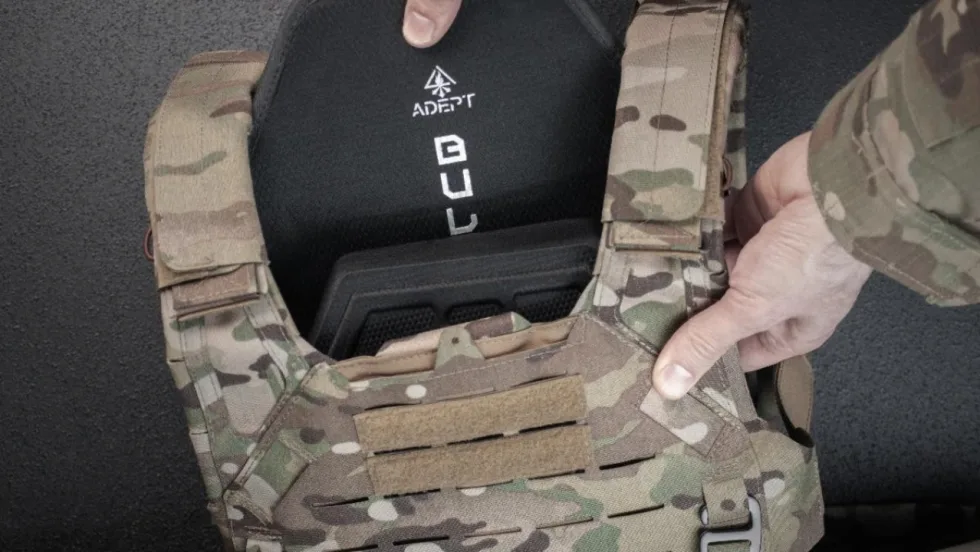
Adept Armor Introduces Two New Rifle Plates
Adept Armor has launched two new Level IV ballistic plates, the Emperor and the Archon Mark 2, which brings Adept Armor’s new Quatroid ceramic to the high-threat, performance-value center of the range at 5.2 pounds.
Read More →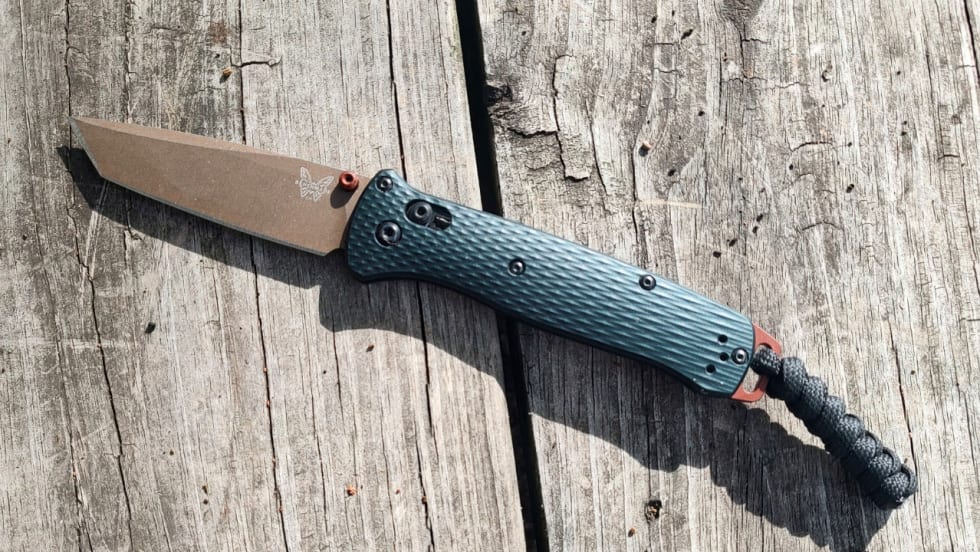
POLICE Product Test: Benchmade Bailout
The Benchmade Bailout is a slim, lightweight carry knife with a deep-ride pocket clip and comes in a variety of blade steels and scales. Here is a detailed review of the Taiga Green Bailout, released earlier this year.
Read More →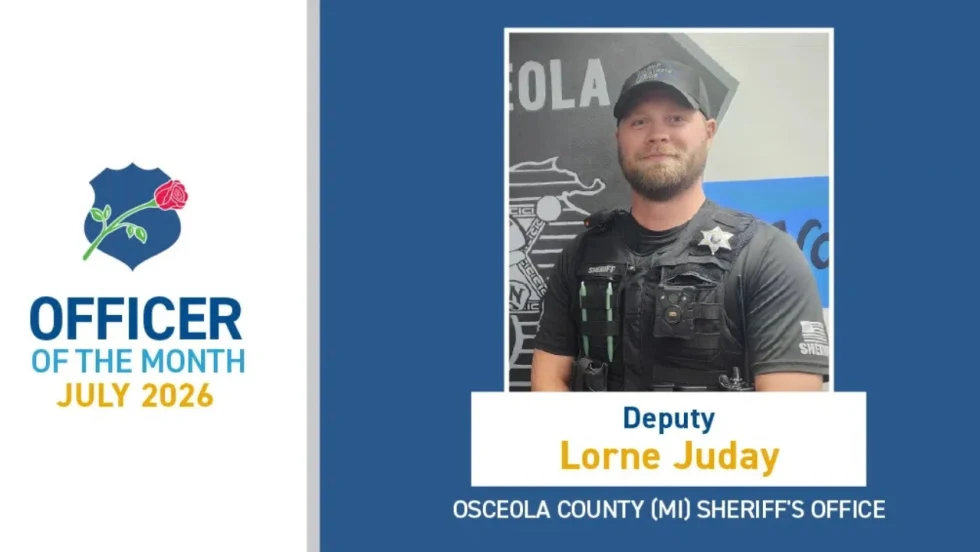
NLEOMF Announces July 2026 Officer of the Month
NLEOMF honored a Michigan deputy sheriff as the July 2026 Officer of the Month for rescuing a trapped driver from a burning vehicle following a Fourth of July crash.
Read More →
Streamlight to Showcase Newest Lighting Products at National Safety Council’s Safety Congress & Expo 2026
Streamlight will showcase its latest lights, including the Portable Scene Light III and the LiteBox 1Million, at the 2026 National Safety Council (NSC) Safety Congress & Expo.
Read More →
The 2027 World Police & Fire Games Set for Perth, Australia
The 2027 World Police & Fire Games (WPFG) will take place in Perth, Western Australia, from Friday, March 12 through Sunday, March 21, 2027.
Read More →
5.11 Partners with National Fallen Firefighters Foundation to Support #ForThe343
5.11 has joined the nationwide movement honoring the 343 New York City Fire Department firefighters lost on Sept. 11, 2001.
Read More →
Team Wendy Announces Title Sponsorship of the Jorge Pastore Foundation
Team Wendy’s 3-year partnership with the Jorge Pastore Foundation expands access to programs that strengthen those who serve.
Read More →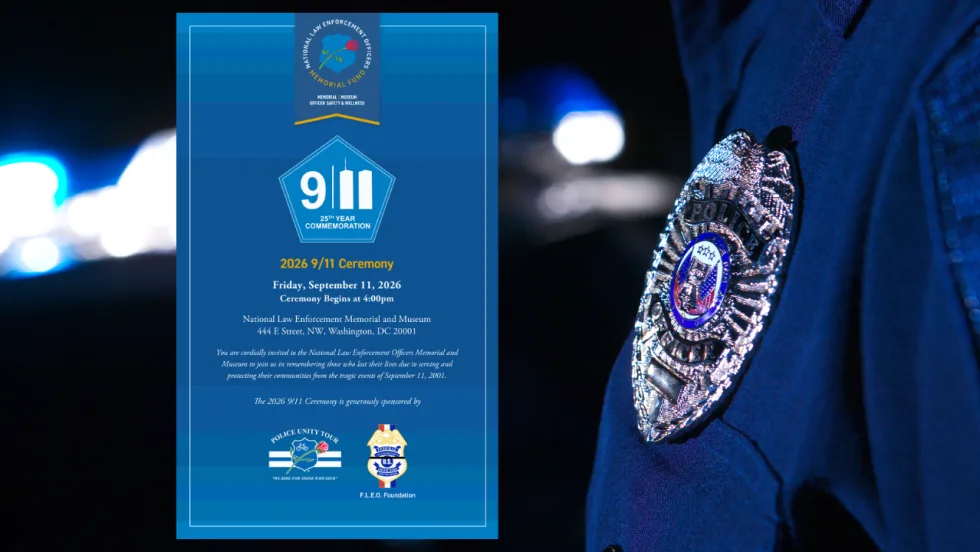
National Law Enforcement Memorial and Museum Hosting 9/11 25th-Year Commemoration Ceremony
The National Law Enforcement Memorial and Museum is hosting a 9/11 25th Year Commemoration Ceremony on Sept. 11 at 4 p.m.
Read More →
National Law Enforcement Officers Memorial Fund Announces June 2026 Officers of the Month
The National Law Enforcement Officers Memorial Fund (NLEOMF) named 15 officers of the Chico Police Department (California) as the Officers of the Month for June 2026 for their roles in responding to an active-shooter incident at a public library.
Read More →
Team Wendy App Creates New Digital Hub for Helmet Owners
The Team Wendy Community App provides one location for warranty registration, size-fit tools, product updates, and community connection. For helmet owners, the new app creates a simpler path to the information and tools that matter most.
Read More →