



Understanding Handheld Drug Detection Technologies
Handheld drug detection and identification tools can help officers make presumptive analysis of street drugs, including designer drugs, and alert them to hazardous materials.


Photo: getty/Natalia Shabasheva
The global drug problem is increasing, with production and trafficking of common street fentanyl analogs, methamphetamines, cocaine, MDMA (ecstasy), heroin, and cathinones (bath salts) impacting communities worldwide and stressing already constrained investigative resources. Now, mexedrone, carfentanil, acrylfentanyl, and common street fentanyl analogs have become potent threats as designer drugs continue to grow in popularity.
COVID-19 had an unexpected impact on narcotics trafficking. With transportation routes disrupted and access to materials limited, there’s been an uptick in manmade synthetic narcotics seeping onto the streets. These emerging synthetic drugs are being released faster than they can be scheduled, which makes identification and detection on the scene more complicated. To keep pace, law enforcement personnel need handheld narcotics analyzers and tools that quickly identify suspected illegal drugs in the field and get clear, definitive results.
Prior to the introduction of handheld drug detection tools, the drug detection and identification process was a lengthy, complex one. Analysis happened in one of two ways. Either by wet chemistry tests in the field or via analysis in a standard lab. While a valuable form of analysis, wet chemistry tests require human interpretation which can be further complicated in low light situation or the presence of coexisting chemicals that can interfere with coloring agents.
Lab analysis has its benefits, however, the process of gathering a sample, sending it to the lab and analyzing it limited how quickly law enforcement teams could act on the scene. The large, heavy and expensive lab equipment can also only be operated by highly trained technicians, which means there is usually just a few individuals who have been trained to perform the analysis, interpret results and maintain the instrument. As a result, samples pile up and a backlog would form. With the rise of emerging synthetic drugs, law enforcement teams needed a new solution that would provide actionable intelligence in real time.
Handheld Technologies
The introduction of handheld drug detection tools has been a game-changer for law enforcement professionals and teams. Not only are these tools smaller and faster, they are more affordable and easier to use. Their portability has brought reliability and objective results to the field.
These tools are primarily powered by one of four types of technology: Raman, Fourier Transform Infrared (FTIR) spectroscopy, Mass spectrometry (MS), and Ion Mobility. These technologies offer powerful capabilities to law enforcement teams, allowing them to test a variety of substances and materials on the scene.
Raman Spectroscopy—Raman spectroscopy, a form of vibrational spectroscopy, is a proven and trusted technology that provides highly accurate analytical results. Portable analytical tools powered by Raman deliver instant, actionable data for quick decision-making in critical situations. These devices have the ability to analyze a broad range of substances. They can detect and identify key drugs of abuse as well as common cutting agents, precursors, and emerging threats such as fentanyl, numerous fentanyl compounds including carfentanil, common street fentanyl analogs, pharmaceutical variants (Alfentanil and Sufentanil), as well as two fentanyl precursors, NPP and ANPP. Leveraging these tools, law enforcement teams can identify an unknown liquid at a hazmat spill, detect suspected narcotics at the scene, and verify the identity of labeled
medication.
What sets Raman-powered devices apart from other handhelds is their ability to identify materials through sealed packaging in a matter of seconds. For law enforcement teams, this has revolutionized detection capabilities as it eliminates the need to remove a potentially hazardous substance from a container or bag. Not only does this minimize contamination opportunities but it helps to reduce exposure and preserves the sample.
Colored Material Identification with FTIR—Fourier Transform Infrared (FTIR) spectroscopy is a form of vibrational spectroscopy that provides excellent selectivity for material identification. Law enforcement teams rely on these tools to deliver instant, actionable data for quick decision-making in critical situations. For example, FTIR powered devices can identify unknown hazmat chemicals, QA/QA pharmaceutical materials, and detect explosives precursors.
FTIR devices can be used to analyze a variety of substances, including liquids, powders, gels, and paste. They can also be utilized to analyze colored materials. Today, many handheld detection tools have the ability to complete both Raman and FTIR analysis as the two processes complement each other.
Mass Spectrometry—The adoption of mass spectrometry (MS) based workflows in forensic drug testing labs and in handheld form is increasing at a rapid pace. MS is an analytical technique for measuring the pattern of mass to charge ions called a fragmentation pattern. It can be used to identify chemical threats, explosives, drugs, and more at trace levels, like residue on packaging. Laboratory mass spectrometers typically have a larger footprint, but advances have allowed smaller more portable systems to enter this market segment.
Ion Mobility—Ion mobility is similar to MS in the sense that it measures ions, but uses retention time between gates instead of looking at a fragmentation pattern, however, it has less resolution and specificity than MS. These devices can be used to sample gases, liquids, and residues. A key benefit of ion mobility devices is they can detect substances quickly with just a trace amount of sample. These are commonly utilized in airport security check points.
Unlike devices powered by Raman, FTIR and MS, ion mobility devices are used for alerting teams to the presence of a potentially dangerous hazards instead of identifying what the hazard may be. A good way to think about ion mobility devices is that they are like metal detectors. They can detect that there is metal present but cannot tell you what it is.
When it comes to identifying illicit drugs, law enforcement professionals need detection technologies that bring speed and accuracy to these high stakes situations so they can act as quickly as possible to secure the scene, the community and protect themselves. With the continued rise in the manufacturing and trafficking of synthetic or designer drugs and the changing trends of drugs of abuse, law enforcement officers need handheld solutions that provide accurate analysis quickly. Looking ahead, devices will continue to become smaller and more sensitive. This will ultimately keep not only law enforcement professionals safe but also the communities that they serve.
Dan Davis is a product manager at Thermo Fisher Scientific.
More Technology

A police agency's guide to data-driven fleet management
Public trust is earned through transparency, and your fleet data can help demonstrate it. This ebook shows how police agencies can use fleet management solutions to strengthen accountability, improve officer safety and responsibly use public funds.
Read More →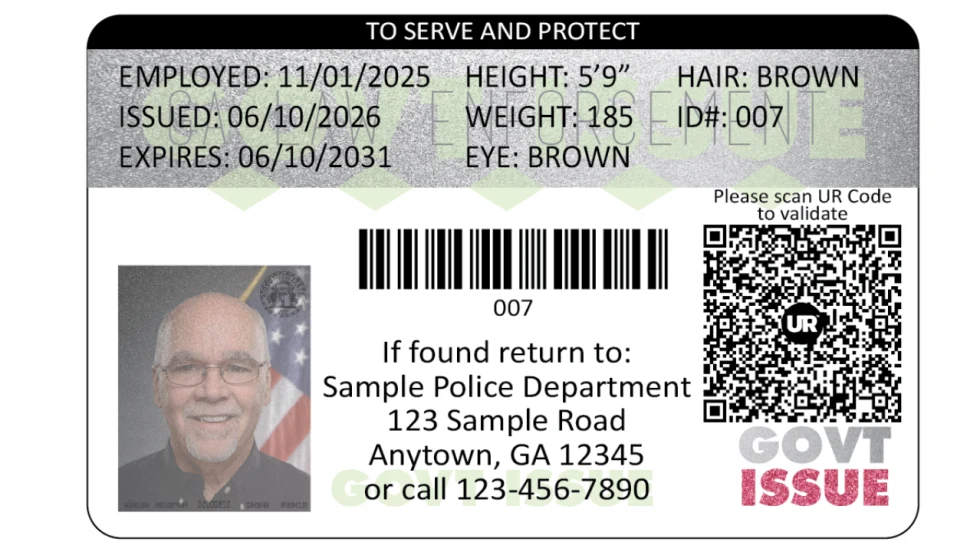
FaceTec and Police & Sheriffs Press Announce Law Enforcement UR Code Partnership
FaceTec has partnered with Police & Sheriffs Press to supply secure ID cards to law enforcement agencies. UR Codes to be added to photo IDs in over 6,000 police and sheriff's departments.
Read More →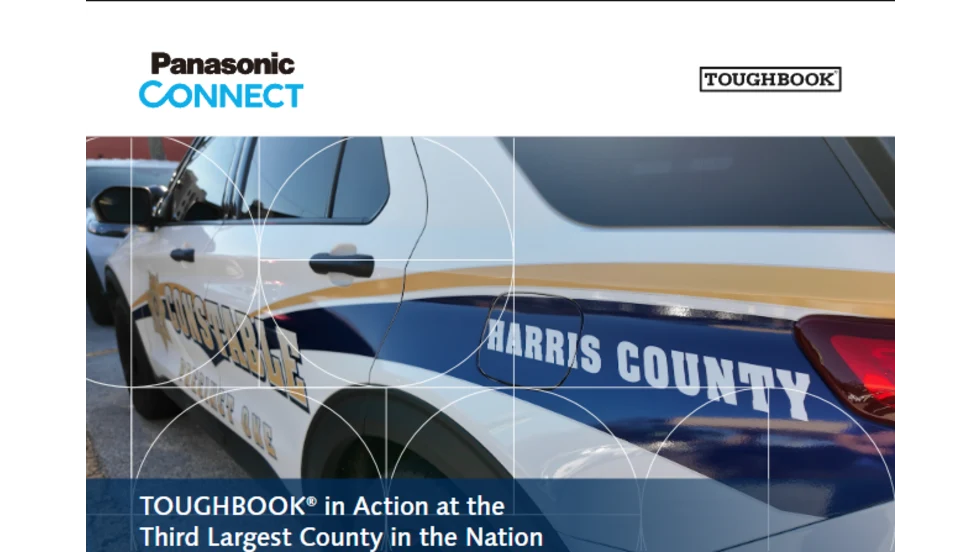
TOUGHBOOK in Action at the Third Largest County in the Nation – Harris County, TX
Learn how Harris County, one of the nation’s largest counties, modernized its law enforcement fleet with TOUGHBOOK® rugged laptops—strengthening security, productivity, and operational readiness across every unit.
Read More →
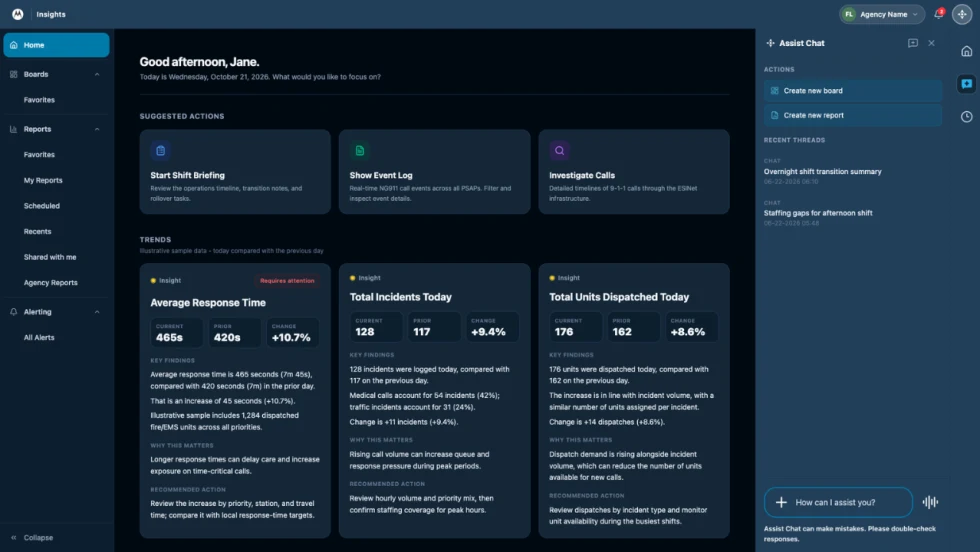
How Motorola Solutions’ New “Insights” Platform Helps Public Safety Agencies Identify Trends to Improve Their Operations
Motorola Solutions has introduced Insights, which leverages Assist, its mission-critical artificial intelligence (AI), to address these challenges and shape what’s next for public safety analytics and reporting technology.
Read More →
What Qualifies a Laptop as Rugged or Fully Rugged?
Police officers face a wide range of working conditions that can damage or even destroy a regular consumer laptop. Learn what qualifies a computer as rugged or fully rugged and why those devices are vital for law enforcement.
Read More →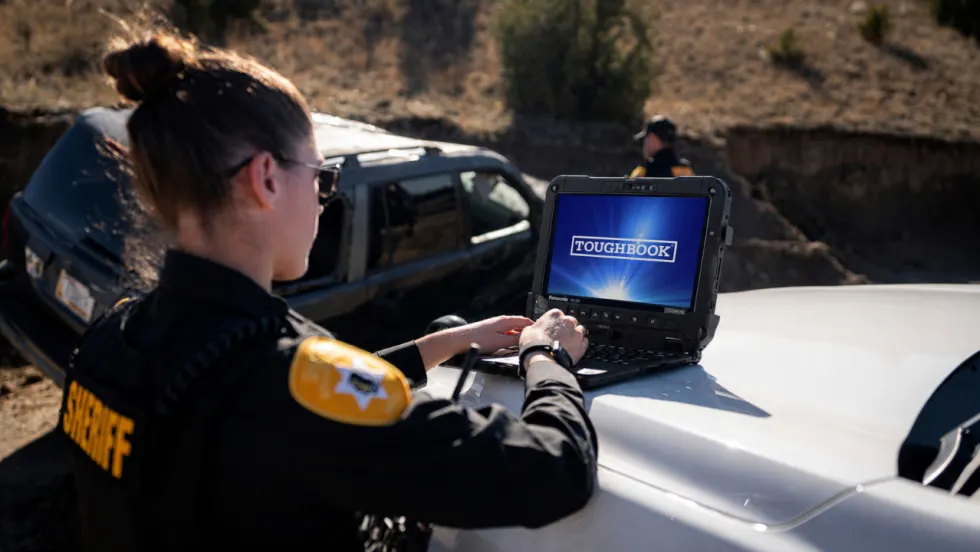
Panasonic Connect Launches the Toughbook 34 and Toughbook G3, Fully Rugged 2-in-1 Mobile Computers
Panasonic Connect has launched the Toughbook 34 and Toughbook G3 to facilitate in-vehicle dispatch, records management, and mobile command operations from any location.
Read More →
AI and analytics for law enforcement: Turning data into insights
Law enforcement agencies are managing more video, sensor data and digital evidence than ever before. Discover how AI and analytics can help turn that data into actionable insights that strengthen situational awareness, accelerate investigations and support more informed decisions.
Read More →
Vasco Electronics Adds Automatic Language Detection to Vasco Translator Q1
Vasco Electronics’ software update introduces hands-free language switching and expanded offline translation across 45 language pairs, empowering law enforcement, healthcare, and front-office enterprise teams
Read More →
North Miami Police Department Deploys Mark43
The North Miami Police Department has deployed Mark43 as part of its Five-Year Strategic Plan that represents its collective vision and goals for a more proactive police department, anchored by a core commitment to leveraging modern technology to enhance efficiency and public safety.
Read More →
Cellebrite Genesis for Enterprise Now Generally Available
Made available to the public sector in June, Cellebrite Genesis is serving a growing mix of national, regional, and local agencies worldwide, including some of the largest regional and metropolitan police departments. It is now available for enterprise organizations.
Read More →