



Twisted Speech
How in the world did we manage to twist the English language into such a politically correct knot that "gentleman" has become a synonym for "felon," "sociopath," or "terrorist?"

One of my best friends gets really peeved by something that police chiefs and sheriffs do on a regular basis.
At least once a month somewhere in this country some law enforcement official stands at a podium and during a press conference about some heinous crime refers to a rapist, murderer, or terrorist as "the gentleman." As in, "The gentleman raped the children and killed the mother."
How in the world did we manage to twist the English language into such a politically correct knot that "gentleman" has become a synonym for "felon," "sociopath," or "terrorist?"
Traditionally, the term gentleman referred to a man who was not a brute and it comes from the two words "gentle" and "man," literally meaning a man who is gentle. It has also often meant a man of refinement and means, such as a "gentleman farmer." It doesn't mean "a man arrested for a violent crime."
Now, chiefs and sheriffs, I understand why you have to do this. And I also know that what you want to say instead of "the gentleman" is "the slimy little piece of s__t felon." I get that. And I know you can't be as blunt as you want to. But can we please retire "the gentleman" and refer to the slimy little POS felon as "the suspect," or "the man," or some other neutral term for an adult male human?
This tendency to contort the English language is the result of both political correctness and fear of litigation. And every profession is forced to do it.
The concept of political correctness was established in the 1980s with the goal of removing blatantly offensive words from common usage in publications, official speech, and even everyday conversation. The first wave of PC was widely accepted with words like "retarded" being replaced with "challenged." Then it went off the rails when people wanted to change words like "short" to "vertically challenged." Today, political correctness has run amok.
And nowhere is this more true than in government, including law enforcement. I'll never forget some information that landed on my desk nearly a decade ago about an officer who was reprimanded for calling a rape suspect a "rapist." The man was suspected of the rape in question, but he had been convicted of a previous rape. And that makes him legally a rapist. So the officer was perfectly within his rights to call him one.
The federal government is even worse when it comes to weasel words. It refers to terror attacks as "manmade disasters." It also has labeled the terror attack that killed 13 unarmed soldiers and wounded 30 other people at Fort Hood, Texas, as "workplace violence." Even Wikipedia says the motive for that attack was jihad.
The government is not alone in its fondness for weasel words. Journalists are probably the worst when it comes to twisting the language to cover our hindquarters. One of the first things they teach you in journalism school is how to avoid libel lawsuits and to never pre-convict someone. That's why a lot of news stories use words like "police say," "the suspect was charged with," "authorities allege," and other qualifiers even on open-and-shut cases. It galled me to no end to have to use these weasel words for nearly four years when speaking of the atrocities committed by Nidal Malik Hassan at Fort Hood. Now that he's convicted I can say what I have always wanted to say: He's a murderous traitor who deserves to hang.
What got me thinking about all of this political correctness and twisted speech was a story about the murder of a Nebraska corrections officer that I posted on PoliceMag.com last month.
On Feb. 14, 24-year-old CO Amanda Baker was attacked at the Scotts Bluff County Detention Center in Gering. Baker was strangled by an inmate and was pronounced brain dead hours later. Dylan Cardeilhac, 15, was charged with first-degree murder and first-degree assault.
Writing the headline for this story on PoliceMag.com, I wanted to say, "Neb. CO Strangled to Death by Inmate." But as I dug into this story looking for more information that could be aggregated and posted on PoliceMag.com I noticed that none of the local media was saying she was strangled to death. What they said was that the CO died after being strangled by an inmate. It's a weird distinction, but it made me pause and weasel out.
Still, I hope and pray that no one calls a juvenile offender who is charged with squeezing the life out of a 24-year-old woman as she struggled in his hands a "gentleman." And if he gets convicted, everyone should call him a slimy POS murderer.
More Patrol
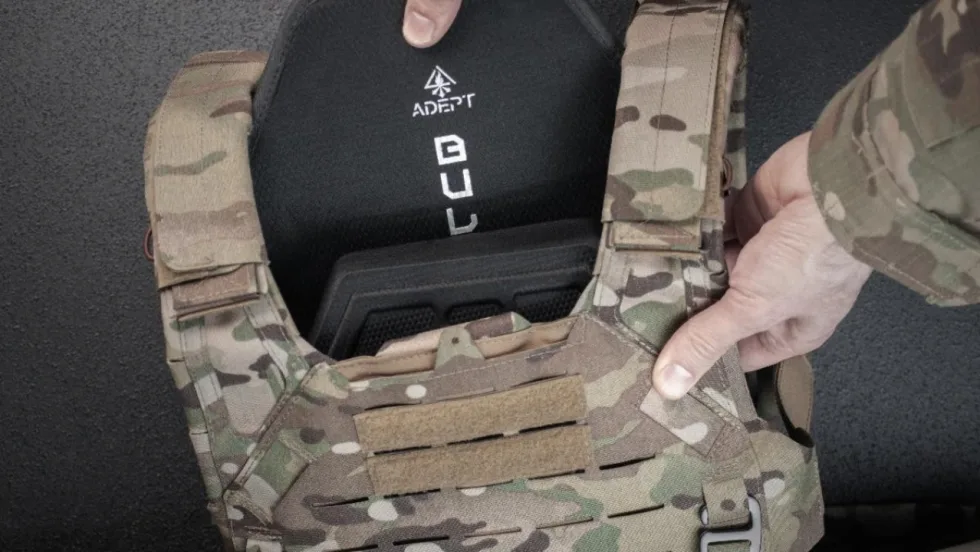
Adept Armor Introduces Two New Rifle Plates
Adept Armor has launched two new Level IV ballistic plates, the Emperor and the Archon Mark 2, which brings Adept Armor’s new Quatroid ceramic to the high-threat, performance-value center of the range at 5.2 pounds.
Read More →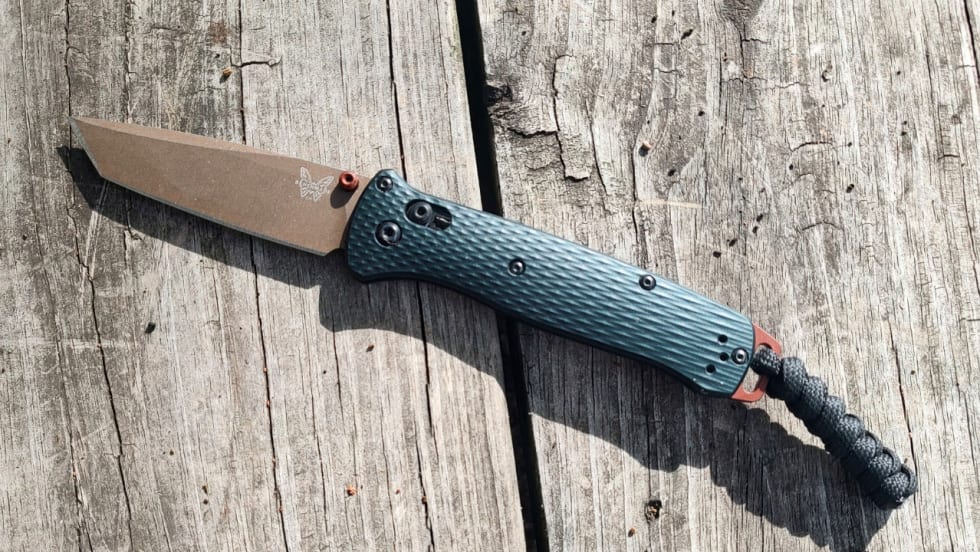
POLICE Product Test: Benchmade Bailout
The Benchmade Bailout is a slim, lightweight carry knife with a deep-ride pocket clip and comes in a variety of blade steels and scales. Here is a detailed review of the Taiga Green Bailout, released earlier this year.
Read More →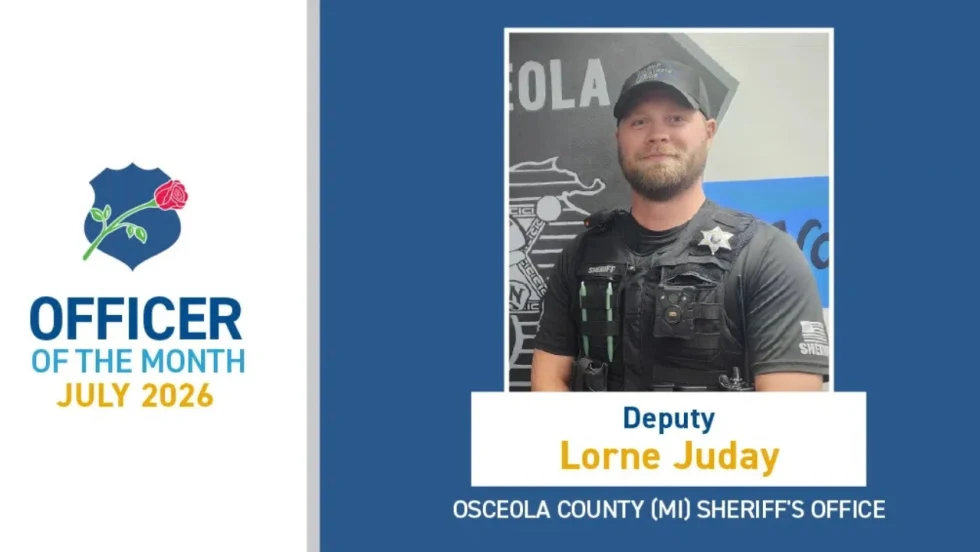
NLEOMF Announces July 2026 Officer of the Month
NLEOMF honored a Michigan deputy sheriff as the July 2026 Officer of the Month for rescuing a trapped driver from a burning vehicle following a Fourth of July crash.
Read More →
Streamlight to Showcase Newest Lighting Products at National Safety Council’s Safety Congress & Expo 2026
Streamlight will showcase its latest lights, including the Portable Scene Light III and the LiteBox 1Million, at the 2026 National Safety Council (NSC) Safety Congress & Expo.
Read More →
The 2027 World Police & Fire Games Set for Perth, Australia
The 2027 World Police & Fire Games (WPFG) will take place in Perth, Western Australia, from Friday, March 12 through Sunday, March 21, 2027.
Read More →
5.11 Partners with National Fallen Firefighters Foundation to Support #ForThe343
5.11 has joined the nationwide movement honoring the 343 New York City Fire Department firefighters lost on Sept. 11, 2001.
Read More →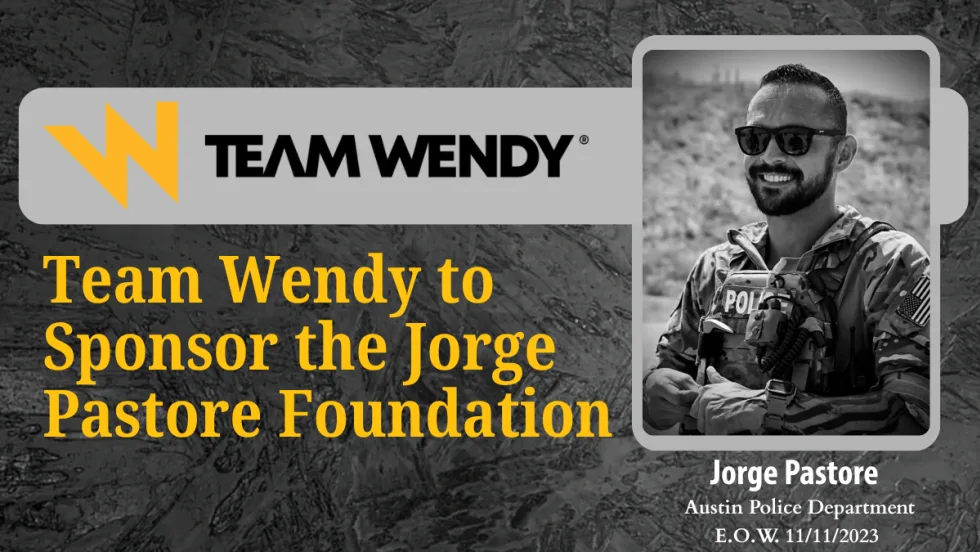
Team Wendy Announces Title Sponsorship of the Jorge Pastore Foundation
Team Wendy’s 3-year partnership with the Jorge Pastore Foundation expands access to programs that strengthen those who serve.
Read More →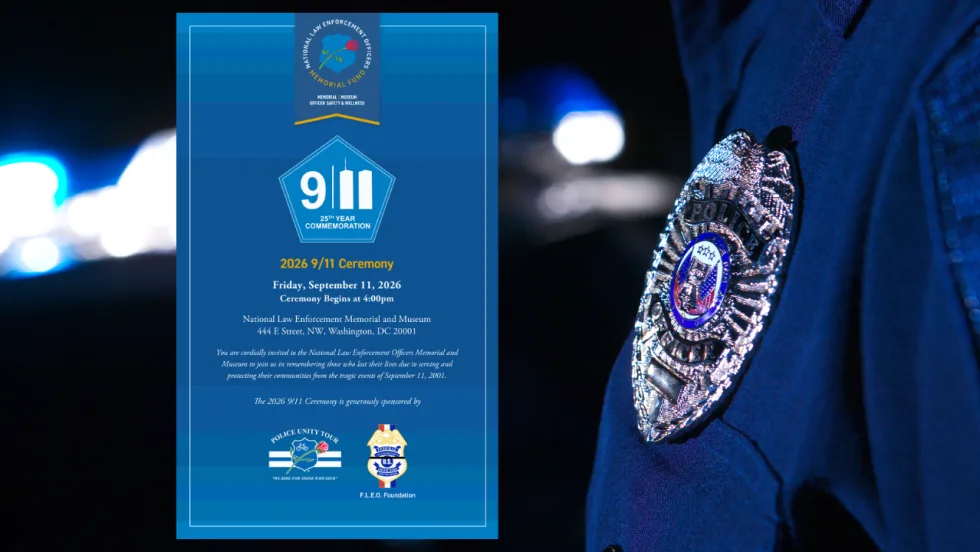
National Law Enforcement Memorial and Museum Hosting 9/11 25th-Year Commemoration Ceremony
The National Law Enforcement Memorial and Museum is hosting a 9/11 25th Year Commemoration Ceremony on Sept. 11 at 4 p.m.
Read More →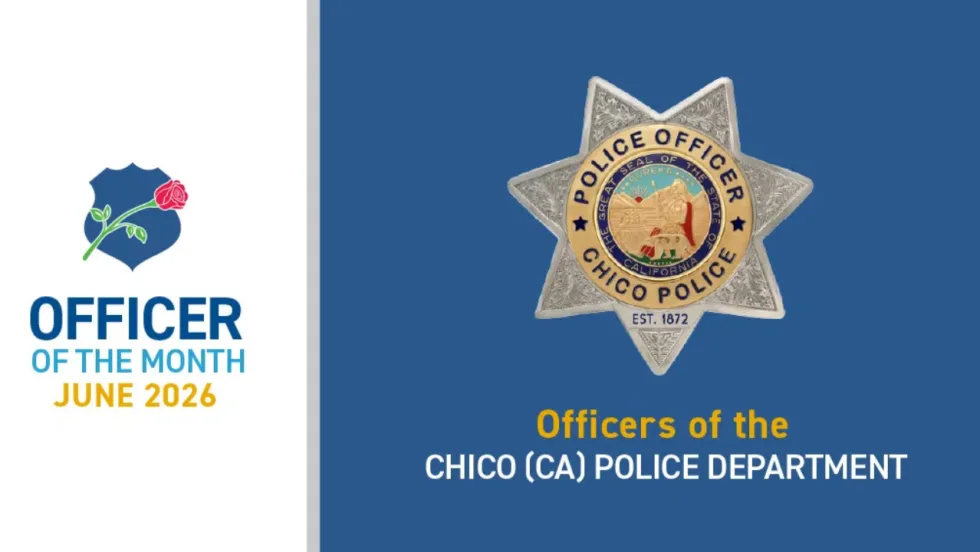
National Law Enforcement Officers Memorial Fund Announces June 2026 Officers of the Month
The National Law Enforcement Officers Memorial Fund (NLEOMF) named 15 officers of the Chico Police Department (California) as the Officers of the Month for June 2026 for their roles in responding to an active-shooter incident at a public library.
Read More →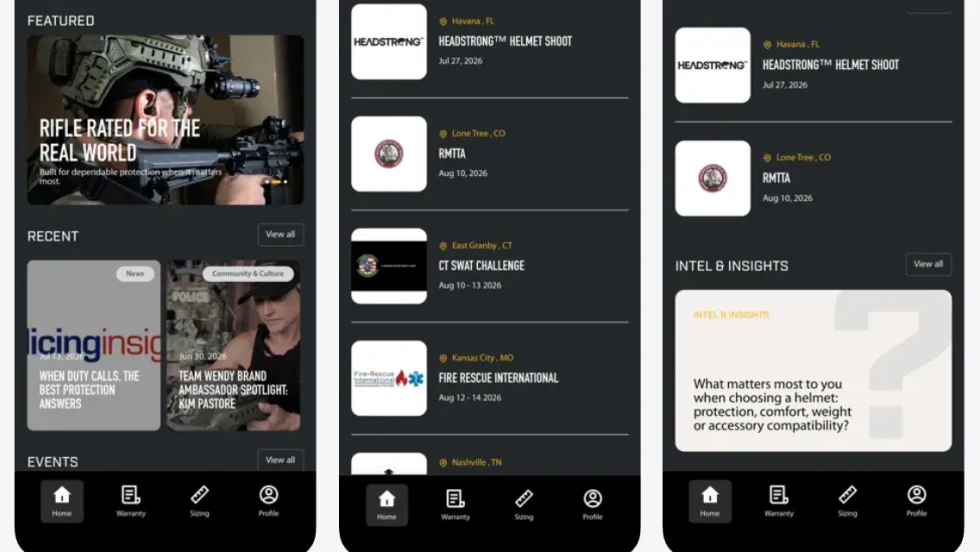
Team Wendy App Creates New Digital Hub for Helmet Owners
The Team Wendy Community App provides one location for warranty registration, size-fit tools, product updates, and community connection. For helmet owners, the new app creates a simpler path to the information and tools that matter most.
Read More →