



Throwing Tech at the Problem
There are plenty of great products and services that help law enforcement embrace technology. But that doesn't mean obtaining and using them is always a piece of cake.


Photo: Kelly Bracken
Officers must embrace technology to keep up with the criminals in the world and to meet the needs of an increasingly tech-savvy public. That's a given. And there are plenty of great products and services that help law enforcement accomplish these goals. But that doesn't mean obtaining and using them is always a piece of cake.
To begin with, you need to research which types of technology make sense for your department, such as tablets vs. laptops in cars. Then you'll likely need to test and evaluate a few. Then there's bidding, purchasing, installation, and implementation. And any changes might require slightly altering protocol or altogether new policies. That could require updated training. This is not a small undertaking.
Officers who haven't been involved in purchasing might not realize the extent of the process and how long it could take to implement new technology. But the average citizen doesn’t understand it at all.
Instead of a witness being impressed that your agency is using a new tablet to take a statement, you're more likely to hear comments like, "Why can't I just text 911?" or "Why doesn't my local police department have its own customized app?"
Then there are the issues related to spending. Mainstream media likes to blast any expenditure deemed unnecessary according to popular opinion, even when unrelated to the ubiquitous claim of "militarization of police." And God forbid you use asset forfeiture funds to purchase needed equipment. A recent article in the Washington Post criticized agencies for using such monies to buy not just armored vehicles, but also automated license-plate readers. The piece then lumped in such purchases with paying for a clown to appear at a community event. License plate readers help you catch car thieves, sex offenders, and murderers. Not exactly a frivolous waste of money, whatever its source.
Citing budget concerns, Chief Joseph Kucirek of the Amherst (Ohio) Police Department has decided against purchasing on-body cameras, although surrounding agencies are buying them. The chief says he might reconsider if he receives too many complaints from citizens about officer conduct or complaints from prosecutors about conviction rates.
This seems reasonable. But it's also a gamble. Many policing decisions hinge on a balancing act between cost and public opinion, and gauging how the tide will turn is not easy.
After some agencies are blasted for spending too much money on equipment, others are then blasted for not purchasing equipment deemed suddenly necessary after a widely publicized incident. Such is the case for the NYPD and on-body cameras right now. Talk about your contradictions. Then when officers use such technology to protect and serve, they may be accused of abusing it to invade people's privacy.
Unfortunately, not providing officers with a piece of technology many have come to expect leaves all open to attack. If an incident occurs that could have benefited from on-body video, it could lead to criticism of the agency as well as a question of the involved officer's actions.
In the case of Michael Brown's shooting in Ferguson, Mo., yes, it's possible that in-car or on-body video evidence would have shown exactly what happened and why. But it's just as likely that any video would still have left questions. Even with the highest quality video there can be limitations of camera angles or lighting, and evidence can always be misinterpreted.
And on-body video is far from the only type of equipment being criticized.
I'm all for high-tech equipment for police officers. Technology is a fact of life, and it's been a boon to catching criminals. But although it's difficult to convince some citizens of this fact, there are very real logistical hurdles to constantly equipping every police station, vehicle, and officer with state-of-the-art equipment.
In an ideal world, every citizen would thank you for doing what you can with limited resources. Or better yet, people would routinely demand more resources for law enforcement and even pony up some of the money themselves.
Since you can't count on these things happening, the best you can do is arm yourself with knowledge, find the best technological solutions for your agency, budget for them, and reach out to the public in an effort to explain why and how the solutions will be used to help the community.
And then you'll respond to calls and serve and protect even those who criticize you to your face. Because, God bless you, that's what you do.
More Patrol
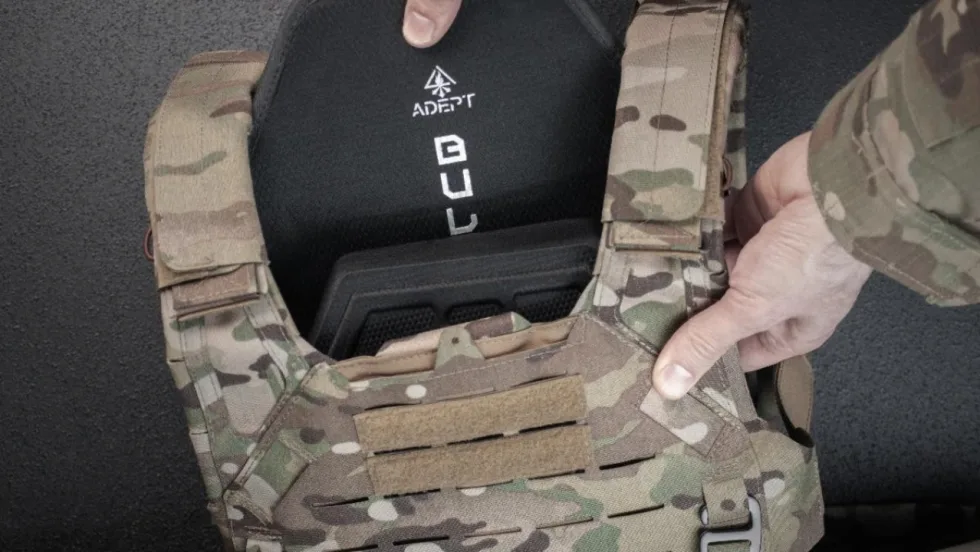
Adept Armor Introduces Two New Rifle Plates
Adept Armor has launched two new Level IV ballistic plates, the Emperor and the Archon Mark 2, which brings Adept Armor’s new Quatroid ceramic to the high-threat, performance-value center of the range at 5.2 pounds.
Read More →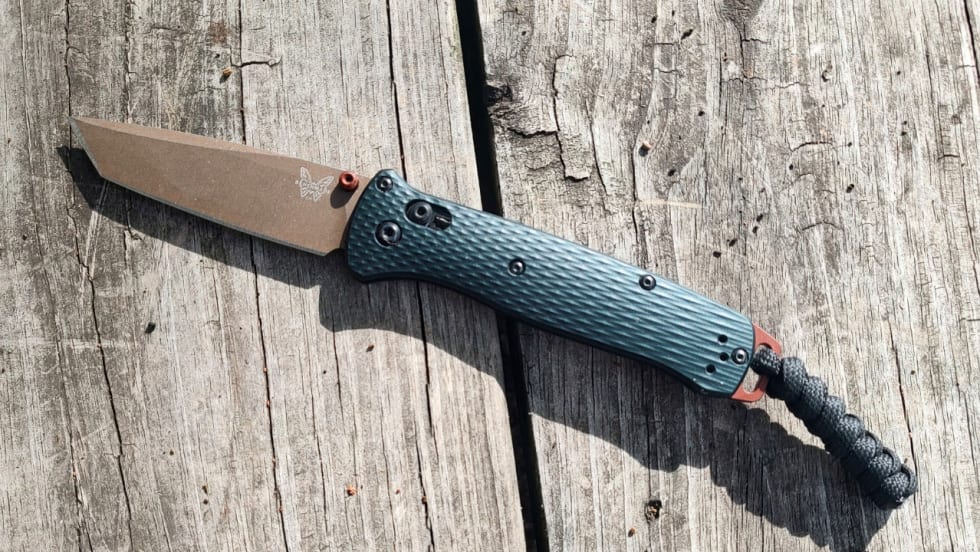
POLICE Product Test: Benchmade Bailout
The Benchmade Bailout is a slim, lightweight carry knife with a deep-ride pocket clip and comes in a variety of blade steels and scales. Here is a detailed review of the Taiga Green Bailout, released earlier this year.
Read More →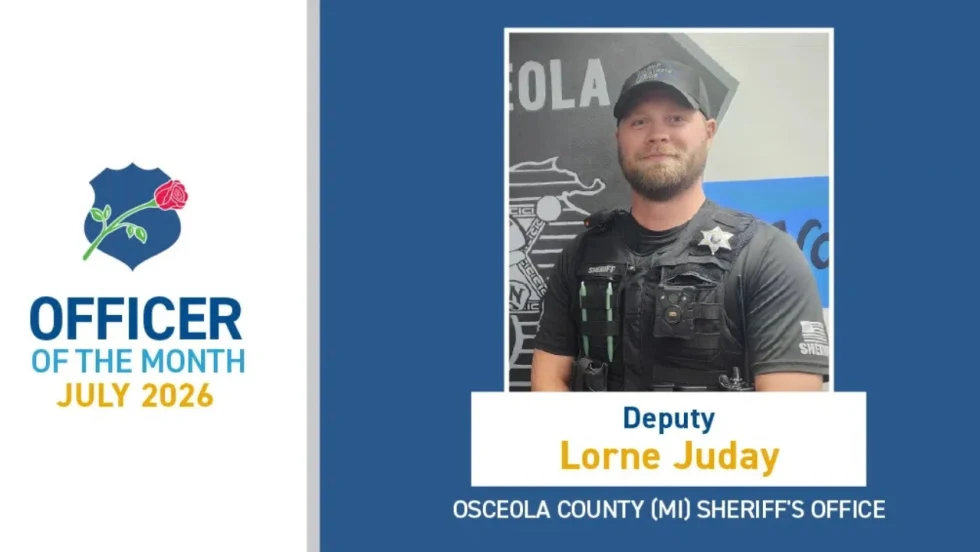
NLEOMF Announces July 2026 Officer of the Month
NLEOMF honored a Michigan deputy sheriff as the July 2026 Officer of the Month for rescuing a trapped driver from a burning vehicle following a Fourth of July crash.
Read More →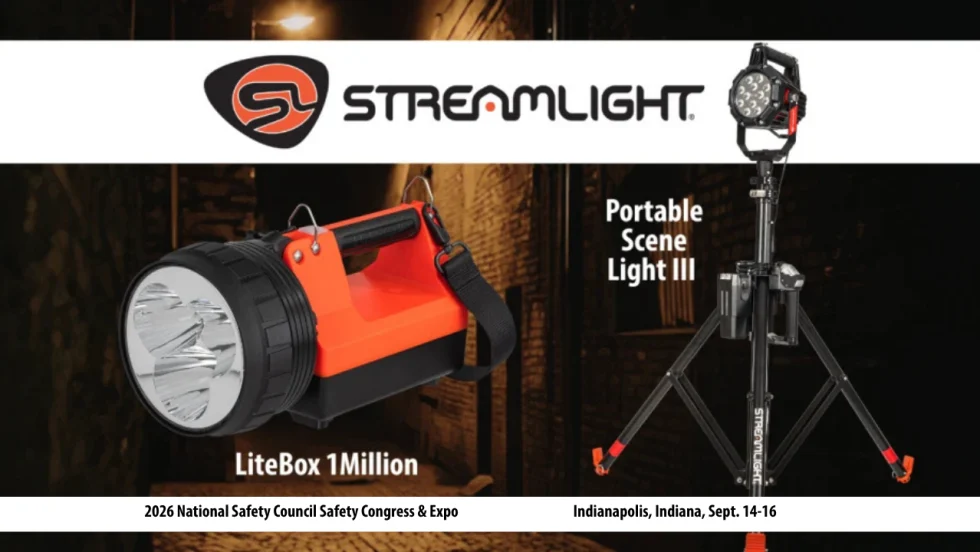
Streamlight to Showcase Newest Lighting Products at National Safety Council’s Safety Congress & Expo 2026
Streamlight will showcase its latest lights, including the Portable Scene Light III and the LiteBox 1Million, at the 2026 National Safety Council (NSC) Safety Congress & Expo.
Read More →
The 2027 World Police & Fire Games Set for Perth, Australia
The 2027 World Police & Fire Games (WPFG) will take place in Perth, Western Australia, from Friday, March 12 through Sunday, March 21, 2027.
Read More →
5.11 Partners with National Fallen Firefighters Foundation to Support #ForThe343
5.11 has joined the nationwide movement honoring the 343 New York City Fire Department firefighters lost on Sept. 11, 2001.
Read More →
Team Wendy Announces Title Sponsorship of the Jorge Pastore Foundation
Team Wendy’s 3-year partnership with the Jorge Pastore Foundation expands access to programs that strengthen those who serve.
Read More →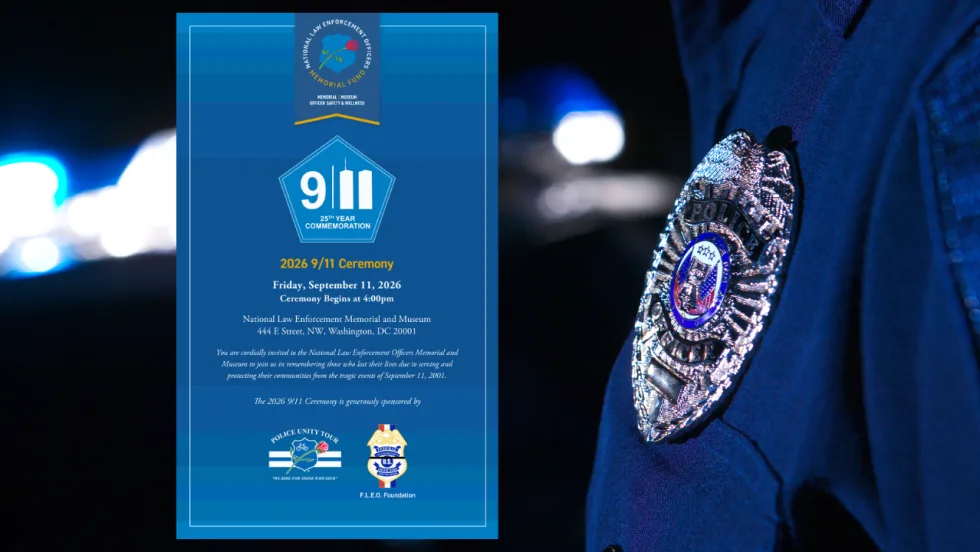
National Law Enforcement Memorial and Museum Hosting 9/11 25th-Year Commemoration Ceremony
The National Law Enforcement Memorial and Museum is hosting a 9/11 25th Year Commemoration Ceremony on Sept. 11 at 4 p.m.
Read More →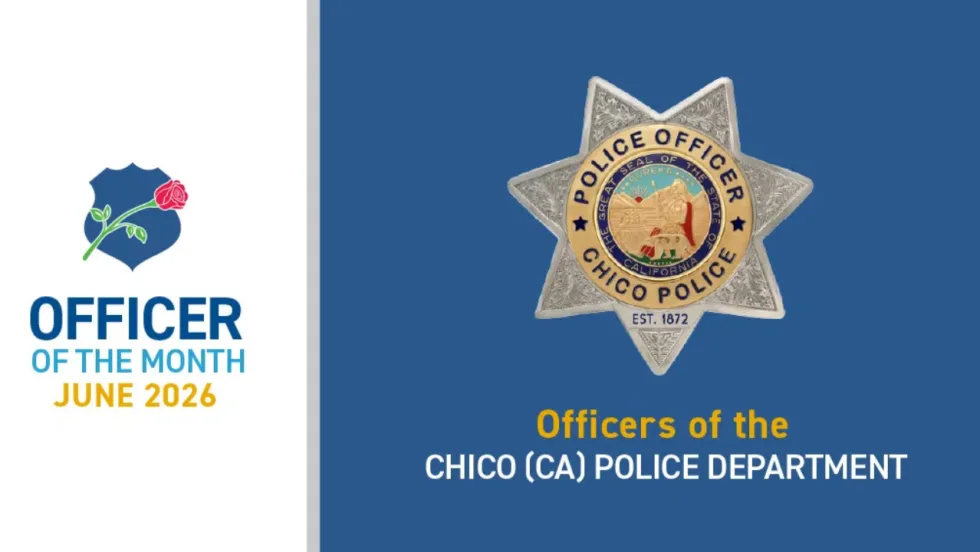
National Law Enforcement Officers Memorial Fund Announces June 2026 Officers of the Month
The National Law Enforcement Officers Memorial Fund (NLEOMF) named 15 officers of the Chico Police Department (California) as the Officers of the Month for June 2026 for their roles in responding to an active-shooter incident at a public library.
Read More →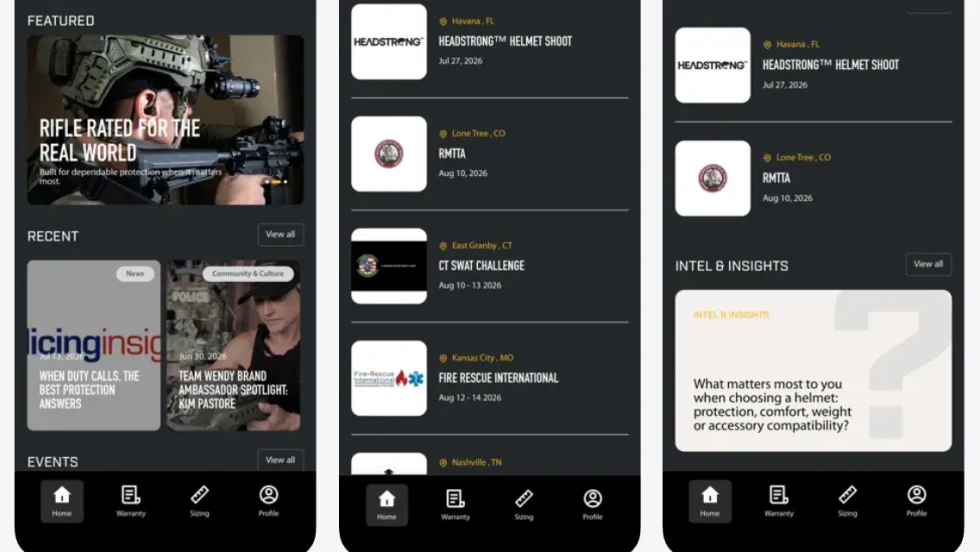
Team Wendy App Creates New Digital Hub for Helmet Owners
The Team Wendy Community App provides one location for warranty registration, size-fit tools, product updates, and community connection. For helmet owners, the new app creates a simpler path to the information and tools that matter most.
Read More →