



TacVent: Cooling System
Jeff Shelton says throughout much of his law enforcement career he wouldn't wear body armor for the same reason that many officers refuse to wear their vests, heat and discomfort.

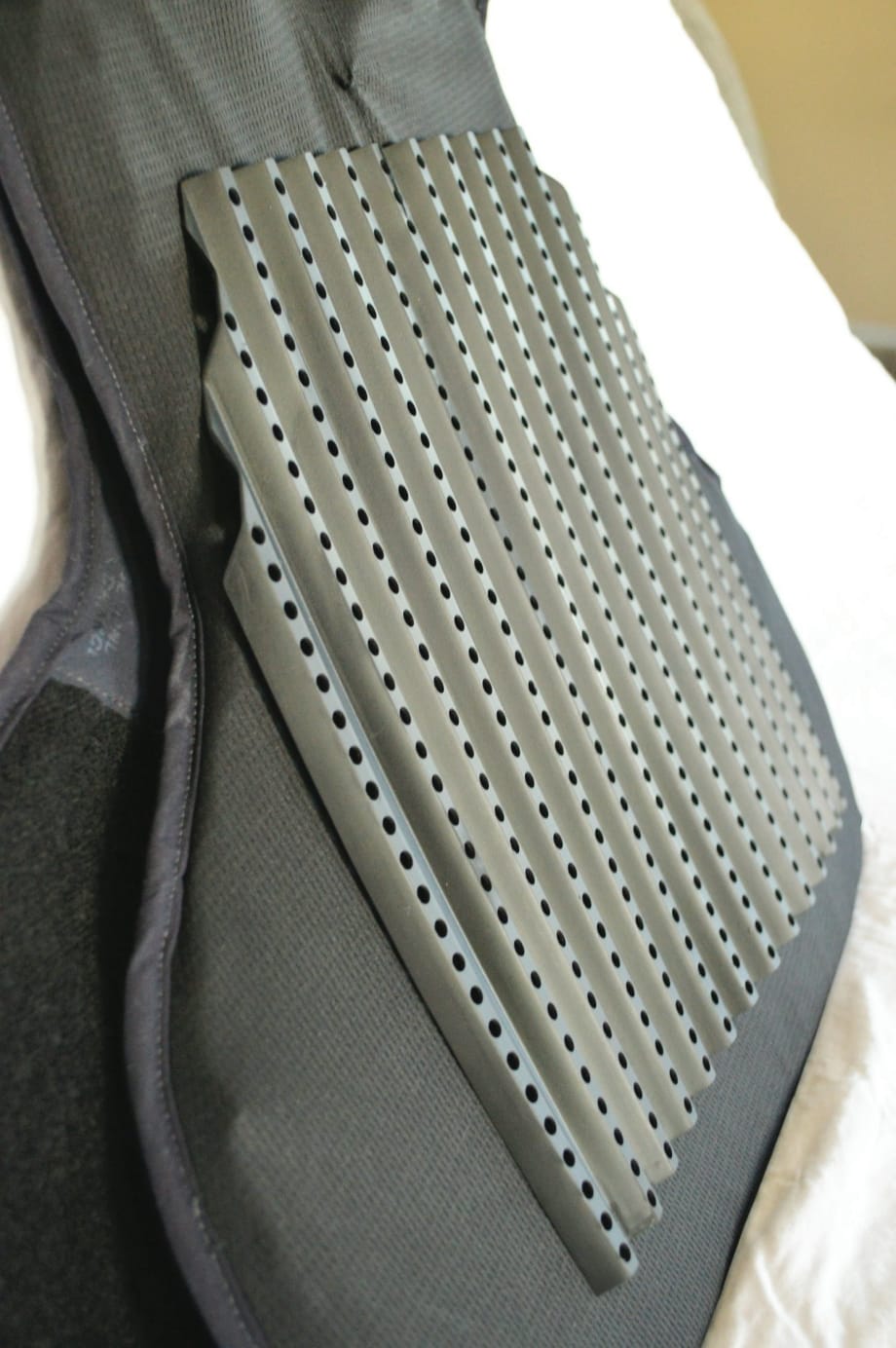
The TacVent attaches to the carrier and lifts the carrier and armor one-half inch from the wearer to allow cooling air flow. (Photo: TacVent)
Jeff Shelton says throughout much of his law enforcement career he wouldn't wear body armor for the same reason that many officers refuse to wear their vests, heat and discomfort.
Then came Nov. 1, 2013. Shelton, a sergeant with a Southern California law enforcement agency, was training that morning when a man started shooting people with an AR-15 in Terminal 3 of Los Angeles International Airport. Arriving at the airport, Shelton decided to wear his tactical body armor with the ceramic plates. After all, even though one suspect was wounded and in custody, there were reports of another.
For much of the rest of the day, Shelton sweated in his heavy tac vest, as he and his fellow officers searched inside and outside of LAX for a ghost. But the fact the second shooter didn't exist didn't make the work any less hot or arduous. The experience made Shelton reconsider an idea for a body armor cooling solution he had mulled over years ago.
Shelton's idea was to find a way to allow air to pass between the vest and the wearer's shirt or undershirt. "The only way to allow ventilation between the officer and the vest is through separation," Shelton says.
Of course, if you separate the vest too far from the wearer, you can make it impractical to wear. Shelton reasoned that one-half inch of separation would provide enough ventilation to cool the officer while not making the vest difficult to wear.
He then decided that a corrugated system kind of like a radiator that attaches to the armor carrier was the best way to achieve that ventilation. Next he needed to determine the best material for making the ribbing. "I knew it had to be soft and rubbery and not be something that would stick into the wearer or cause pressure points," he says.
With the first TacVent in hand, Shelton needed a test subject. So he wore it on duty. He found that the separation of the vest from his undershirt made a big difference and actually improved the wicking and evaporation capabilities of the shirt's fabric. He says the TacVent keeps the wearer up to 14.6 degrees cooler.
In addition to wear testing, Shelton knew he had to test how the TacVent affected the ballistic protection of a vest. So he devised his own method to do so. He spread ballistic clay two inches thick on a heavy punching bag and placed a t-shirt over the clay and then an NIJ Level II vest over the shirt. He shot the vest that didn't have the TacVent with a .45 ACP ball round and took measurements on how deep the round pushed the fabric of the vest into the clay. Then he used a TacVent-equipped vest to repeat the test at the same distance. "With the TacVent, there was only a slight dent in the clay. Without it the backface trauma pushed all the way through the clay and into the punching bag," Shelton says, adding that he believes the TacVent reduces trauma by as much as 50%.
The TacVent is U.S. made and sells primarily online at www.tacvent.com. The price is one for $34.99 or two for $59.98. Shelton recommends a front and back application for concealed body armor.
Shelton says he is a user of his own product, and he is now a conscientious wearer of body armor. "Now that I have the TacVent, I don't have that feeling of wanting to rip the vest off all the time," he says.
More Special Units

New K9 Decontamination Protocol Launched
A new K-9 protocol from the SoRite Company gives law enforcement agencies a standardized rapid-response framework to decontaminate K-9s, their handlers, and police vehicles, from dangerous narcotics.
Read More →
OZ Lifting Doubles Impact of K9 Guardian Program
In response to the positive impact the program has had on local communities. OZ Lifting Products has expanded its K9 Guardian Program by committing to fund a second police dog each year.
Read More →
Constellis’ AMK9 to Donate K9 Officer to Currituck County Sheriff’s Office
AMK9 will donate a fully trained K9 officer to the Currituck County Sheriff’s Office K9 Unit. DAX, a 20-month-old Belgian Malinois, joined his new handler and has begun training at the Constellis Training Center.
Read More →
Ohio’s Statewide Drone First Responder Program to Take Flight
Over the next two years, the Ohio DFR Pilot Program will equip municipalities with advanced drone systems, deliver comprehensive training for first responders, and enable FAA-approved Beyond Visual Line of Sight operations.
Read More →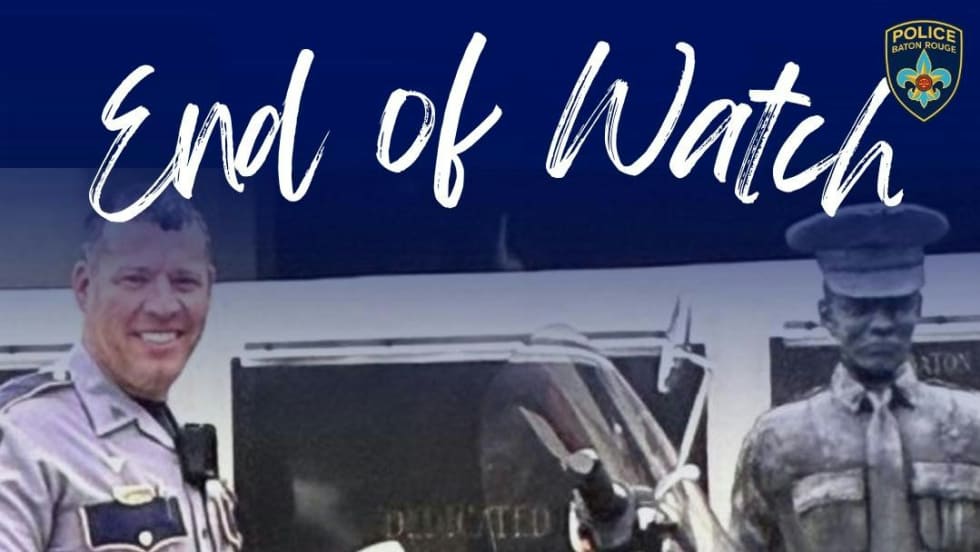
Louisiana Motor Sergeant Dies from Injuries Suffered in June “Intentional” Crash
A motor officer, Sgt. Caleb Eisworth was on his way to participate in a funeral escort when he was struck by another vehicle.
Read More →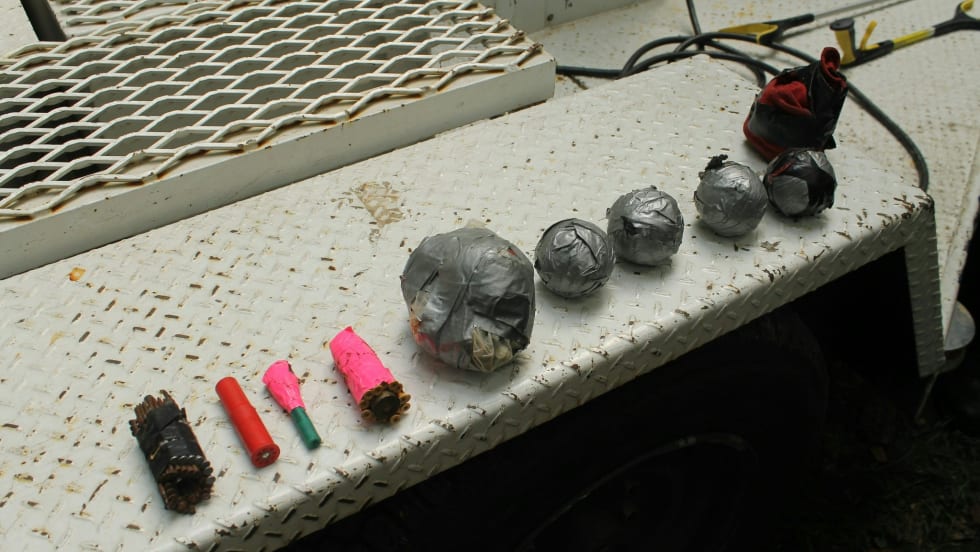
Tennessee Officers Say Man Tried to Detonate IED During Arrest
Inside the bedroom officers found what they believed to be an IED. The officers evacuated the house and called for the Chattanooga Police Bomb Squad and ATF agents.
Read More →
Florida School Officer Dies After On-Duty Medical Emergency
Sergeant Greg Graff was “preparing school leaders for the upcoming year during a safety training program at Clearwater High School,” the school district said.
Read More →
Grenade is Missing from Explosion That Killed 3 LASD Deputies
ATF Special Agent in Charge Kenny Cooper said definitively that only one grenade detonated at the facility on July 18.
Read More →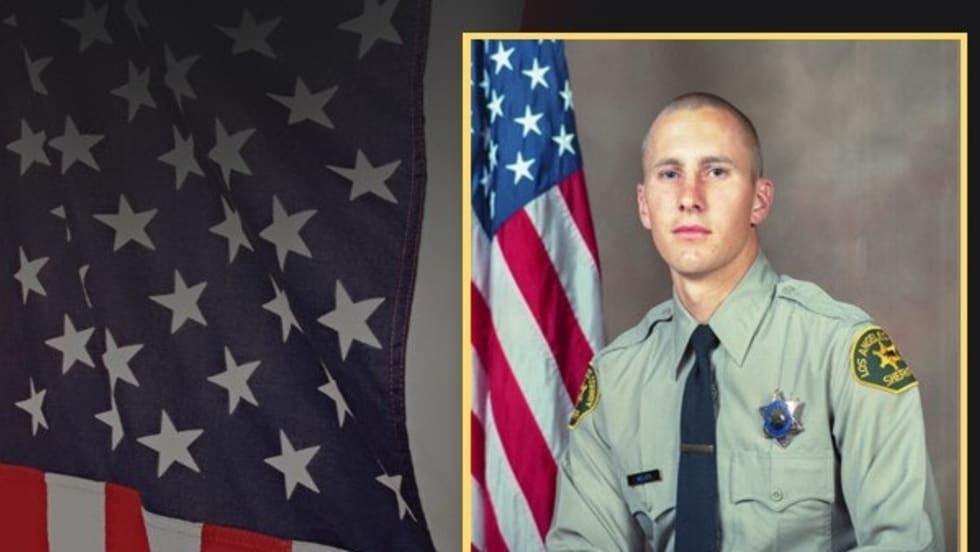
Los Angeles County Sheriff's Department Names Deputies Lost in Friday Explosion
LASD said Detective Joshua Kelley-Eklund, Detective Victor Lemus, and Detective William Osborn who were all assigned to Special Enforcement Bureau’s Arson Explosives Detail were killed in the incident.
Read More →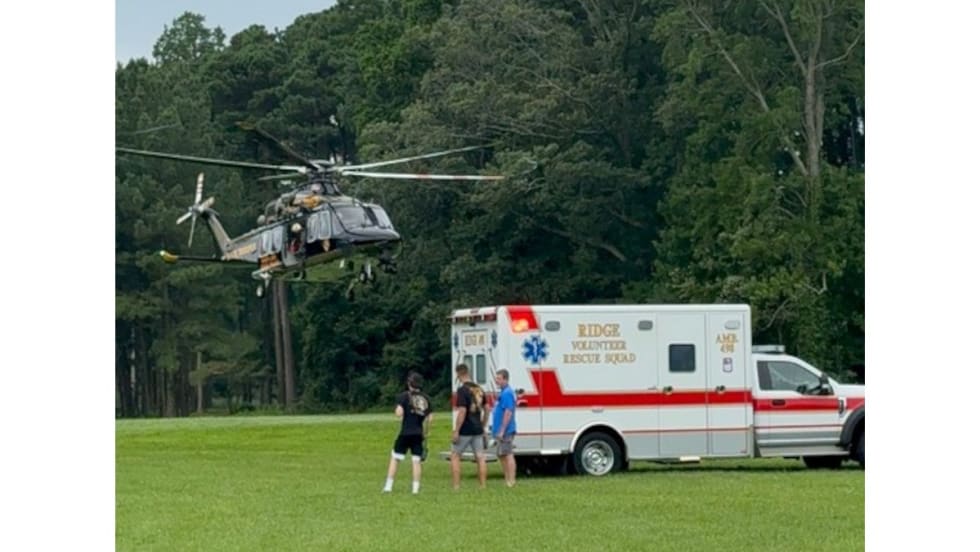
Maryland State Police Helicopter Rescues Victim from Overturned Boat in Chesapeake Bay
The Maryland State Police Aviation Command Trooper 7 crew, the MSP helicopter based in California, Maryland, were monitoring the county dispatch radio, overheard the dispatch, and self-launched.
Read More →