



Save Your Hide
Skin cancer is by far the most common cancer in the world. Most cases can be cured, but the disease is now a major health problem. Law enforcement personnel in the field, especially those in high-risk areas of the United States, are at risk for developing what can be a fatal form of cancer.

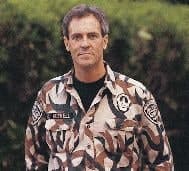
Skin cancer is by far the most common cancer in the world. Most cases can be cured, but the disease is now a major health problem. Law enforcement personnel in the field, especially those in high-risk areas of the United States, are at risk for developing what can be a fatal form of cancer.
Types of Skin Cancer
Basically, skin cancers fall into two major categories: melanoma and nonmelanoma. Melanoma affects about one in 10 patients with skin cancer. The cancer can begin in heavily pigmented tissue, such as a mole or birthmark, as well as in normal pigmented skin. Melanoma usually appears first on the torso of the body.
The two most common skin cancers, basal cell carcinoma (BCC) and squamous cell carcinoma (SCC), are nonmelanomas, progress slowly and seldom spread beyond the skin. They can be detected easily and treated and are rarely life-threatening.
Basal cell carcinoma accounts for about 75 percent of skin cancers. It is the slowest growing and often appears as a pearly or flesh-colored oval lump with a rolled border. In time it may develop into a bleeding ulcer. It may also appear as a smooth red spot indented in the center or a reddish brown or bluish black patch of skin on the chest or back.
Squamous cell carcinoma, on the other hand, tends to be somewhat more aggressive and more inclined to spread. It may appear as a firm, reddish wartlike bump that grows gradually or a flat spot that becomes a bleeding sore that will not heal.
More than 800,000 cases of nonmelanoma are diagnosed each year in the U.S., along with about 35,000 cases of melanoma. Of the 10,000 deaths each year from skin cancer, about 8,000 are from melanoma.
What Causes Skin Cancer?
Sunlight contains ultraviolet (UV) rays. It is the excessive exposure to sunlight that causes skin cancer, especially for those with light skin. Also, people exposed to certain chemicals, such as insecticides, arsenic compounds, coals, tar, and radium are at a higher than normal risk.
The incidence of skin cancer is rising. It is about three times more common in men than in women, and the risk increases with age.
Diagnostic Procedures
Any cancerous skin growths must be biopsied. Depending on the suspected type of skin cancer, the biopsy techniques vary slightly. Any potential melanoma requires a surgical biopsy to determine if cancer cells are present.
Treatment
The standard treatment for localized basal cell and squamous cell carcinoma is effective and safe. Large localized tumors will need to be removed surgically. But small tumors can be removed by freezing with liquid nitrogen, using an electric current, or killing by low-dose radiation.
In those cases where basal cell carcinoma or squamous cell carcinoma has spread beyond the skin, tumors are removed surgically and the patients are treated with chemotherapy, radiation or immunotherapy. Most skin cancers are detected and cured before they have a chance to spread. However, melanoma that has spread to other organs presents the greatest challenge. Melanoma tumors must be removed surgically.
Prevention
If you are susceptible to skin cancer, take the following precautions:
When working outside, wear a hat and use sunglasses that block UV rays.
Avoid intense sun exposure by staying out of the sun from late morning through late afternoon.
Use a sunscreen with a sun protection factor of 15 or higher.
See your doctor if you notice any change in the size, shape or texture of a mole or other skin growth. You should be concerned about an open or inflamed skin wound that will not heal.
Skin experts recognize that the mineral zinc and the antioxidant vitamins A, C and E can help repair damaged body tissue and promote healthy skin. Consider taking a B-complex vitamin. B-vitamins contain the compound PABA, which is the active ingredient in many sunscreens.
Dr. Heiskell, a member of the POLICE Advisory Board, is a reserve police officer with the Palm Springs (Calif.) Police Department and the SWAT Team physician for that agency.
More Patrol
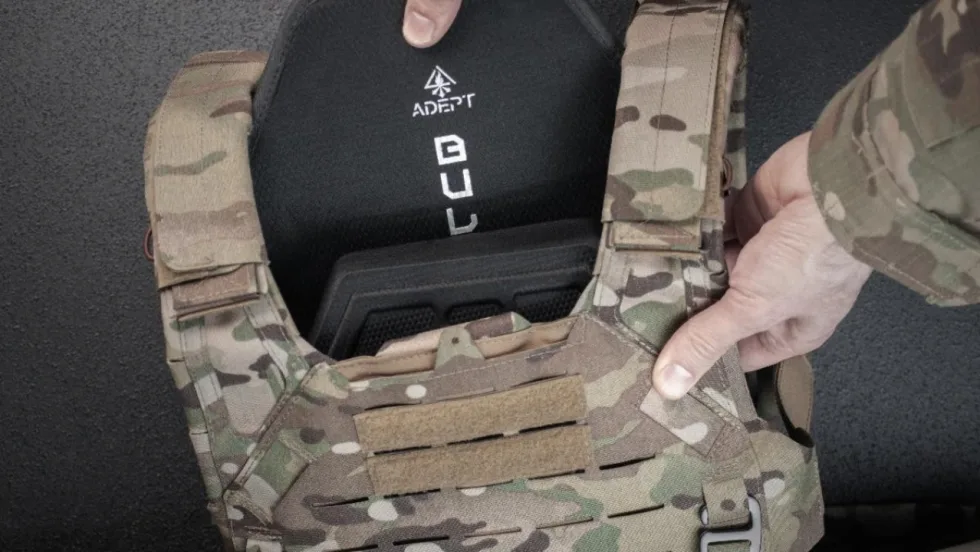
Adept Armor Introduces Two New Rifle Plates
Adept Armor has launched two new Level IV ballistic plates, the Emperor and the Archon Mark 2, which brings Adept Armor’s new Quatroid ceramic to the high-threat, performance-value center of the range at 5.2 pounds.
Read More →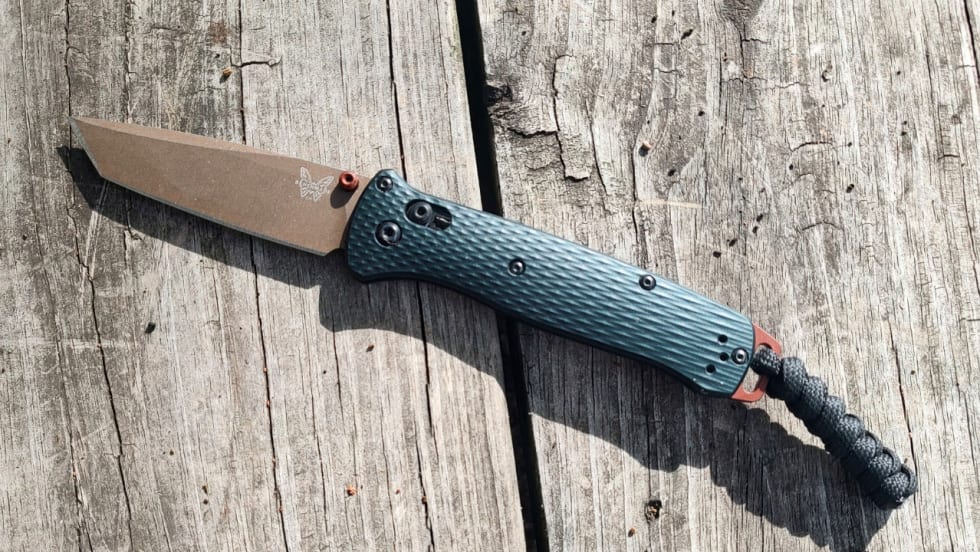
POLICE Product Test: Benchmade Bailout
The Benchmade Bailout is a slim, lightweight carry knife with a deep-ride pocket clip and comes in a variety of blade steels and scales. Here is a detailed review of the Taiga Green Bailout, released earlier this year.
Read More →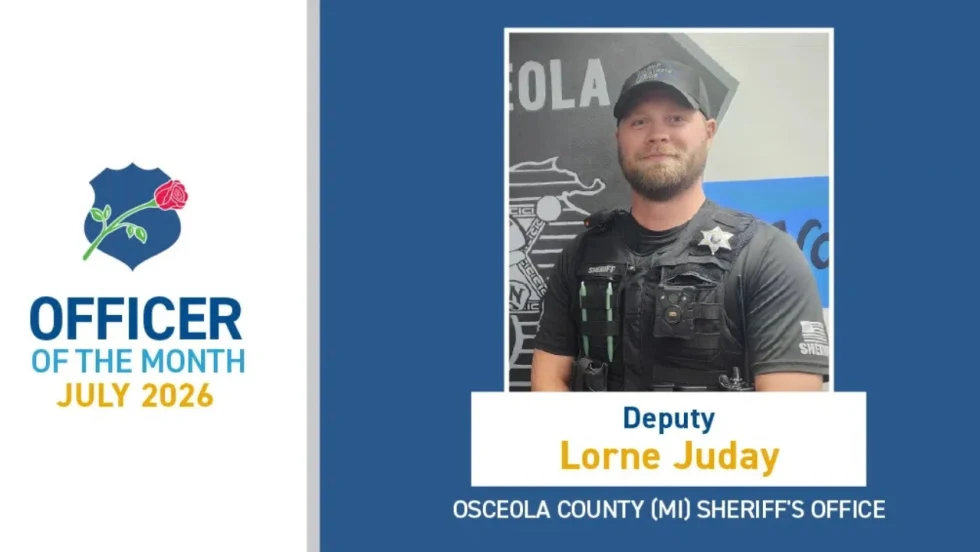
NLEOMF Announces July 2026 Officer of the Month
NLEOMF honored a Michigan deputy sheriff as the July 2026 Officer of the Month for rescuing a trapped driver from a burning vehicle following a Fourth of July crash.
Read More →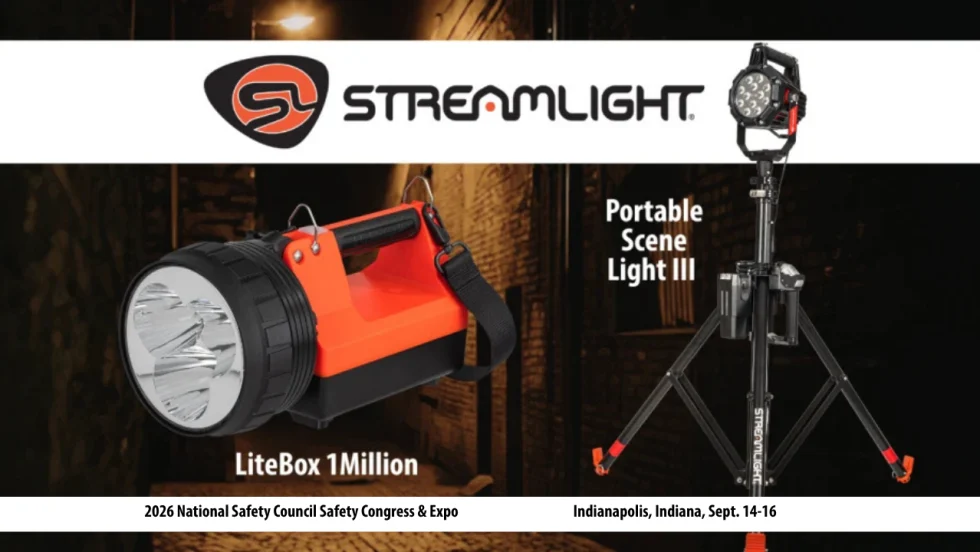
Streamlight to Showcase Newest Lighting Products at National Safety Council’s Safety Congress & Expo 2026
Streamlight will showcase its latest lights, including the Portable Scene Light III and the LiteBox 1Million, at the 2026 National Safety Council (NSC) Safety Congress & Expo.
Read More →
The 2027 World Police & Fire Games Set for Perth, Australia
The 2027 World Police & Fire Games (WPFG) will take place in Perth, Western Australia, from Friday, March 12 through Sunday, March 21, 2027.
Read More →
5.11 Partners with National Fallen Firefighters Foundation to Support #ForThe343
5.11 has joined the nationwide movement honoring the 343 New York City Fire Department firefighters lost on Sept. 11, 2001.
Read More →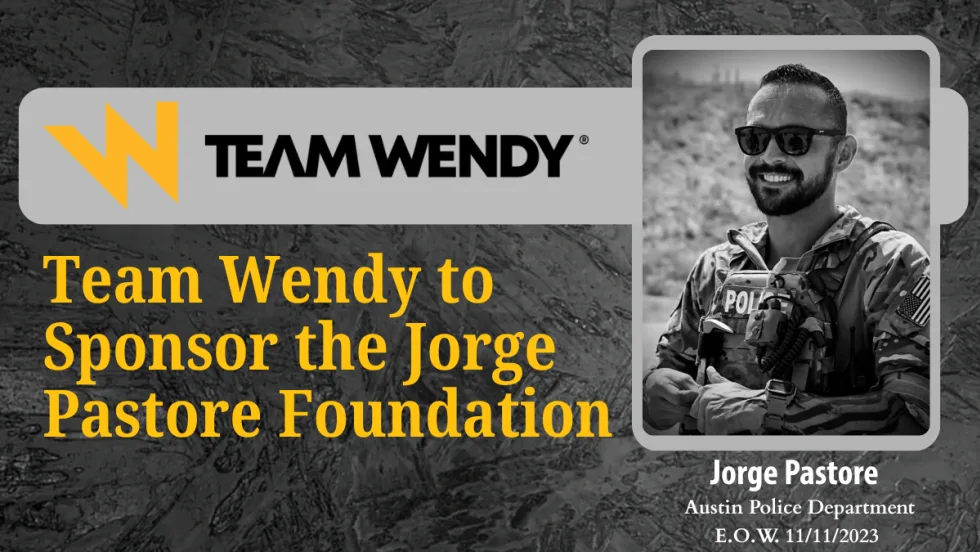
Team Wendy Announces Title Sponsorship of the Jorge Pastore Foundation
Team Wendy’s 3-year partnership with the Jorge Pastore Foundation expands access to programs that strengthen those who serve.
Read More →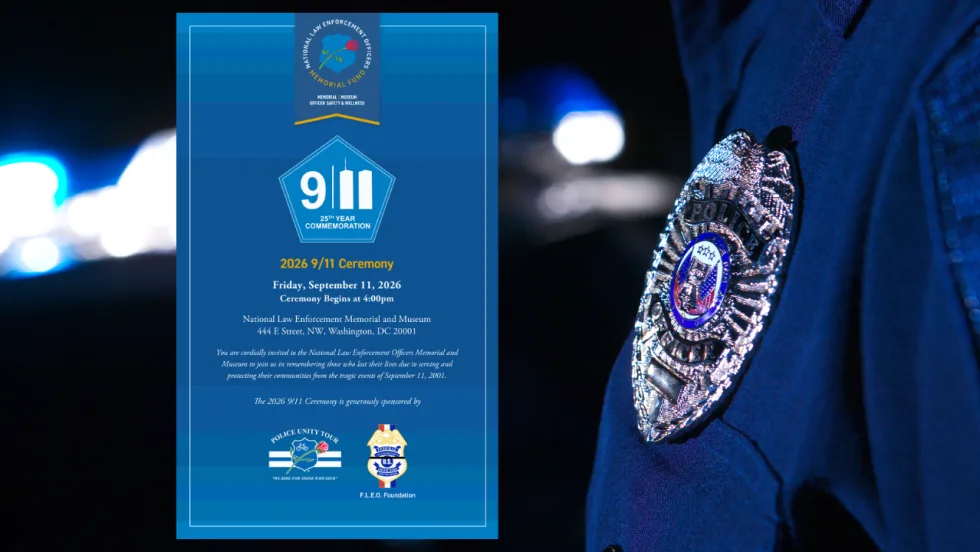
National Law Enforcement Memorial and Museum Hosting 9/11 25th-Year Commemoration Ceremony
The National Law Enforcement Memorial and Museum is hosting a 9/11 25th Year Commemoration Ceremony on Sept. 11 at 4 p.m.
Read More →
National Law Enforcement Officers Memorial Fund Announces June 2026 Officers of the Month
The National Law Enforcement Officers Memorial Fund (NLEOMF) named 15 officers of the Chico Police Department (California) as the Officers of the Month for June 2026 for their roles in responding to an active-shooter incident at a public library.
Read More →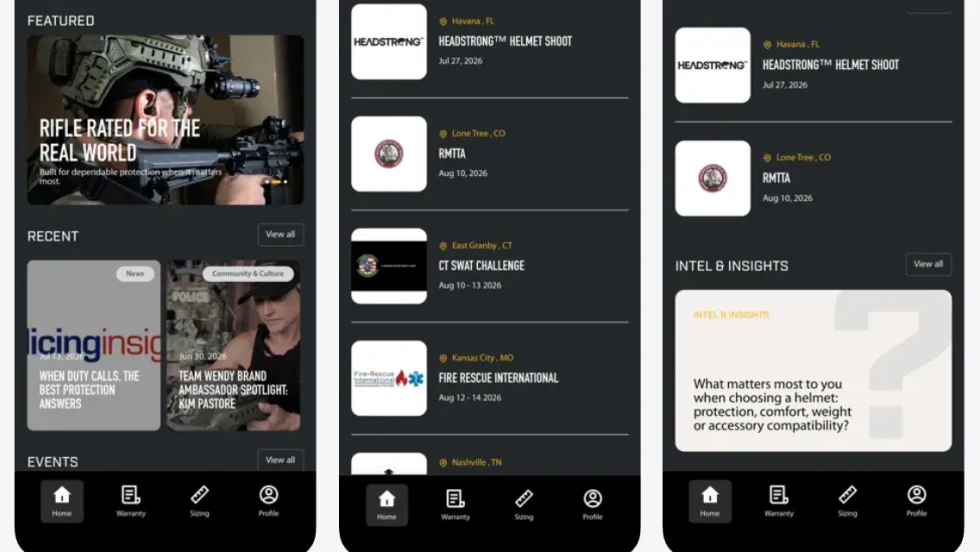
Team Wendy App Creates New Digital Hub for Helmet Owners
The Team Wendy Community App provides one location for warranty registration, size-fit tools, product updates, and community connection. For helmet owners, the new app creates a simpler path to the information and tools that matter most.
Read More →