



Report Writing Tune-Up
One of the most ignored aspects of our work is report writing. But it shouldn’t be. Whether we are patrol officers or investigators, we write reports each and every day. And these reports stay with us from the day we write them all the way through the court process and beyond.

One of the most ignored aspects of our work is report writing. But it shouldn't be. Whether we are patrol officers or investigators, we write reports each and every day. And these reports stay with us from the day we write them all the way through the court process and beyond.
Still, we tend to get lackadaisical about report writing. We write reports so much they tend to become second nature, and we switch ourselves into "auto pilot mode" when writing them. This can come back to bite us, badly.
Report writing is a very important part of every officer's daily routine, and a little fine-tuning every once in a while can benefit us all. Let's review a few easy techniques to polish up our report writing skills and make us more effective police officers.
There was a time when this was sufficient, but not any more. We now live in a more transient society, where people move every few years on average. So addresses can quickly become worthless. It doesn't take much extra effort for us to jot down a bit more information to aid investigators or ourselves later. For example, be sure to record people's work telephone numbers and cell phone numbers. Just about everyone has a cell phone nowadays, and most people can be reached on their cell much easier than they can at home or at work. Use this to your advantage and get those numbers.
Another commonly overlooked piece of information that you can add to your reports is the person's e-mail address. Most police departments have e-mail accounts for each officer. So you can use e-mail to correspond with witnesses and victims. This works really well when you just need to ask a very simple question. And there's an added benefit to e-mail interviews: You can print out the responses and attach them to your report if needed. It's like having a written statement instantly delivered. This doesn't always work, but some people respond quicker and easier to e-mail than phone messages. Give it a shot.
Another easy way to improve reports is to ensure you're getting complete statements. At a busy scene, we hand out statement forms, go about our business, then collect them, and move on. Take the extra time to read over the statement and make sure all the elements of the crime are there. If you need to ask questions, write them on the statement form in the Q&A format. This way you can quickly and easily clarify and nail down details that would have been missed. Remember, victims and witnesses tend to forget the little details of a case after they leave the scene. Getting them nailed down to a complete statement at the scene gives you and other investigators the benefit of fresh information, and prevents "tainting," which happens when witnesses talk about the incident with each other after you leave.
While we are on the topic of statements, another easy way to improve individual statements is to separate people involved when you first get to the scene. Again, this will keep the statements fresh and prevent people from naturally filling in the blanks with what they hear from their friends who also saw the incident.
Don't forget about neighborhood checks, either. Did anyone else see anything in the neighborhood? Are you sure? Avoid having the "surprise witness" pop up during a court appearance by making a quick neighborhood check. If no one saw anything, record the houses you checked. You may dig up an uninvolved eyewitness just by asking around a bit. Neighbors will normally come out and watch whatever is going on in their neighborhood. Try to find these people and get their version of the incident. Theirs will usually be the most reliable.
More Patrol

Adept Armor Introduces Two New Rifle Plates
Adept Armor has launched two new Level IV ballistic plates, the Emperor and the Archon Mark 2, which brings Adept Armor’s new Quatroid ceramic to the high-threat, performance-value center of the range at 5.2 pounds.
Read More →
POLICE Product Test: Benchmade Bailout
The Benchmade Bailout is a slim, lightweight carry knife with a deep-ride pocket clip and comes in a variety of blade steels and scales. Here is a detailed review of the Taiga Green Bailout, released earlier this year.
Read More →
NLEOMF Announces July 2026 Officer of the Month
NLEOMF honored a Michigan deputy sheriff as the July 2026 Officer of the Month for rescuing a trapped driver from a burning vehicle following a Fourth of July crash.
Read More →
Streamlight to Showcase Newest Lighting Products at National Safety Council’s Safety Congress & Expo 2026
Streamlight will showcase its latest lights, including the Portable Scene Light III and the LiteBox 1Million, at the 2026 National Safety Council (NSC) Safety Congress & Expo.
Read More →
The 2027 World Police & Fire Games Set for Perth, Australia
The 2027 World Police & Fire Games (WPFG) will take place in Perth, Western Australia, from Friday, March 12 through Sunday, March 21, 2027.
Read More →
5.11 Partners with National Fallen Firefighters Foundation to Support #ForThe343
5.11 has joined the nationwide movement honoring the 343 New York City Fire Department firefighters lost on Sept. 11, 2001.
Read More →
Team Wendy Announces Title Sponsorship of the Jorge Pastore Foundation
Team Wendy’s 3-year partnership with the Jorge Pastore Foundation expands access to programs that strengthen those who serve.
Read More →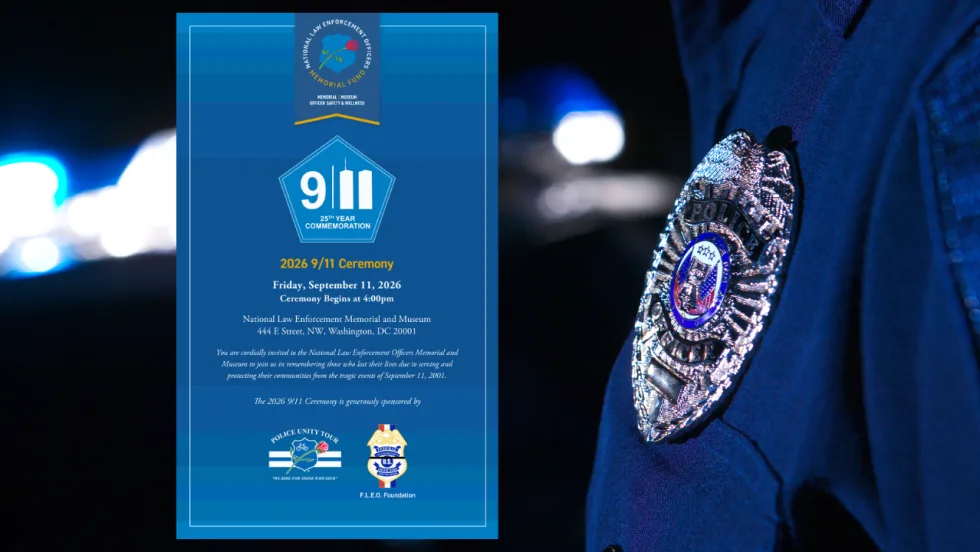
National Law Enforcement Memorial and Museum Hosting 9/11 25th-Year Commemoration Ceremony
The National Law Enforcement Memorial and Museum is hosting a 9/11 25th Year Commemoration Ceremony on Sept. 11 at 4 p.m.
Read More →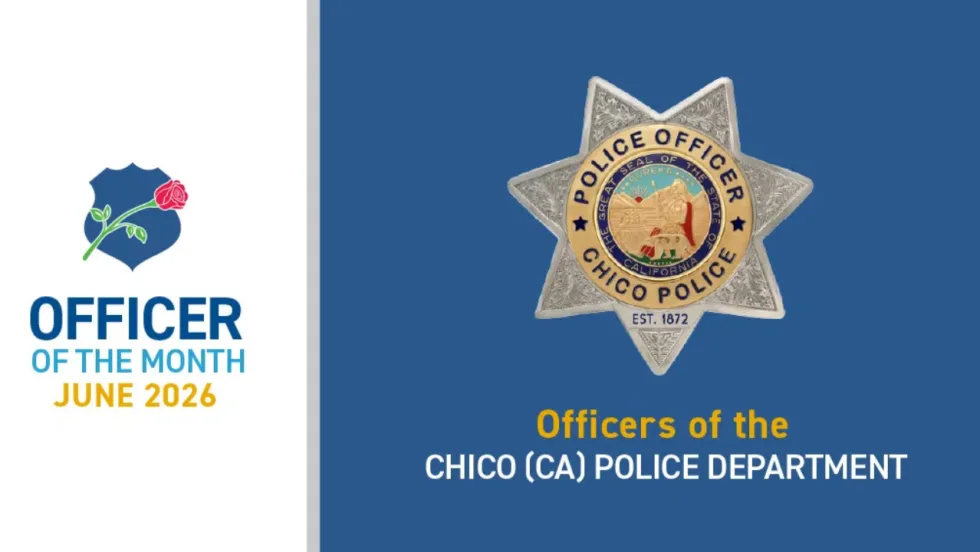
National Law Enforcement Officers Memorial Fund Announces June 2026 Officers of the Month
The National Law Enforcement Officers Memorial Fund (NLEOMF) named 15 officers of the Chico Police Department (California) as the Officers of the Month for June 2026 for their roles in responding to an active-shooter incident at a public library.
Read More →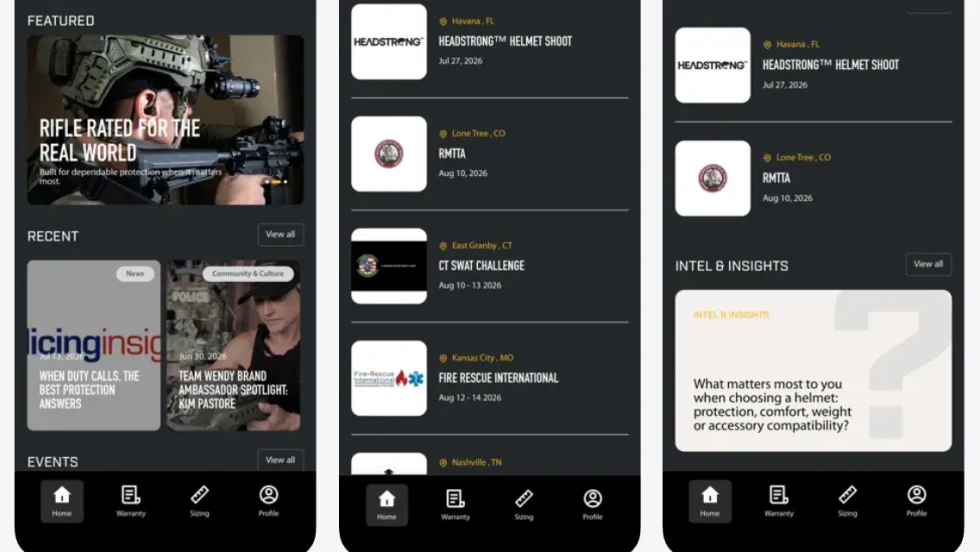
Team Wendy App Creates New Digital Hub for Helmet Owners
The Team Wendy Community App provides one location for warranty registration, size-fit tools, product updates, and community connection. For helmet owners, the new app creates a simpler path to the information and tools that matter most.
Read More →