



Purchasing Patrol Cars: Vehicle Replacement Plans
Asking for the right amount of funding for purchasing patrol cars in the first place and wisely choosing how to spend it could put you ahead of the game. A vehicle replacement schedule is the best way to efficiently reach these goals.

Asking for the right amount of funding for purchasing patrol cars in the first place and wisely choosing how to spend it could put you ahead of the game. A vehicle replacement schedule is the best way to efficiently reach these goals.
Sgt. Evan Hvizdak, fleet manager at the Denver Police Department, advises planning far in advance and factoring in cushions of extra cars, just in case you need them down the line. Don't get caught without wheels because you didn't allow for accidents in your budget.
"When you wait until you wreck a few cars or need an expansion of cars and then say to the city council, 'I need this much money for this car,' the horse is already out of the barn," says Hvizdak.
He suggests having a ten-year replacement plan in place to account for expanding your agency's fleet as well as replacing a certain number of cars each year. He says that in his experience, you'll avoid nasty surprises if you set aside money from the outset-both for cars that naturally outlive their usefulness over time and for the inevitable accidents that happen out on patrol.
First, to run an efficient car replacement plan, keep track of every car's condition so you know which vehicles you'll need to replace first.
Prioritize based on cars' mileage and the amount of overall maintenance needed to keep each car running.
Mileage is an important gauge of wear and tear on a vehicle. It should be at the top of the list when deciding which cars to keep. Most departments cycle a car out after it's been driven 100,000 miles. But this shouldn't be the only factor you consider.
More Miles for Your Money
If you end up completely refurbishing a car, you might want to keep it around for a couple more years, even if it had been at the top of your priority list to replace because of extra mileage.
David Clukey, chief of the Dexter (Maine) Police Department, is pretty happy with a 1995 cruiser his department had refurbished a couple of years ago. It has served as the backup car for the town of 4,500 people. The department usually replaces a car every 18 months, and the car that had been the primary cruiser becomes a backup car. But the chief plans to get a new car this time around because he feels he'll get more overall value out of it.
Don't Leave Anyone Out
When drawing up a vehicle replacement plan, remember to include motorcycles, vans, unmarked cars, and specialty vehicles. You might have to occasionally consult the people who use these vehicles most often to be sure of their condition and what is needed to keep them running effectively. Every department uses its vehicles differently, and, often, different units in the same department have their own unique needs. Make sure that your cars, trucks, etc., are up to the tasks they'll be expected to perform.
Whether your agency is going to replace one car every 18 months or 300 cars every year, keeping track of what shape your current fleet is in will help you maintain those vehicles and effectively purchase your next ones.
More Vehicle Ops
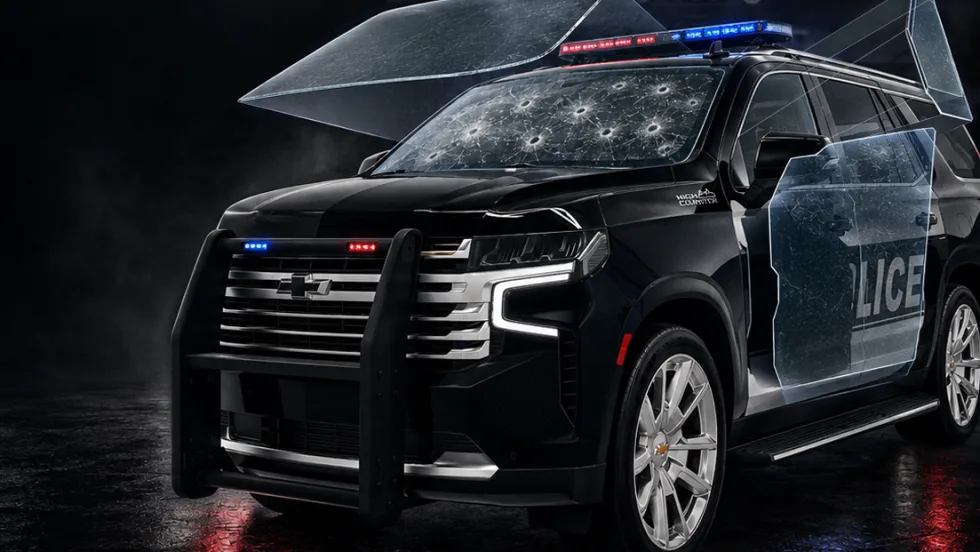
It’s an Ambush: How Ballistic Glass Redefines Patrol Vehicle Safety
Dana Safety Supply is setting a new standard for officer safety with windshields capable of withstanding multiple rounds and saving lives — and one Texas deputy is living proof.
Read More →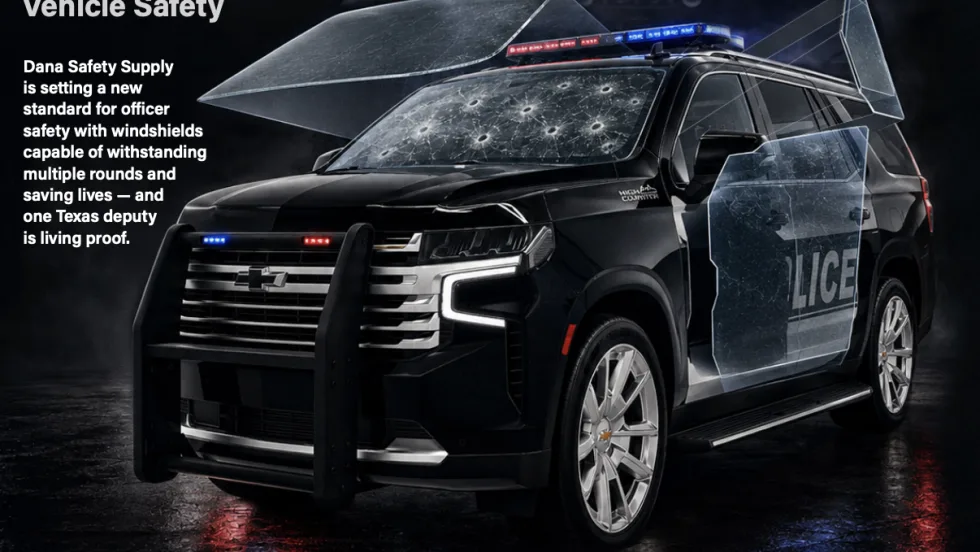
Dana Safety Supply’s BallisTech Vehicle Armoring Solutions
Dana Safety Supply is setting a new standard for officer safety with windshields capable of withstanding multiple rounds and saving lives.
Read More →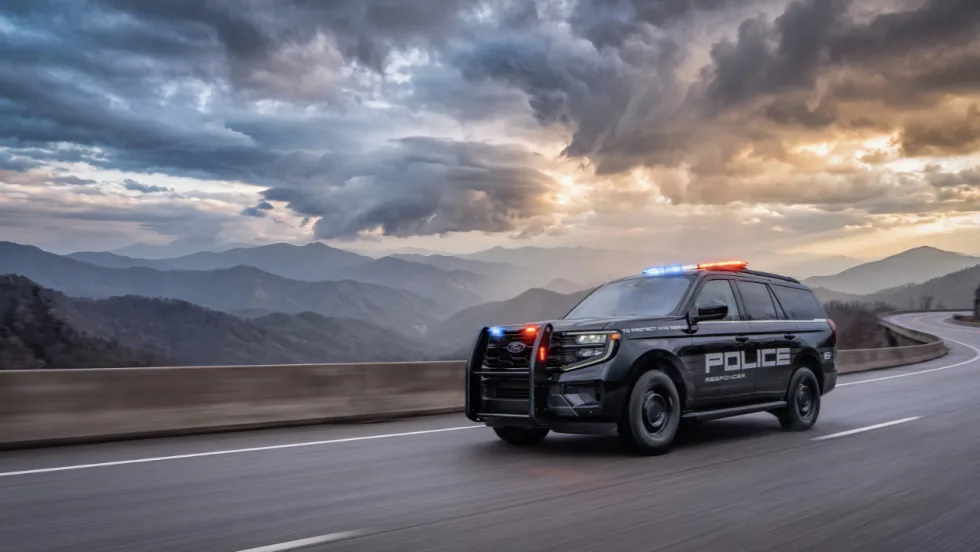
Ford Showcases 2028 Ford Expedition Police Responder
Ford showcased its 2028 Ford Expedition Police Responder, a full-size, pursuit-rated utility vehicle, at Police Fleet Expo this week. It comes standard with 4x4 and a 3.5-liter EcoBoost V6 producing 400 horsepower and 480 lb.-ft. of torque.
Read More →
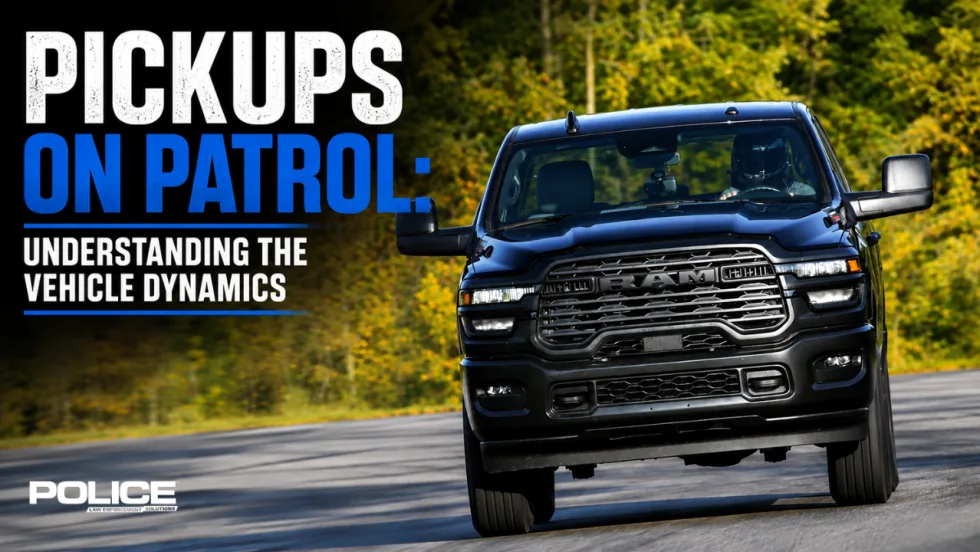
Pickups on Patrol: Understanding the Vehicle Dynamics
Pickup trucks are not new to patrol duties, but with the debut of the 2027 Ram 2500 Emergency Response Vehicle, they are getting larger and heavier. POLICE reached out to the Michigan State Police Precision Driving Unit to learn more about pickup truck handling, vehicle dynamics, and what officers need to know.
Read More →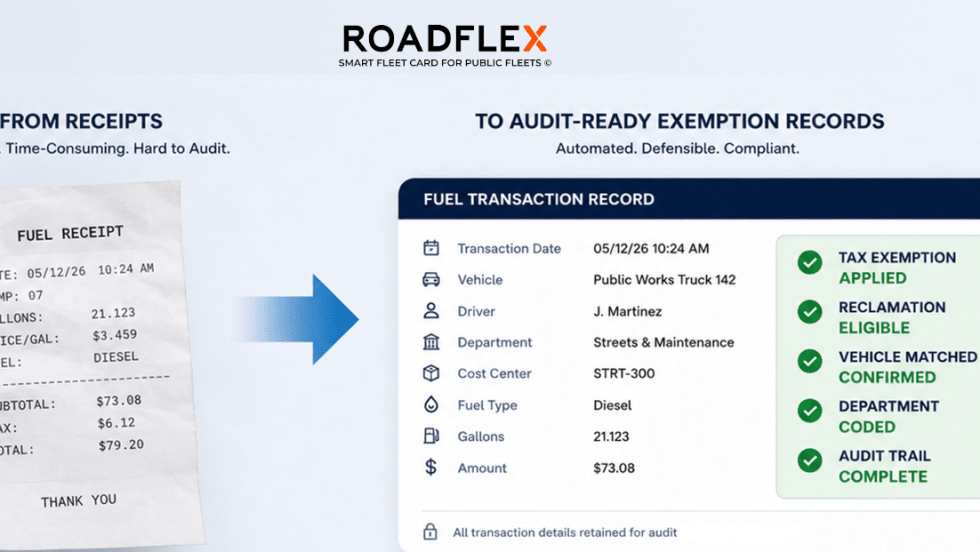
RoadFlex Brings Fuel Tax Compliance & Audit-Ready Reporting to Government Fleets
RoadFlex now offers its capabilities to help public-sector fleets streamline fuel tax exemptions, reclamation, reconciliation, and audit-ready reporting.
Read More →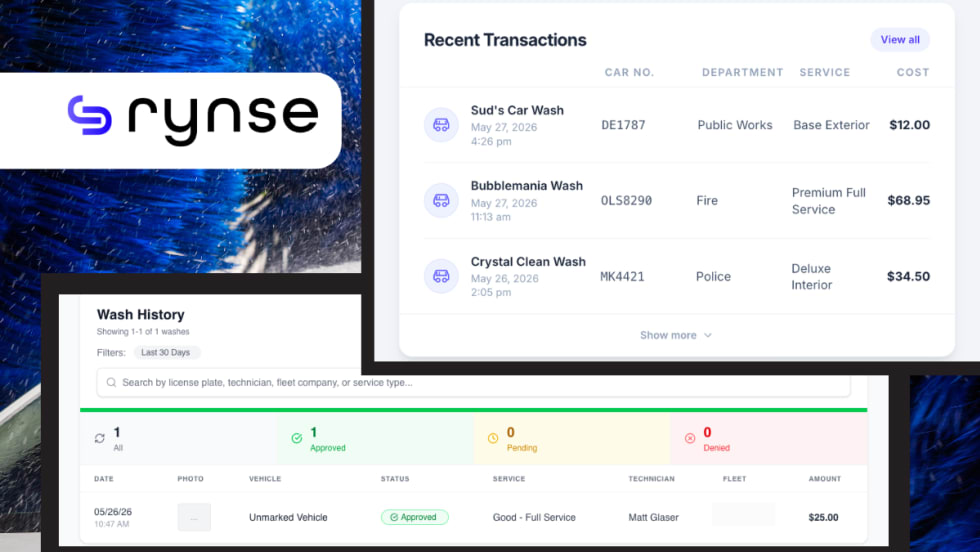
Rynse Awarded Cooperative Purchasing Contract, Expanding Nationwide Fleet Wash Access for Law Enforcement
Rynse has secured a 2026-2027 NCSA contract, giving law enforcement agencies nationwide fast-track access to its fleet wash network and management platform, which streamlines procurement, reduces administrative burdens, and helps fleets stay road-ready with greater oversight.
Read More →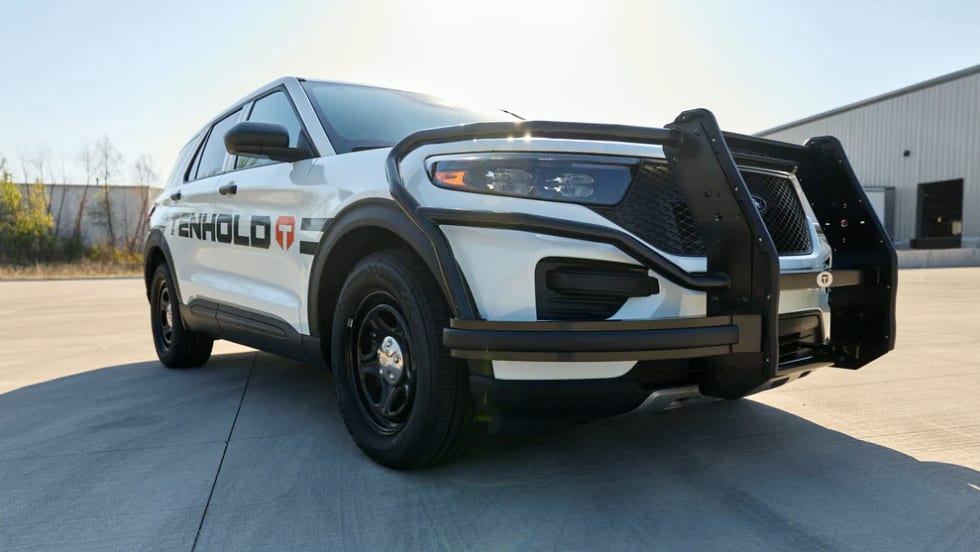
Tenhold Introduces Suppressor Gun Rack System
Tenhold, formerly Jotto Desk, provides next-generation vehicle systems for law enforcement and public safety and recently debuted its Suppressor Lock Head for its Weapon Mounting system.
Read More →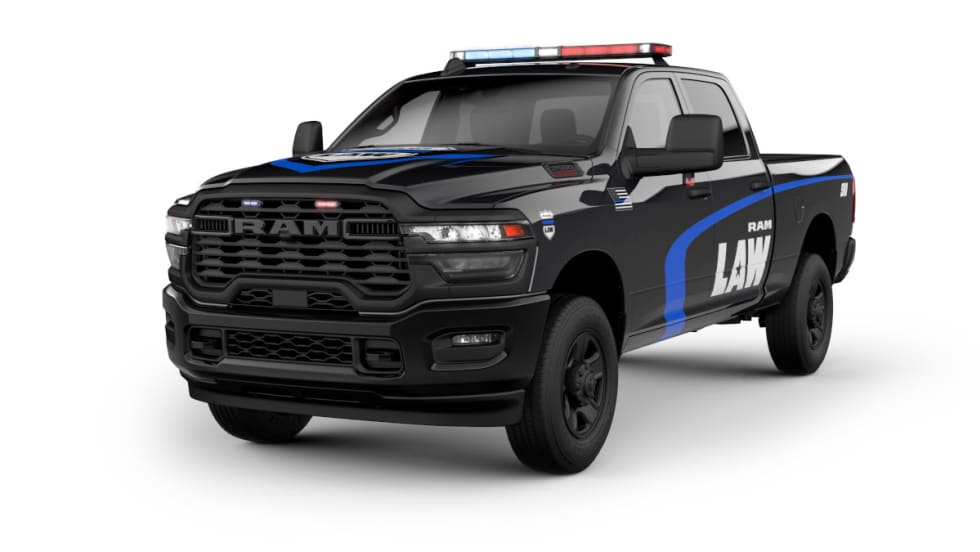
Ram Debuts Pursuit-Capable 2500 Emergency Response Vehicle
The 2027 Ram 2500 Emergency Response Vehicle is the first and only ¾-ton truck to complete the Michigan State Police vehicle trials, and Ram said it delivered outstanding performance in testing scenarios designed to replicate extreme real-world duty.
Read More →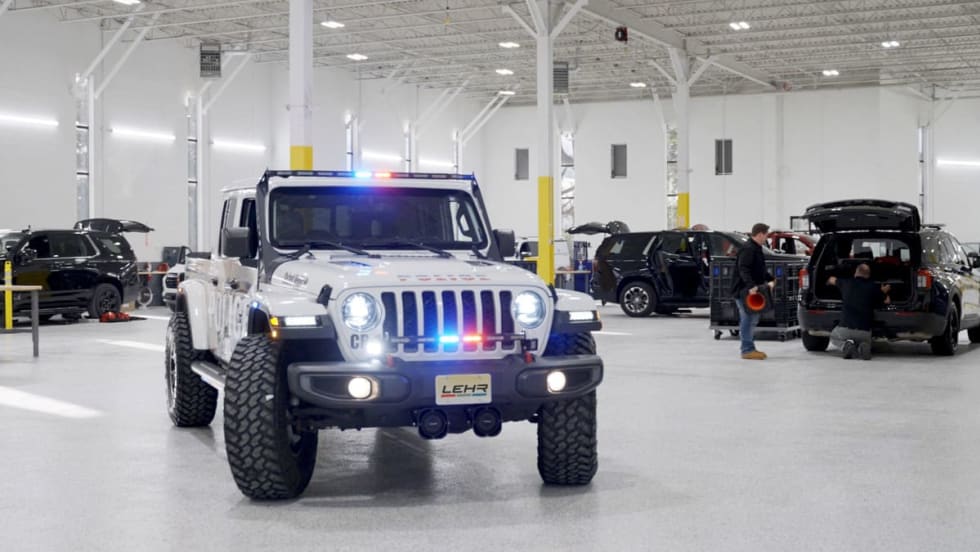
Emergency Vehicle Upfitter LEHR Opens New Facility in New Jersey
LEHR’s new centralized upfitting facility in New Jersey consolidates operations to deliver faster turnaround times and enhanced fleet capacity for law enforcement agencies across the Northeast.
Read More →
North Carolina Sheriff’s Office Improves Fueling Reliability & Operational Control
The Madison County Sheriff’s Office overcame fuel management and accounting challenges by turning to RoadFlex to improve fueling reliability, visibility, and administrative control.
Read More →