



Police Product Test: Motorola Mission Critical Bluetooth Earpiece
Motorola's new Mission Critical Bluetooth Earpiece is what I would call the cutting edge of communications equipment. It thoroughly addresses both of the problems I had with my first rig.

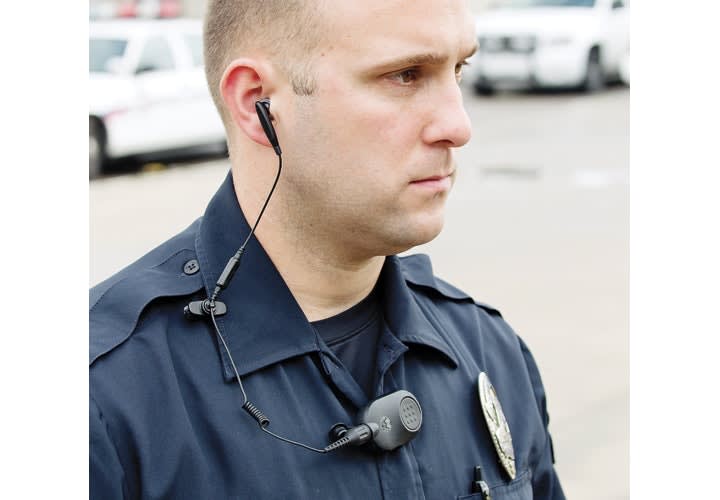
Photo: Motorola
Communications are critical to all law enforcement operations. The biggest and best-equipped police force in the world is very ineffective without the ability to coordinate efforts. What began with call boxes evolved to radios in cars and finally allowed each officer to have a portable radio on his or her belt.
Thankfully, my LE debut was long after this evolution had taken place and my first radio was a digital Motorola with a trusty shoulder mic. It worked great with few drawbacks; one of them being the lack of an integrated earpiece for privacy and the other being the large, coiled cord that tethered my torso to the radio on my belt.
Motorola hasn't rested on the success of its line of portable radios, instead choosing to evolve even further while embracing some current, existing technology. The company's new Mission Critical Bluetooth Earpiece is what I would call the cutting edge of communications equipment. It thoroughly addresses both of the problems I had with my first rig.
The Mission Critical earpiece is about as simple as they come with a large, easy-to-activate push-to-talk button connected to a combination earpiece/microphone with a 9-inch or 12-inch coiled cord, depending on the model. The push-to-talk module houses the technology and rechargeable lithium battery pack and has a large swiveling clip to securely mount it to almost anything. There are only three other buttons on the module: one for the power switch and two for volume control.
The earpiece itself is not new, having been used for Motorola's previous line of CommPort wired communication systems. This isn't an issue, though, because the design and function is still, in my opinion, the best available. It is a tried and true piece of gear and I was happy to see it continue into the next generation of comms.
The Mission Critical comes with extra foam wind-covers, rubber straps to secure the earpiece to the user's ear, replacement acoustic tubes, and a charger. It is obviously designed to be paired with a Bluetooth-enabled portable radio, mine being the APX-7000, but will work with older generations as well via a Bluetooth adapter. Pairing the two is a snap. Simply turn on both the earpiece and the radio and touch the two together. The equipment has close-proximity pairing technology and the two halves instantly recognize each other.
I've been using the Mission Critical in the field for several months now, longer than a normal test, but I thought it was important to thoroughly vet such a critical piece of gear, and I couldn't be happier. It is light, comfortable, and easy to use, and it provides clean and clear communications. It has yet to come "unpaired" from my radio and has never malfunctioned. The weight savings over the traditional corded systems is noticeable and no longer being tethered to a shoulder mic is a nice feeling.
My only complaint is the battery life. My example averages about 12 hours of use with moderate transmitting. This is just outside the 10-hour window needed to complete my shift and a concern should I have to hold over for that last-minute emergency. Because of this I still keep my trusty shoulder mic in my gear bag just in case.
The Mission Critical Bluetooth Earpiece is available now through a variety of Motorola distributors.
A.J. George is a sergeant with the Scottsdale (Ariz.) Police Department currently assigned to the advanced training unit as a firearms and tactics instructor.
Motorola Mission Critical Bluetooth Earpiece Specs:
Maximum Range: 33 feet
Motorola Wireless Category: Mission critical (secure)
Push-to-talk Button: In-line
Charging Connector: Micro-USB
Approximate Talk Time Between Charges: 10 hours
Battery: Lithium polymer
IP Rating: IP54
Weight: 64 grams (pod and earpiece)
Operating temperature: -30 to +60 C
Dimensions: 70 x 41 x 19 mm
Intrinsic safety standard: FM
Price: $295
More Technology

A police agency's guide to data-driven fleet management
Costs are rising and the public expects more transparency into how their tax dollars are spent. This e-book shows how police agencies can use fleet data to take control of fleet expenses while improving officer safety and demonstrating fiscal responsibility to the communities they serve.
Read More →
AI and analytics for law enforcement: Turning data into insights
Law enforcement agencies are managing more video, sensor data and digital evidence than ever before. Discover how AI and analytics can help turn that data into actionable insights that strengthen situational awareness, accelerate investigations and support more informed decisions.
Read More →
Vasco Electronics Adds Automatic Language Detection to Vasco Translator Q1
Vasco Electronics’ software update introduces hands-free language switching and expanded offline translation across 45 language pairs, empowering law enforcement, healthcare, and front-office enterprise teams
Read More →

North Miami Police Department Deploys Mark43
The North Miami Police Department has deployed Mark43 as part of its Five-Year Strategic Plan that represents its collective vision and goals for a more proactive police department, anchored by a core commitment to leveraging modern technology to enhance efficiency and public safety.
Read More →
Cellebrite Genesis for Enterprise Now Generally Available
Made available to the public sector in June, Cellebrite Genesis is serving a growing mix of national, regional, and local agencies worldwide, including some of the largest regional and metropolitan police departments. It is now available for enterprise organizations.
Read More →
2026 Vision FirstNet Users Summit to Host Emerging Leaders Training on Grassroots Advocacy for Public Safety
“Emerging Leaders Training: Understanding the Importance of Grassroots Advocacy for Public Safety," a session during the 2026 Vision FirstNet Users Summit, will offer a roadmap for unified advocacy at the federal level.
Read More →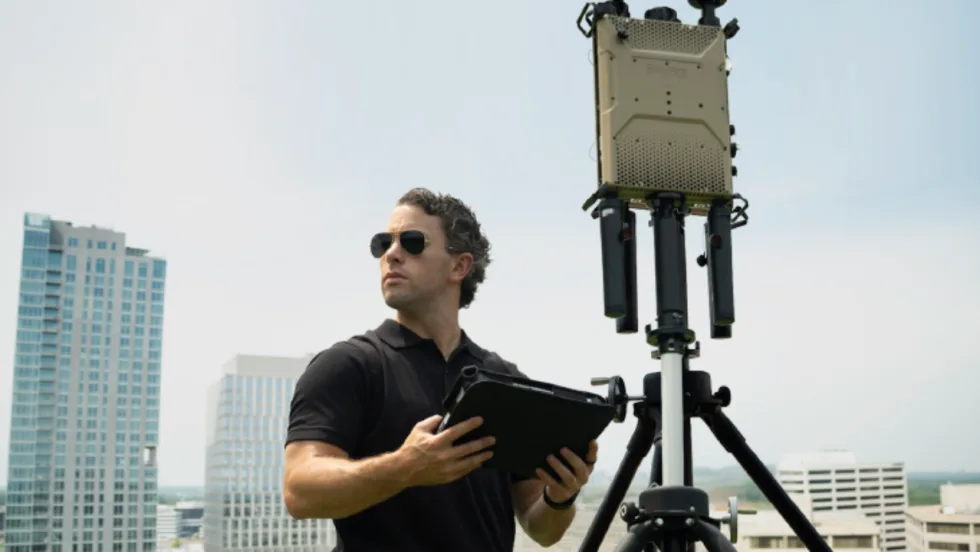
Motorola Solutions Completes Acquisition of D-Fend Solutions
Motorola Solutions has acquired D-Fend Solutions, an industry leader in counter-drone technology. This deal provides public safety and enterprise customers with access to advanced counter-unmanned aerial systems.
Read More →
ZeroEyes, Advantech & Camden Police Partner to Bring AI Gun Detection Technology to Delaware School District
ZeroEyes has partnered with Advantech and the Camden Police Department to deploy ZeroEyes’ AI gun detection and intelligent situational awareness platform at Delaware’s Caesar Rodney School District (CRSD).
Read More →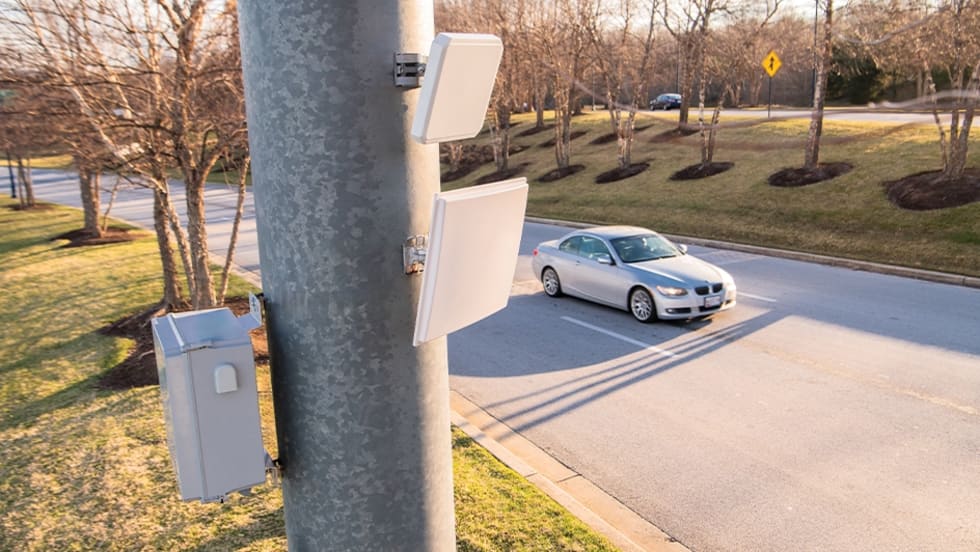
Leonardo U.S. Cyber & Security Solutions Introduces SignalTrace, the Next Evolution in Electronic Signature Detection Technology
SignalTrace reflects years of product refinement and a clearer expression of the technology’s purpose of recognizing and correlating electronic signatures in publicly broadcast wireless signals to reveal patterns, relationships, and trends that might otherwise go undetected.
Read More →
Pimloc Launches Secure File Sharing to Streamline Release of Redacted Video
Pimloc’s Secure File Sharing lets organizations deliver redacted video, audio, and documents through expiring, passcode-protected links, accelerating delivery while reducing security, compliance, and chain-of-custody risks.
Read More →