



New Orleans PD's Crisis Unit
The Crisis Unit, manned by mental health technicians, provides the department with a team of specially trained civilians who have years of experience with the mentally ill.

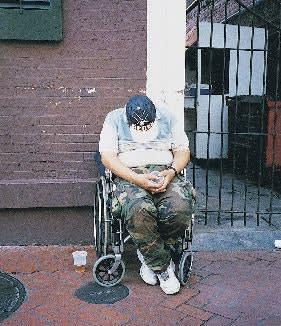
You see them on the street every day. But if you look past their rags and vices, can you determine the real problem?
For the law enforcement community, calls for service involving the mentally ill have increased dramatically over the past 10 years. This increase is a product of numerous factors, such as the closing down of large state mental hospitals, reductions in insurance coverage and reductions in funding for mental health services. Because of this increased exposure between police and mental patients, police must become more sophisticated in their approach to the mentally ill (Wellborn, 1999).
Help on the Street
The New Orleans Police Department has dealt with disturbances involving the mentally ill through creation of its Crisis Unit and the use of mental health clinicians as advisers. The Crisis Unit, manned by mental health technicians, provides the department with a team of specially trained civilians who have years of experience with the mentally ill. The NOPD has also increased academy training in this area, using these same mental health clinicians as instructors.
It is very possible that the reduction in SWAT rolls (from 26 in 1995 to nine in 1998) is due to these efforts. Subjects successfully removed to a hospital by the Crisis Unit or a district unit do not become SWAT rolls.
The purpose of diagnosing the mentally ill is not only to match the proper treatment with the correct disorder, but to predict behavior. It is this second goal that can be invaluable to law enforcement officers in the field.
The NOPD, through its SWAT and Crisis Team, has established simple guidelines for field diagnosis to help the on-site SWAT commanders, negotiators, officers and crisis technicians make accurate predictions of a subject's behavior. This helps to establish safer, more effective approaches and procedures.
Diagnosing the mentally ill remains an arduous task, no matter what the setting. But since 1980, due to major advancements, diagnoses have become more accurate, reliable and useful in predicting behaviors (Maxman and Ward, et al, 1995).
A review of SWAT rolls since 1994 shows that the majority of calls for service can be narrowed down to three major diagnostic categories:
Schizophrenia, a severe, chemically based thought disorder, is described by the Diagnostic and Statistical Manual IV (DSM-IV) as "a set of behaviors that include delusions, hallucinations, disorganized speech and grossly disorganized or catatonic behaviors."
Bipolar disorder is described in the DSM IV as evidenced by "distinct periods of abnormally and persistently elevated, expansive or irritable mood." During this period, according to the manual, the subject will be more talkative than usual, exhibit inflated self-esteem or grandiosity, decreased need for sleep, flight of ideas, distractibility and excessive goal-directed activities that have negative consequences because they are very quick to anger.
Personality disorders, on the other hand, are ingrained, enduring patterns of behaviors, feelings and thoughts. Typically, a subject with personality disorder will be functioning at a higher level than someone with either schizophrenia or bipolar disorder. For instance, most individuals with personality disorders do not require or benefit from hospitalization. In the strictest sense, even the most severe personality disorders are not psychotic. They may be very hostile and dangerous, even suicidal or homicidal, but they are not suffering from hallucinations or complete breaks with reality. However, because these individuals do not seem to benefit from medications or therapy, they continue to come in contact with the police. Because of their high level of functioning and low reliance on medications, personality disorders may be difficult to identify.
Police Interaction and Field Diagnosis
The easiest way to diagnose a subject in the field is to find out if the subject is on any medications. This can be done by asking the subject or family members what medications the subject is taking. Like any illness, certain disorders are treated with particular medications. Common medications used to treat schizophrenia are Haldol, Resperidol, Clozoril, Prolixin and Chlorpromazine. Prolixin and Haldol can be injected.[PAGEBREAK]
The medications used to treat bipolar illness are Lithium, Tegretol, Klonopin and Depakote.
Personality disorders, as mentioned above, do not respond well to medications. If extreme behaviors are observed and there is no history of psychiatric hospitalization or medication (except for possibly antidepressants) a responsible guess of personality disorder can be made.
Schizophrenic and bipolar subjects behave differently when confronted by the police. Individuals suffering from schizophrenia do not like the feeling of being out of control or having to depend on someone to assist them. However, when approached with a firm, compassionate show of force, these subjects tend to comply with reasonable requests for security and safety. They may say, "Do what you have to do," which translates to "Rescue me; help me to be safe." When more aggressive methods have to be used, such as .12-gauge bean-bag rounds or pepper spray, these subjects submit very rapidly.
In contrast to this, individuals with bipolar illness may enjoy their manic or depressed phase. Their statements will be more like, "Go away, this does not concern you!" or "Just try and stop me!" Their resistance may be both verbal and physical in nature. A large show of force does not intimidate them; it may in fact give them a sense of power or resolve. More aggressive methods, such as use of bean bag rounds, may actually aggravate bipolar subjects to the point of attempting suicide. This may be an attempt to show the police that no one can control them. The use of pepper spray also appears to have little or no subduing effect, and may also aggravate the situation.
Individuals who suffer from a personality disorder will respond to reason more rapidly than a bipolar subject.
Conclusion
With the continued closing of the large state mental institutions and the redirection of funds for mental health services, the numbers of individuals who require direct police intervention will continue to increase. Police departments must continue to educate and train their personnel so that they can handle these calls for service in a safe, professional manner.
New Orleans Police Dept. Crisis Unit At A Glance
Mental health techs: 45
Avg. Crisis Unit calls per year: 1,500
SWAT rolls from 1994 to 2000:
Personality disorder (47.62 percent)
Bipolar disorder (30.95 percent)
Schizophrenia (19.05 percent)
For more information: (504) 861-3053
References
Sgt. Benjamin J. Glaudi, NOPD Crisis Unit.
George Winokur, M.D., Mania and Depression: A Classification of Syndrome and Disease, W.W. Norton and Company, 1991.
Jerrold S. Maxmen and Nicholas G. Ward, Essential Psychopathology and Its Treatment (Second Ed.). The Johns Hopkins University Press, 1995.
Det. Dominick J. Misino, Crisis Negotiation Training, Public Agency Training Council, 2000.
Jeff Wellborn,"Responding to Individuals with Mental Illness," FBI Law Enforcement Bulletin, Nov. 1999.
The authors of this article are: James B. Arey, Ph.D., NOPD Crisis Unit; Ronal W. Serpas, Ph.D. NOPD Chief of Operations; E. Mitchell Weatherly, NOPD Crisis Unit; Randell Powell, NOPD Crisis Unit
The authors work together as a team on the New Orleans Police Department Crisis Unit.
More Patrol
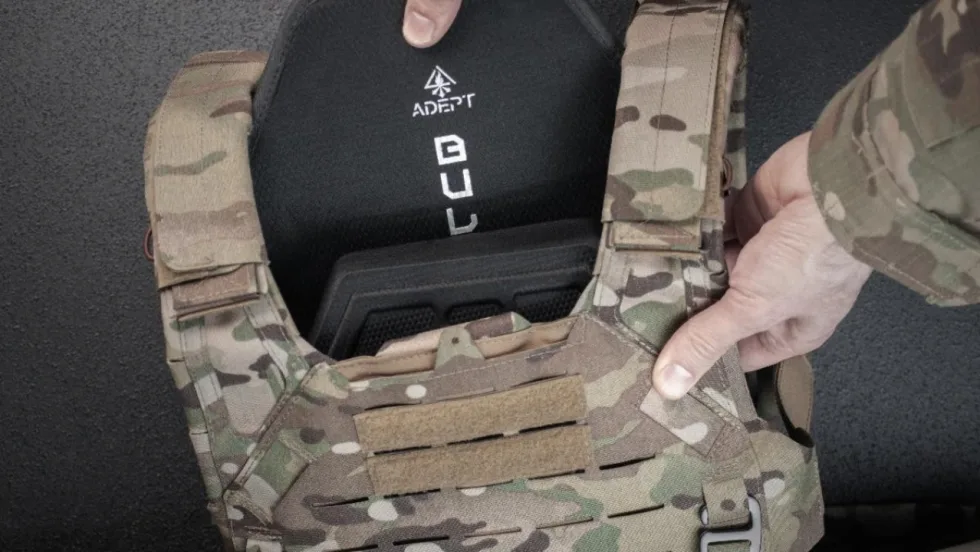
Adept Armor Introduces Two New Rifle Plates
Adept Armor has launched two new Level IV ballistic plates, the Emperor and the Archon Mark 2, which brings Adept Armor’s new Quatroid ceramic to the high-threat, performance-value center of the range at 5.2 pounds.
Read More →
POLICE Product Test: Benchmade Bailout
The Benchmade Bailout is a slim, lightweight carry knife with a deep-ride pocket clip and comes in a variety of blade steels and scales. Here is a detailed review of the Taiga Green Bailout, released earlier this year.
Read More →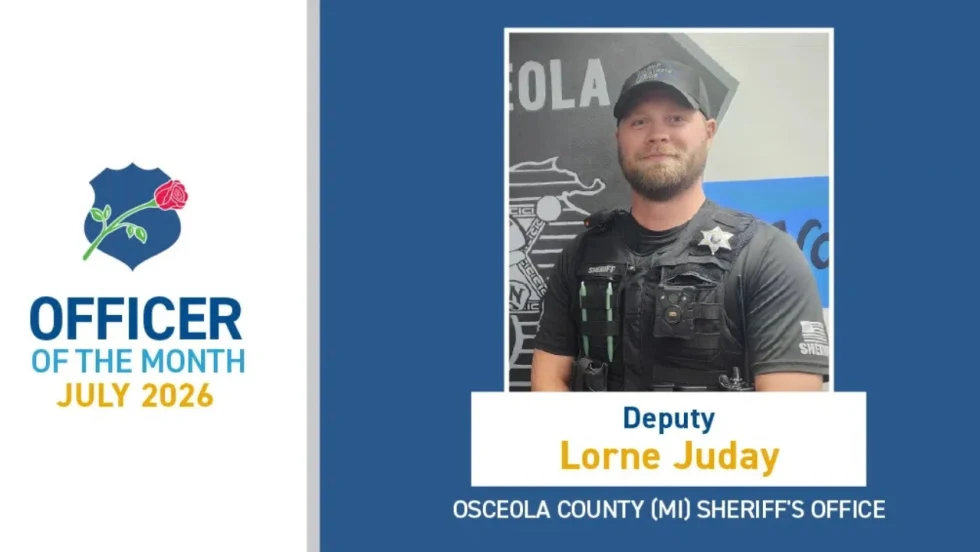
NLEOMF Announces July 2026 Officer of the Month
NLEOMF honored a Michigan deputy sheriff as the July 2026 Officer of the Month for rescuing a trapped driver from a burning vehicle following a Fourth of July crash.
Read More →
Streamlight to Showcase Newest Lighting Products at National Safety Council’s Safety Congress & Expo 2026
Streamlight will showcase its latest lights, including the Portable Scene Light III and the LiteBox 1Million, at the 2026 National Safety Council (NSC) Safety Congress & Expo.
Read More →
The 2027 World Police & Fire Games Set for Perth, Australia
The 2027 World Police & Fire Games (WPFG) will take place in Perth, Western Australia, from Friday, March 12 through Sunday, March 21, 2027.
Read More →
5.11 Partners with National Fallen Firefighters Foundation to Support #ForThe343
5.11 has joined the nationwide movement honoring the 343 New York City Fire Department firefighters lost on Sept. 11, 2001.
Read More →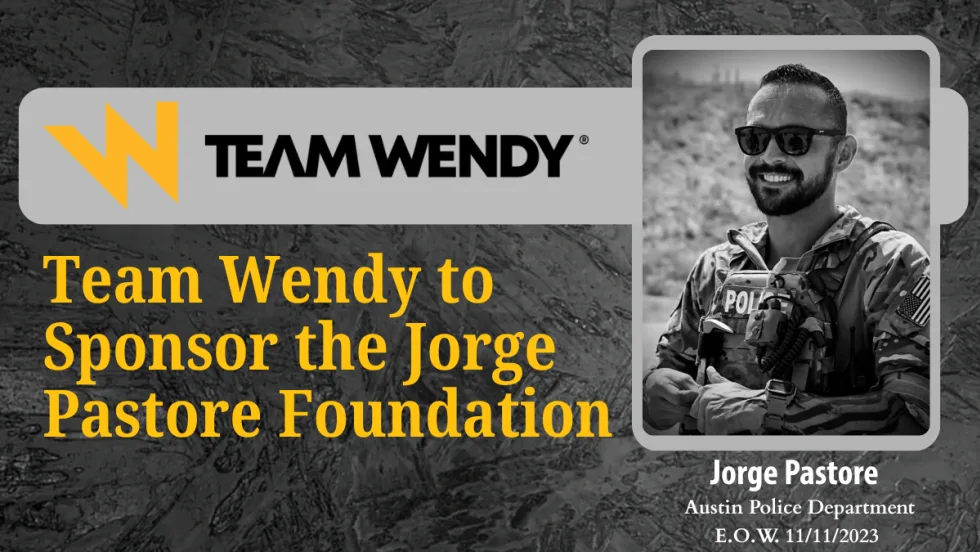
Team Wendy Announces Title Sponsorship of the Jorge Pastore Foundation
Team Wendy’s 3-year partnership with the Jorge Pastore Foundation expands access to programs that strengthen those who serve.
Read More →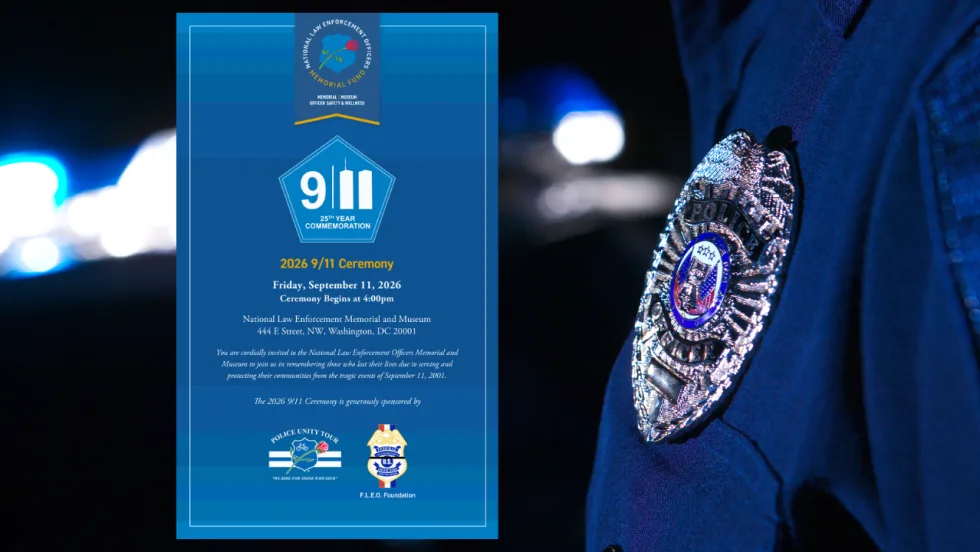
National Law Enforcement Memorial and Museum Hosting 9/11 25th-Year Commemoration Ceremony
The National Law Enforcement Memorial and Museum is hosting a 9/11 25th Year Commemoration Ceremony on Sept. 11 at 4 p.m.
Read More →
National Law Enforcement Officers Memorial Fund Announces June 2026 Officers of the Month
The National Law Enforcement Officers Memorial Fund (NLEOMF) named 15 officers of the Chico Police Department (California) as the Officers of the Month for June 2026 for their roles in responding to an active-shooter incident at a public library.
Read More →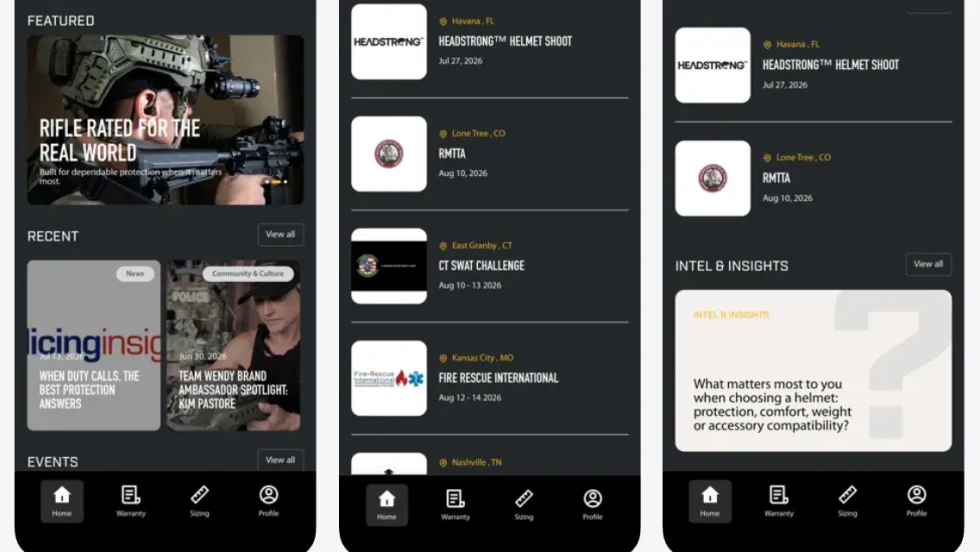
Team Wendy App Creates New Digital Hub for Helmet Owners
The Team Wendy Community App provides one location for warranty registration, size-fit tools, product updates, and community connection. For helmet owners, the new app creates a simpler path to the information and tools that matter most.
Read More →