



Morphix Chameleon Chemical Detection Kit
Morphix Technologies developed its multi-threat chemical detector called the Chameleon for the military, and then repurposed it for public safety.


Photo: Morphix Technologies
Back in 2005, the U.S. military needed a tool that wasn't in its arsenal. Command was sending troops out to shut down Iraq’s chemical plants for fear the contents could be used by insurgents, but there was no quick, inexpensive way for the troops to detect hazardous chemical spills. There were plenty of detection systems to notify soldiers and Marines of deadly concentrations of nerve gas but not dangerous concentrations of industrial chemicals.
That's when the military approached Virginia Beach-based Morphix Technologies asking for a solution. At the time Morphix was primarily focused on making chemical detection systems for industry.
Morphix repurposed its color-change alert material into an easily used multi-threat detector called the Chameleon that could be strapped onto the arm of a warfighter. And the military had a new tool.
Very quickly, management at Morphix realized that there might be other markets for the Chameleon, including public safety. Unlike a lot of tools developed for the military, the Chameleon was not cost prohibitive. So public safety agencies could afford it.
And they needed it. The rise of amateur methamphetamine production nationwide and transportation of hazardous materials was placing cops and firefighters in more and more situations where they were being exposed to toxic chemicals on the job.
"Any police officer could be the first one to respond to an accident where a tractor-trailer is tipped over and it's leaking," says Kimberly Chapman, senior vice president of sales and marketing for Morphix Technologies. "Most of these officers don’t have any kind of chemical detection equipment. Agencies can't afford to give them $10,000 chemical detection units that sit in the trunks of their cars and may never be used."
Agencies can buy an awful lot of Chameleon units for $10,000. Chapman says list price for the basic Chameleon kit, including the armband and enough cassettes for five incidents, is $195.
The Chameleon is also very easy to use. Chapman says any officer can learn how to set up and monitor the Chameleon by watching a six-minute video. In addition, the company has just developed a new training kit to meet customer demand.
"When we would go in to speak with clients, the first thing they would ask us would be: 'Do you have anything that will set these off so we can show our officers what to look for?'" says Chapman.
That left Morphix with a problem. There was really only one way to demonstrate the color-change alert technology of Chameleon cassettes and that was to expose them to chemicals. But releasing chemicals in a training room at the concentration needed to trigger the color change is not a good idea.
"You'd stink up the room or you'd put the officers in an environment that would be unpleasant, even if it wasn't toxic," Chapman says. "We wanted something more low key that would show how the Chameleon actually works but not put people at risk or be a process that would require a half day to set up."
Morphix decided the solution was to create a training cassette that would react to being exposed to smelling salts, ammonia hydroxide. All the instructor has to do is snap open an ampule of smelling salts and wave it under the training cassette to show the students the color change. The training kits are now available. Chapman says the price per training cassette is about $3.
The Chameleon is not intended to replace more sophisticated chemical detection equipment used by hazmat teams, according to Chapman. That was never Morphix's goal for the technology.
"It gives a huge level of protection to first responders who just need to know if a toxic chemical is present," she says. "If it is present they can get out of there and call hazmat. They don’t need to know the exact concentration. The goal is to prevent them from getting exposed and injured."
More Technology

A police agency's guide to data-driven fleet management
Costs are rising and the public expects more transparency into how their tax dollars are spent. This e-book shows how police agencies can use fleet data to take control of fleet expenses while improving officer safety and demonstrating fiscal responsibility to the communities they serve.
Read More →
AI and analytics for law enforcement: Turning data into insights
Law enforcement agencies are managing more video, sensor data and digital evidence than ever before. Discover how AI and analytics can help turn that data into actionable insights that strengthen situational awareness, accelerate investigations and support more informed decisions.
Read More →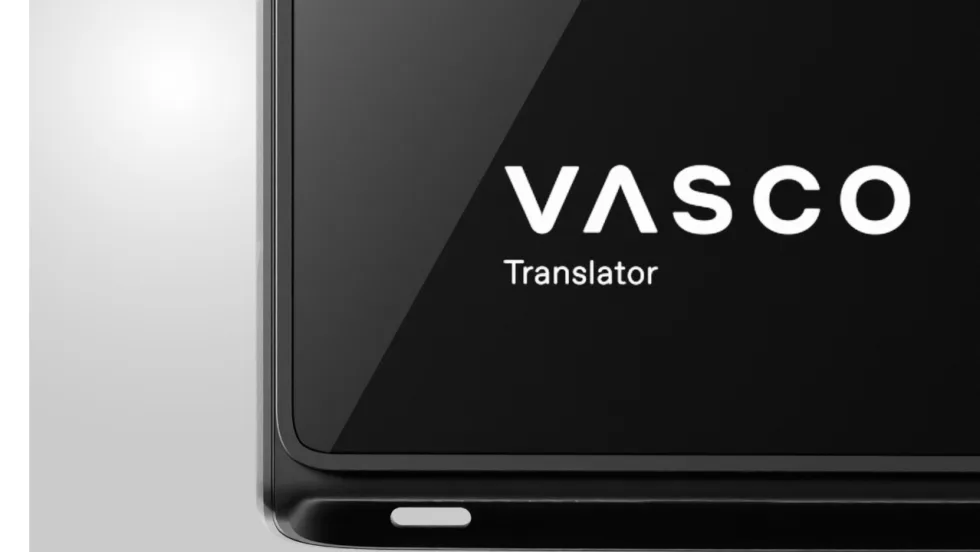
Vasco Electronics Adds Automatic Language Detection to Vasco Translator Q1
Vasco Electronics’ software update introduces hands-free language switching and expanded offline translation across 45 language pairs, empowering law enforcement, healthcare, and front-office enterprise teams
Read More →

North Miami Police Department Deploys Mark43
The North Miami Police Department has deployed Mark43 as part of its Five-Year Strategic Plan that represents its collective vision and goals for a more proactive police department, anchored by a core commitment to leveraging modern technology to enhance efficiency and public safety.
Read More →
Cellebrite Genesis for Enterprise Now Generally Available
Made available to the public sector in June, Cellebrite Genesis is serving a growing mix of national, regional, and local agencies worldwide, including some of the largest regional and metropolitan police departments. It is now available for enterprise organizations.
Read More →
2026 Vision FirstNet Users Summit to Host Emerging Leaders Training on Grassroots Advocacy for Public Safety
“Emerging Leaders Training: Understanding the Importance of Grassroots Advocacy for Public Safety," a session during the 2026 Vision FirstNet Users Summit, will offer a roadmap for unified advocacy at the federal level.
Read More →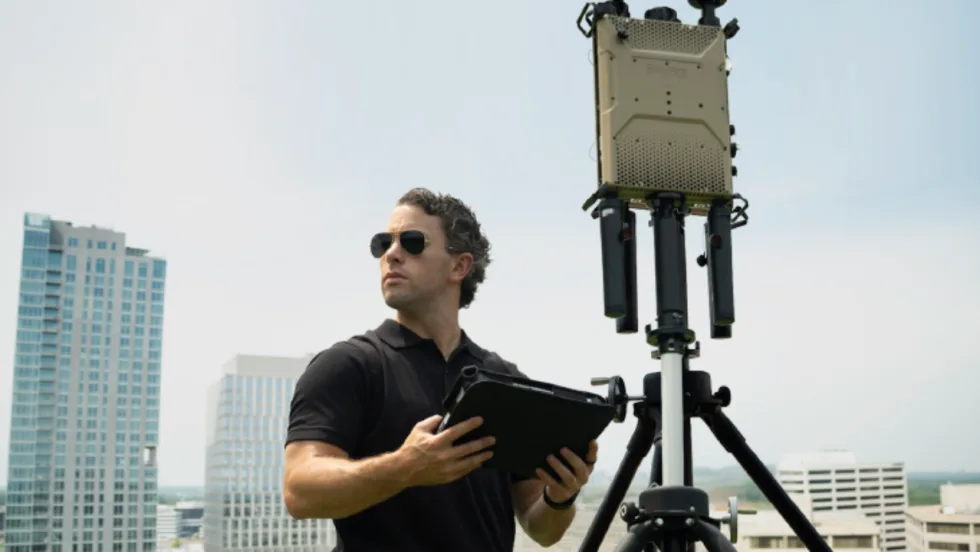
Motorola Solutions Completes Acquisition of D-Fend Solutions
Motorola Solutions has acquired D-Fend Solutions, an industry leader in counter-drone technology. This deal provides public safety and enterprise customers with access to advanced counter-unmanned aerial systems.
Read More →
ZeroEyes, Advantech & Camden Police Partner to Bring AI Gun Detection Technology to Delaware School District
ZeroEyes has partnered with Advantech and the Camden Police Department to deploy ZeroEyes’ AI gun detection and intelligent situational awareness platform at Delaware’s Caesar Rodney School District (CRSD).
Read More →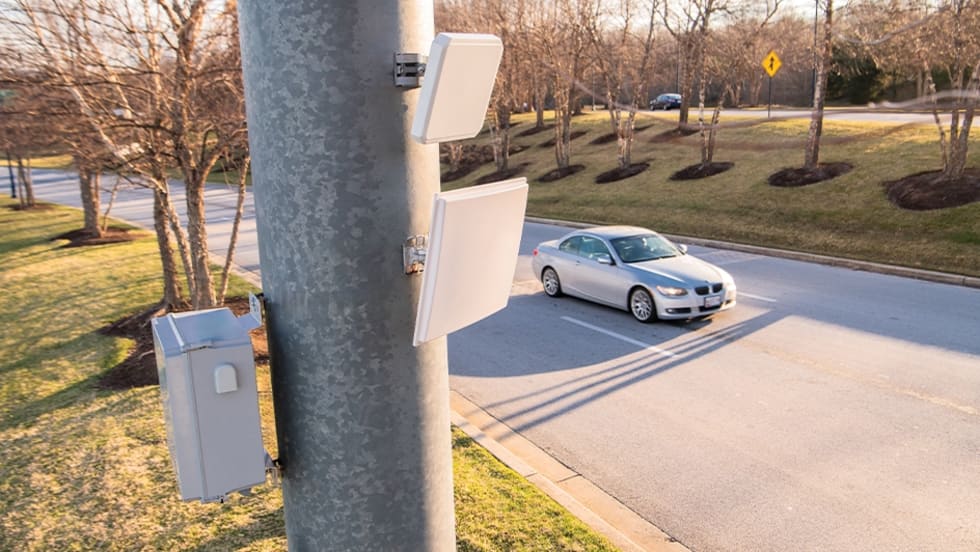
Leonardo U.S. Cyber & Security Solutions Introduces SignalTrace, the Next Evolution in Electronic Signature Detection Technology
SignalTrace reflects years of product refinement and a clearer expression of the technology’s purpose of recognizing and correlating electronic signatures in publicly broadcast wireless signals to reveal patterns, relationships, and trends that might otherwise go undetected.
Read More →
Pimloc Launches Secure File Sharing to Streamline Release of Redacted Video
Pimloc’s Secure File Sharing lets organizations deliver redacted video, audio, and documents through expiring, passcode-protected links, accelerating delivery while reducing security, compliance, and chain-of-custody risks.
Read More →