



Making the Grade/Making the Transition
A few months ago, I started working as an investigator. I had some 20 years of experience on patrol. But the move was still a challenge, as I was basically thrown into a sink-or-swim situation.

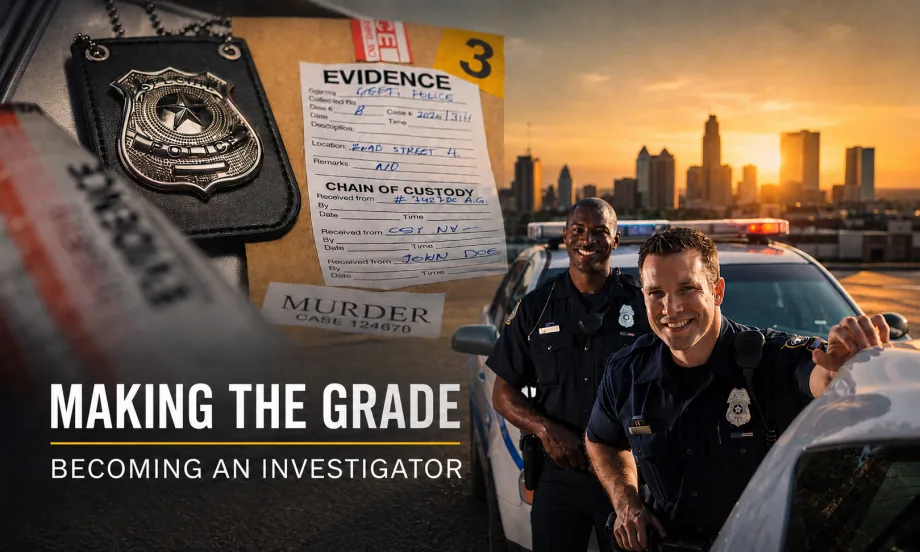
If you are one of the many young patrol officers who dream of someday working in plainclothes, here is a look at the experiences of a new investigator from someone who went on to a successful career in law enforcement.
POLICE | Image edited with OpenAI
- The author recently transitioned from a 20-year patrol career to a new role as an investigator.
- Despite extensive experience in law enforcement, the shift to investigation presented considerable challenges.
- The author faced a "sink-or-swim" scenario, highlighting the demanding nature of the new position.
*Summarized by AI
Editor's Note: This was originally published in 2007, but the author shares his experiences as a new investigator and lessons that are timeless for other officers moving from patrol to investigations.
Author's Note: Many agencies have different detective grades and ranks such as Detective Specialist or Detective Investigator. For the purposes of this article, I will not discriminate between ranks or titles. The focus will be on the individual who has left patrol to work an investigative unit, regardless of rank.
A few months ago, I started working as an investigator. I had some 20 years of experience on patrol. But the move was still a challenge, as I was basically thrown into a sink-or-swim situation.
If you are one of the many young patrol officers who dream of someday working in plainclothes, I offer the following look at my experience on the job—including mistakes that I made—to help you make the transition from patrol officer to investigator.
If you ask all the stupid questions early in a situation, people generally won’t begrudge you at that time because you’re expected to be ignorant.
It is usually assumed that the newly assigned investigator possesses the requisite work foundation to conduct field investigations and document findings. No doubt, the new investigator has had experience procuring evidence necessary for court appearances, consulting with district attorneys, and testifying in a multitude of criminal cases. But if you have not actually filed a criminal case in court, you may have your work cut out for you should you become an investigator.
I certainly did.
This was just one of the eye-openers that came with my assignment to the detective bureau. Having spent three-fifths of my career as a patrol supervisor, I wasn’t exactly a blank slate when it came to investigations.
But when it came to the administrative end of the judicial system—that niche where cases are filed or rejected, continued or dismissed, argued or bargained, and sometimes even adjudicated—my exposure had been largely what I had heard from other officers. Sure, I’d had peripheral involvement in cases between the time I dropped off reports and answered subpoenas. But when it came to getting cases filed, somebody else had “been there, done that.”
Perhaps that is one reason why I felt apprehensive upon receiving word of my transfer to detective bureau. Once there, the buck would stop with me.
Going in, I had a couple of things in my favor. First, I had a reasonably good relationship with the bureau investigators, a vast majority of whom I had previously worked with on the patrol side.
Perhaps more importantly, I let them know that I would not be shy about asking stupid questions. This is a piece of advice often given and rarely acted upon. If you ask all the stupid questions early in a situation, people generally won’t begrudge you at that time because you’re expected to be ignorant. They may begrudge you later should you ask such questions when you’re expected to be more knowledgeable.
For their part, the investigators were willing and oft times capable of answering my myriad questions. In reviewing the scant training literature I was provided, I found policies that weren’t being adhered to. Little things like the handling investigator’s responsibility to white out victims’ names on some copies of reports. “Oh, we haven’t done that for years; the secretaries do that,” was the response I received to that stupid question. As in patrol, there was policy…and there was reality.
Check Case Packets Awaiting Court Delivery
The veteran detectives were very helpful, but it didn’t take me long to realize that the time they spent assisting me came at the expense of their own work.
And so one of my earliest investigations required me to put together a fileable case and present it. I’m not in the habit of reinventing the wheel, so I cheated.
Whenever the opportunity presented itself—usually long after everyone else had called it a day—I riffled through completed case packets that were awaiting court delivery the next morning. I took the cases apart, being mindful of where the documents were in relation to one another, then put them back in the same order.
By deconstructing each case, I hoped to divine what magical steps the investigator had taken, in what order, and why. Sometimes, they put the paperwork in the order the pieces were received and processed; other times, by information density. But there was consistent logic at work.
Also, when unwary court deputies made their rounds to pick up the cases, I asked them what increased the likelihood of getting a case filed. They told me that the most viable cases included multiple witnesses, videotape, or photos of the crime scene or victim, evidence held, and/or a suspect confession. Deal breakers included absence of evidence that should have been collected; one-on-one allegations that could have easily been corroborated but weren’t; and/or narratives that lacked so much as the details of the alleged crime.
Might Feel Like a Clerk with a Badge
The court deputies’ advice really helped, but it didn’t provide me with the complete picture. I also had to learn about the idiosyncratic expectations of the district attorney’s office: things that had little to do with what was objectively fileable and everything to do with making their jobs easier. For example, domestic violence cases wouldn’t get filed unless certain kinds of photographs were presented; under-the-influence cases sat unmolested if they lacked suspect admissions.
Perhaps the thing that confounded me most was the clerical responsibility. Piles of forms were required for each case filing, depending on the number and types of charges, as well as the ages of the subjects arrested. A person could create a wall-size matrix detailing every set of obligatory paperwork and still not cover all the bases. Sometimes I felt like a clerk with a badge.
Paperwork Mistakes that Require Corrections
The confusion over paperwork was widespread. At least 70 percent of the juvenile-related cases I reviewed had mistakes that required corrections—most often at the hands of the officer who’d made the initial arrest—always at the expense of my own time and nerves.
Once you become an investigator, you’ll never have a shortage of mysteries. Sloppy cops are only too happy to give you some. Between the lines of documented reports, I have discovered undocumented charges that would have put my cases under another investigator’s radar. I have even found stuff that’s been kissed off, tossed in, or left out.
Thankfully, I have also received a fair number of cases in which the first responders paid conscientious attention to detail. These prescient patrol officers knew what every detective comes to know: The primary focus should not be making an arrest but wanting to find the truth.
To this end, one thing you generally gain as an investigator is time. True, you’ll probably always have too heavy a caseload. But in prioritizing your work, you can devote the requisite attentions to exceptional cases. You can learn to be patient and methodical, to establish and maintain control through your manner as opposed to your authority. When you conduct interviews as an investigative officer, you do so in a better lit environment and with fewer distractions.
Many Warrants Go by the Wayside
Interrogations and interviews are the backbones of cases. True, some of the legwork often has been done for you, especially if your suspect is in custody. But you can further hedge your bet by exploiting opportunities not usually available to patrol officers.
You can dig deeper into the suspect’s back story and networks, developing a workup on him before you’ve even spoken with him. This can help to create a baseline for the suspect and help you determine whether the suspect is telling the truth when you do talk with him.
Keeping an open mind can keep you attuned to other possibilities. For example, in one lightweight “annoying phone calls” case that I worked, the suspect turned out to be a man who’d previously burglarized the victim’s house.
Obviously, the more intel you get, the greater the likelihood that you’ll lay the foundation for obtaining search warrants. Yet one thing that surprised me was the relatively low number of search warrants that are served.
Note, I said “served.” Many warrants are seen through to various points of completion, only to go by the wayside. Sometimes related operations protract investigative work to the point that by the time the warrant is ready for service, its intel is stale or some other agency has already hit the location. Quite often, it comes down to a matter of permissive searches acquired through the compliance of suspects or families.
Constrained resources might also have something to do with why some warrants are never served. The detective bureau that I work in has gone from 23 detectives down to 12. Yet through November of this year, we handled 800 more filings than over the same period last year. And no case is unimportant. If cases have to be worked, then even that time spent by one investigator handling a lightweight case frees up another investigator to handle something more significant.
Judges & District Attorneys Don’t Forget
Mistakes will be made. Don’t compound them by concealing them from the judges and district attorneys that you stand to work with in the future. Judges and district attorneys are the elephants of the justice jungle—they don’t forget.
Mistakes I’ve made generally involve clerical errors. I’m still wrestling with the endless combinations of forms required for various crimes. An investigation can wipe out whole parcels of forests.
I’m still learning and much of what’s been stated is testimonial as much to what I should have done in hindsight as to what I did with foresight. There is still much territory to explore. Quite simply, I haven’t “been there, done that.” I don’t know that I will ever be able to say that.
But hopefully, this experience-based primer will help you should you someday make the move from patrol officer to investigator.
Tips for the New Detective
- Dress for Success—If your assignment requires you to “dress down,” then do so convincingly. If not, then a dress shirt and tie are expected, so get noosed.
- Don’t Lose the Touch—Maintain contact with your street informants. With the added cachet of being a detective—and prospective miracle worker—you’ll expect more from them, and you’ll likely get it.
- Work the Case, Not the Arrest—The bar is set considerably higher on what you can get filed and what you can arrest for. Never settle for the latter.
- Learn Your Job—If your unit has a current (as in up-to-date) training program, take full advantage of it. It’ll streamline aggravations down the line. If it doesn’t, create your own by putting together sample packets. Make checklists of which reports and the number of each that are required for misdemeanor and felony filings and various courts, including juvenile cases.
- Protect Your Cases from the Mistakes of Others—A good investigator should be proactive in ensuring that first responders do as little damage as possible to a case. No officer likes to have people look over his shoulder. But if an officer has a track record of making mistakes to the detriment of the department’s mission, then the investigator should consider whether his presence might be warranted when it comes to crime scene containment, witness identification, evidence collection, etc.
- Network, Train, and Network Some More—Your investigative assignment can open the door to all manner of potential networks and assignment-specific forums; exploit them.
- Get as Much Pertinent Training as Possible—By trying to stay up with crime trends, you can anticipate changes in MO. Learn different interview/interrogation styles. Supplement your work with readings.
- Be Tech-Savvy—Besides those government databases routinely used during the course of investigations, commercial providers such as LexisNexis, Accurint, and CopLink can save you hours in your quest to get the goods on the bad guys.
- Build a Name—Establish a reputation so that when defense attorneys see your name as the investigative officer, they will tell their clients to take a deal.
More Investigations
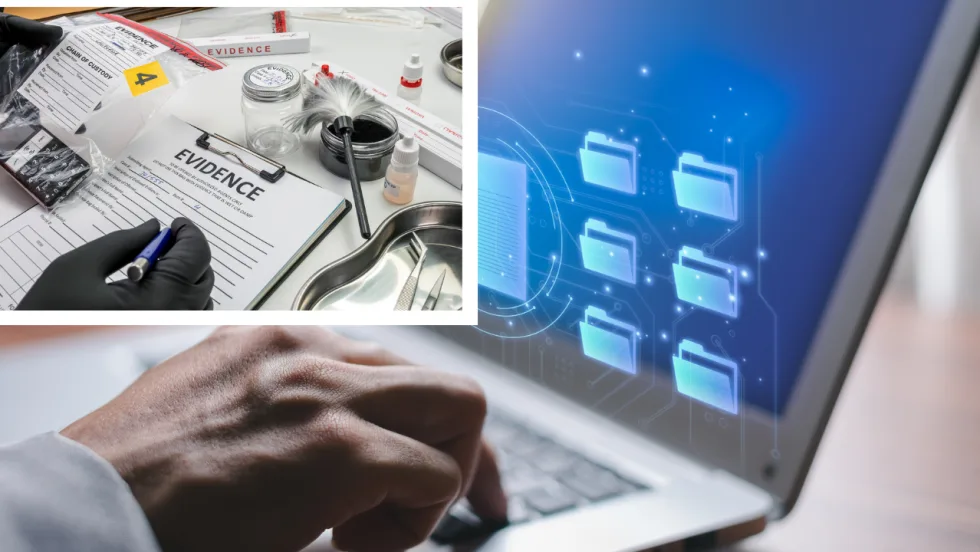
Asset Panda Helps LE Agencies Strengthen Chain of Custody & Evidence Accountability with Digital Asset Management
Asset Panda's cloud-based police asset management software provides agencies with a centralized digital system for tracking evidence, seized property, and law enforcement equipment throughout their entire lifecycle.
Read More →
The Vanishing Window: A Missing Person Report Is Not an Investigation
For years, law enforcement has worked to dispel the myth that someone must be missing for 24 or 48 hours before a report can be taken, but another problem gets far less attention. A missing-person report is not an investigation.
Read More →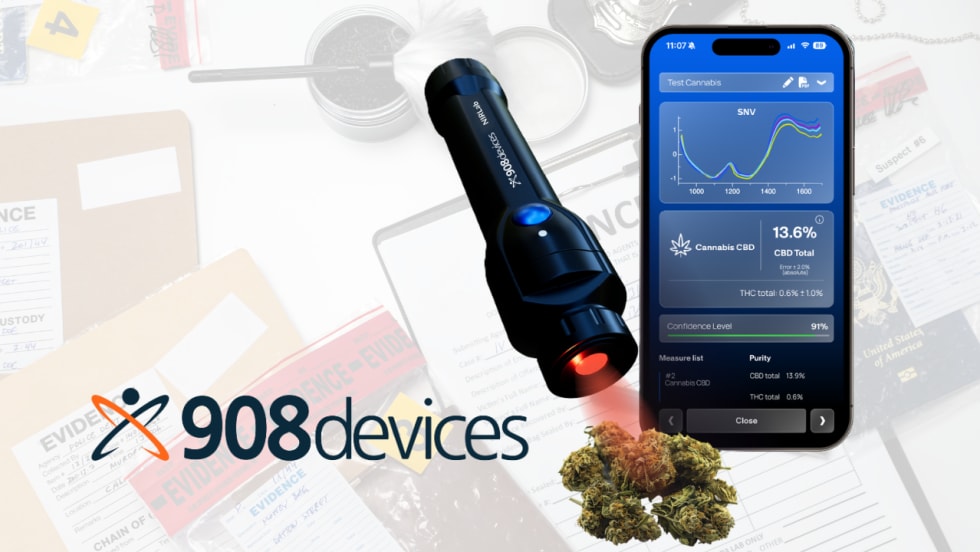
908 Devices Acquires NIRLAB AG, Expanding Its Narcotics Detection Portfolio
908 Devices has acquired NIRLAB AG, which delivers AI-powered, cloud-connected near-infrared (NIR) spectroscopy to perform handheld chemical analysis of narcotics in seconds.
Read More →
Veritone Launches New AI-Powered Assess Tool to Accelerate Public Sector Investigations, Audits & Compliance
Veritone has launched Veritone Assess, which helps public sector organizations uncover hidden discrepancies, policy violations, evidentiary gaps, and investigative leads across vast volumes of complex data.
Read More →
Fugitive Wanted in 1988 $1.3 Million Vault Heist Identified by FBI Laboratory
The FBI Laboratory Latent Prints Unit positively identified a man, who died in December, as the suspect wanted in the theft of $1.3 million in cash from an armored car service in 1988. He had previously been featured on Unsolved Mysteries and America’s Most Wanted.
Read More →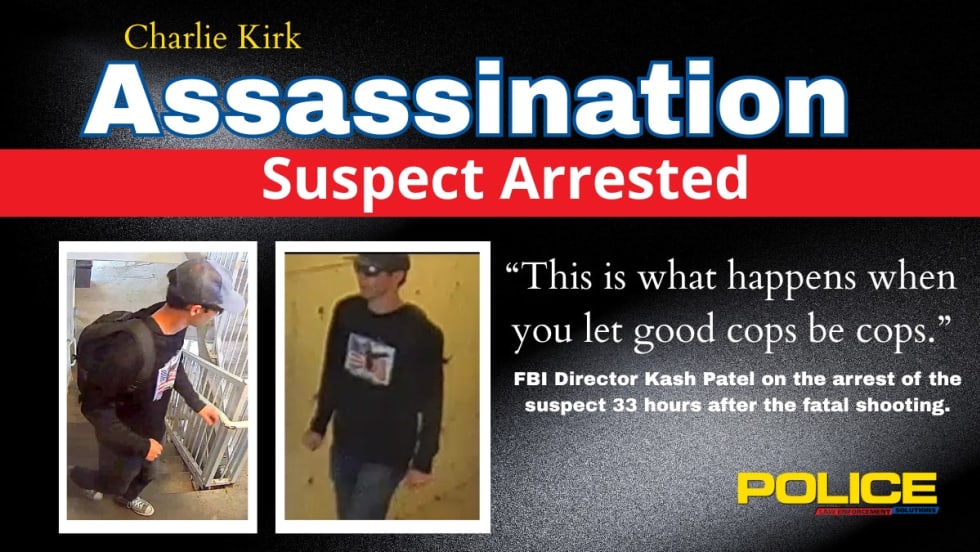
Suspect Arrested in Charlie Kirk Assassination
Authorities arrested a 22-year-old Utah man for the killing of Charlie Kirk just 33 hours after the assassination in what FBI Director Kash Patel called a historic time period. “This is what happens when you let good cops be cops,” Patel said.
Read More →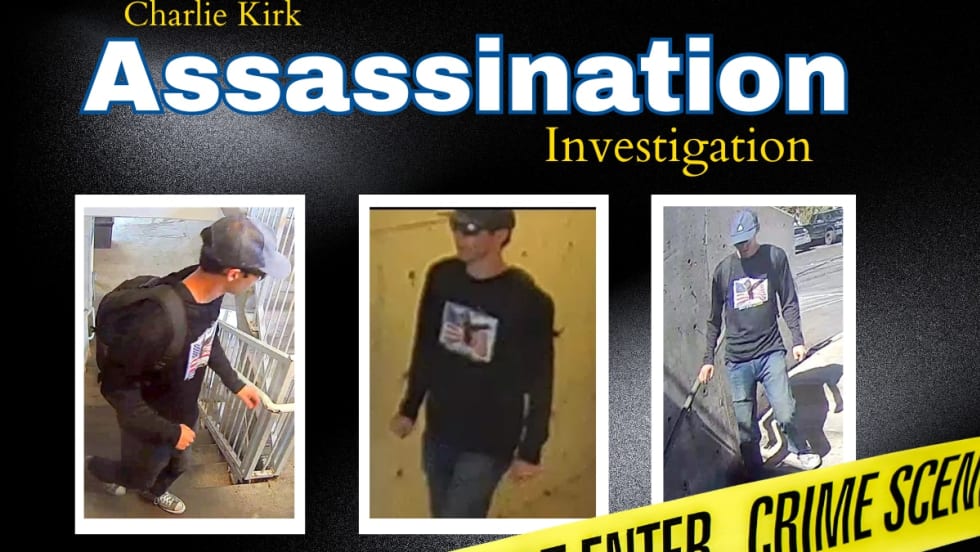
More Than 7,000 Tips Provided to Kirk Assassination Investigation
More than 7,000 tips were provided to the investigation by the day after the assassination of Charlie Kirk on a Utah college campus on Wednesday. The FBI has not received that much help from the public since the Boston Marathon bombings.
Read More →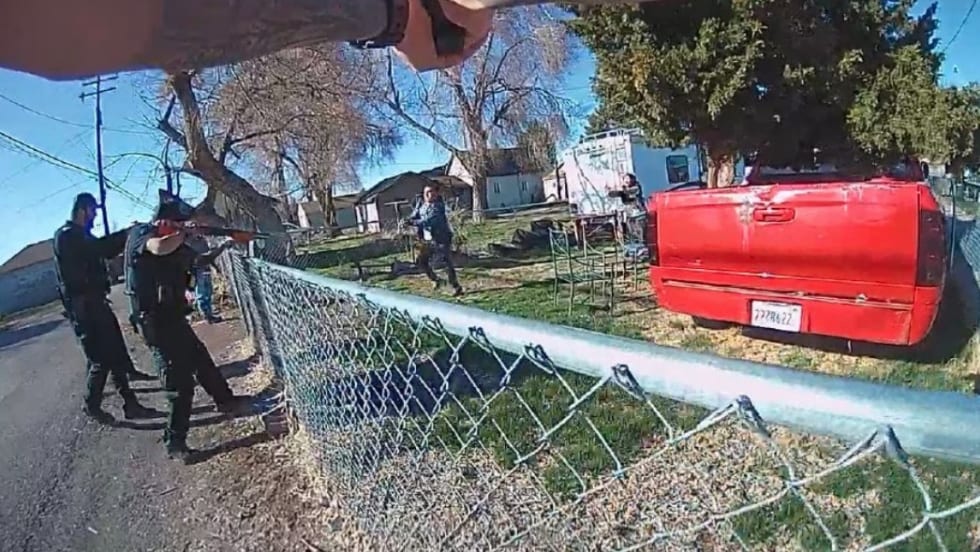
Idaho AG Will Not Pursue Charges Against 4 Officers Who Fatally Shot Nonverbal Autistic Teen Armed with a Knife
The Idaho Office of the Attorney General has concluded its investigation into the fatal officer-involved shooting that killed a 17-year-old teen who was armed with a knife. Officers did not know the teen suffered from developmental delays, autism, and other conditions.
Read More →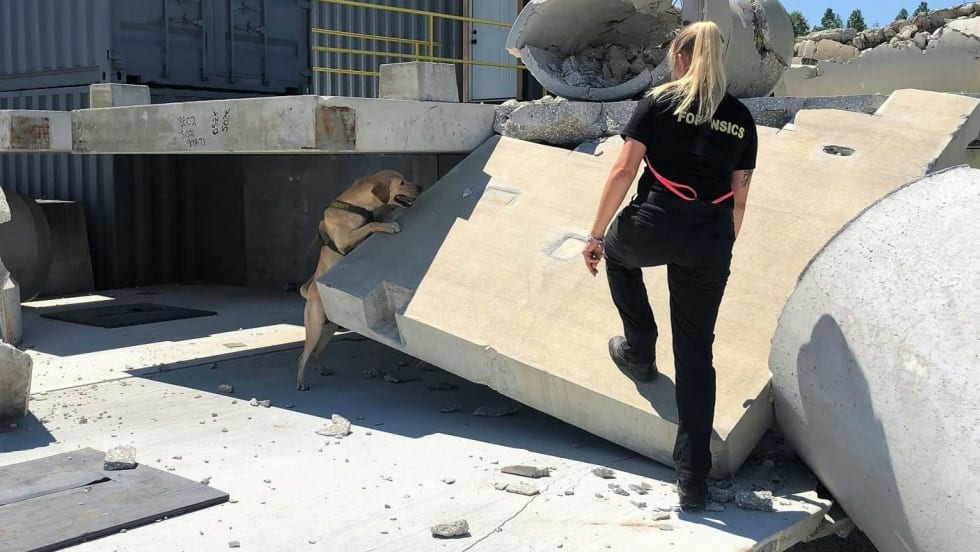
The Role of Forensics in Disaster Victim Identification
Heidi Sievers, of Columbia Southern University, explains disaster victim identification and how scientific work bridges critical gaps when visual recognition, one of the least reliable methods of identification, is rendered impossible by the conditions of the disaster.
Read More →
Crimes Against Children Detective Named June 2025 Officer of the Month by NLEOMF
The case began in March and culminated with multiple search warrants and arrests on June 10, 2025. This case ran between Virginia and New York with multiple victims throughout the United States.
Read More →