



Lighting The Way
More than 25 years ago I enlisted in the Air Force Reserve as a security policeman. Back then a duty light was the two “D” cell, right angle light. If you were able to track down the straight version, man you were on the cutting edge of light technology. It wasn’t long after I arrived back home to my unit that we got really high tech with the arrival of the Mag Lite. This was like introducing the centerfire cartridge to an infantryman.

More than 25 years ago I enlisted in the Air Force Reserve as a security policeman. Back then a duty light was the two “D” cell, right angle light. If you were able to track down the straight version, man you were on the cutting edge of light technology. It wasn’t long after I arrived back home to my unit that we got really high tech with the arrival of the Mag Lite. This was like introducing the centerfire cartridge to an infantryman.
In the past two decades we have seen lights shrink in size and put out more light than those we use to spot deer prior to hunting season here in western Pennsylvania.
With all of these changes and advancements, what’s an officer to look for in a light for duty? First, it’s important to define the mission of the light. A flashlight dedicated to a weapon should have different specs from one used solely for signaling. Because of these differences, we’ll limit the scope of this article to multi-use lights—the kind used by most officers that can be carried on your duty belt or on a vest in a pouch. Granted, many officers use more than one flashlight on duty. But when push comes to shove; there is one light that goes with us at all times.
Lights that fall into this “carry them all the time” category are offered by Inova, SureFire, Streamlight, DigiLight, Pelican, Laser Devices, Blackhawk Products, PentagonLight, and many others. These companies offer lights in many configurations: LED or xenon bulbs; powered by alkaline, lithium, or rechargeable batteries. Personal use duty lights have truly become as unique to the user as footwear.
If you opt to purchase a name brand light, you can’t go wrong. Knockoffs may be cheaper, but because they’re often of lower quality you’ll most likely be in the market for a new one soon.
The type of light you choose will be influenced by many factors. Do you need a light that has the ability to blind your opponent? Do the batteries have to offer you a long run time? Do you want the light to give you the option of being purely handheld or should it also be weapons mountable? The list of questions could easily equal the number of officers who read Police Magazine, so we’ll just stick to the basics.
Getting Started
The first thing that should be noted when buying a light for duty is its primary function. Even if it’s meant to be multi-purpose, your flashlight must meet your various duties, not those of another officer with a different detail.
If you work primarily where there are large areas to search, such as a warehouse or a field or down the street, a bright light is a must. If you work in the tight quarters of a house, parking garage, etc., you may want to consider a light with a bit less output. As I was told by my friend Walt Rauch—a fellow gun scribe, retired cop, and former Secret Service man—when using bright lights indoors, remember they will reflect off mirrors, metallic bangles, and china cabinets, blinding you and those behind you. This effect makes you and those with you useless until your eyes recover from this blast of white light.
If you need a duty light for your belt, I suggest any of the one-inch diameter two- or three-cell CR123A lights. These will be small enough to carry on your duty belt, yet won’t weigh a ton or be so large as to get in the way. The six- or nine-volt offerings are available in LED or any number of xenon halogen or other white light configurations.
Most of these lights put out an ample amount of light but, in some cases, it’s too much. Lights of the six- or nine-volt size have a lumen output of 60 to more than 150 lumens (lumens equals total energy output of a light; candle power equals the total brightness of the light). In rough terms a 65-lumen six-volt lamp provides enough light for me to clearly read the average team logo on a sweatshirt in the far corner of my yard, which is 40 yards from my door. This is enough light to see items in a subject’s hands and be able to tell the difference between a Motorola Razor and a Kel-Tec 9mm pistol.
LED vs. Xenon
The need for bright lights that use batteries economically has led to the development of LED lights. The LED lights of my twenties were great for lighting a wristwatch or the headlights of a model train, but not much else. These lights have progressed to being able to compete with many of the xenon bulbs; LED lights can’t match the distance of xenon. For most applications like clearing an average room, searching a 60-foot trailer or a vehicle, a high output LED will serve many users needs. The drawback to an LED light is the blue cast the light produces, but this is only a minor drawback. The LED lights overcome this with runtimes of two to four hours while a comparable xenon light will require more power in an hour. LED lights are supposed to burn for thousands of hours while the xenon-type bulbs are expected to last for a hundred hours or less.
LED lamps are very useful for searching and for target ID in close quarters. The tried and true xenon halogens put out a more concentrated light, making them more suitable for weapons lights. This concentration allows for target ID at longer distances.
With their many differences, it would be impossible to choose a favorite between the two new brightest types of flashlights. LED and xenon lamps work in unison and complement one another; neither is superior to the other.[PAGEBREAK]
Enhancing Brightness
For all of the talk about LED and xenon, the one thing that actually makes the new breed of lights so bright is the lamp and reflector assembly. Most of the lights we buy at the big box or “dollar” stores use generic lights that reflect off a silver colored plastic reflector. While great for finding a hammer in the tool shed, they’re not up to finding a perpetrator holed up in a house or yard.
Today’s duty lights use machined aluminum reflectors that are highly polished. This yields a full-field light beam, without dead zones. The result is a much brighter light efficiently using most all of the light produced by the bulb.
LED lamps use similar technology to capture all the light created by an LED. If you compare an LED light to a xenon halogen, the angles of the LED seem to be more acute, to more tightly focus the light. Inova uses a concentric machined lens to yield a very tight beam that rivals many xenon lights. SureFire uses a similar method of focusing the beam, but the reflector totally encapsulates the lamp, ensuring that all of the LED’s light is used. Whether you choose an LED or xenon unit, check the lens. Knockoff lights use cheap clear polymers that scratch, crack, and melt from the high heat these lights produce. You want a lens made of tempered glass or Pyrex for durability and resistance to melting.
Body Building
In the last few years a debate has erupted over the material that the light’s body is made from. Many lights are made from various aircraft grade aluminum alloys and are hard anodized, making them virtually indestructible. Like firearms, several lights are now made from polymers and are just as durable. Here, personal choice or agency policy will determine what you purchase.
I have found that most of the alloy-tubed lights are one inch in diameter. This means that your handheld light can double as a weapons-mounted light for a long gun with the purchase of a one inch scope ring and a weaver base. Several companies offer a base to mount a light through the ventilation holes in the forearm of an AR-style rifle. This adds to the versatility of your purchase, saving you a few bucks.
Batteries
Both LED and xenon halogen lights make nearly perfect duty lights. But they both have one problem: the need for a constant source of energy. Most of the six- and nine-volt lights use CR123A lithium batteries. These can get expensive, averaging two bucks per battery. The solution for this is to obtain a light that has rechargeable batteries. Rechargeable lights fall into two categories: those with a removable/rechargeable battery pack and those with built-in batteries.
Most of the rechargeable lights with built-in batteries recharge fairly quickly, and tend to be larger than those with removable batteries. With very few exceptions, these lights take “C” or “D” cells, which may be too large to comfortably carry on your duty belt. These lights generally have substantially longer runtimes than those with removable battery packs. Lights with internal battery packs can be left charging in your cruiser or wagon to ensure you have a serious light when needed. Like the lights with an internal battery, those with removable packs are easily charged in your vehicle or at the station and generally come with two packs, so you can have one charging and one in your light. I found that a nine-volt pack that has been completely drained takes about one hour to fully charge, some as long as two hours.
Which Switch?
The last item to consider when looking at a light for duty is the switch. Although this might seem unimportant, it will determine how you’ll use your light. “Tactical” lights usually have a rear cap pressure button. This facilitates use of the Rogers or Harris light technique. If you have a light with a body-mounted push button switch, the Ayoob method works well.
Either way, look at the cap or switch. Does it feel flimsy and cheap? Is the assembly sealed to ensure dirt and water won’t compromise the switch? If it’s a tail cap switch, is there a button lock-out so you won’t accidentally turn the light on while carrying it? If it’s a push-button switch, does it engage positively? If any of these are lacking, chances are that the light won’t hold up to duty use.
The Overall Package
When you roll all of these items into one light you arrive at the end product, a light for daily use. A light can be a tool to illuminate an area, identify a target, or even act as a less-than-lethal weapon if it’s bright enough to temporarily blind suspects. And I know I sound like a broken record, but I can’t stress this enough: Don’t go to a bargain store to buy a cheap light thinking it’s “just like major brand A.” It isn’t. If it were, the price tag would match.
Today, the abundance of lights available allows you to choose one to meet your mission requirements. If you pick up any current law enforcement supplier’s catalog, there are pages of lights. Hopefully the information in this article will help you sort out which will best work for you. For more specific details check out manufacturers’ Websites and visit online forums where you can discuss particulars with other officers. With a little homework you will soon be a lighting technology guru.
More Patrol
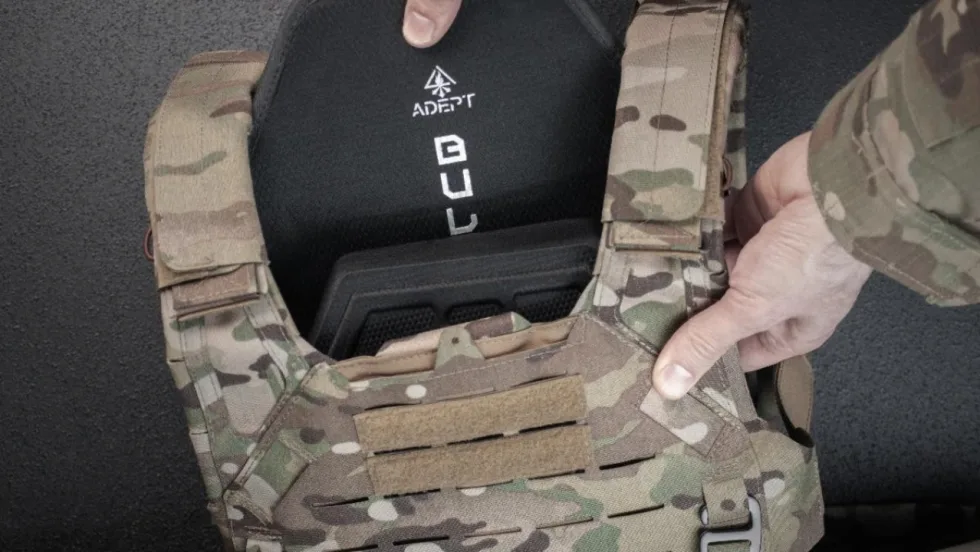
Adept Armor Introduces Two New Rifle Plates
Adept Armor has launched two new Level IV ballistic plates, the Emperor and the Archon Mark 2, which brings Adept Armor’s new Quatroid ceramic to the high-threat, performance-value center of the range at 5.2 pounds.
Read More →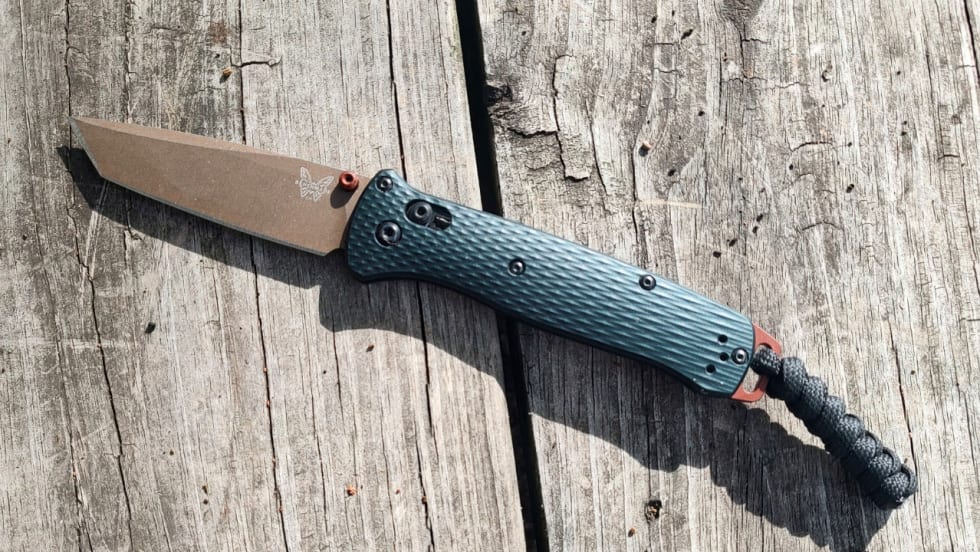
POLICE Product Test: Benchmade Bailout
The Benchmade Bailout is a slim, lightweight carry knife with a deep-ride pocket clip and comes in a variety of blade steels and scales. Here is a detailed review of the Taiga Green Bailout, released earlier this year.
Read More →
NLEOMF Announces July 2026 Officer of the Month
NLEOMF honored a Michigan deputy sheriff as the July 2026 Officer of the Month for rescuing a trapped driver from a burning vehicle following a Fourth of July crash.
Read More →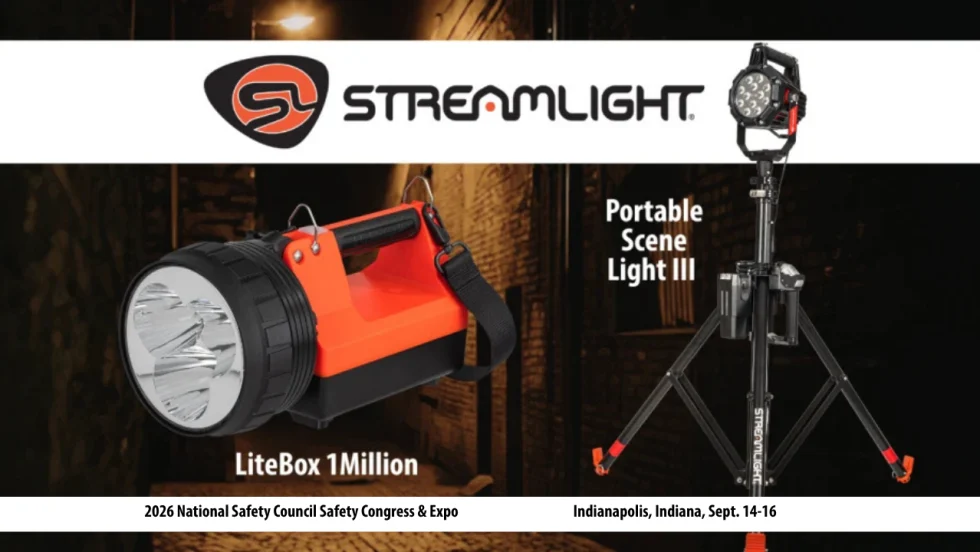
Streamlight to Showcase Newest Lighting Products at National Safety Council’s Safety Congress & Expo 2026
Streamlight will showcase its latest lights, including the Portable Scene Light III and the LiteBox 1Million, at the 2026 National Safety Council (NSC) Safety Congress & Expo.
Read More →
The 2027 World Police & Fire Games Set for Perth, Australia
The 2027 World Police & Fire Games (WPFG) will take place in Perth, Western Australia, from Friday, March 12 through Sunday, March 21, 2027.
Read More →
5.11 Partners with National Fallen Firefighters Foundation to Support #ForThe343
5.11 has joined the nationwide movement honoring the 343 New York City Fire Department firefighters lost on Sept. 11, 2001.
Read More →
Team Wendy Announces Title Sponsorship of the Jorge Pastore Foundation
Team Wendy’s 3-year partnership with the Jorge Pastore Foundation expands access to programs that strengthen those who serve.
Read More →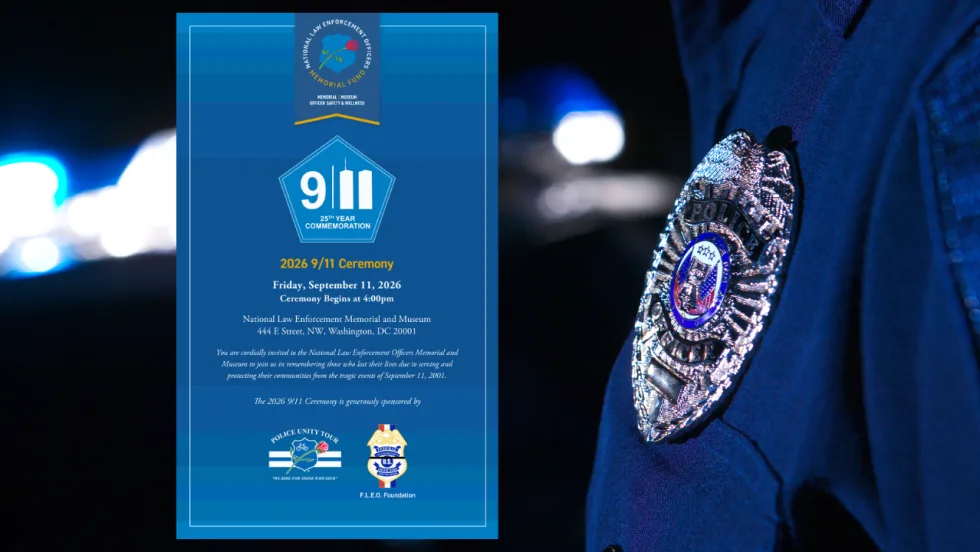
National Law Enforcement Memorial and Museum Hosting 9/11 25th-Year Commemoration Ceremony
The National Law Enforcement Memorial and Museum is hosting a 9/11 25th Year Commemoration Ceremony on Sept. 11 at 4 p.m.
Read More →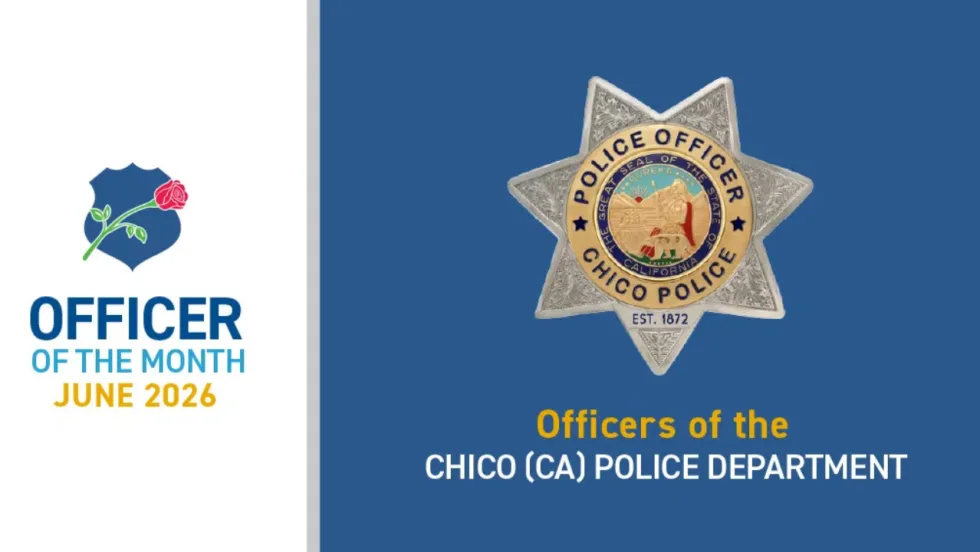
National Law Enforcement Officers Memorial Fund Announces June 2026 Officers of the Month
The National Law Enforcement Officers Memorial Fund (NLEOMF) named 15 officers of the Chico Police Department (California) as the Officers of the Month for June 2026 for their roles in responding to an active-shooter incident at a public library.
Read More →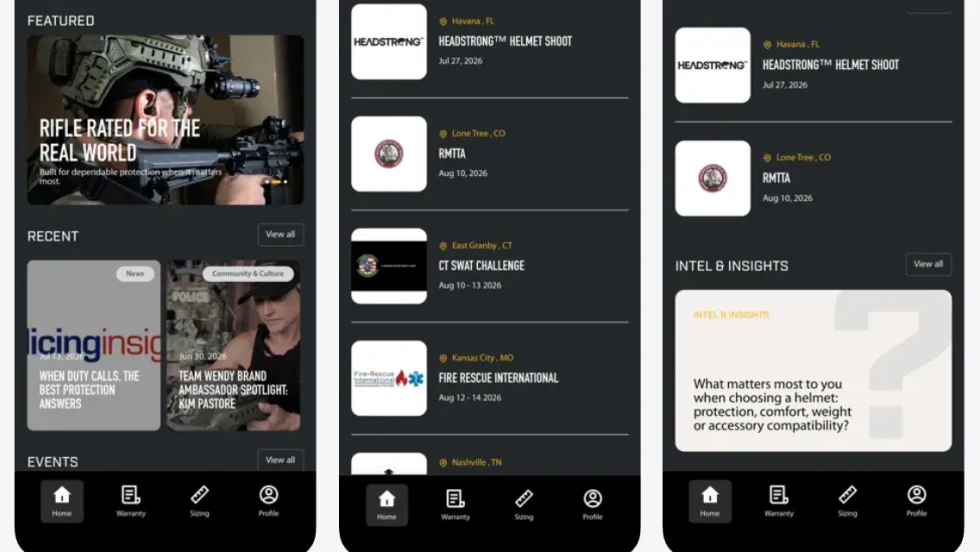
Team Wendy App Creates New Digital Hub for Helmet Owners
The Team Wendy Community App provides one location for warranty registration, size-fit tools, product updates, and community connection. For helmet owners, the new app creates a simpler path to the information and tools that matter most.
Read More →