



LEOKA: Beyond the Numbers
Loggers are not hurt and killed on duty because some dirtbag tree doesn’t want to go back to jail and opens fire instead of surrendering to the inevitable.

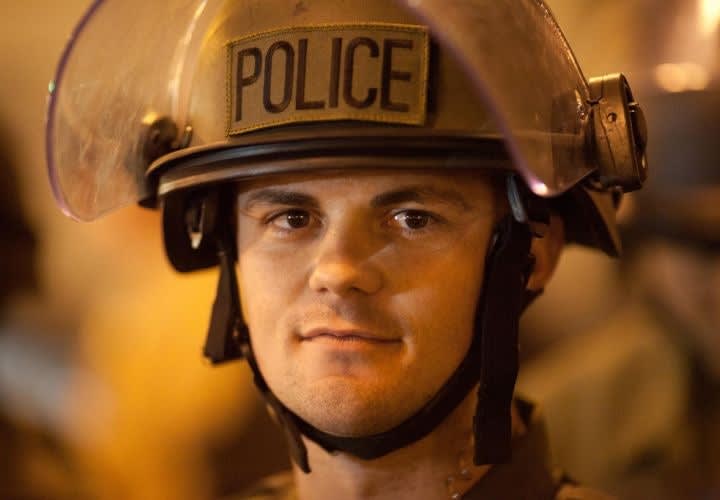
Photo via Thomas Hawk/Flickr.
Go to Yahoo! or Google and plug in "deadliest jobs in America 2011," and you'll get a huge collection of articles. And the only thing they seem to agree on is that fishing is a job for masochists.
That commercial fishing/shrimping/crabbing is the nation's most deadly occupation is no surprise. It's always been that way. During the Age of Sail the great British poet Samuel Johnson once said that a man would prefer going to jail than working as a sailor for being a sailor is like being in prison, only with the added attraction of possibly drowning. Certainly the ships and equipment have improved since Johnson's day, but one part of the commercial fishing equation remains constant: The office is the ocean, and the ocean has no mercy.
After commercial fishing the deadliest job picture gets real fuzzy. The list usually includes such fields as logging, aviation, agriculture and ranching, mining, construction and roofing, refuse collection, driving, and at some point law enforcement.
Some lists don’t include law enforcement in the nation's deadliest careers. I've also seen it listed fourth. Here's where you can insert that Mark Twain quote about lies, damn lies, and statistics. Which is a quick and dirty way of saying, all you have to do is change one variable and you can cook the numbers any way you want.
Here's one variable that none of these deadliest jobs lists ever seems to consider. For all the other professions on the list, the danger comes from the elements or from the nature of the job; it is not inflicted by other human beings. Loggers are not hurt and killed on duty because some dirtbag tree doesn't want to go back to jail and opens fire instead of surrendering to the inevitable. Add the variable of attack and cops and taxi drivers (they are rolling targets for robbery) are probably one and two on the list.
Anyone who really wants to know the score of violence, injury, and death inflicted on law enforcement can look at two sources. The National Law Enforcement Officers Memorial Fund (NLEOMF) sends out a press release every December that records the annual law enforcement death toll. Last year the total was 143 officer deaths; this year's final butcher bill has not been established but at press time it was 113. NLEOMF also breaks down its figures into firearm-related and non-firearm-related deaths. This year so far 40 officers have been killed by guns.
The NLEOMF figures are a good starting point for a discussion of the dangers of law enforcement, but if you really want to drill down into the subject, there’s no better source than the FBI. Each year the Bureau releases a report titled "Law Enforcement Officers Killed or Assaulted" (LEOKA). You could retitle LEOKA as, "What Gets Cops Killed and How to Save Their Lives."
Sadly, one conclusion that anyone will come to after reading deep into LEOKA is that some police fatalities are probably unavoidable. In the same way commercial fishing workers face a merciless sea, some patrol officers face as much as 10 hours a day of traffic-related hazards. And statistically that catches up with them. Other than trying to persuade officers to wear seat belts and drive more safely and slowly, there’s not much that can be done to prevent traffic deaths. For the record LEOKA says 34 officers died in automobile and motorcycle accidents in 2011.
LEOKA doesn't just tell you how many officers were killed by firearms in the year in question. It tells you whether they were wearing body armor and where they were hit. In 2011 63 officers were feloniously killed with firearms, 46 of them were wearing body armor. Most alarming, of the 63 officers feloniously killed with guns in 2011, 27 were shot in the head. That's almost half. So maybe, as my associate Dean Scoville has argued in his blog on PoliceMag.com, it's time for agencies to seriously consider issuing ballistic helmets to their patrol personnel. Heck, some agencies still require officers to wear hats on the job, and hats offer no protection. Maybe it's time to replace those hats with helmets.
Anyone who regularly reads my column will know that I believe numbers and statistics are easily twisted and manipulated. But here’s what the numbers can tell you about making your job safer in the new year. Wear your seat belt. Drive more cautiously. Wear your armor. And stay vigilant. No matter what some magazines and Websites say, you have one of the most dangerous jobs in America. And only you can make it safer
Related:
More Patrol
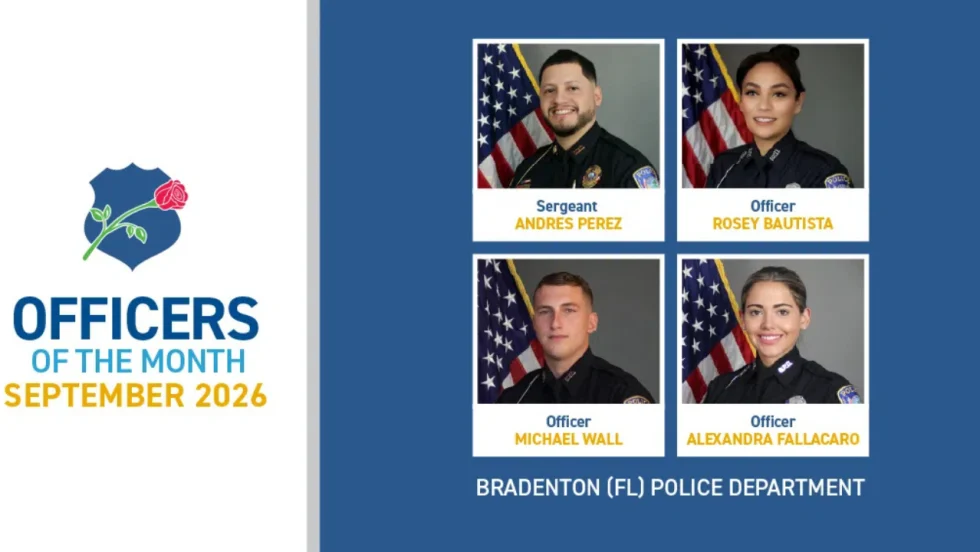
NLEOMF Honors September 2026 Officers of the Month
Four Bradenton Police Department officers were selected as the NLEOMF Officers of the Month for September 2026 for a nighttime water rescue.
Read More →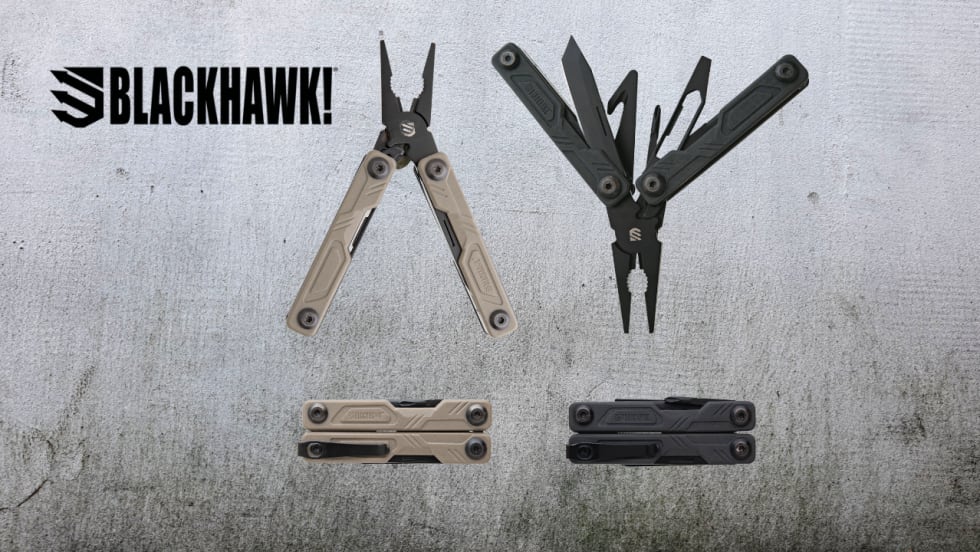
Blackhawk Debuts Mini EDC Pocket Multi-Tool
The Blackhawk Mini EDC Pocket Multi-Tool stows easily in pants pockets thanks to a sturdy stainless steel pocket clip and incorporates several essential/emergency tools into a single, high-mobility unit.
Read More →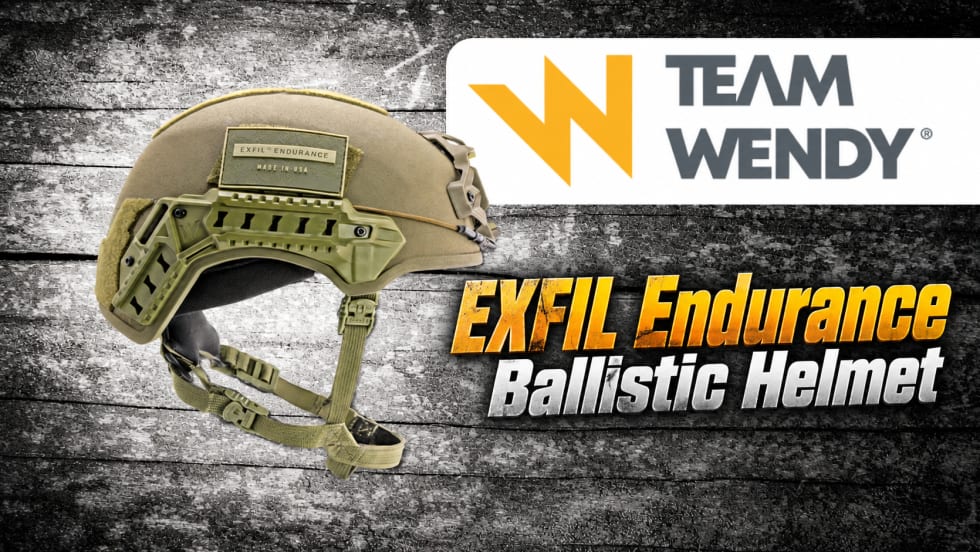
Team Wendy Introduces the EXFIL Endurance Ballistic Helmet, Engineered to Reduce the Burden of Extended Wear
Team Wendy has launched its EXFIL Endurance, a new lightweight ballistic helmet engineered to deliver protection, comfort, and fit during demanding, extended operations.
Read More →
The First Responders Children’s Foundation National First Responders Day Roll Call of Heroes Ceremony Returns to Times Square, NYC
First Responders Children’s Foundation (FRCF), in collaboration with T-Mobile, will host the Roll Call of Heroes ceremony in Times Square to commemorate National First Responders Day on Wednesday, Oct. 28. During the event, FRCF will present 18 Hero Awards.
Read More →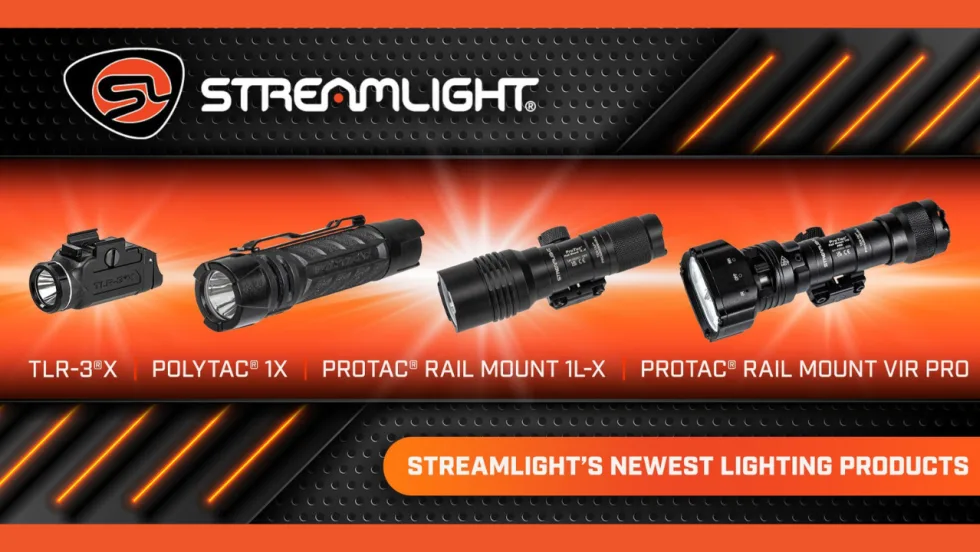
Streamlight to Showcase Newest Lighting Products for Law Enforcement Professionals at IACP 2026
Streamlight will showcase its newest lights for law enforcement at the International Association of Chiefs of Police Annual Conference & Expo. Featured lights will include the TLR-3 X, the PolyTac 1X, and more.
Read More →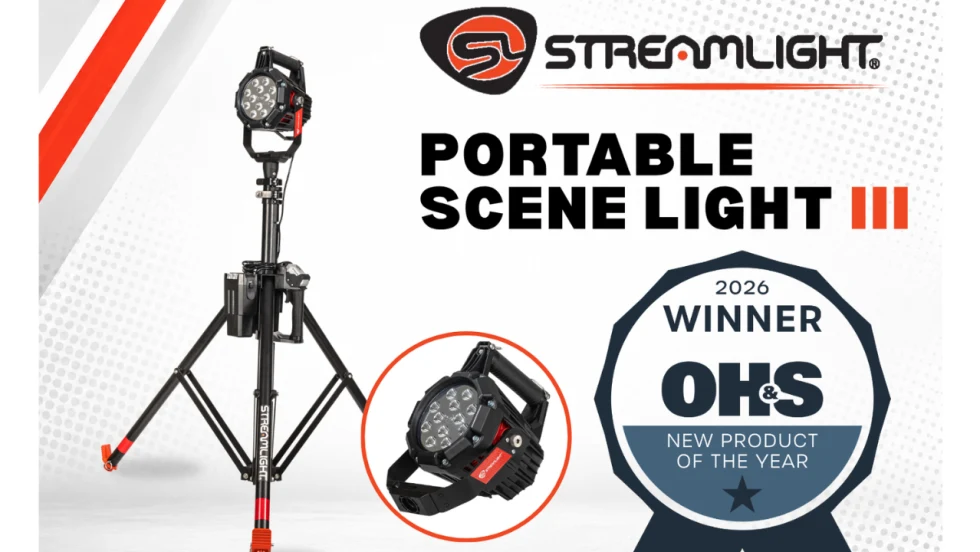
Streamlight Portable Scene Light III Wins 2026 OH&S New Product of the Year Award
Streamlight’s Portable Scene Light III has won the 2026 Occupational Health & Safety (OH&S) New Product of the Year Award in the Lighting category.
Read More →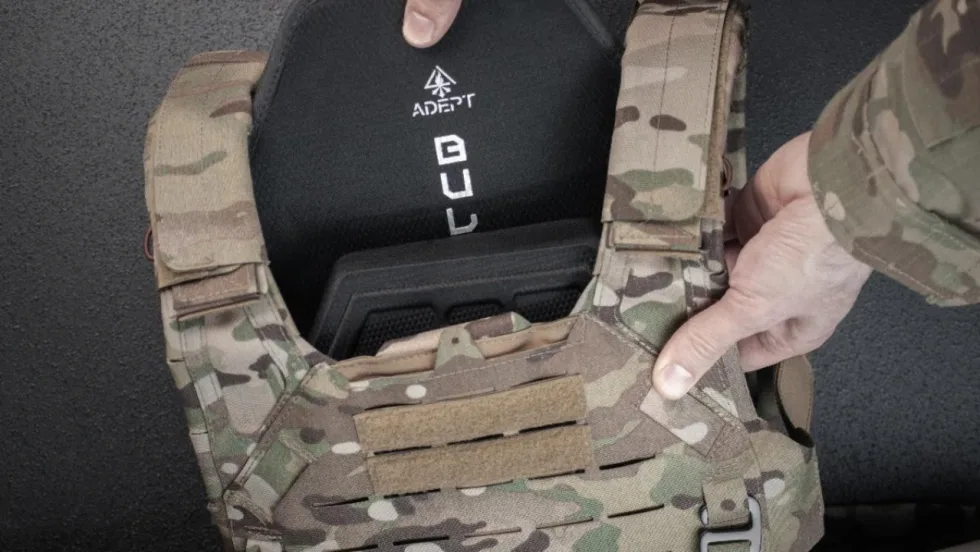
Adept Armor Introduces Two New Rifle Plates
Adept Armor has launched two new Level IV ballistic plates, the Emperor and the Archon Mark 2, which brings Adept Armor’s new Quatroid ceramic to the high-threat, performance-value center of the range at 5.2 pounds.
Read More →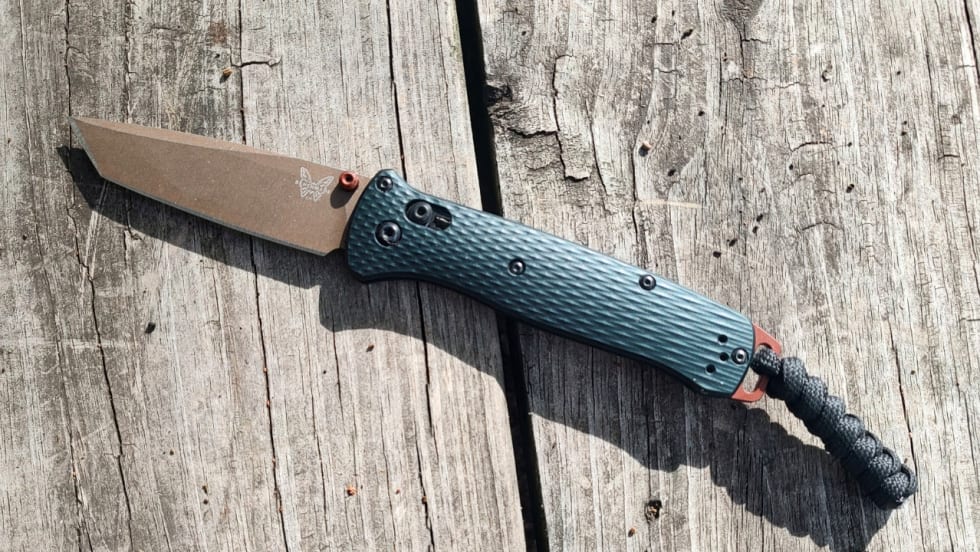
POLICE Product Test: Benchmade Bailout
The Benchmade Bailout is a slim, lightweight carry knife with a deep-ride pocket clip and comes in a variety of blade steels and scales. Here is a detailed review of the Taiga Green Bailout, released earlier this year.
Read More →
NLEOMF Announces July 2026 Officer of the Month
NLEOMF honored a Michigan deputy sheriff as the July 2026 Officer of the Month for rescuing a trapped driver from a burning vehicle following a Fourth of July crash.
Read More →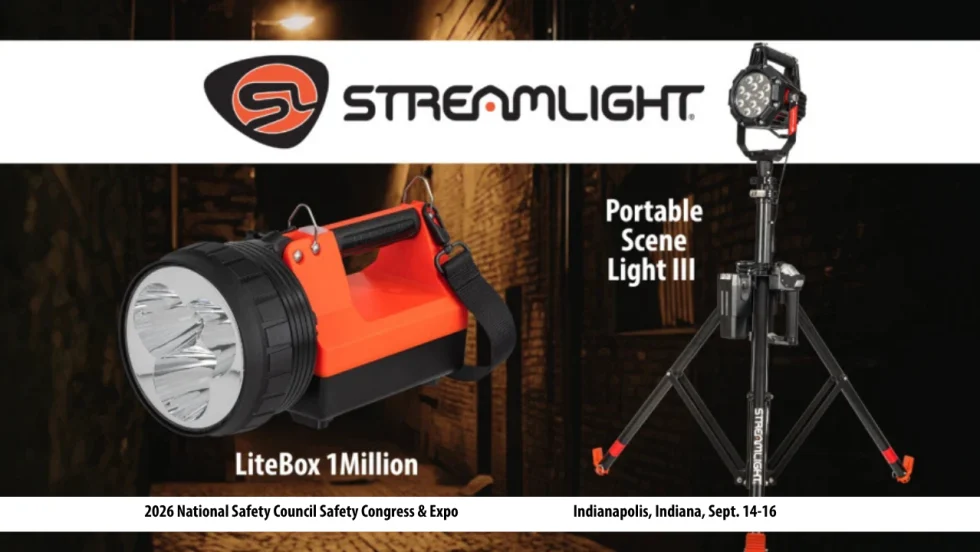
Streamlight to Showcase Newest Lighting Products at National Safety Council’s Safety Congress & Expo 2026
Streamlight will showcase its latest lights, including the Portable Scene Light III and the LiteBox 1Million, at the 2026 National Safety Council (NSC) Safety Congress & Expo.
Read More →