



Improvised Weapons
It's time to think outside the box-way outside the box.


Any discussion about weapons starts with the obvious reality that at any police call or field contact, there is at least one gun already on the scene: yours. How you retain that weapon and keep prying hands off of it is critical to your survival. And if we factor in that many officers carry some type of backup gun into the field, there is a distinct possibility that two or more guns will be available to both cops and crooks in any given encounter.
It's time to think outside the box-way outside the box. Armed with your usual belt, slung with police flotsam and jetsam, you hit the field confident you have a tool, a weapon, or a device fit for all occasions. But a gun can't solve all your problems. In close-quarter fights, when the suspect is right on top of you, you need to improvise and come up with practical non-firearm weapons, besides the usual pepper spray, impact weapon, or flashlight swung blindly in the dark.
The trick to street survival is to dislodge the suspect from his current line of thinking. It's suggested in baseball that hitting is all about timing and pitching is all about disrupting that timing. For us, skin-saving success demands that we surprise our foes first by disrupting their thought processes, and then by outwitting them.
Drawing your baton or impact weapon in a fight with a suspect may be exactly what he expects you to do. Using the takeaway maneuvers he's perfected in prison, he could disarm you when you expect him to give up or comply.
But if we go back to that same pending fight scenario and, instead of drawing your baton or pepper spray, you "execute a front snap kick" at the suspect's left kneecap (thereby sending it into outer space), the fight's over. He zigs, you zag. Here's how you describe your actions in your report later: "As the suspect took a combative stance and prepared to fight me, I executed a front snap kick, aimed at his lower left leg." What you did was not what he expected you to do; that's the important point.
Years ago, a colleague stopped a guy late at night for a traffic violation. As he walked up to the car, the violator jumped out, confronted him, and said, "I'm gonna kick your ass!" Not missing a beat, the cop said, "Hey! It's a good thing I'm into that!" The violator's mouth hung open in that "Huh?" pose as his original thought process was "stopped." By the time Mr. Fighter got his wits back, he was handcuffed, frisked, and unceremoniously set on the curb. Now that, folks, is an excellent example of upsetting a crook's timing.
Expand Your Arsenal
The common thinking in police work is that the use of force is a "continuum," meaning we're not required to go through each step; we can leap ahead as necessary. As such, we're commonly taught that if the suspect uses his fists, we use our impact or chemical weapons. If he pulls a knife, we pull our gun, and so forth. While this may work, where is the "outside-the-box" thinking in most use-of-force policies?
Crooks can carry or transport zip guns, pipe bombs, stun guns, box cutters, small and large knives, daggers, blades, saps, throwing stars, pager guns, claw hammers, or steel pipes. They can use these any time during an encounter with us, without any thought to our use-of-force "rules of engagement." Free from the boundaries of polite society, they can slash and cut and chop and strike at will.
Since we can't carry a pipe wrench or a ball-peen hammer into the field, we have to find creative ways to use the other tools of our trade, namely, our brains, bodies, and the gear from our belts or duty bags.
Aim for Soft Spots
During fights and wrestling matches with suspects, cops' hands and fists can get bruised, broken, and twisted. Your elbows are tougher and, in close quarters, they work better and faster, especially when aimed at a suspect's temple, jaw, or rib cage.
In close quarters, as you struggle to gain control and you feel an unknown hand on your firearm, switch from grabbing and pulling (which is tiring, especially under stress) to a battering ram mentality. Your forehead, his nose. You can do the math there. Your report should say it all: "At that point, I felt the suspect's hands gripping my duty weapon. Fearing I would be disarmed and killed, I . . ."[PAGEBREAK]
Grab a Pen and Notepad
During field interview stops, many officers jot down a suspect's information on their notepads and transfer it to the "official" FI slip later. But in using this method, they miss a chance to use an improvised weapon: their hard-edged, leather- or Kevlar-covered ticket book. Keeping your FI slips in your ticket book gives you the chance to block, strike, or jab with it. Good targets include the suspect's throat, temple, and nose. Or if he is reaching for a weapon, bring the ticket book down hard across his wrists or hands.
During a traffic accident report or a crime case report, you may have your metal report box already in hand. Like your ticket book, it's an effective blocking or striking weapon, or as a last resort, a thrown-in-his-face distraction device to buy you some unholstering time.
Think about what you're holding in your hand during nearly any enforcement activity: your pen. It's one of the fastest-drawn weapons at your disposal. To say it makes for a good defensive weapon is an understatement. In a life-threatening encounter, aim for the suspect's eyes and finish the fight. A crook would do it to you if he could.
Radio Control
In these days of the $1,500 electric brick strapped to your belt (a.k.a. your radio), too many officers have picked up bad habits when it comes to their portable use. One bad habit is carrying or transmitting with the radio in your gun hand. Another bad habit is looking at the radio instead of the crook as you speak. If you don't have a lapel mike, focus on holding your radio at eye level and in your non-gun hand, looking at the suspect, not the speaker mesh. If you need to use this hard object, you want it in your dominant hand-and you want to see an attack coming.
Choose your target wisely (not body mass or well-muscled areas) and hammer away with this two-pound impact weapon when necessary. "He kept his radio in good working order" is not a good quote for your tombstone.
Give 'Em the Boot
There is often an equipment paradox with police boots. In days of old, we wore hard-toed shoes, which were lousy for running but great for striking suspects' shinbones, kneecaps, or other hard and soft parts of their bodies if they hit the ground near you. Today's police boots are soft-toed and light as a feather, which makes them great for foot pursuits, but not so great for foot strikes.
Instead of a hard kick, consider using the edges of your boots to scrape down along the suspect's shins. Light boots also make it easier to lift your leg to hit the nerves in the suspect's upper outer thigh with multiple knee strikes.
Swing Low
With most kicks or impact weapon strikes, the song playing in your head should be, "Swing Low, Sweet Chariot." In the heat of the moment, it's easy to swing from an upright position and hit buffed-out shoulders, meaty biceps, or squat-hardened thighs. Aim low and strike the Achilles' tendon, the back of the knee, the shin, or the calf. Lots of "yoked up" convicts have scrawny legs. Don't waste your energy on big targets. Hit low, and then keep going.
There are two keys to using improvised weapons in the field: Be ready to explicitly clarify in your report that you took "reasonable" steps, following your use-of-force model, to save yourself from great bodily injury or death. And think outside the box, away from the always-bladed field interview stance, the carefully swung baton, or the accurately aimed pepper spray. These usual ways don't always work when faced with a fighter bent on hurting you at all costs. Faced with the stress of survival, follow the advice of Baltimore baseballer Wee Willie Keeler and "Hit 'em where they ain't [looking]."
Steve Albrecht retired after 15 years with the San Diego (Calif.) Police Department, where he had worked as a fulltime officer, reserve sergeant, and Domestic Violence Unit investigator. His most recent book, "Surviving Street Patrol," is available from Paladin Press.
More Patrol
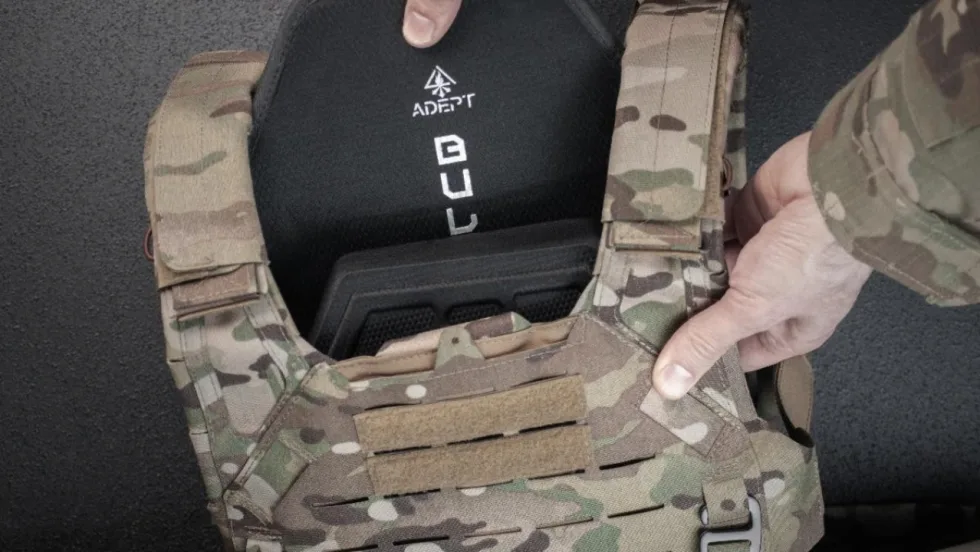
Adept Armor Introduces Two New Rifle Plates
Adept Armor has launched two new Level IV ballistic plates, the Emperor and the Archon Mark 2, which brings Adept Armor’s new Quatroid ceramic to the high-threat, performance-value center of the range at 5.2 pounds.
Read More →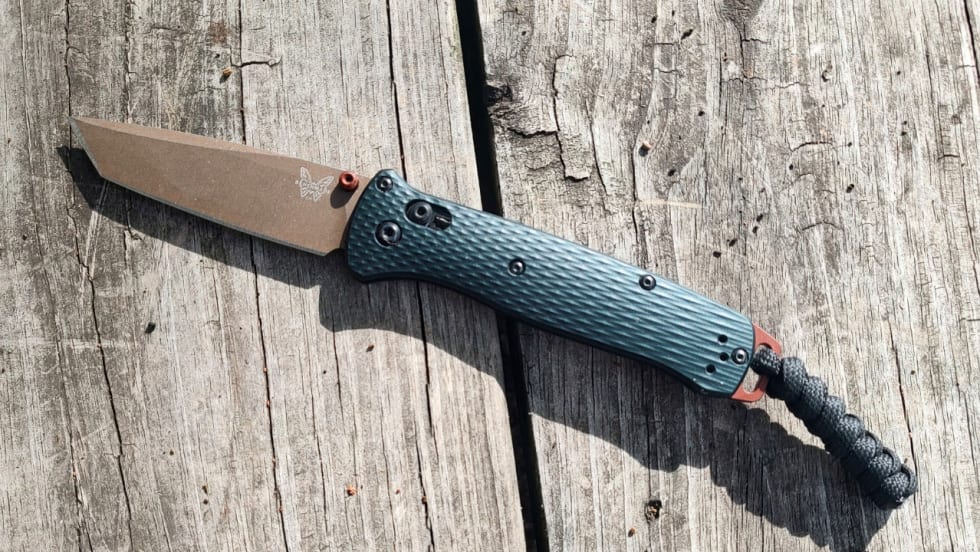
POLICE Product Test: Benchmade Bailout
The Benchmade Bailout is a slim, lightweight carry knife with a deep-ride pocket clip and comes in a variety of blade steels and scales. Here is a detailed review of the Taiga Green Bailout, released earlier this year.
Read More →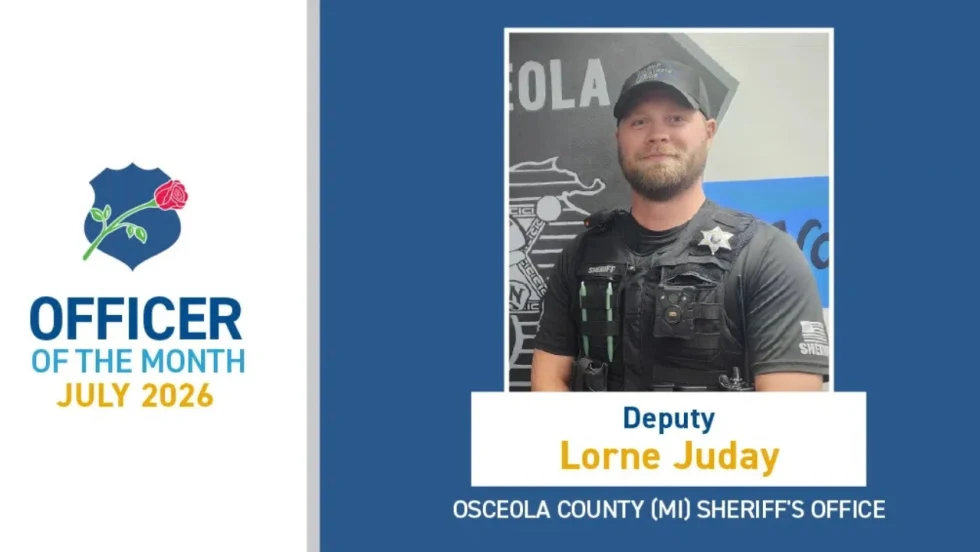
NLEOMF Announces July 2026 Officer of the Month
NLEOMF honored a Michigan deputy sheriff as the July 2026 Officer of the Month for rescuing a trapped driver from a burning vehicle following a Fourth of July crash.
Read More →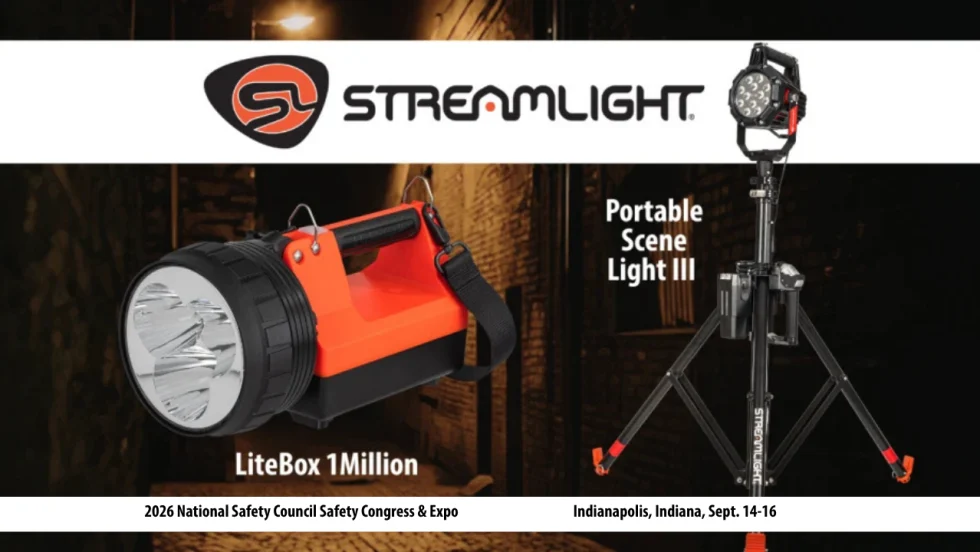
Streamlight to Showcase Newest Lighting Products at National Safety Council’s Safety Congress & Expo 2026
Streamlight will showcase its latest lights, including the Portable Scene Light III and the LiteBox 1Million, at the 2026 National Safety Council (NSC) Safety Congress & Expo.
Read More →
The 2027 World Police & Fire Games Set for Perth, Australia
The 2027 World Police & Fire Games (WPFG) will take place in Perth, Western Australia, from Friday, March 12 through Sunday, March 21, 2027.
Read More →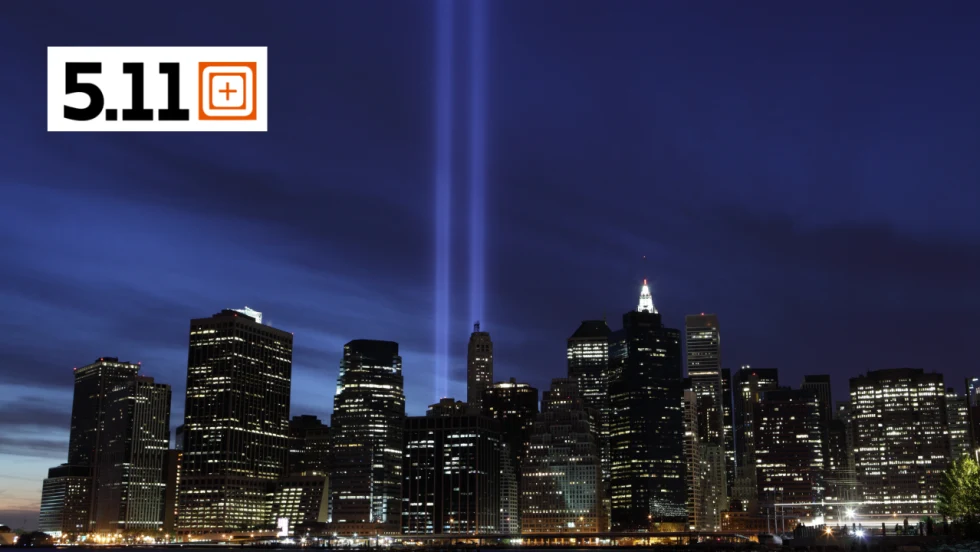
5.11 Partners with National Fallen Firefighters Foundation to Support #ForThe343
5.11 has joined the nationwide movement honoring the 343 New York City Fire Department firefighters lost on Sept. 11, 2001.
Read More →
Team Wendy Announces Title Sponsorship of the Jorge Pastore Foundation
Team Wendy’s 3-year partnership with the Jorge Pastore Foundation expands access to programs that strengthen those who serve.
Read More →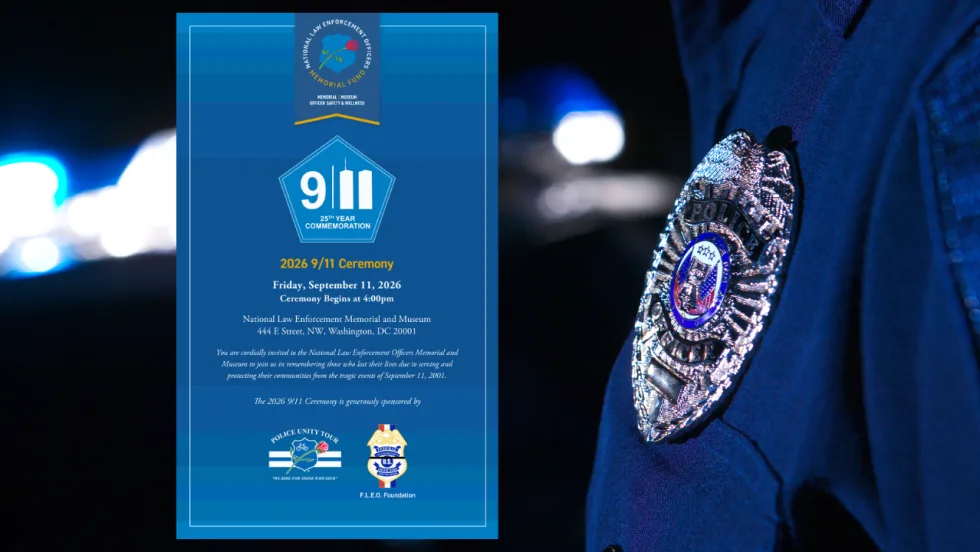
National Law Enforcement Memorial and Museum Hosting 9/11 25th-Year Commemoration Ceremony
The National Law Enforcement Memorial and Museum is hosting a 9/11 25th Year Commemoration Ceremony on Sept. 11 at 4 p.m.
Read More →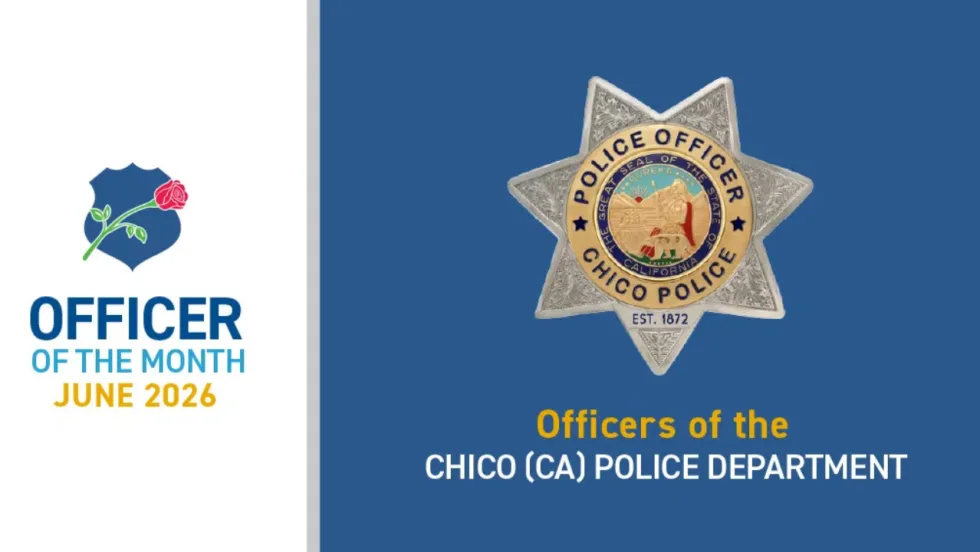
National Law Enforcement Officers Memorial Fund Announces June 2026 Officers of the Month
The National Law Enforcement Officers Memorial Fund (NLEOMF) named 15 officers of the Chico Police Department (California) as the Officers of the Month for June 2026 for their roles in responding to an active-shooter incident at a public library.
Read More →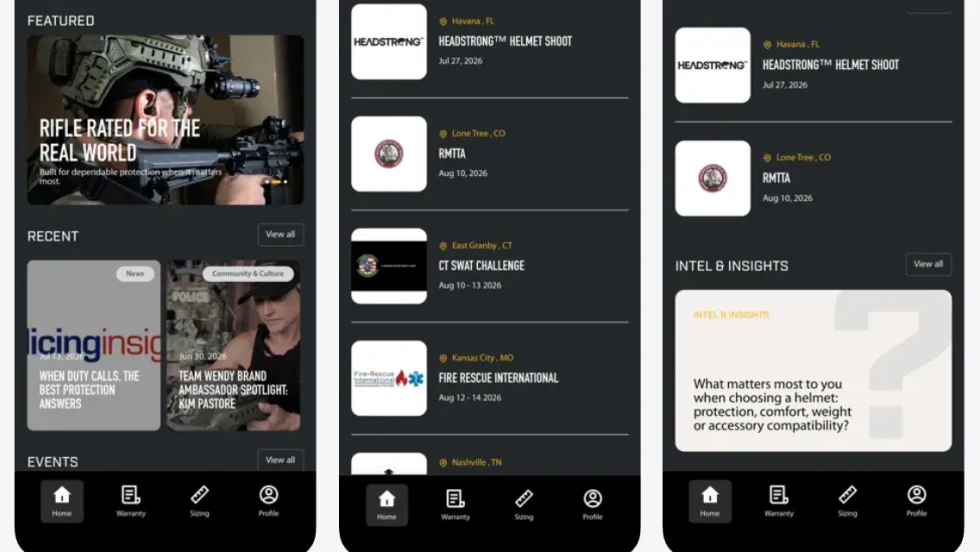
Team Wendy App Creates New Digital Hub for Helmet Owners
The Team Wendy Community App provides one location for warranty registration, size-fit tools, product updates, and community connection. For helmet owners, the new app creates a simpler path to the information and tools that matter most.
Read More →