



How to Talk to Police Officers
Watch the leaders, or those in leadership positions, and you will learn much as a student of leadership. I try to key in on how supervisors address groups of officers and I always look to see how the officers respond.

"If your actions inspire others to dream more, learn more, do more and become more, you are a leader." - John Quincy Adams
Watch the leaders, or those in leadership positions, and you will learn much as a student of leadership. I try to key in on how supervisors address groups of officers and I always look to see how the officers respond.
Awhile back I attended a patrol roll call with the task force I was on. A lieutenant, who was new to the watch, came in to address his officers. I do not believe he knew that there were task force officers present, not that it probably would have mattered. The lieutenant took a half seated position on a table, with one arm out, so he could lean on it. He was in a shirt and tie. He started off OK, introducing himself and going over his background. I keyed in on the fact that he had been in administrative positions for the last nine or 10 years. I thought it was good when he said that he knew he had been out of the field for a long time and that he would need help in adjusting, but hoped he could also teach the officers some things.
Up to this point he was not doing too badly, and the officers were watching and listening to him, but then it went downhill. The lieutenant started saying he had expectations of hard work and productivity. That was good, but the next thing he said had me leaning over to make sure I heard him correctly. He said words to the effect of, "And if you don't like working my way, it can be taken care of, or there are other places for you to work in the city." Wow! I could see the officers deflating like balloons in a hot car. Their shoulders sagged, they looked down at the invisible paperwork in front of them, and they began writing important notes on whatever scratch paper they could find.
I find that cops do not respond well to veiled threats. As a matter of fact, they take any kind of threat rather personally. So why do it? Ninety-eight percent of all police officers are very familiar with the consequences of our various administrative disciplinary systems. I would hazard a guess that we are the most punished public employees in the country. Before I digress into that subject, if you take nothing else from this column, when you are speaking to a group of cops remember this: THREATENING COPS WITH DISCIPLINE IS COUNTERPRODUCTIVE TO MOTIVATION. Plus, do you think you are going to intimidate men and women who are putting their lives on the line every day? It is ridiculous.
If you want to truly learn about leadership, you need to look at these types of situations, break them down, and learn from them. Isn't it better to learn from somebody else's mistakes than your own?
The first thing I would have changed was the lieutenant's command presence. To give him credit, he came by a week early to introduce himself before he actually started his new job. If it had been me, I would have come in a uniform, leather gear, and boots that were inspection quality. What statement did he make about his expectations by his dress and manner? Command presence is all about how you carry yourself. How did sitting on the table and leaning on his arm make him look to the officers? Like a commander? Like a leader? If he had stood, and walked up and down so he could look all his officers in the eye, I think it would have been better.
If you want to motivate cops, if you want to excite them, if you want them enthusiastic, acknowledge the job they do and that you understand their problems, because you have been there yourself. Talk about crime fighting and about putting bad guys in jail. Any cop worth his salt gets motivated by the thought of putting handcuffs on a criminal and taking him to jail. When I was in roll call as a young officer that is what I wanted from my leaders. To know they were credible, that they had been in my shoes and knew my challenges and that they were still on board with the bottom line of law enforcement: fighting crime.
It was good that the lieutenant talked about his background and that he was willing to learn from the officers and could teach them something. The idea of a mentoring relationship is important to establish. He might have done better by being more explicit. Having worked internal affairs and in the chief's office, I am guessing he had some valuable insight that he could have offered to the officers (for future occasions) in regard to career security and advancement.
Stating your expectations is important. You should always do this when addressing a new command, but they need to be concrete. I have five that I have used for years: 1) come to work on time and in proper uniform. 2) Maintain your sense of honor, morals, ethics, and discipline. 3) Be tactically and technically competent. 4) Use the chain of command. 5) Be productive; fight crime-it is what you are here for. I could talk about each one, but that is for another column. What are your expectations for your officers?
Finally, and this is something I think leaders sometimes too often fail to mention when talking to officers, tell them, "I am here to support you!" Ask, "What can I do for you? How can I make your world better?" My father has reminded me on occasion that once you promote, it is not your career that you should be worried about, but the careers of the people you serve as a leader. I believe that if you abide by that principle, your career will flourish due to the amazing things your folks will accomplish for you.
More Patrol

Adept Armor Introduces Two New Rifle Plates
Adept Armor has launched two new Level IV ballistic plates, the Emperor and the Archon Mark 2, which brings Adept Armor’s new Quatroid ceramic to the high-threat, performance-value center of the range at 5.2 pounds.
Read More →
POLICE Product Test: Benchmade Bailout
The Benchmade Bailout is a slim, lightweight carry knife with a deep-ride pocket clip and comes in a variety of blade steels and scales. Here is a detailed review of the Taiga Green Bailout, released earlier this year.
Read More →
NLEOMF Announces July 2026 Officer of the Month
NLEOMF honored a Michigan deputy sheriff as the July 2026 Officer of the Month for rescuing a trapped driver from a burning vehicle following a Fourth of July crash.
Read More →
Streamlight to Showcase Newest Lighting Products at National Safety Council’s Safety Congress & Expo 2026
Streamlight will showcase its latest lights, including the Portable Scene Light III and the LiteBox 1Million, at the 2026 National Safety Council (NSC) Safety Congress & Expo.
Read More →
The 2027 World Police & Fire Games Set for Perth, Australia
The 2027 World Police & Fire Games (WPFG) will take place in Perth, Western Australia, from Friday, March 12 through Sunday, March 21, 2027.
Read More →
5.11 Partners with National Fallen Firefighters Foundation to Support #ForThe343
5.11 has joined the nationwide movement honoring the 343 New York City Fire Department firefighters lost on Sept. 11, 2001.
Read More →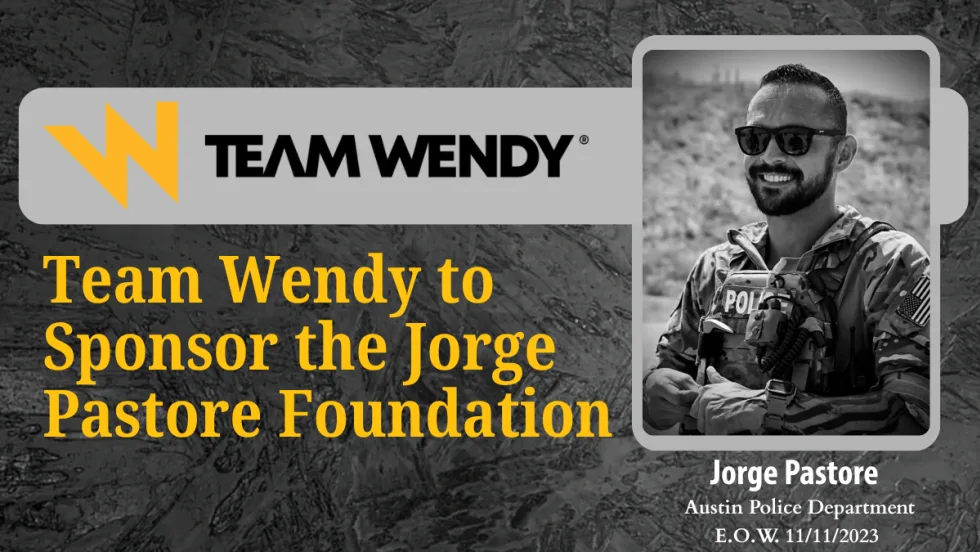
Team Wendy Announces Title Sponsorship of the Jorge Pastore Foundation
Team Wendy’s 3-year partnership with the Jorge Pastore Foundation expands access to programs that strengthen those who serve.
Read More →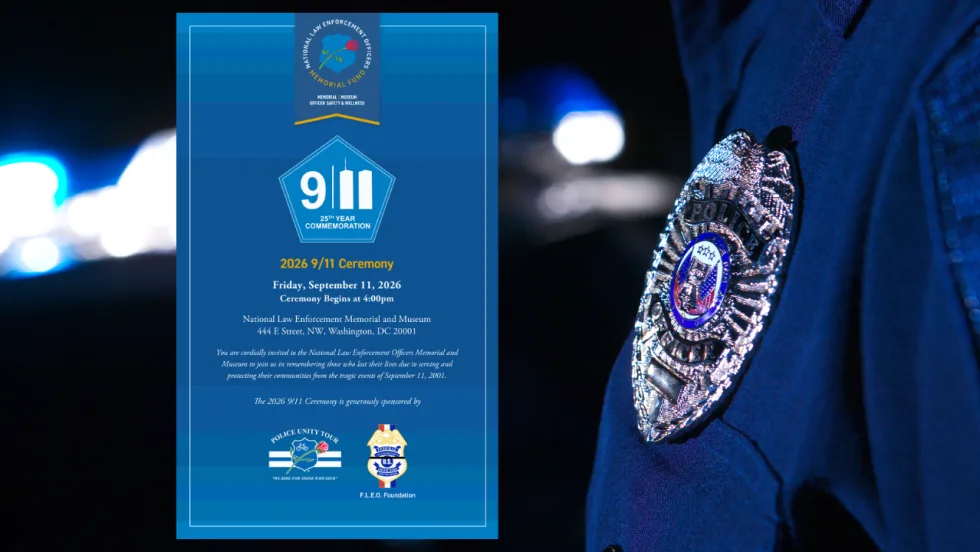
National Law Enforcement Memorial and Museum Hosting 9/11 25th-Year Commemoration Ceremony
The National Law Enforcement Memorial and Museum is hosting a 9/11 25th Year Commemoration Ceremony on Sept. 11 at 4 p.m.
Read More →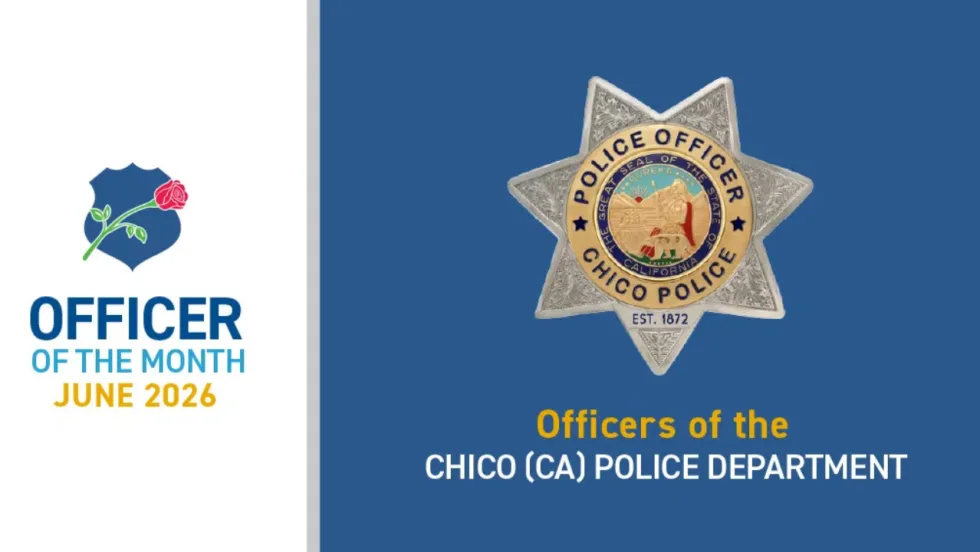
National Law Enforcement Officers Memorial Fund Announces June 2026 Officers of the Month
The National Law Enforcement Officers Memorial Fund (NLEOMF) named 15 officers of the Chico Police Department (California) as the Officers of the Month for June 2026 for their roles in responding to an active-shooter incident at a public library.
Read More →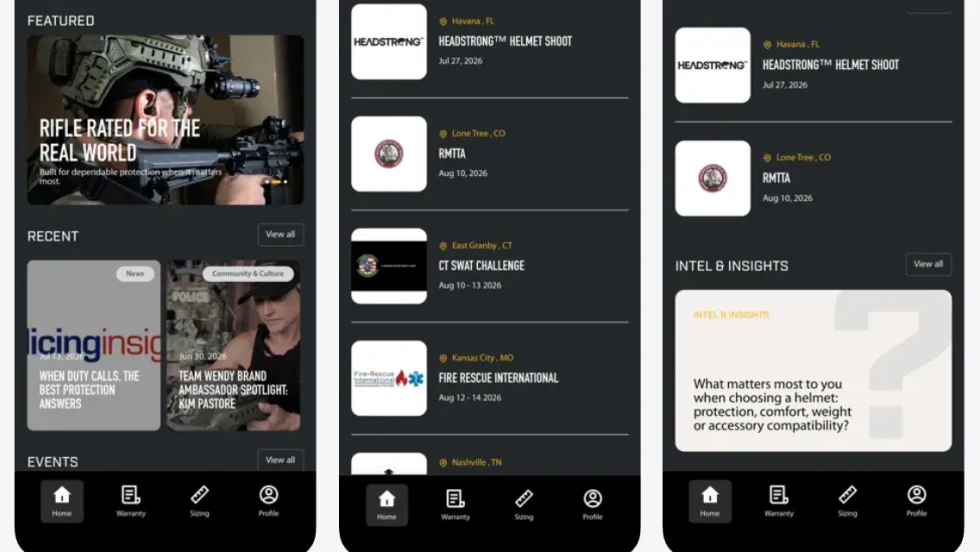
Team Wendy App Creates New Digital Hub for Helmet Owners
The Team Wendy Community App provides one location for warranty registration, size-fit tools, product updates, and community connection. For helmet owners, the new app creates a simpler path to the information and tools that matter most.
Read More →