



Getting the Word Out
Law enforcement agencies will soon have access to the Commercial Mobile Alert System (CMAS), a voluntary emergency alerting system developed by the Federal Emergency Management Agency (FEMA), the FCC, and wireless carriers.

Law enforcement agencies will soon have access to the Commercial Mobile Alert System (CMAS), a voluntary emergency alerting system developed by the Federal Emergency Management Agency (FEMA), the FCC, and wireless carriers. This emergency messaging system will offer agencies another tool to broadcast alerts to the public.
The system is designed to push messages of 90 characters or less out to cell phones that are communicating with a cell tower. If your phone is active on a wireless network, then the CMAS messages will be sent to it. A complete breakdown of how the system works can be found on the FEMA Website.
The system is especially appealing because the alerts are geographically based, so the messages can get to the right people at the right time. People don't have to sign up for it, it goes to any cell phone communicating with a cell tower, and it's free. The system is voluntary for wireless carriers to implement, so it may not have widespread availability at first.
In order to appreciate the value of a wireless messaging system like CMAS, you have to first look at the recent history of violent events in the country and how wireless messaging would have helped the community.
Five years ago an active shooter at Virginia Tech killed 32 people. Investigations of that atrocity brought to light a shortcoming in the emergency communication system of the campus and every other community in the country. Almost all of the messaging systems in place at the time were based on obsolete hard-wired phone lines. Unfortunately, hardly any of the students still used land lines.
The Virginia Tech shooting taught public safety agencies that they needed to get messages to people’s cell phones. But there simply weren't any viable options for doing so.
Five years ago, the options for wireless emergency messaging were scarce and costly. Most agencies to this day continue to rely on Reverse 911 to alert a neighborhood to an emergency situation. Reverse 911 can be a highly effective way to get information directly to a targeted community, but it doesn't guarantee that people are actually getting the emergency message in a timely manner. It only works when the messages are being delivered to an occupied home. Anyone who has used Reverse 911 will tell you that it is fairly common to have the system leave an emergency message on a home answering machine, only to have the message heard hours after the situation has been resolved.
Over the past five years, emergency messaging businesses have popped up promising public safety agencies a direct wireless link to the citizens. However, these services cost money and rely on an overburdened communications infrastructure. Most agencies do not have any budget for this type of service, so they are not widely used.
Social sites like Twitter offer short messaging capabilities and options to have messages sent to a user's text-enabled cell phone. Some public safety agencies use these sites for community messaging, but they are not the best option for targeting a specific neighborhood.
A similar service called Nixle was introduced specifically for public safety agencies and schools, but it requires residents to sign up for the service, something that most people don't want to do.
Internet-based messaging is a valuable tool for community messaging, but it has pitfalls. The messages are not going over a secure network and are only getting to people that sign up for the service.
CMAS is certainly an idea that is long overdue but many questions about this system need to be answered. And if it is like the Amber Alert systems, there may be built-in shortcomings. A municipal agency cannot issue an Amber Alert on its own. It must go through a larger government entity to verify whether the message fits the criteria. This is a necessary process to avoid abuse of the system, but it can cause delays. We don't know how easy it will be for agencies to send an emergency alert through CMAS. It's safe to say that if the process is too complicated, it won't get much use.
The best practice may still be a shotgun approach to getting information out to your community. Each agency should evaluate the technology, define the needs of its community, and use the systems that work best for everyone.
Mark Clark is a 27-year veteran police sergeant. He has served as public information officer, training officer, and as supervisor for various detective and patrol squads.
More Technology
A police agency's guide to data-driven fleet management
Costs are rising and the public expects more transparency into how their tax dollars are spent. This e-book shows how police agencies can use fleet data to take control of fleet expenses while improving officer safety and demonstrating fiscal responsibility to the communities they serve.
Read More →
AI and analytics for law enforcement: Turning data into insights
Law enforcement agencies are managing more video, sensor data and digital evidence than ever before. Discover how AI and analytics can help turn that data into actionable insights that strengthen situational awareness, accelerate investigations and support more informed decisions.
Read More →
Vasco Electronics Adds Automatic Language Detection to Vasco Translator Q1
Vasco Electronics’ software update introduces hands-free language switching and expanded offline translation across 45 language pairs, empowering law enforcement, healthcare, and front-office enterprise teams
Read More →

North Miami Police Department Deploys Mark43
The North Miami Police Department has deployed Mark43 as part of its Five-Year Strategic Plan that represents its collective vision and goals for a more proactive police department, anchored by a core commitment to leveraging modern technology to enhance efficiency and public safety.
Read More →
Cellebrite Genesis for Enterprise Now Generally Available
Made available to the public sector in June, Cellebrite Genesis is serving a growing mix of national, regional, and local agencies worldwide, including some of the largest regional and metropolitan police departments. It is now available for enterprise organizations.
Read More →
2026 Vision FirstNet Users Summit to Host Emerging Leaders Training on Grassroots Advocacy for Public Safety
“Emerging Leaders Training: Understanding the Importance of Grassroots Advocacy for Public Safety," a session during the 2026 Vision FirstNet Users Summit, will offer a roadmap for unified advocacy at the federal level.
Read More →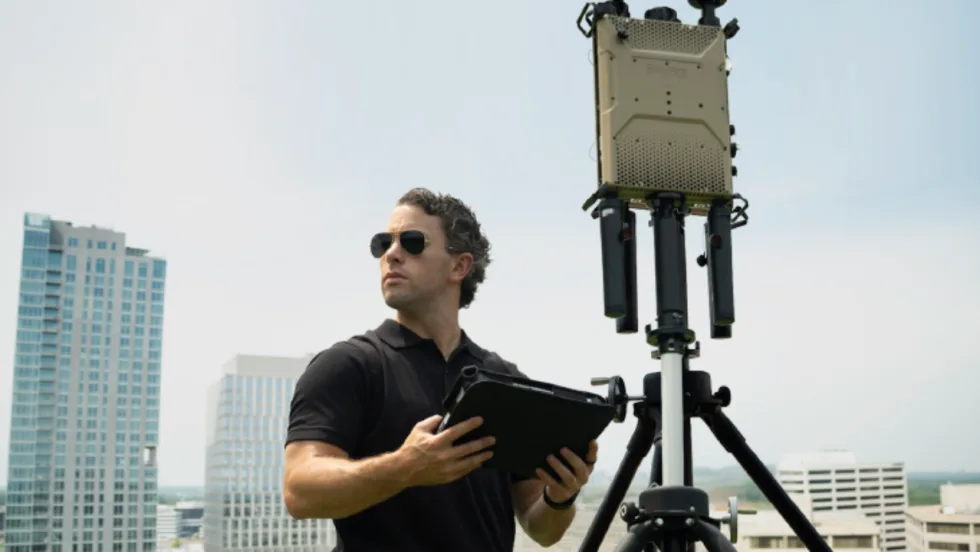
Motorola Solutions Completes Acquisition of D-Fend Solutions
Motorola Solutions has acquired D-Fend Solutions, an industry leader in counter-drone technology. This deal provides public safety and enterprise customers with access to advanced counter-unmanned aerial systems.
Read More →
ZeroEyes, Advantech & Camden Police Partner to Bring AI Gun Detection Technology to Delaware School District
ZeroEyes has partnered with Advantech and the Camden Police Department to deploy ZeroEyes’ AI gun detection and intelligent situational awareness platform at Delaware’s Caesar Rodney School District (CRSD).
Read More →
Leonardo U.S. Cyber & Security Solutions Introduces SignalTrace, the Next Evolution in Electronic Signature Detection Technology
SignalTrace reflects years of product refinement and a clearer expression of the technology’s purpose of recognizing and correlating electronic signatures in publicly broadcast wireless signals to reveal patterns, relationships, and trends that might otherwise go undetected.
Read More →
Pimloc Launches Secure File Sharing to Streamline Release of Redacted Video
Pimloc’s Secure File Sharing lets organizations deliver redacted video, audio, and documents through expiring, passcode-protected links, accelerating delivery while reducing security, compliance, and chain-of-custody risks.
Read More →