



Drawing First Blood
Reporters rarely get all the facts right because the facts are hazy by the time their first stories are posted on the Web, broadcast, or inked onto paper. That haziness doesn't clear until the official investigation is complete. By then the reporters have created a "truth" that persists in the public consciousness.

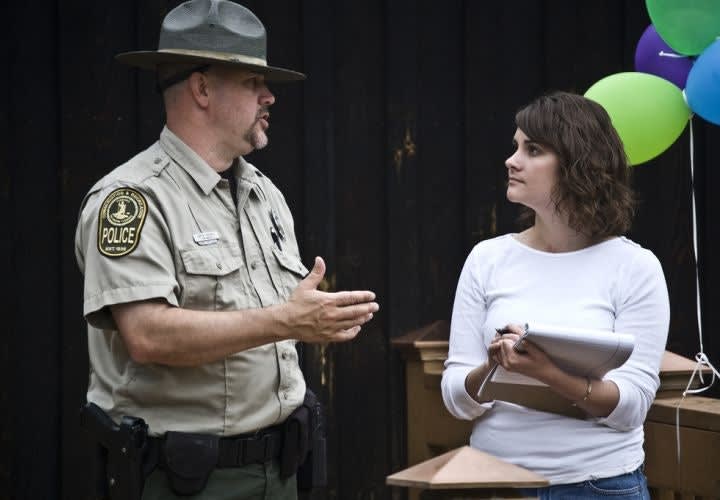
Photo via Vastateparksstaff/Flickr.
The day Anwar Sadat was killed I was working on a daily newspaper. There, I learned many lessons. And the lesson I learned the day of Sadat's murder was you can't trust breaking news.
Back in 1981 we didn't have the Internet, Facebook, or Twitter. What we did have, at least in a newsroom, was the wire services. And the day of Sadat's murder, we got a flash over the wire that said he had been shot by a tank during a military parade. In truth he was killed by AK fire. But to this day in my mind I have visions of the Egyptian president being gunned down by a tank.
Breaking news tends to be at least somewhat wrong; that's the nature of the business. And such first reports also linger in the minds of the public.
Unfortunately for you, breaking news often involves you and your actions on the job. The nature of your profession is that sometimes you find yourself in the middle of a real mess, one that escalates to the point that you have to use deadly force. When that happens you are news. So the reporters swarm trying to find out what happened and file their stories.
And they rarely get all the facts right because the truth is that the facts are still hazy by the time their first stories are posted on the Web, broadcast, or inked onto paper. That haziness doesn't clear until the official investigation is complete. But by then the reporters have created a "truth" that persists in the public consciousness long after the real facts have been revealed. As your mother and your kindergarten teacher taught you, first impressions mean a lot.
I'm writing this toward the end of September and there are two major stories of law enforcement actions in the news that likely will be revealed as wrong.
Item One—On Sept. 7, the Pine Bluff (Ark.) Police Department was called to the home of an 80-year-old woman who said her 107-year-old housemate, Monroe Isadore, was threatening her with a pistol because she wanted him to find another place to live. Responding officers tried to reason with the man but he shot at them.
So the officers did the smart thing. They withdrew, set up a perimeter, and called in SWAT. Reports say that the SWAT team tried to negotiate with Isadore, then gas was deployed, and when that did not work, a dynamic entry was made. Isadore opened fire on the team during the entry and he was killed. Stories about the incident were posted by the media worldwide.
The case is now sealed pending a state investigation. And I believe one of the things the investigation will reveal is that Isadore gave the SWAT officers no other choice.
But regardless of what the investigation reveals, the facts won't get the kind of coverage the initial barricade incident received. So the Pine Bluff SWAT team will forever be known internationally for being so "trigger happy" that they killed a centenarian in a gunfight, even if it's later determined that doing so prevented further loss of life.
Item Two—Officer Randall Kerrick of the Charlotte-Mecklenburg Police Department killed an unarmed 24-year-old, African-American man named Jonathan Ferrell about 2:30 a.m. on Sept. 14. The next day the department requested that the DA charge Kerrick with voluntary manslaughter.
Public opinion in Charlotte is that a "panicked, inexperienced" cop gunned down Ferrell. But no one in the press is asking some key questions about this case that will likely be answered at trial.
Ferrell had a car accident that morning. Then he walked to a house and banged on the door purportedly seeking help. After that the facts get murky, and those outside the investigation are left with questions about police operations during the incident, about the 911 complainant's terror during the 17.5-minute recorded call, and about Ferrell's behavior toward the complainant and toward the police.
The video taken from the patrol car has not been released to the public, but Officer Kerrick's attorney says it will exonerate his client. Even if it does, it won't clear Kerrick's name. The public will probably always remember him as the officer who gunned down an unarmed man who was asking for help after an accident because that's what was first reported.
I don't have a solution for the problem of erroneous breaking news reports on police incidents. All I can tell you is that the situation is getting worse because of tools like Twitter. Long ago I was taught that journalism was literature in a hurry. Contemporary journalism is actually facts in a hurry, and hurried facts often aren't facts at all.
More Patrol
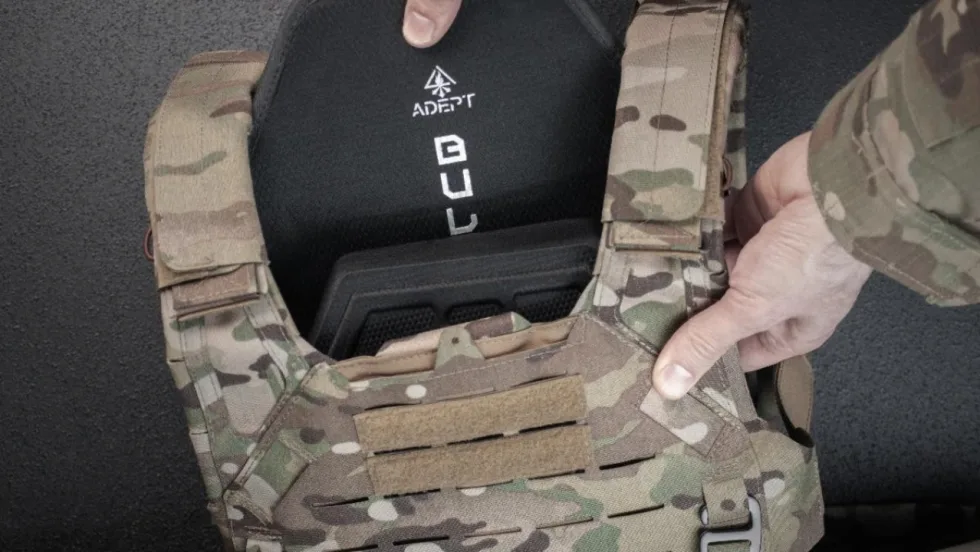
Adept Armor Introduces Two New Rifle Plates
Adept Armor has launched two new Level IV ballistic plates, the Emperor and the Archon Mark 2, which brings Adept Armor’s new Quatroid ceramic to the high-threat, performance-value center of the range at 5.2 pounds.
Read More →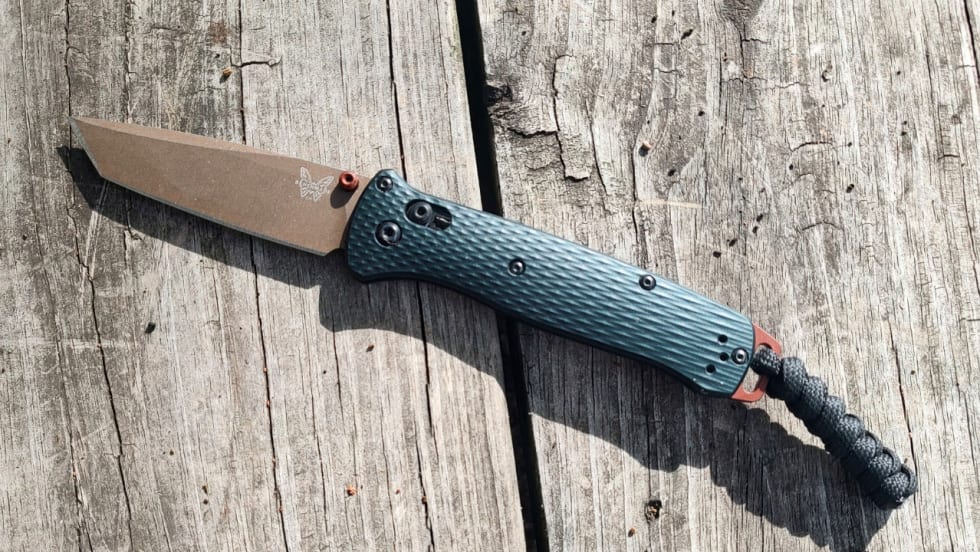
POLICE Product Test: Benchmade Bailout
The Benchmade Bailout is a slim, lightweight carry knife with a deep-ride pocket clip and comes in a variety of blade steels and scales. Here is a detailed review of the Taiga Green Bailout, released earlier this year.
Read More →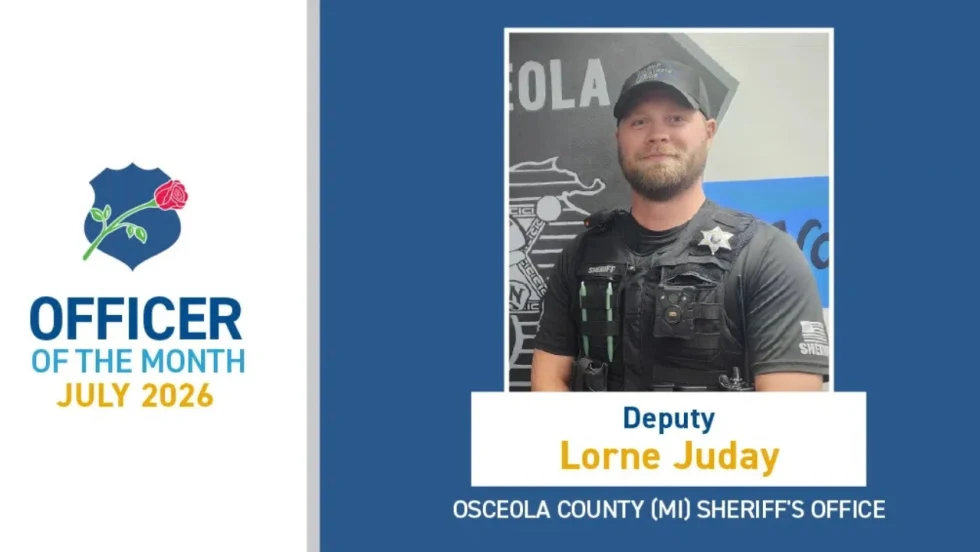
NLEOMF Announces July 2026 Officer of the Month
NLEOMF honored a Michigan deputy sheriff as the July 2026 Officer of the Month for rescuing a trapped driver from a burning vehicle following a Fourth of July crash.
Read More →
Streamlight to Showcase Newest Lighting Products at National Safety Council’s Safety Congress & Expo 2026
Streamlight will showcase its latest lights, including the Portable Scene Light III and the LiteBox 1Million, at the 2026 National Safety Council (NSC) Safety Congress & Expo.
Read More →
The 2027 World Police & Fire Games Set for Perth, Australia
The 2027 World Police & Fire Games (WPFG) will take place in Perth, Western Australia, from Friday, March 12 through Sunday, March 21, 2027.
Read More →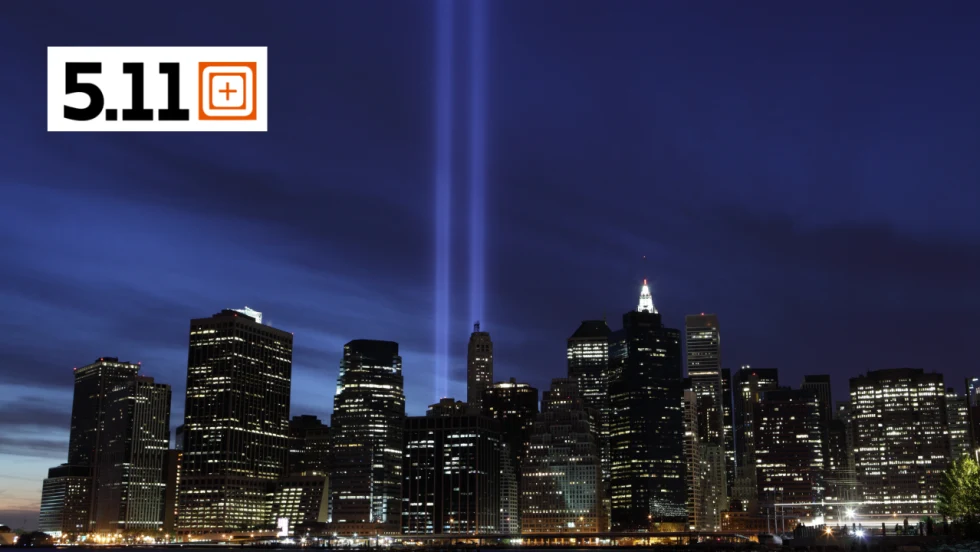
5.11 Partners with National Fallen Firefighters Foundation to Support #ForThe343
5.11 has joined the nationwide movement honoring the 343 New York City Fire Department firefighters lost on Sept. 11, 2001.
Read More →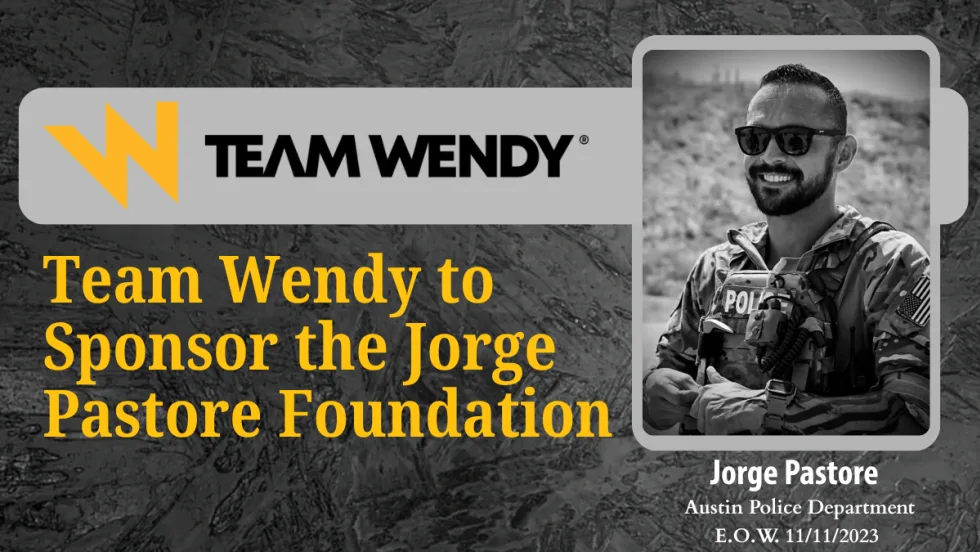
Team Wendy Announces Title Sponsorship of the Jorge Pastore Foundation
Team Wendy’s 3-year partnership with the Jorge Pastore Foundation expands access to programs that strengthen those who serve.
Read More →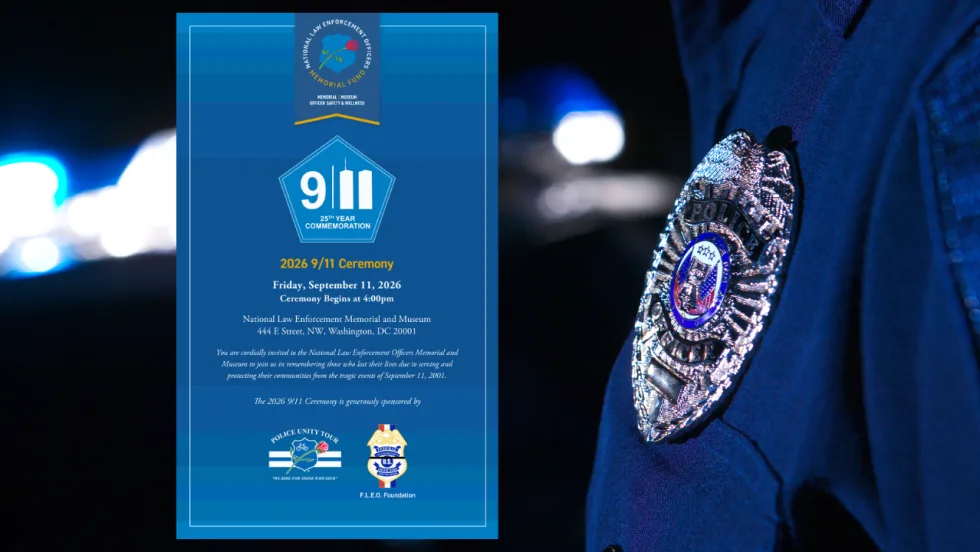
National Law Enforcement Memorial and Museum Hosting 9/11 25th-Year Commemoration Ceremony
The National Law Enforcement Memorial and Museum is hosting a 9/11 25th Year Commemoration Ceremony on Sept. 11 at 4 p.m.
Read More →
National Law Enforcement Officers Memorial Fund Announces June 2026 Officers of the Month
The National Law Enforcement Officers Memorial Fund (NLEOMF) named 15 officers of the Chico Police Department (California) as the Officers of the Month for June 2026 for their roles in responding to an active-shooter incident at a public library.
Read More →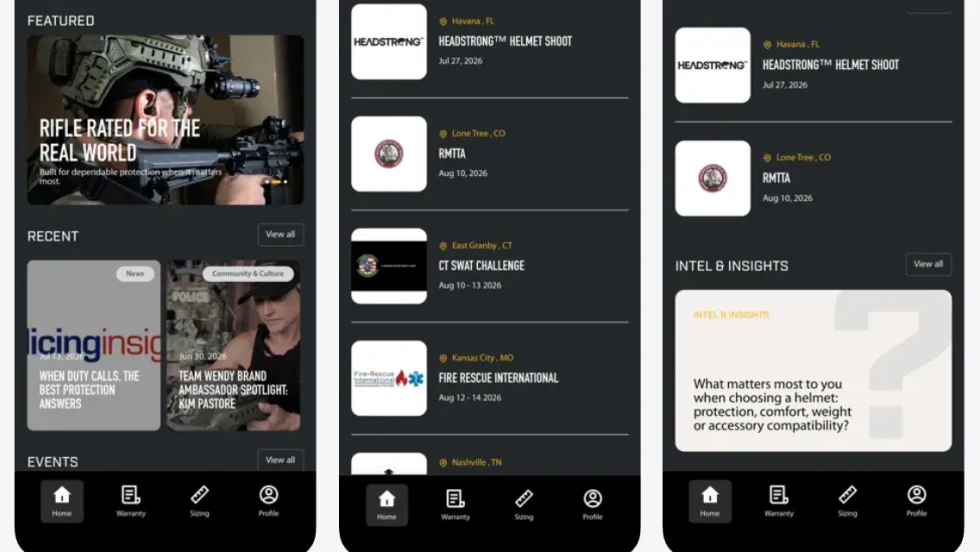
Team Wendy App Creates New Digital Hub for Helmet Owners
The Team Wendy Community App provides one location for warranty registration, size-fit tools, product updates, and community connection. For helmet owners, the new app creates a simpler path to the information and tools that matter most.
Read More →